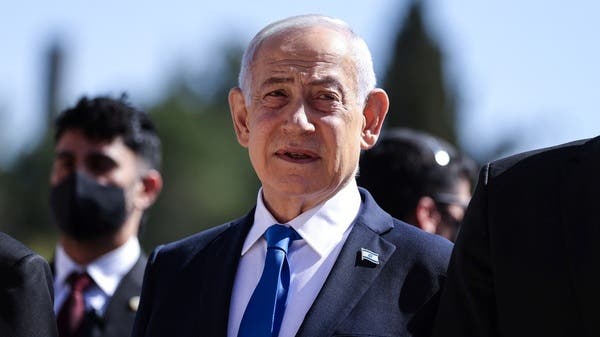
The parliamentary elections in Israel, scheduled for October 27, are widely predicted to be the most consequential in the country’s history. They will be a referendum on the record of Benjamin Netanhyahu, the dominant figure in Israeli politics for the last 30 years.For all the latest headlines, follow our Google News channel online or via the app.
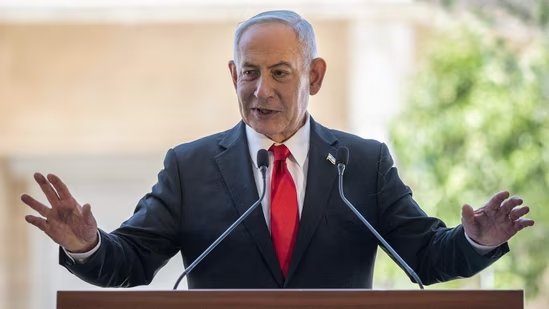
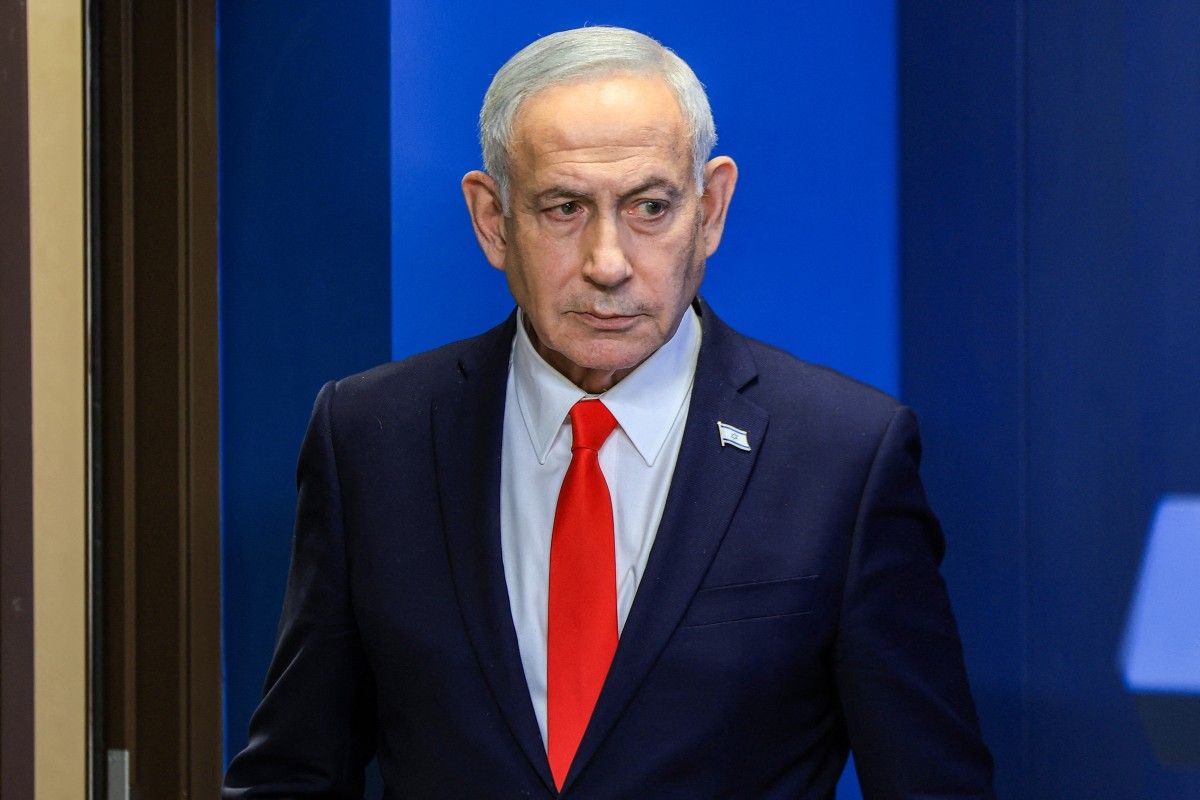
This will be first time Israelis can deliver their verdict on how far Netanyahu was to blame for the deadly Hamas attacks of October 7, 2023, the worst in the country’s history, and on his prosecution of the subsequent wars – not only on Hamas in Gaza but against Iran itself and the other militias it sponsors in Lebanon, Iraq and Yemen.
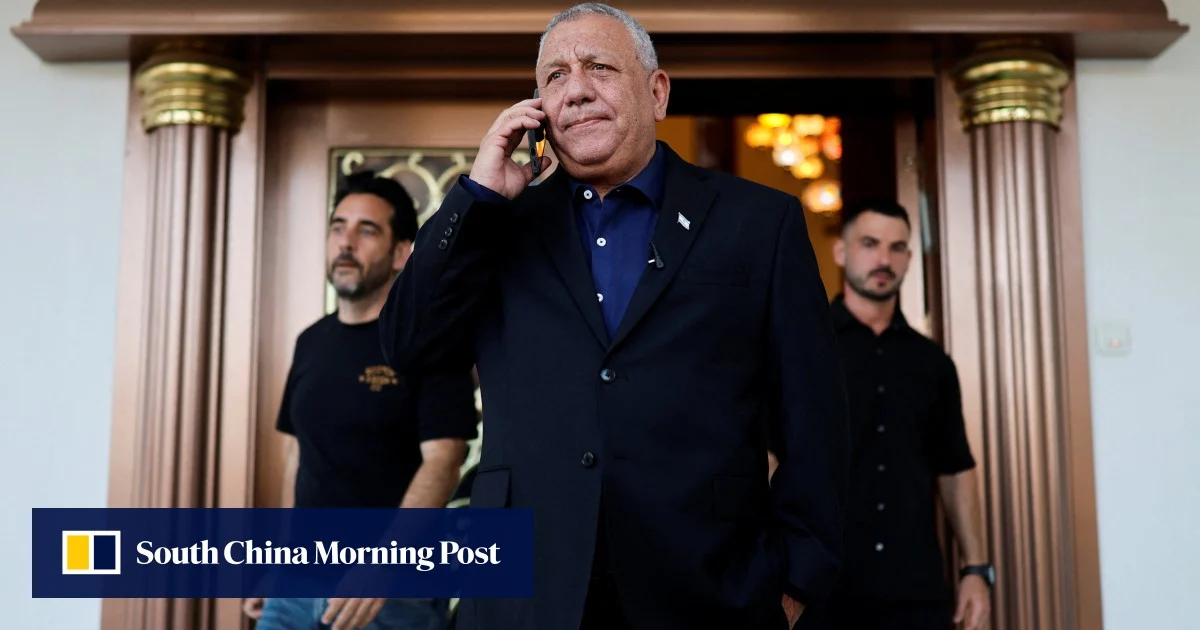
And the indications are that Netanyahu’s Likud party, and his current coalition government could lose power to the “Change” bloc of right, center and left-wing parties. Yashar, the major party in this opposition bloc, is led by a relative newcomer to politics – Gadi Eisenkot. This plain-speaking former Israeli chief of staff, whose parents came from Morocco and who lost both a son and a nephew in the Gaza war, is a plain-speaking military man, in contrast to the smooth-talking Netanyahu. But Likud election advertisements that have mocked Eisenkot’s less than fluent English do not seem to have dented his public appeal. Eisenkot has in recent months overtaken not only Netanyahu but also the more established anti-Netanyahu politicians – Neftali Bennett, Yair Lapid, and Benny Gantz – as the most popular politician in Israel. Bennet and Lapid joined forces in April this year in a bid to enhance their electoral prospects, but have lost out to the fast-rising Eisenkot as the main challenger to Netanyahu.