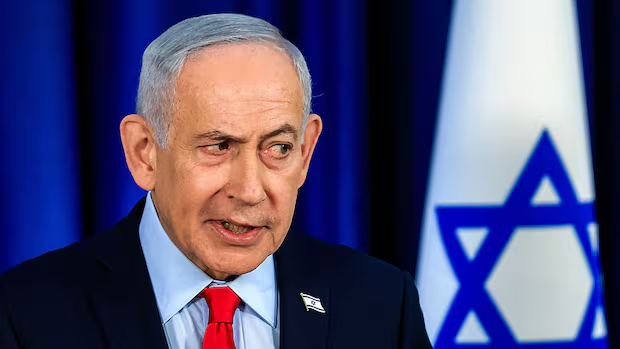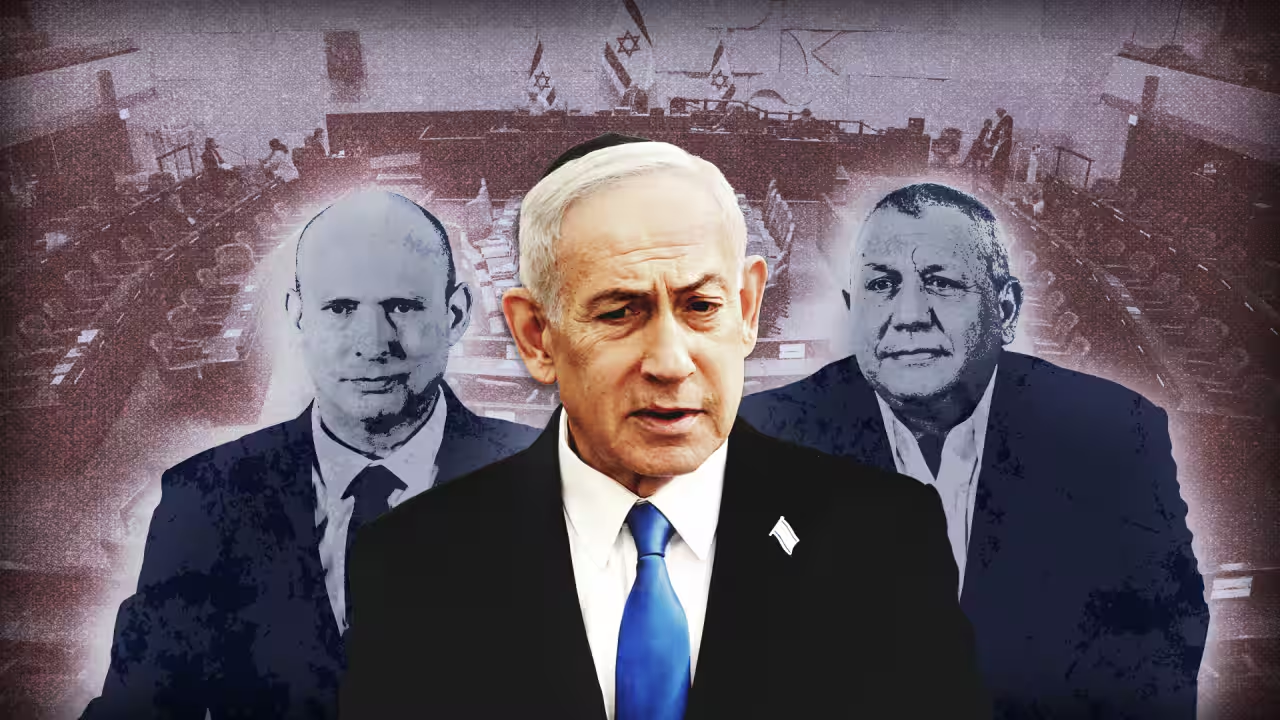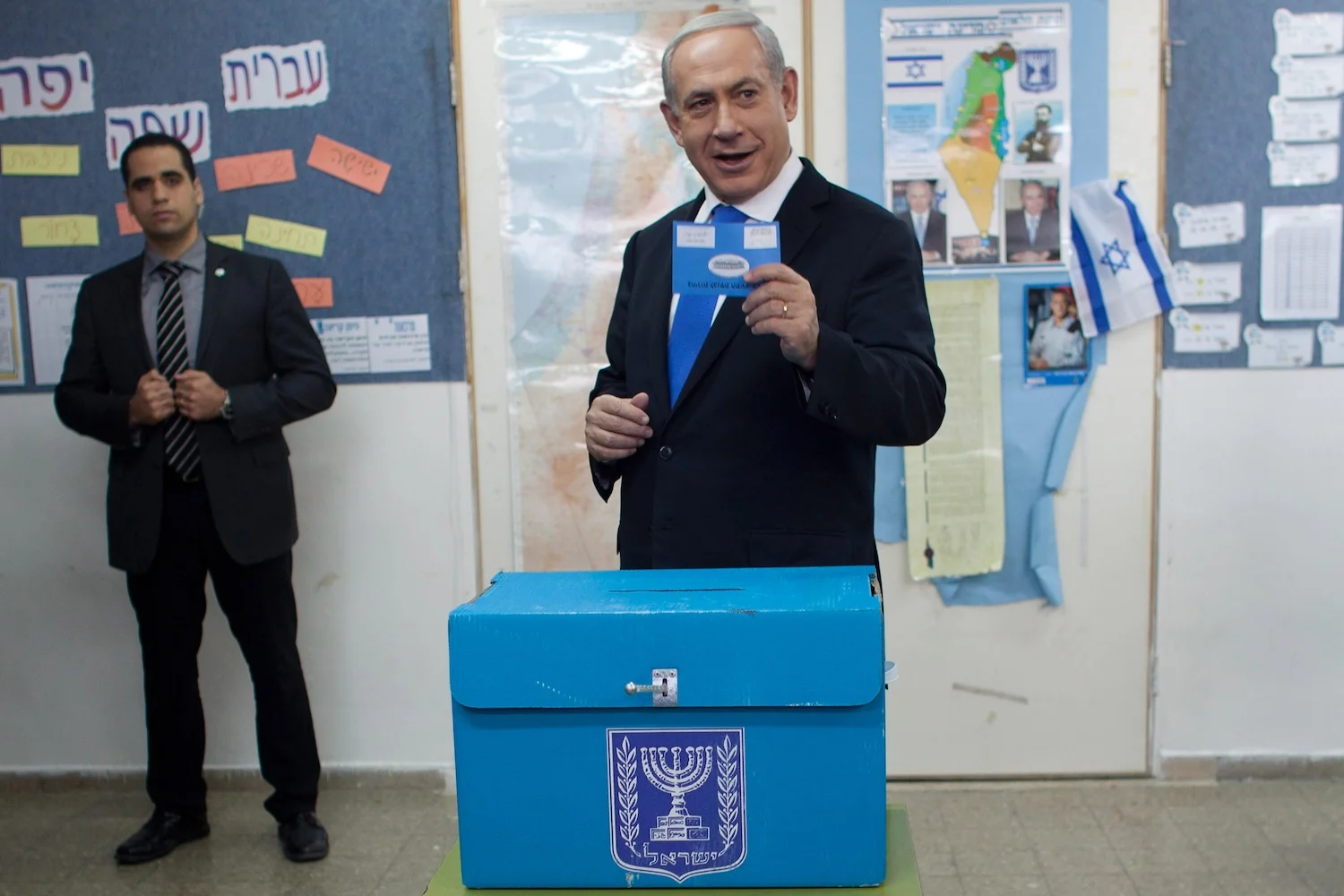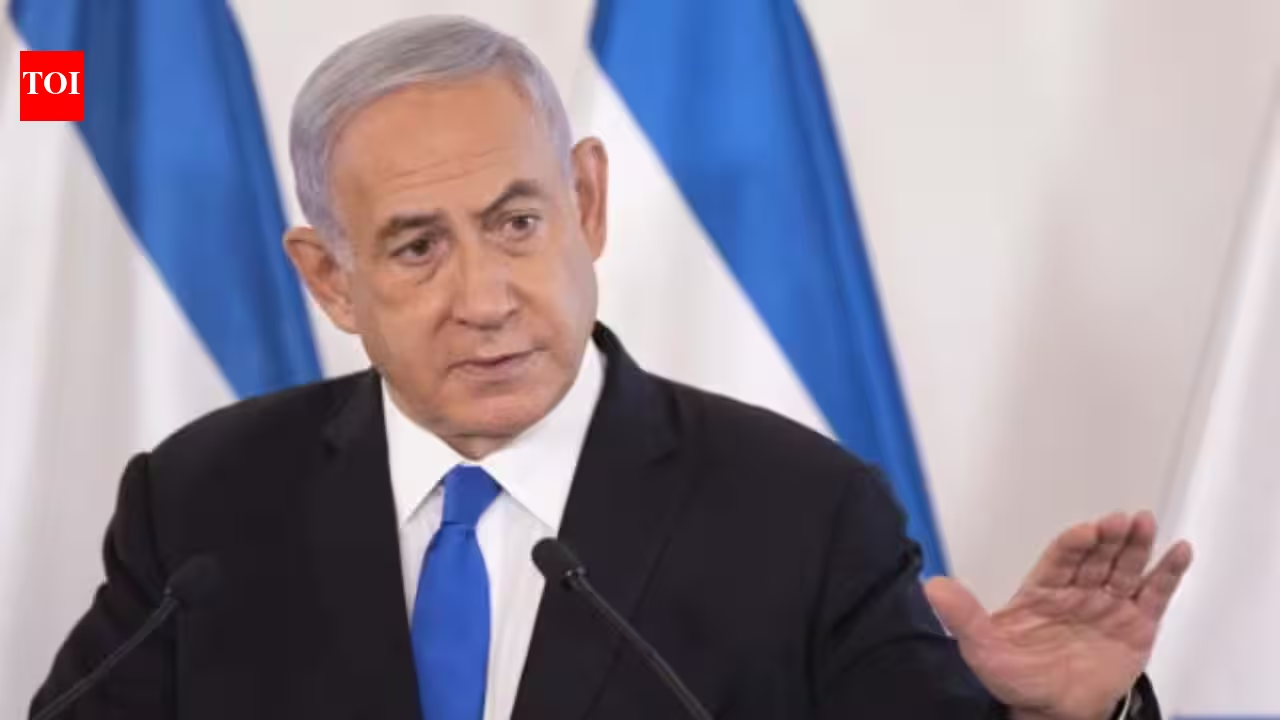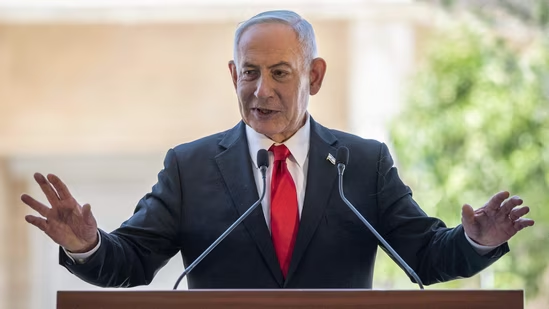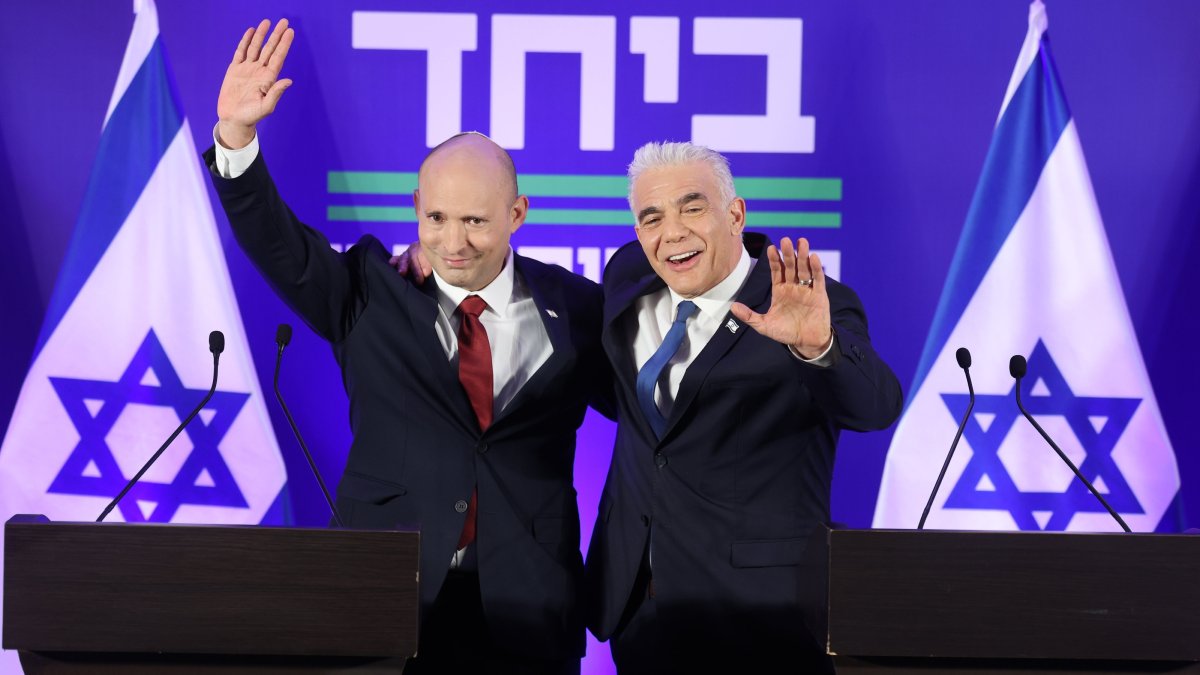
On Oct. 27, 2026, Israel will head to the polls for what may be the most critical election in its history. In this election, the Israeli people will decide not only who will lead the country for the next four years, but also whether the current racist, expansionist, anti-democratic and genocidal policies will continue. They will also be deciding the political future of a criminal against whom corruption cases are ongoing and for whom the International Criminal Court (ICC) has issued an arrest warrant for crimes against humanity and war crimes committed in Gaza. In other words, this election will be a fateful one for Israel.
One of the most significant factors distinguishing this election from previous ones is that Israel is holding it while embroiled in such a prolonged war. The war, which began on Oct. 7, 2023, has not been limited to the destruction of Gaza and the killing of 73,000 Palestinians. The war front has expanded with attacks first on Lebanon and now on Iran. Consequently, this election is viewed as a referendum on both the events of the Gaza genocide and the ongoing war with Lebanon and Iran.
Therefore, to better understand the election process in Israel and make predictions about the post-election period, it would be helpful to take a close look at developments in Israeli politics and assess how these developments might affect the new government and parliament that could emerge after the election, as well as whether the current status quo in Israel will change.