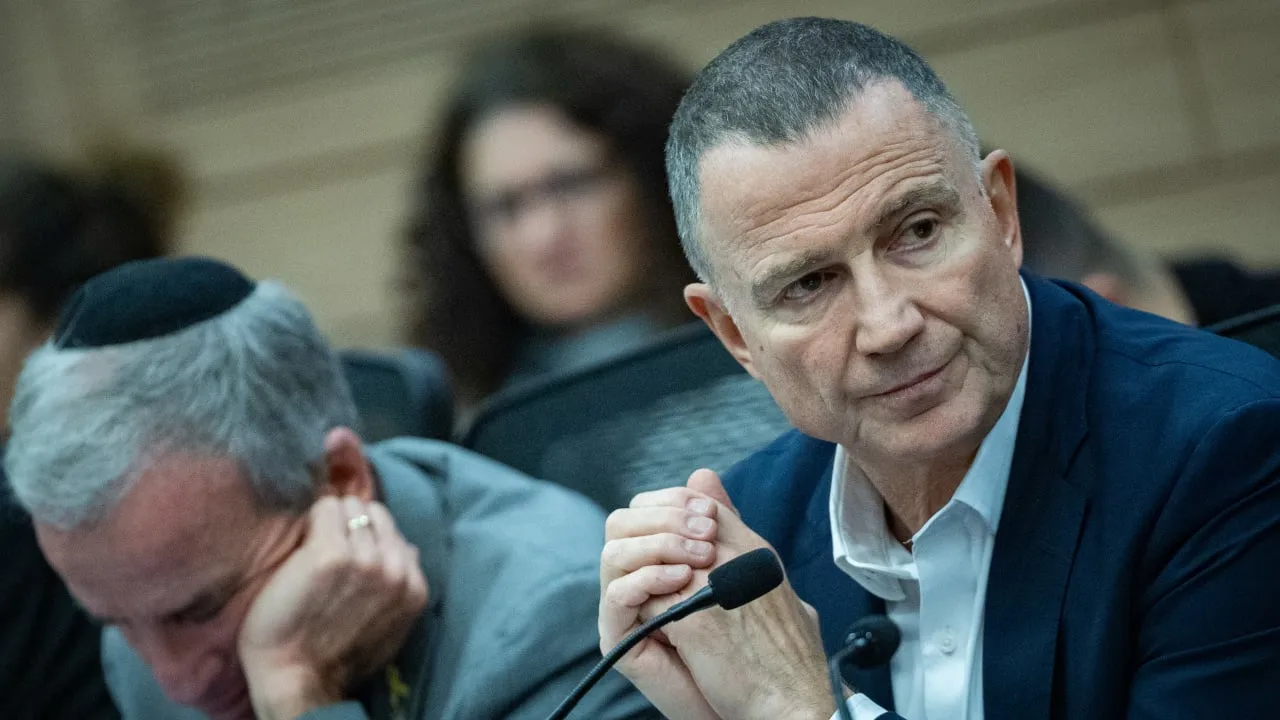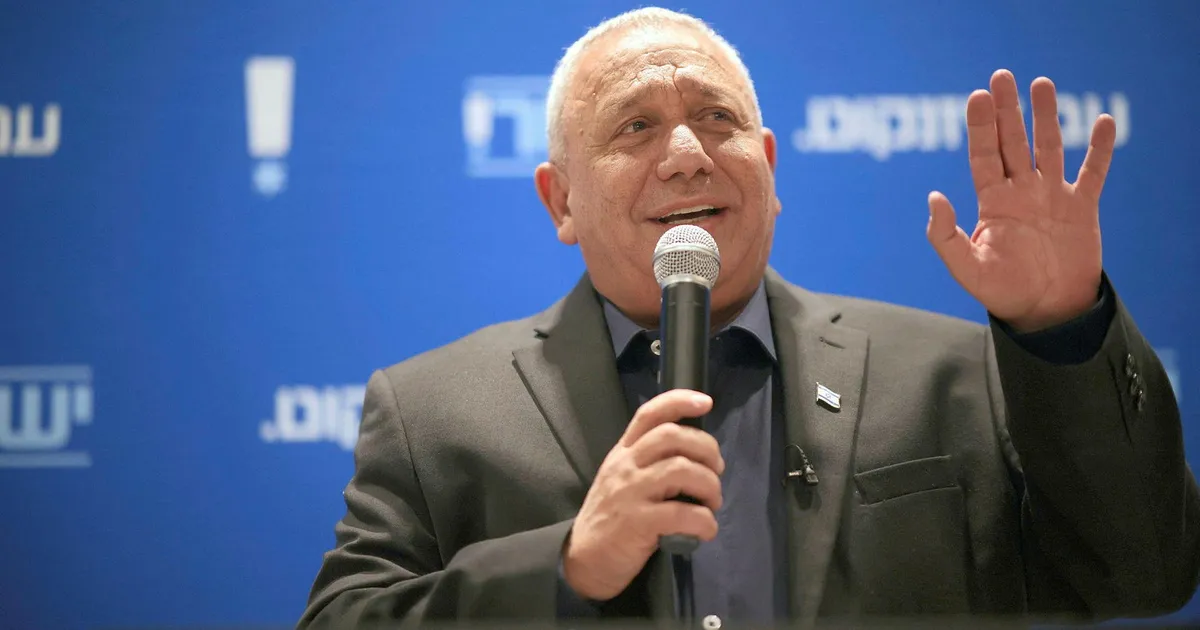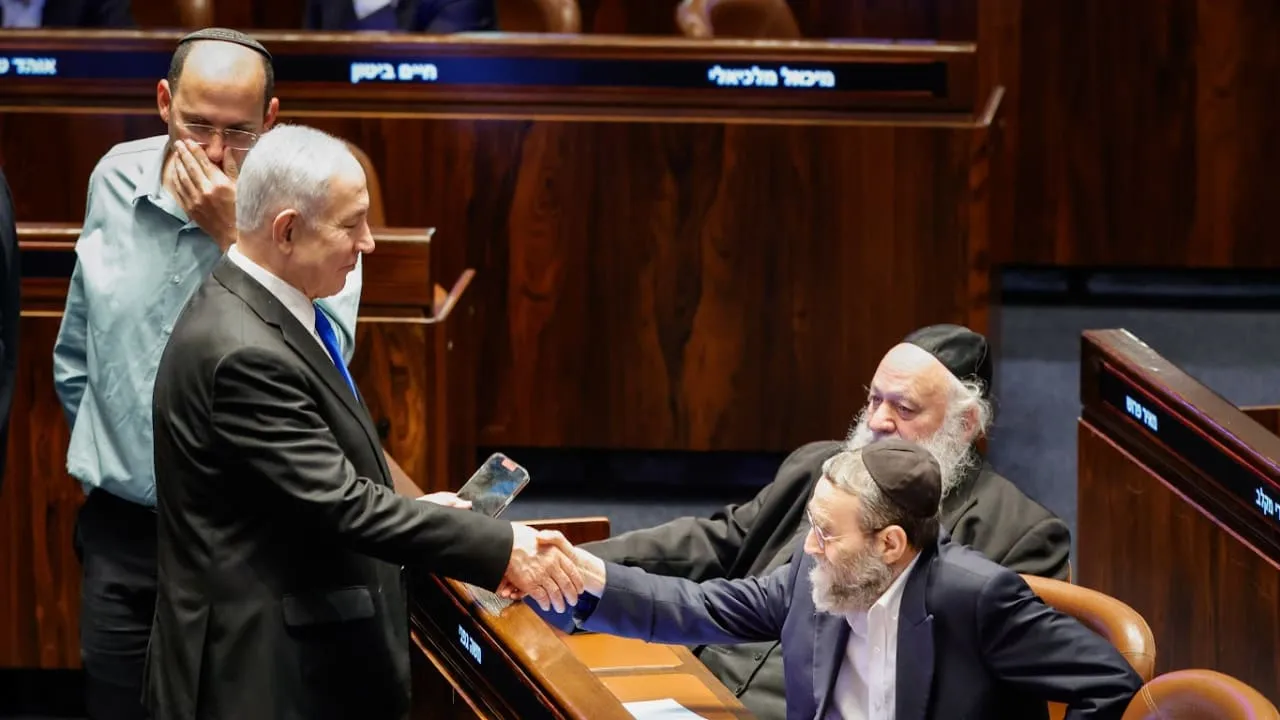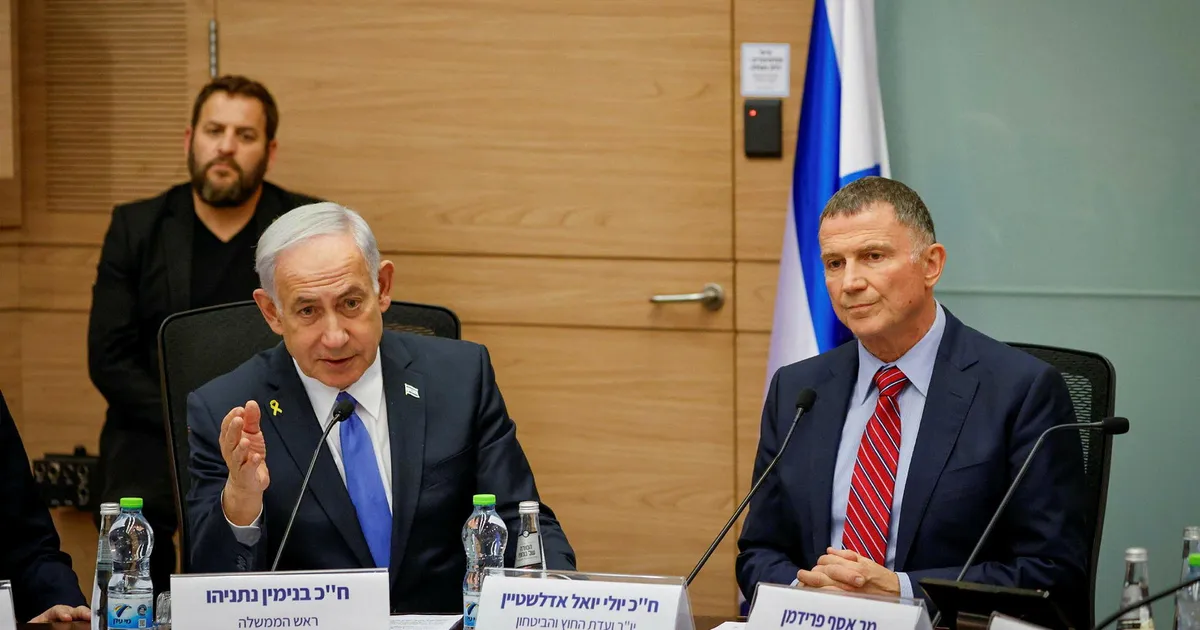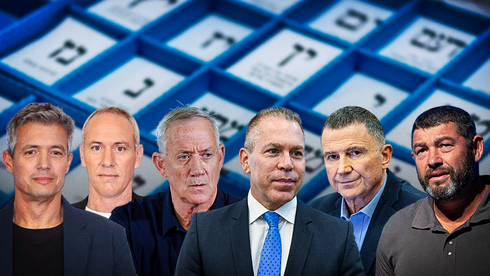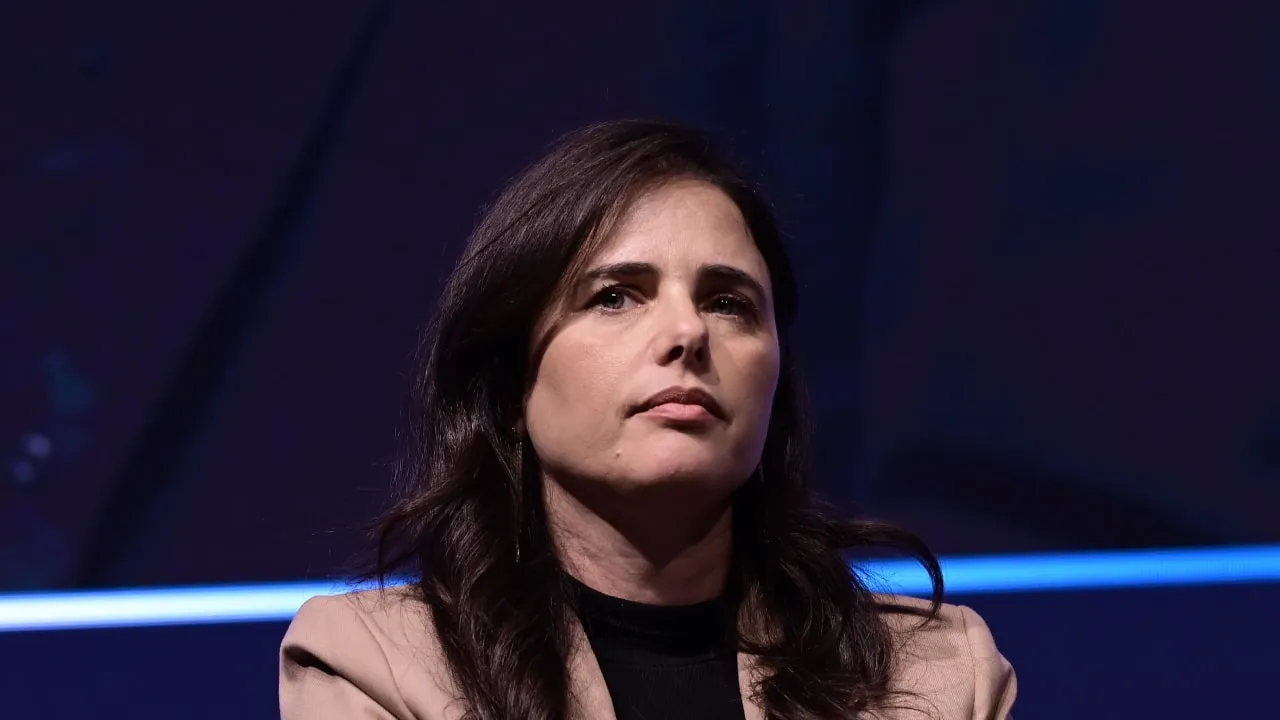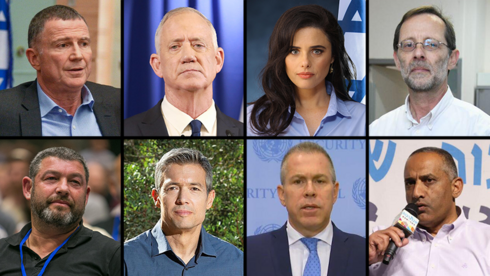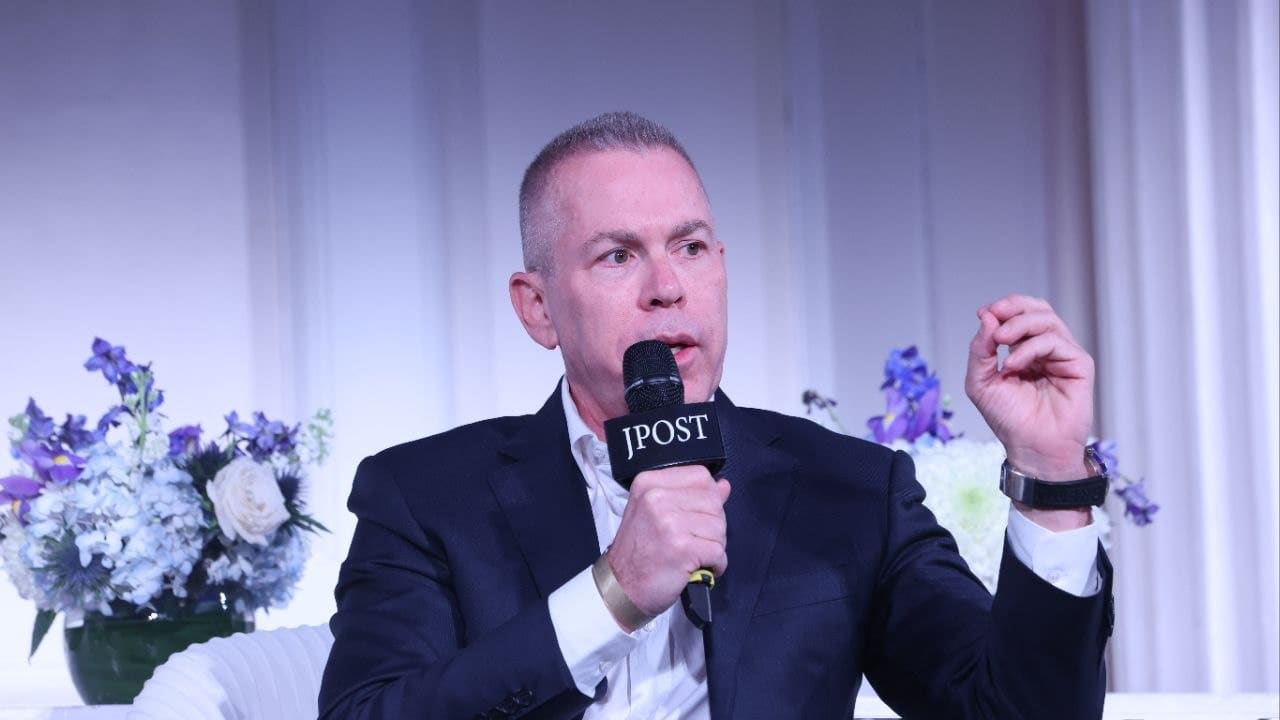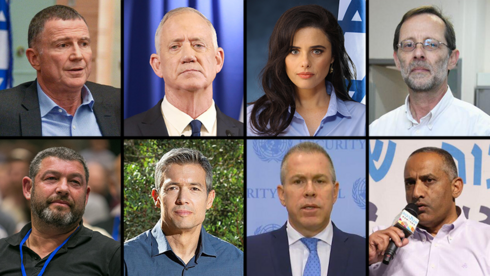
Yuli Edelstein’s talks with Ayelet Shaked, Gilad Erdan and Yoaz Hendel are part of a wider scramble among right-wing and centrist splinters trying to avoid wasting votes before 2026MK Yuli Edelstein’s decision Friday to leave Likud after 23 years, and his search for a new political platform, sharpened a growing question hanging over Israel’s political map ahead of the 2026 election. What until now looked like fragments of parties at real risk of failing to cross the electoral threshold could, under certain circumstances, decide the election and force a new line on the next government.Edelstein has been in advanced talks in recent weeks with former minister Ayelet Shaked, who is preparing to compete for right-wing votes for the first time against her longtime political partner, former prime minister Naftali Bennett. Shaked and Edelstein agree on basic principles and policy lines, and apparently also on the candidates who would make up the party.GalleryMK Yuli Edelstein (Photo: Alex Kolomoisky)Among the names raised in the talks are Davidi Ben Zion, deputy head of the Samaria Regional Council; Shvut Raanan, who until recently was a member of the reservists’ party; and other figures from the religious Zionist camp.Edelstein and Shaked are also holding intensive contacts with Gilad Erdan, with whom they both have good personal ties. Edelstein and Erdan were once senior Likud figures together, while Erdan and Shaked had close working relations over the years. But despite previous statements, Erdan is still signaling that he has not made a final decision, making it harder for them to move forward.At the same time, Edelstein and Shaked are also speaking with Yoaz Hendel and the reservists’ party, despite the bitter split between Shaked and Hendel during the race about four years ago. They are targeting the statesmanlike right, with an emphasis on settlement and religious Zionism, in an effort to force Prime Minister Benjamin Netanyahu to form a new government without Haredi parties in order to pass a draft law.If that scenario fails, they could instead complete a 61-seat majority for the other bloc, provided the draft law is finalized.After Shabbat, Edelstein wrote on X that after October 7, “it was clear to me that what was will not be.”“I fought with all my strength for equal and genuine enlistment, and I succeeded in preventing a draft-evasion law for generations,” he wrote. “I am leaving the Likud faction, but not the Likud members, many of whom see reality the same way I do. Soon we will set out on a new path. Without boycotts, without surrendering to extremists, without relying on Arabs and without a blank check to the Haredim.”“My lines remain clear: a true, statesmanlike and responsible right. In favor of settlement in the Land of Israel, iron-wall security, a free economy, judicial reform and strengthening Jewish identity,” he added.Dedi Simhi and Benny Gantz (Photo: Alex Kolomoisky, Shaul Golan)Meanwhile, Hendel continues to examine the options open to him. First and foremost, he is checking the possibility of negotiations with Benny Gantz, who refuses to drop out despite pressure from his political allies, and Dedi Simhi. Gantz and Simhi have been working together in recent days and in coordination, though they have not yet made that public.Hendel is demanding that they issue a public declaration supporting the formation of a government without Haredi parties and without Arab parties. For now, Simhi opposes making a statement about the Haredim and is not ruling out joining forces with Netanyahu.But Hendel is not stopping there. He is also working outside the current political system, holding parallel contacts with former minister Chili Tropper, who left Gantz’s party against the backdrop of its collapse in the polls. For now, the talks between them have not matured, but they have not stopped either.Still, as long as the election campaign has not officially begun and the Knesset has not been dissolved, the party fragments are still floating in the political space like satellite parties. As election day approaches, each side is trying to tighten its frameworks, with the ultimate goal of preventing wasted votes.The game surrounding those small parties could be especially dramatic, since most of the existing players do not yet know themselves under what scenario they will run.Bennett and Gadi Eisenkot have already said on various occasions that when the moment of truth comes, they will work more actively to “organize the bloc,” ensuring reserved spots or withdrawals for anyone whose independent run could endanger votes that would not pass the threshold.They are not alone. In the right-wing bloc, Netanyahu is expected to make a similar effort once he is free to do so, after dealing extensively with the Likud primaries and assembling the party’s Knesset slate, a process set to end in August.Former finance minister Moshe Kahlon (Photo: Yuval Chen)Netanyahu will also have to decide how to handle several other players in his bloc, including Bezalel Smotrich and Itamar Ben-Gvir, who have so far run together. Ofer Winter has already informed Netanyahu that he intends to run with a new right-wing party, while former MK Moshe Feiglin has revived his independent campaign and is now examining possible alliances. Feiglin has said he is “open to any alliance” and has already announced a joint run with former MK Michael Ben-Ari.Another notable figure is also weighing a return to politics after a criminal investigation against him was closed, removing the cloud that had hung over him. Former finance minister Moshe Kahlon, who once led his own party, has not yet made a decision.If he does return, Kahlon is inclined to run with an existing party that has already proven itself in the polls, rather than with one of the smaller parties still hovering near the electoral threshold. Political sources said he has close ties with both Eisenkot and Gantz and is considering them as possible partners.Despite the deliberations, it is also possible that Kahlon will wait another four years before running again.
Small parties could decide Israel’s election, if they survive the threshold
Yuli Edelstein’s talks with Ayelet Shaked, Gilad Erdan and Yoaz Hendel are part of a wider scramble among right-wing and centrist splinters trying to avoid wasting votes before 2026
981 words~4 min read