Academia
Modern colonialism no longer arrives in wooden warships or under foreign flags. It sits in executive offices, speaks the national language and cloaks itself in the slick rhetoric of "national development."
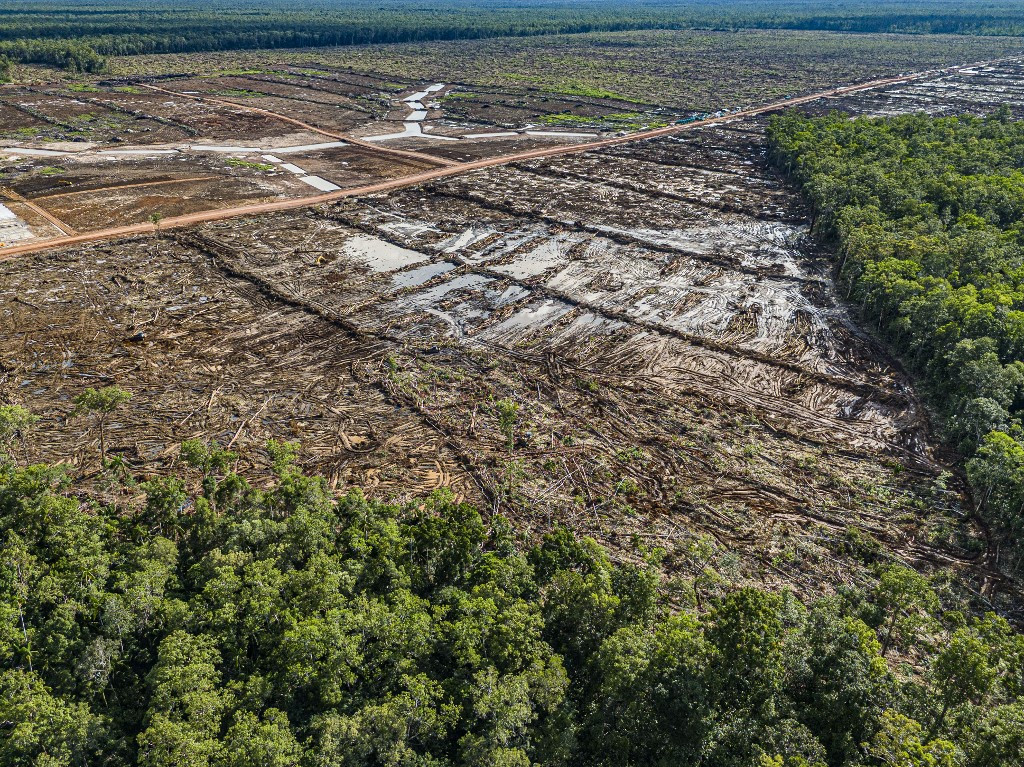
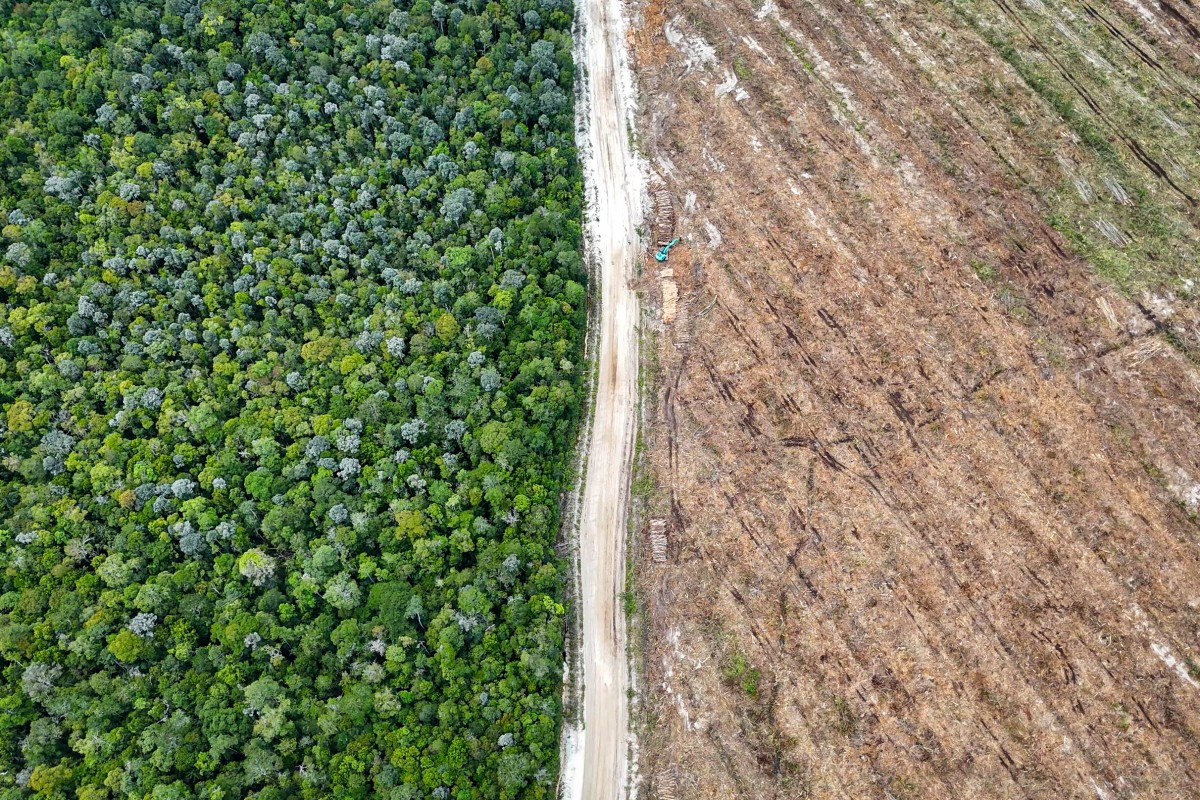
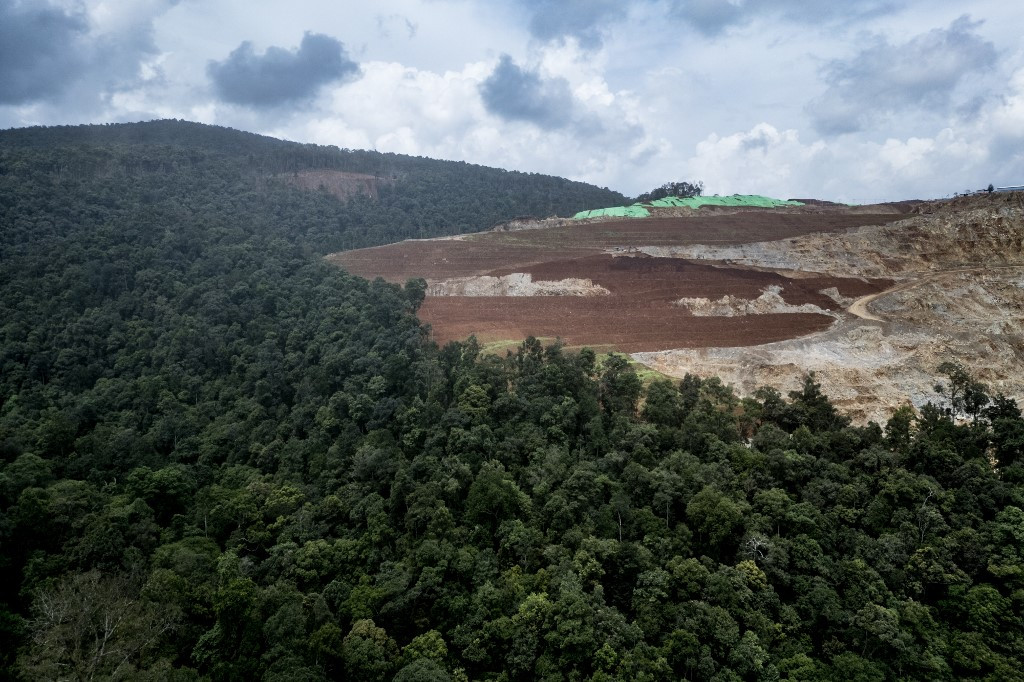
A nickel mining site encroaches upon a forest on April 16, 2025, where members of the Hongana Manyawa indigenous tribe regularly patrol to monitor mining activity in East Halmahera, North Maluku. (AFP/-)
The phrase londo ireng (black Dutchman) carries a bitter, deeply painful history in Indonesia's collective memory. Born during the 19th-century colonial era, it originally described the West African mercenaries recruited by the Dutch army to suppress local resistance, as well as the native pribumi administrators who sold out their own communities to enforce colonial tax collection and forced cultivation. To be called a londo ireng is to be branded the ultimate traitor: a countryman who wears native skin but wields the oppressor’s whip.
When Prabowo Subianto infamously weaponized the term in public discourse to paint journalists, critics and observers as foreign proxies, it was deeply jarring — a racially charged, divisive phrase entirely unfit for high office. Yet, there is a biting irony at play: if the label fits anyone in modern Indonesia, it fits the state apparatus itself.