Academia
In practice, recognition that should represent the state’s respect for communities that have existed for generations can instead become an administrative mechanism determining whether a community is worthy of recognition.
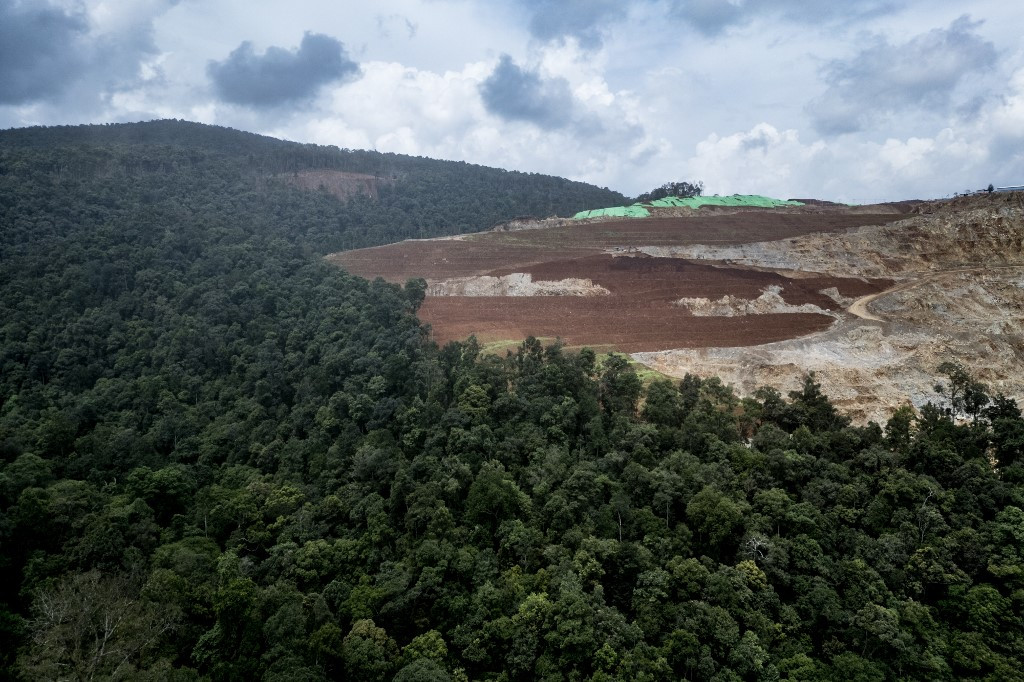
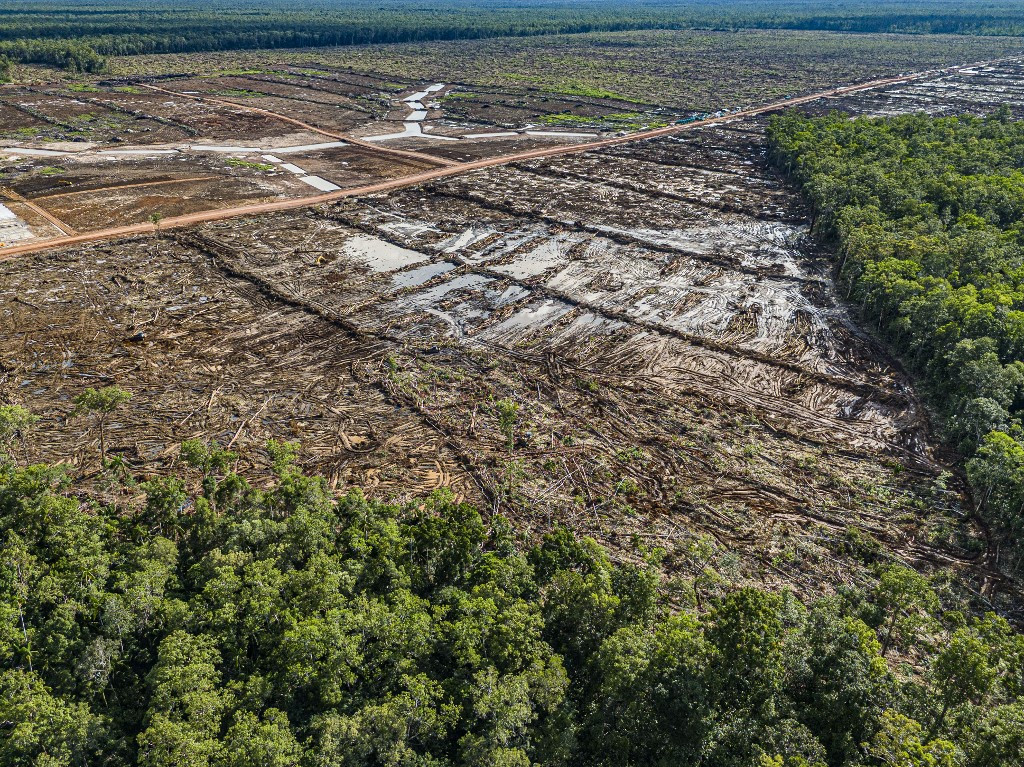
A deforested area to be converted into a sugar cane plantation by PT Murni Nusantara Abadi, directly threatening the adjacent customary forest protected by the Kwipalo Clan, scars the landscape on March 17, 2025, in Mandiri Jagebob, Merauke regency, South Papua. (AFP/Handout/Mighty Earth/Yusuf Wahil)
Every Aug. 9, the world commemorates the International Day of the World’s Indigenous Peoples. This observance is to remind states that development must not erase the identity, territories, cultures or ways of life of indigenous peoples.This year, the commemoration is particularly relevant in Indonesia as the draft bill of the Law on Indigenous Peoples has once again been included in the 2026 Priority National Legislation Program. The question is whether, this time, the bill will genuinely be deliberated in order to end the legal uncertainty that has persisted for more than a decade.
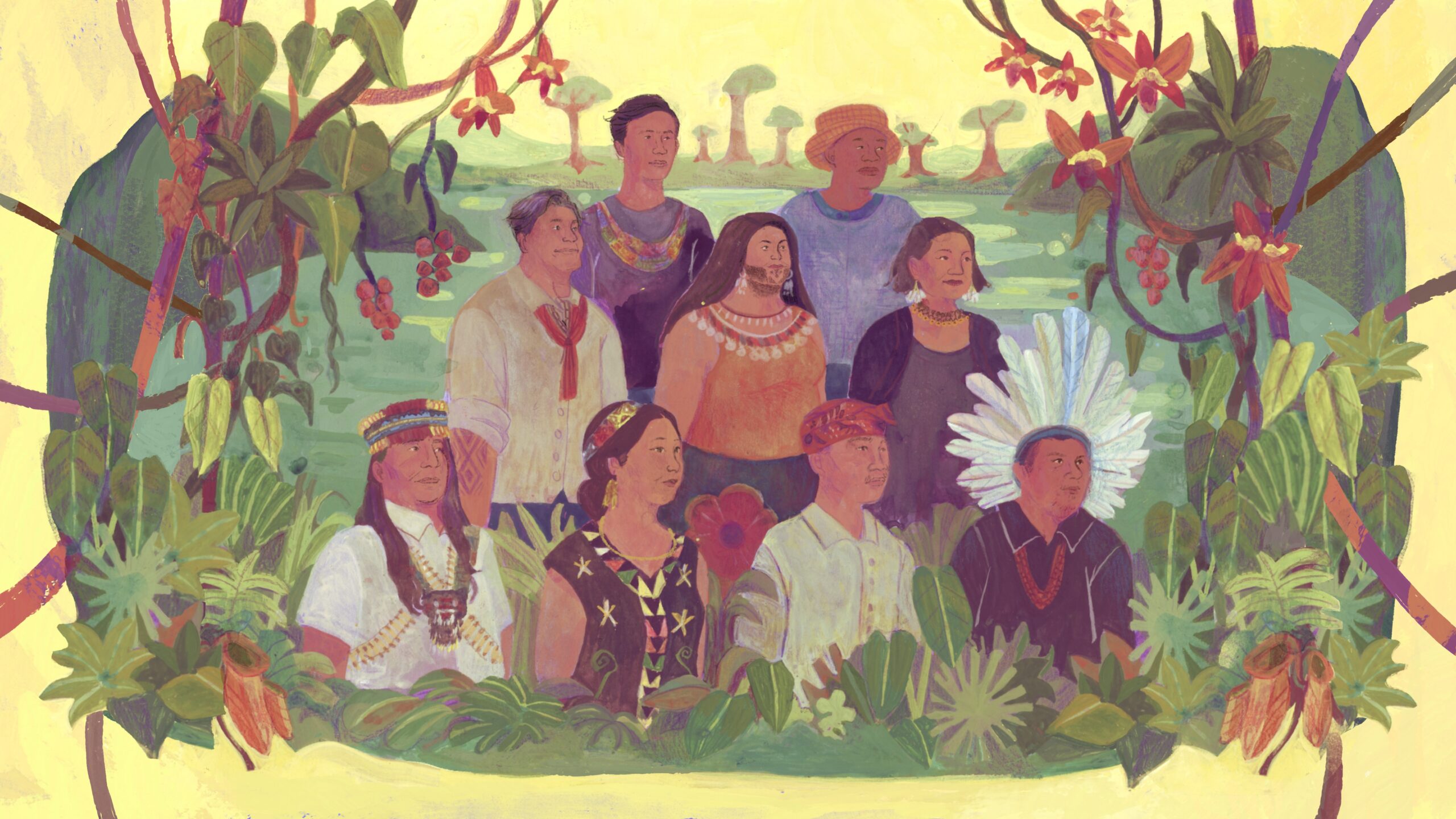
Globally, the United Nations estimates that there are more than 476 million indigenous peoples in 90 countries, accounting for approximately 6.2 percent of the world’s population and representing more than 5,000 distinct groups. Indigenous peoples are important guardians of biodiversity, traditional knowledge and ecosystems that sustain human life.