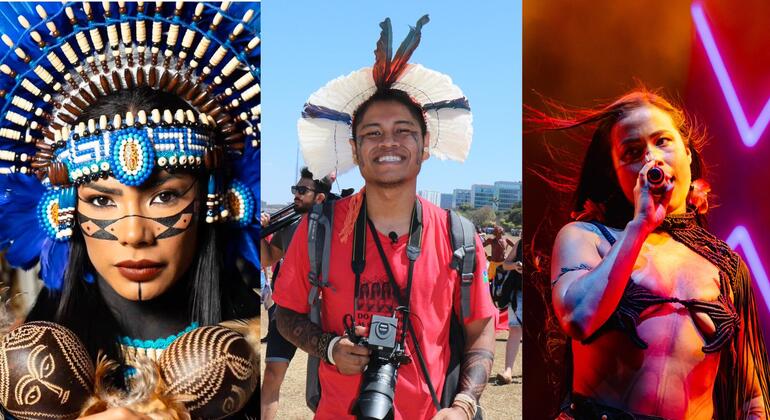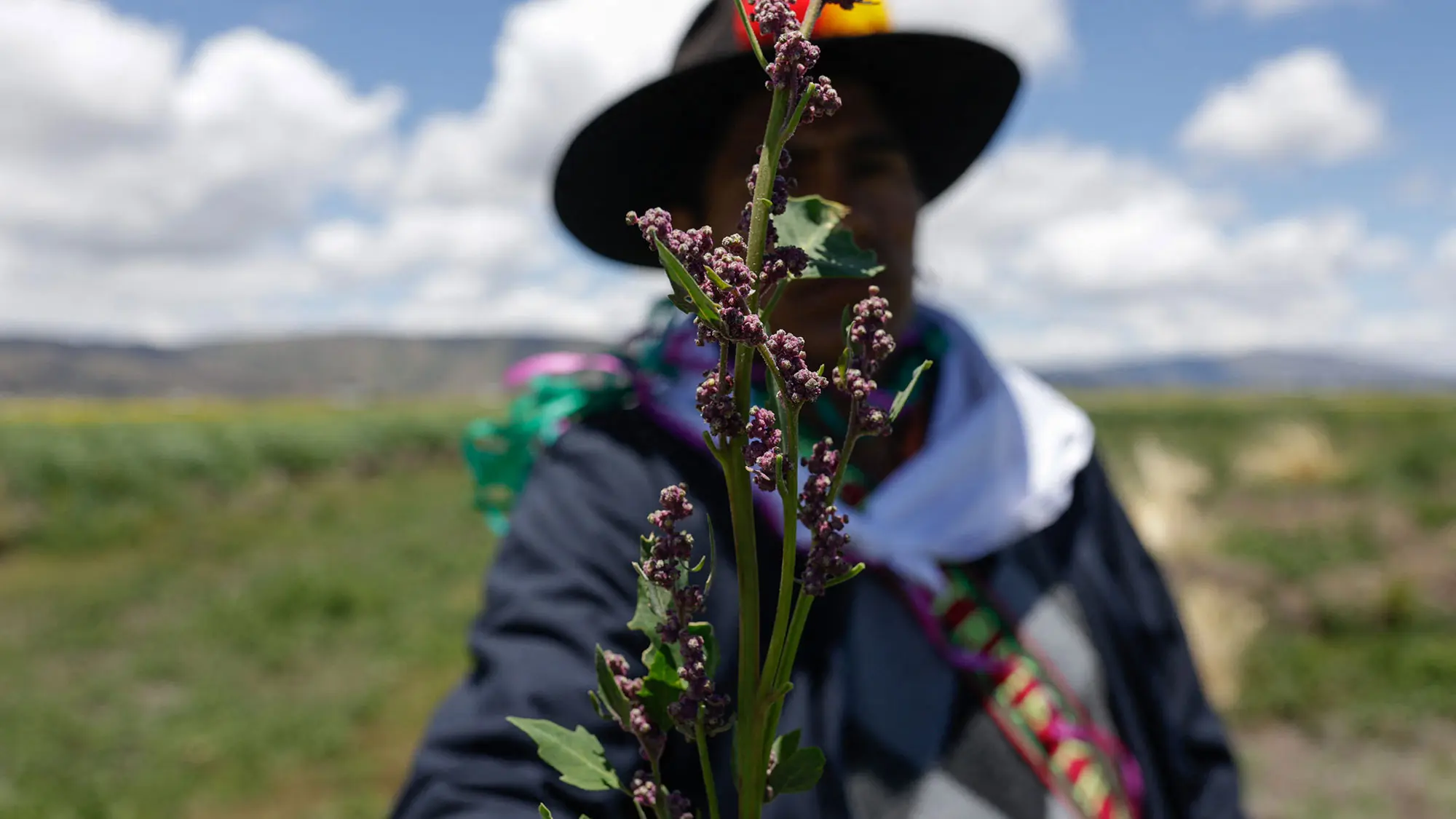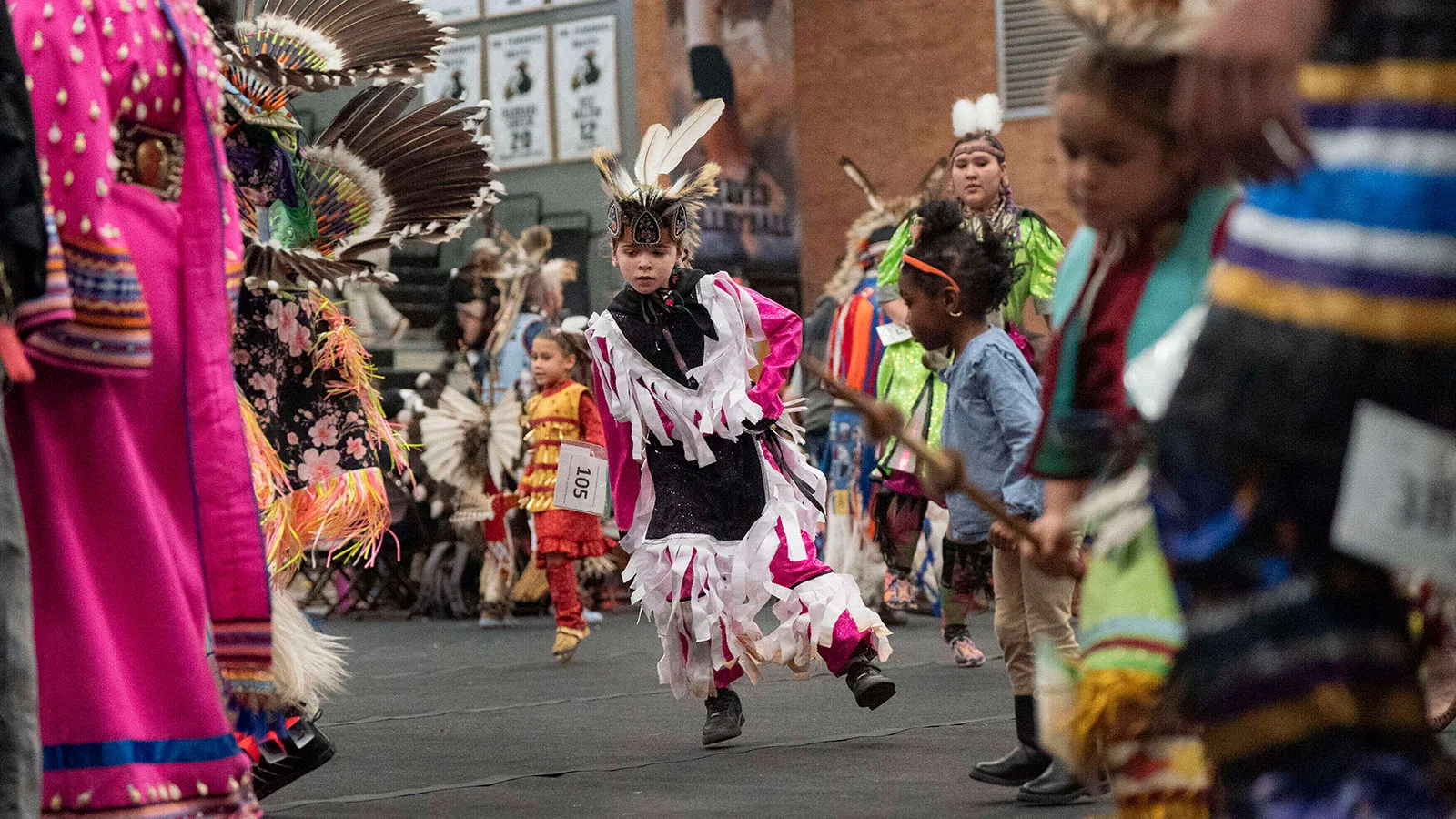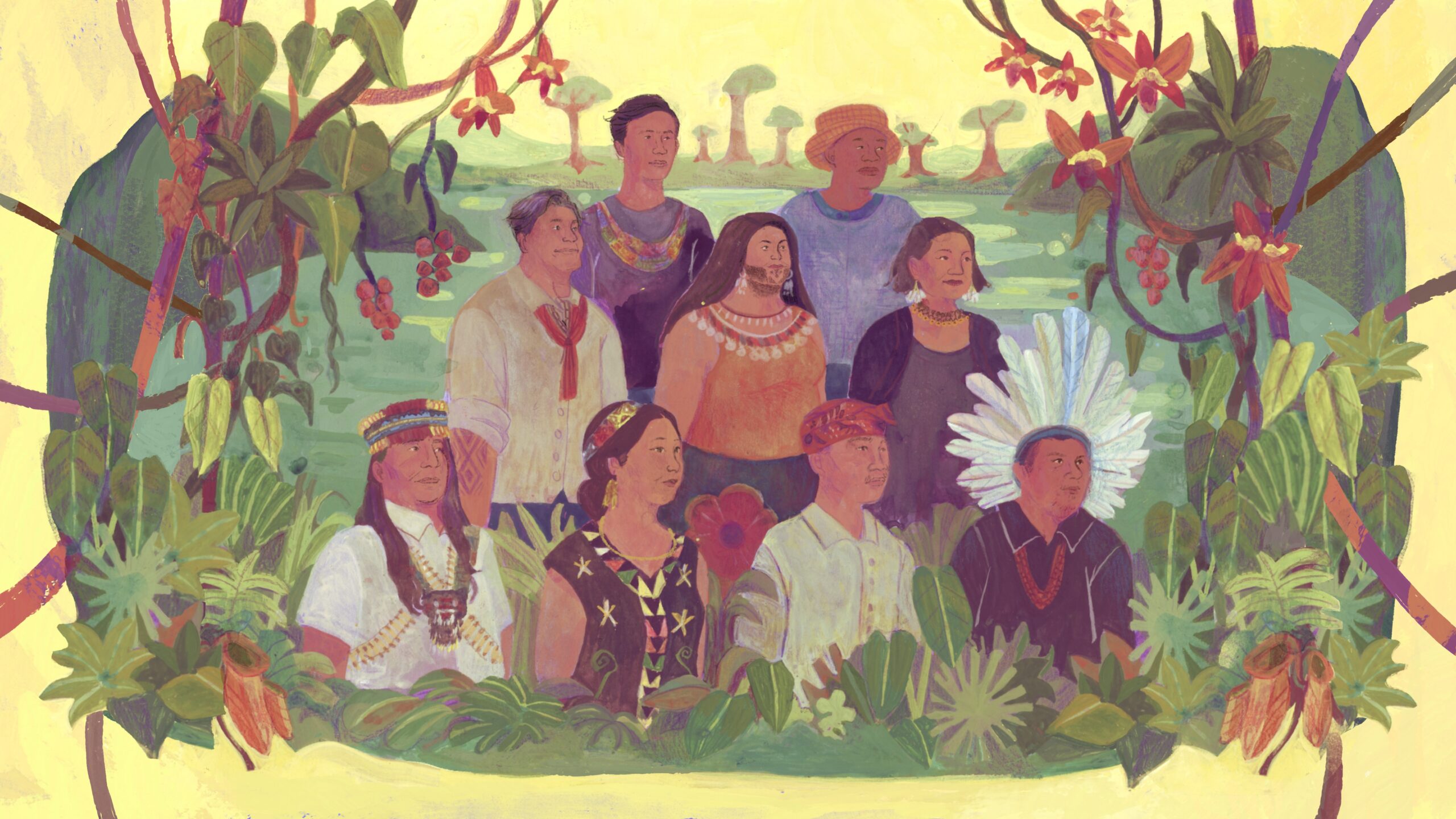
To mark the International Day of the World’s Indigenous Peoples and better understand the subtleties in biodiversity conservation and climate solutions implemented by people at a local level, Mongabay has interviewed nine Indigenous representatives from around the world.Solutions discussed ranged from strategies for reforestation and halting deforestation by extractives to conserving endemic plant species and strengthening Indigenous governance and traditional knowledge.But conversations also included solutions that are not currently working and why, and the nuances of implementation in particular Indigenous communities.No input from Indigenous communities or a lack of understanding of local realities and cultural nuances are common reasons why such solutions fail, interviewees said.
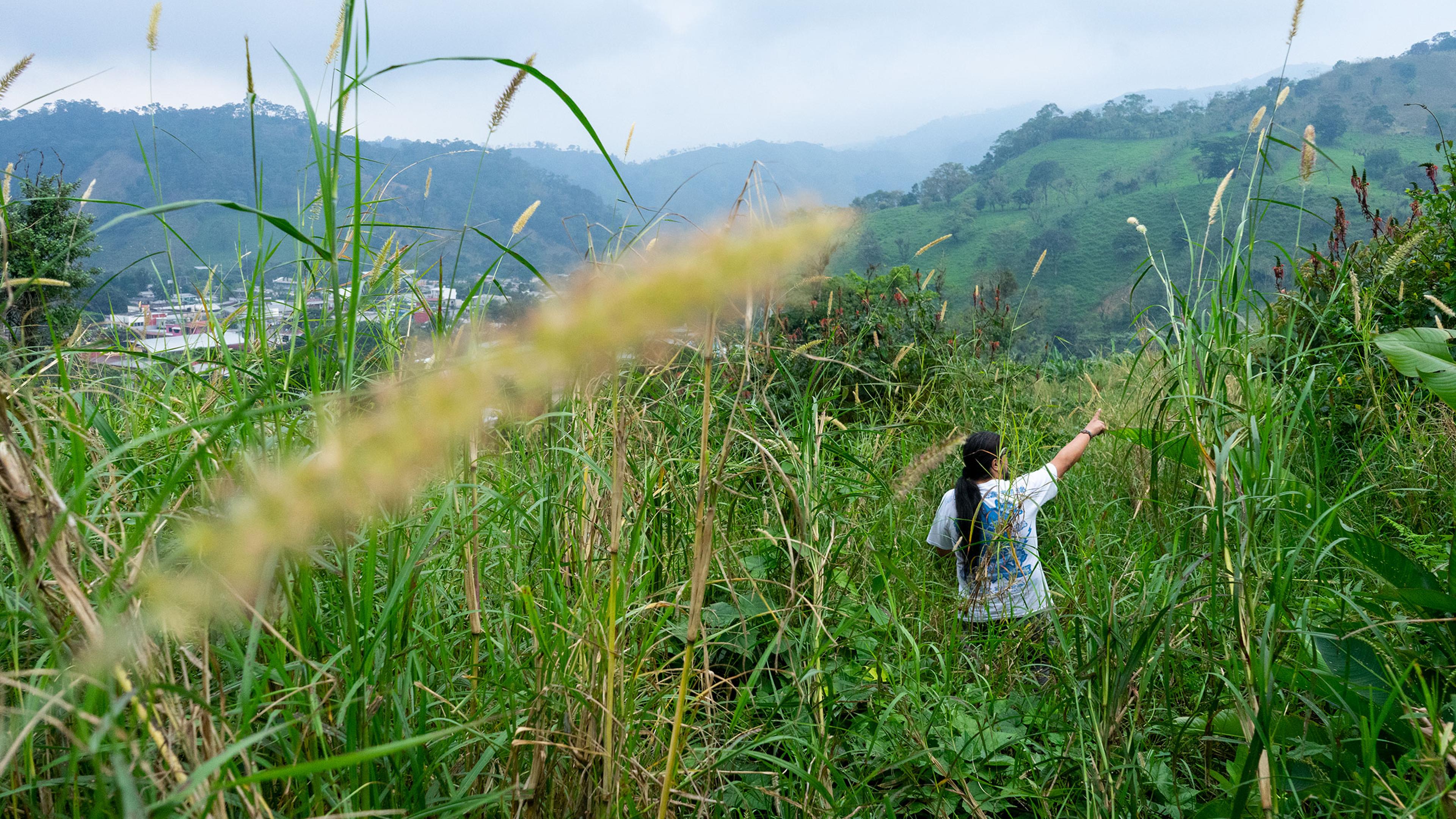
Eriberto throws his head back with a laugh and shakes it as he tills his plot of land in the Peruvian Amazon, near the Cordillera Azul National Park in central Peru.
“That does not work here,” he says with a chuckle, responding to a question about why he doesn’t call his diverse forest garden “agroforestry”.
In the past, government officials promoted planting coffee or cacao in agroforestry systems near his community. But Eriberto Guerra and other Indigenous farmers in the town of Lamas say it hasn’t been effective enough and some have rejected the sustainable farming label.