Academia
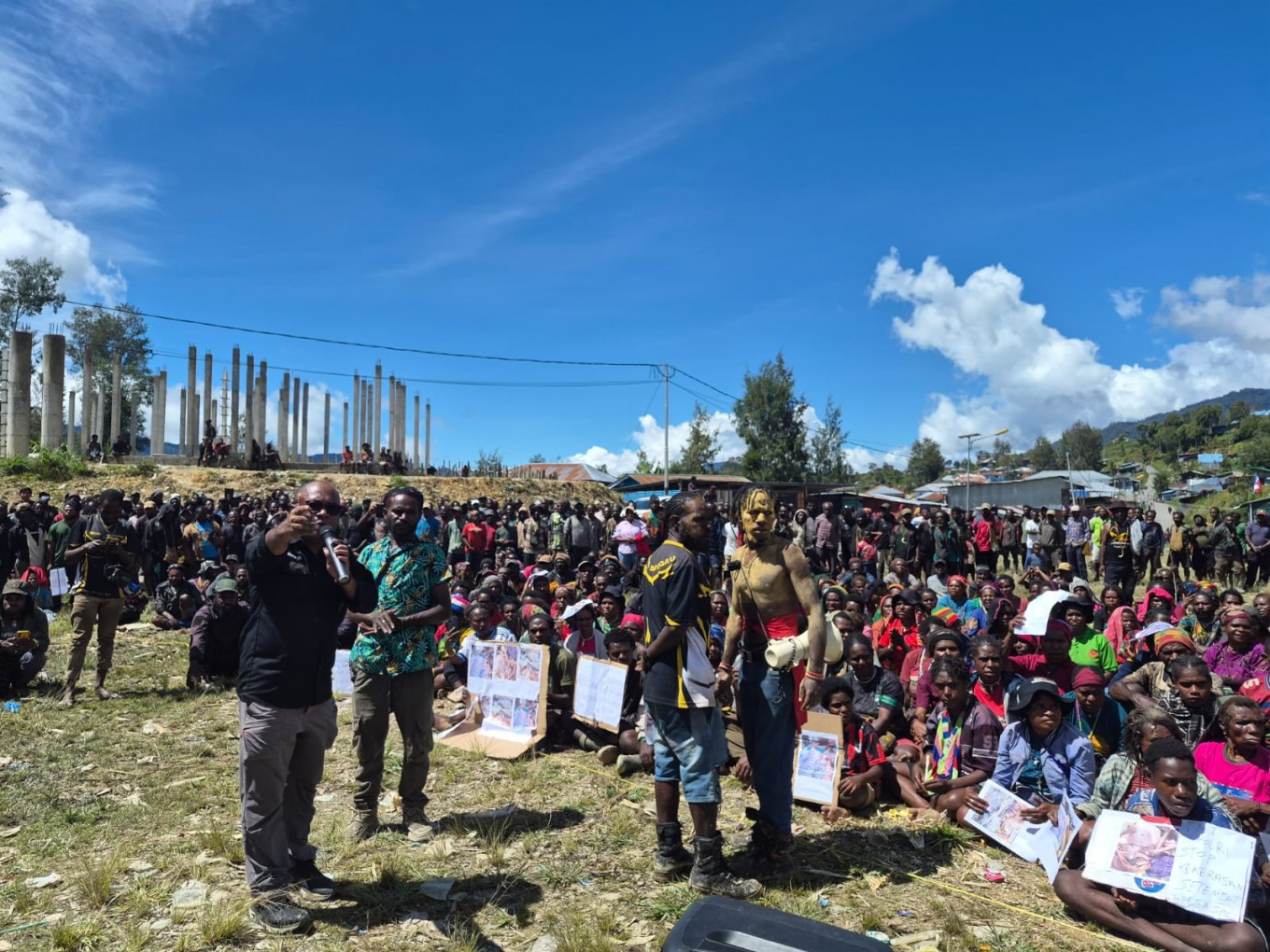
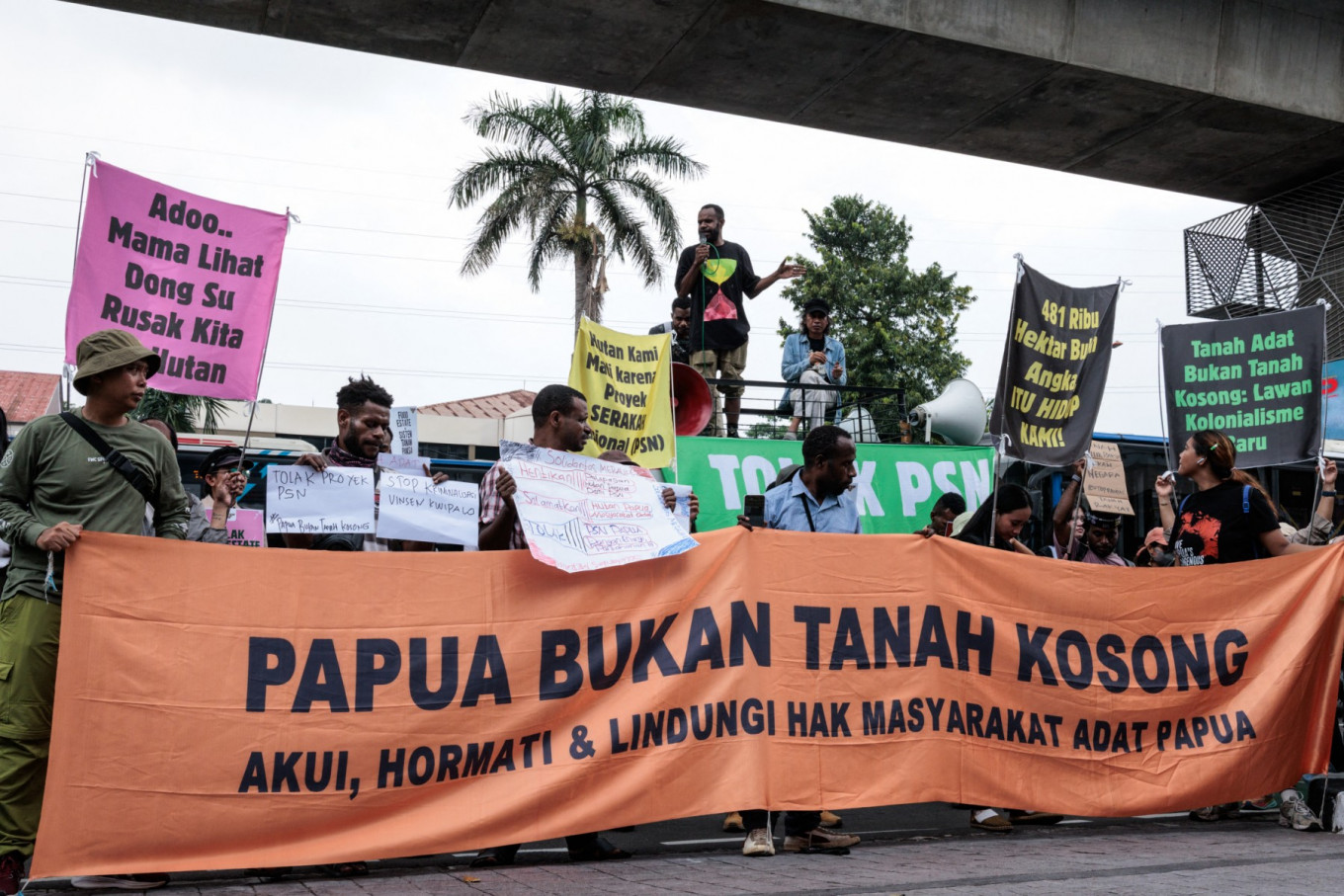
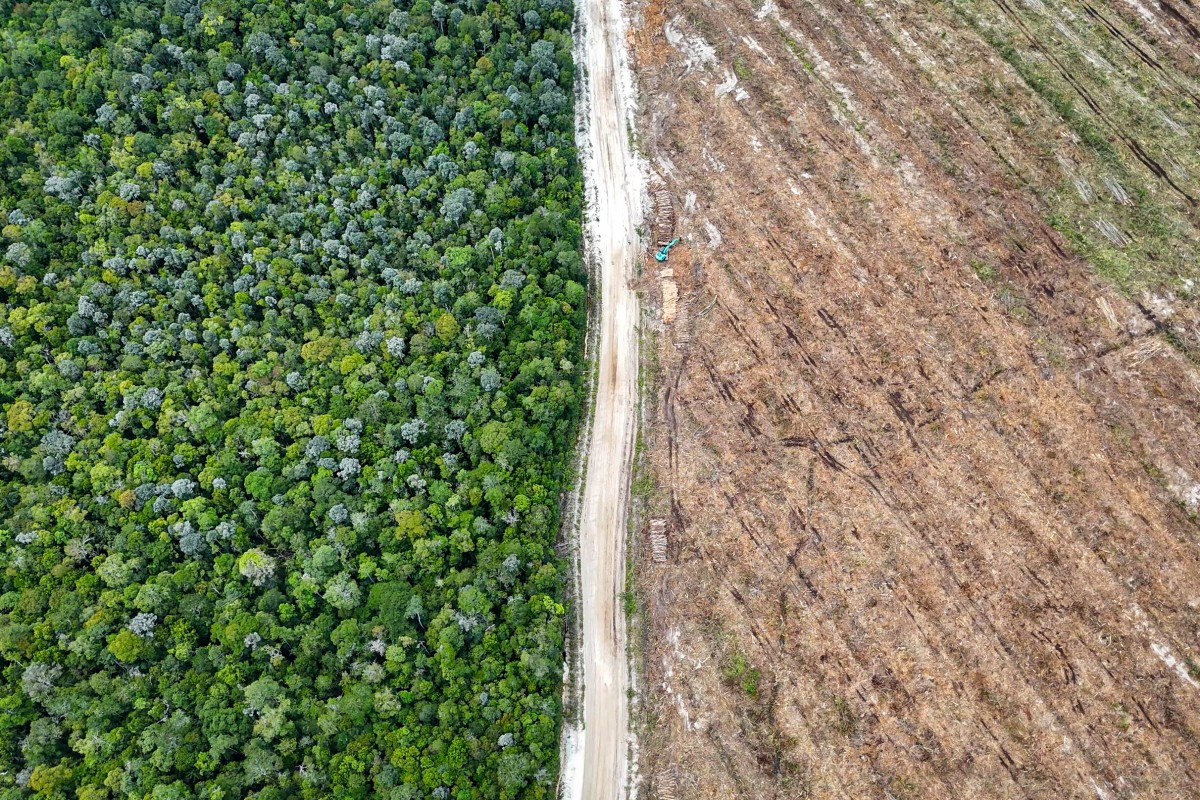
As the government intensifies its food estate ambitions in Papua, a staggering 58-to-1 military-to-insurgent ratio reveals a development strategy that prioritizes industrial expansion over the basic human rights and ancestral lands of the indigenous population.
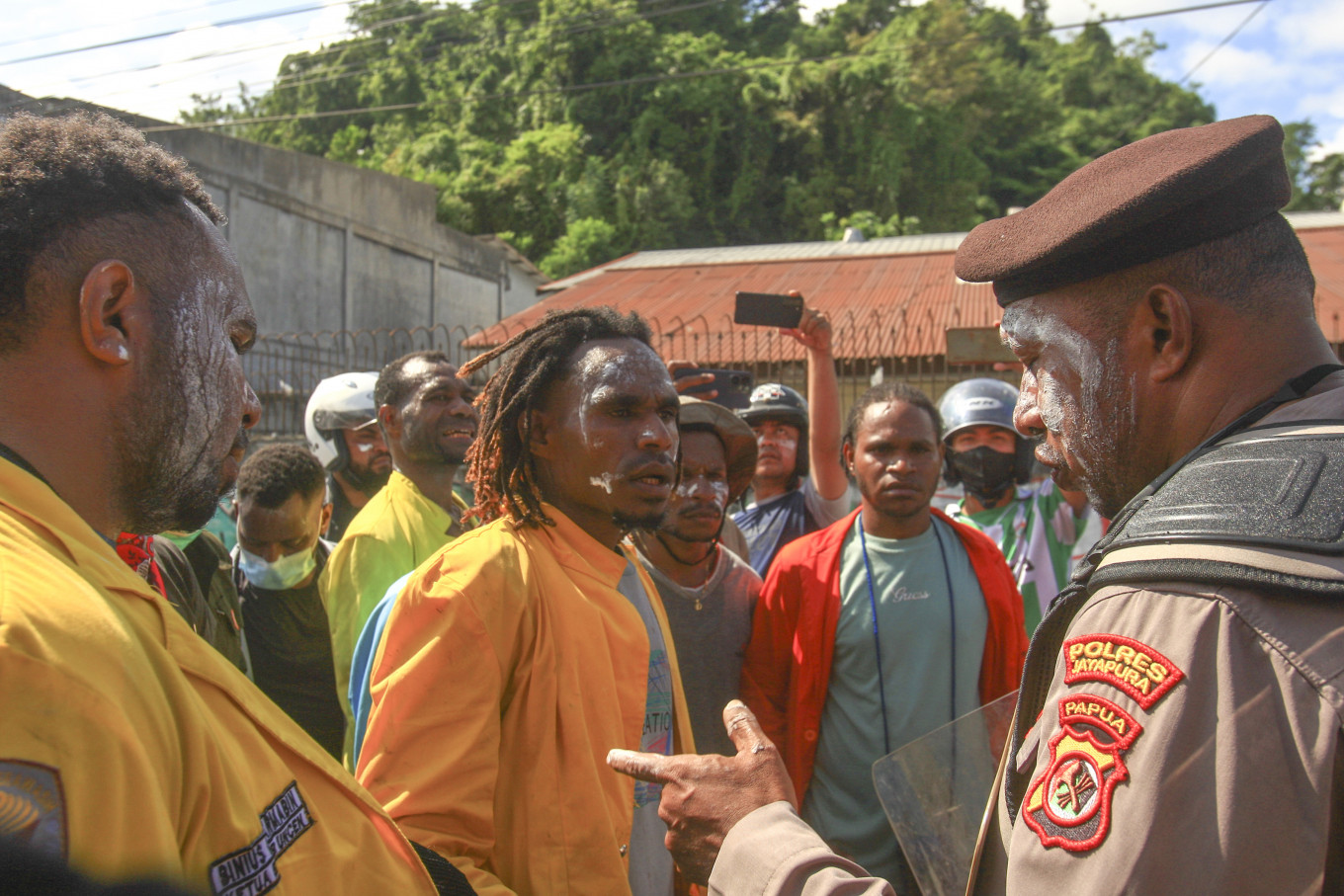
Police officers speak with protesters opposing violence in Papua on April 27 in Jayapura, Papua. Jayapura Police deployed 1,200 joint personnel from the police and military to secure the protest. (Antara/Gusti Tanati)
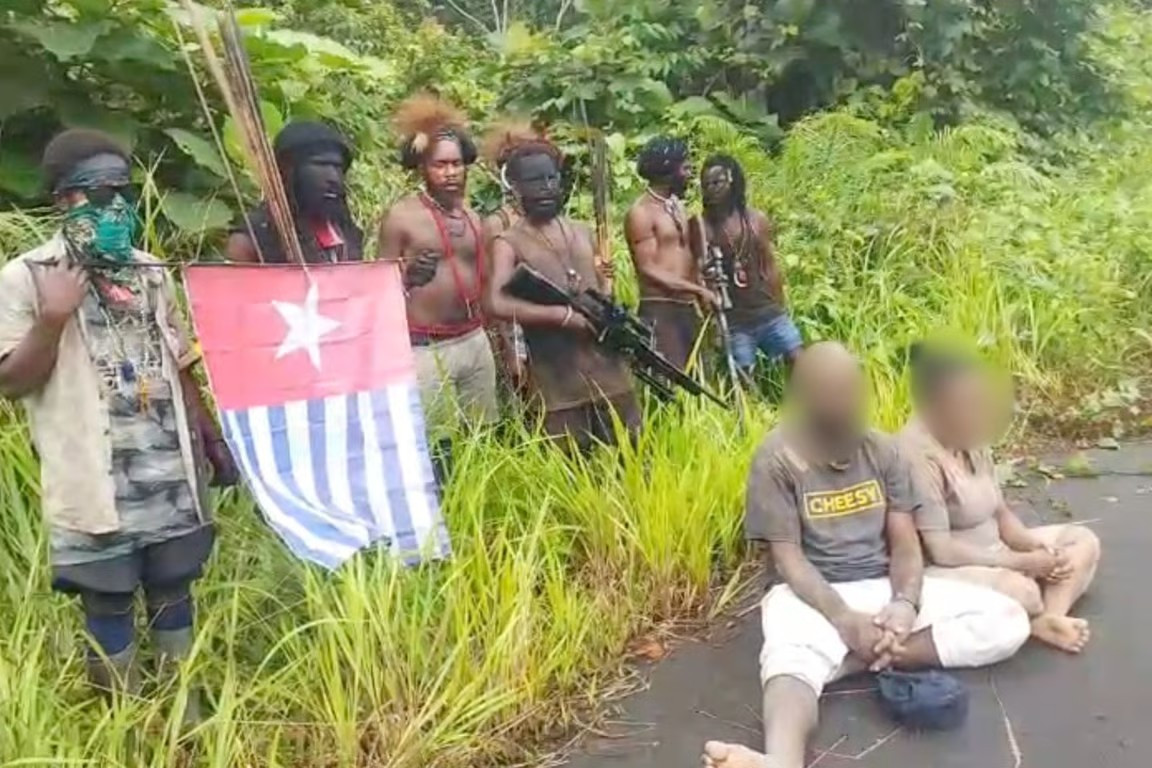
Violence in Papua has continued to escalate over the past four months. The latest incident occurred on April 14 in the districts of Kembru and Pogoma in Puncak Regency, Central Papua, leaving 15 civilians dead and seven others injured, including childrenReports from the Papuan Church Council and local pastors describe coordinated ground and air attacks involving firearms and grenades directed at honai (traditional mushroom-roofed houses). Gunfire was also reported at displacement sites in Kembru—an area previously designated as a civilian safe zone—which housed residents fleeing clashes between state security forces and the West Papua National Liberation Army (TPNPB), the armed wing of the Free Papua Organization (OPM).