Academia
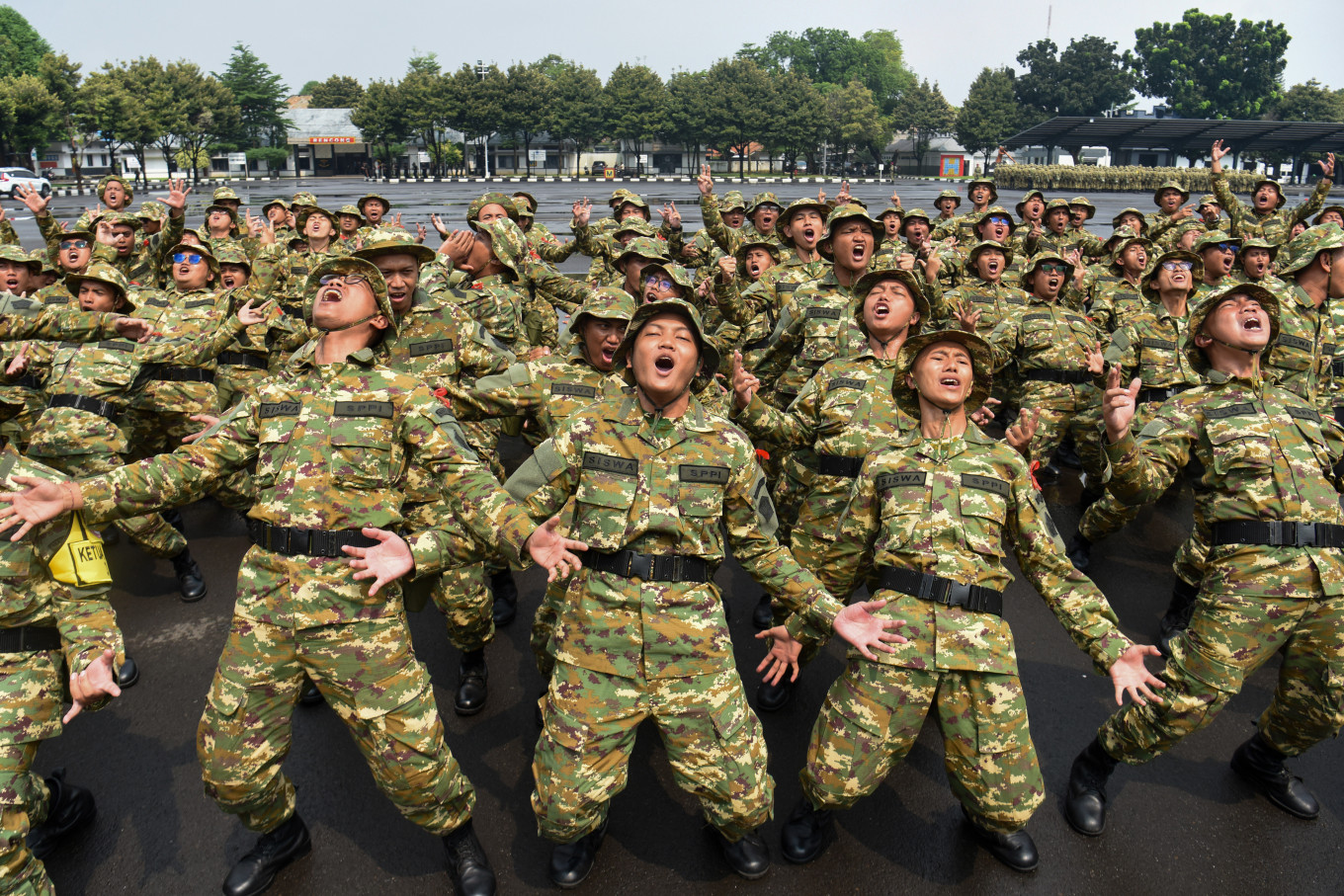
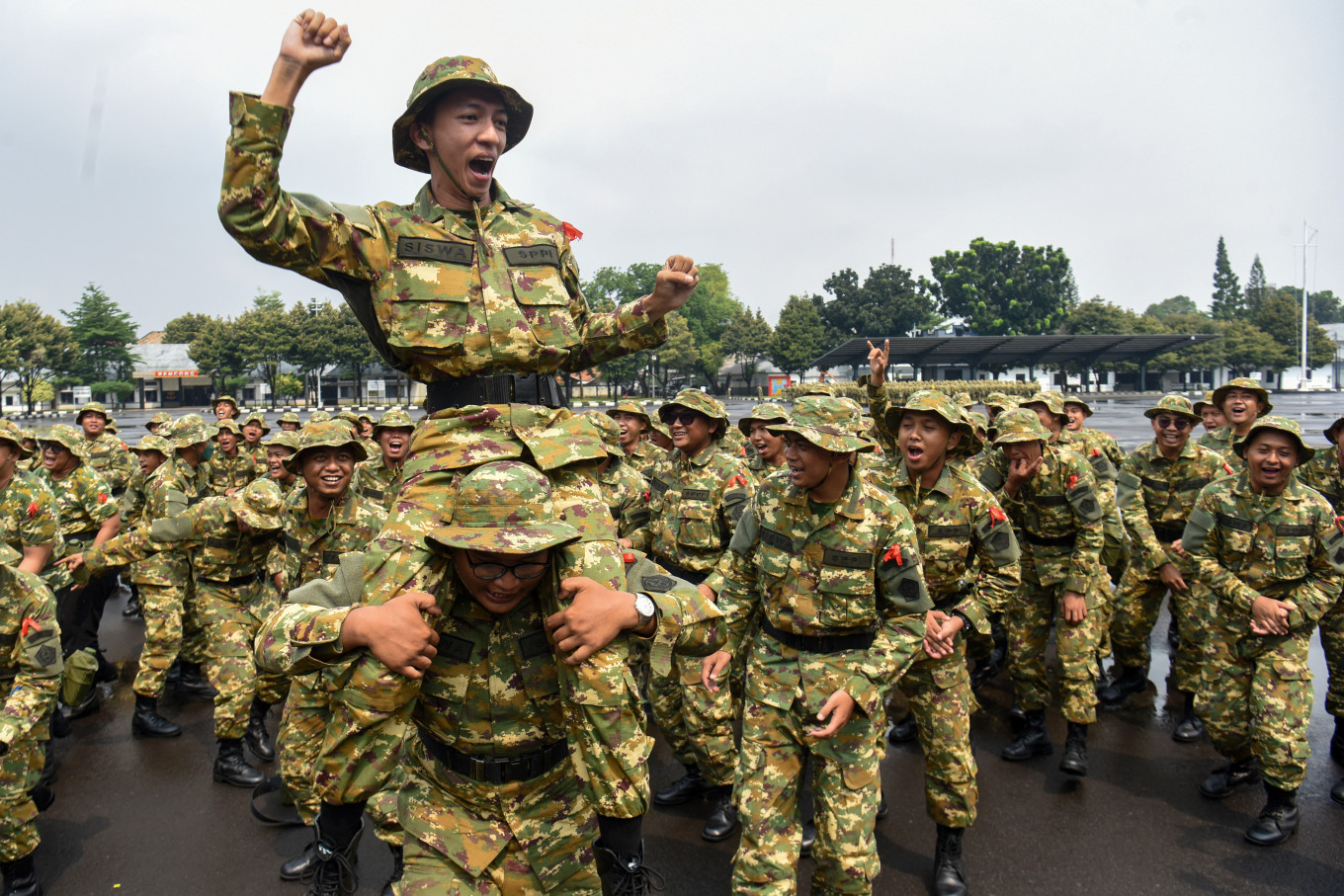
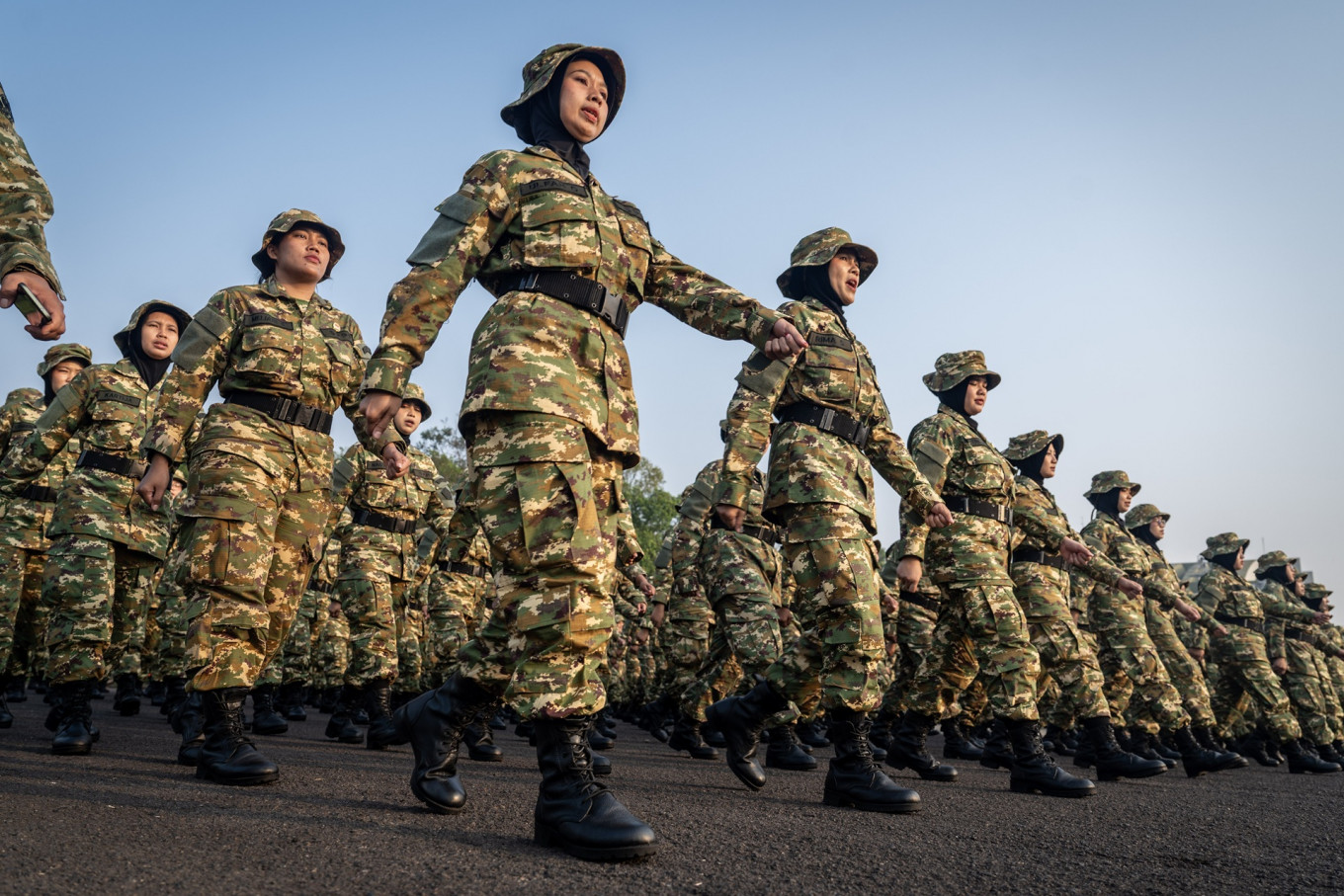
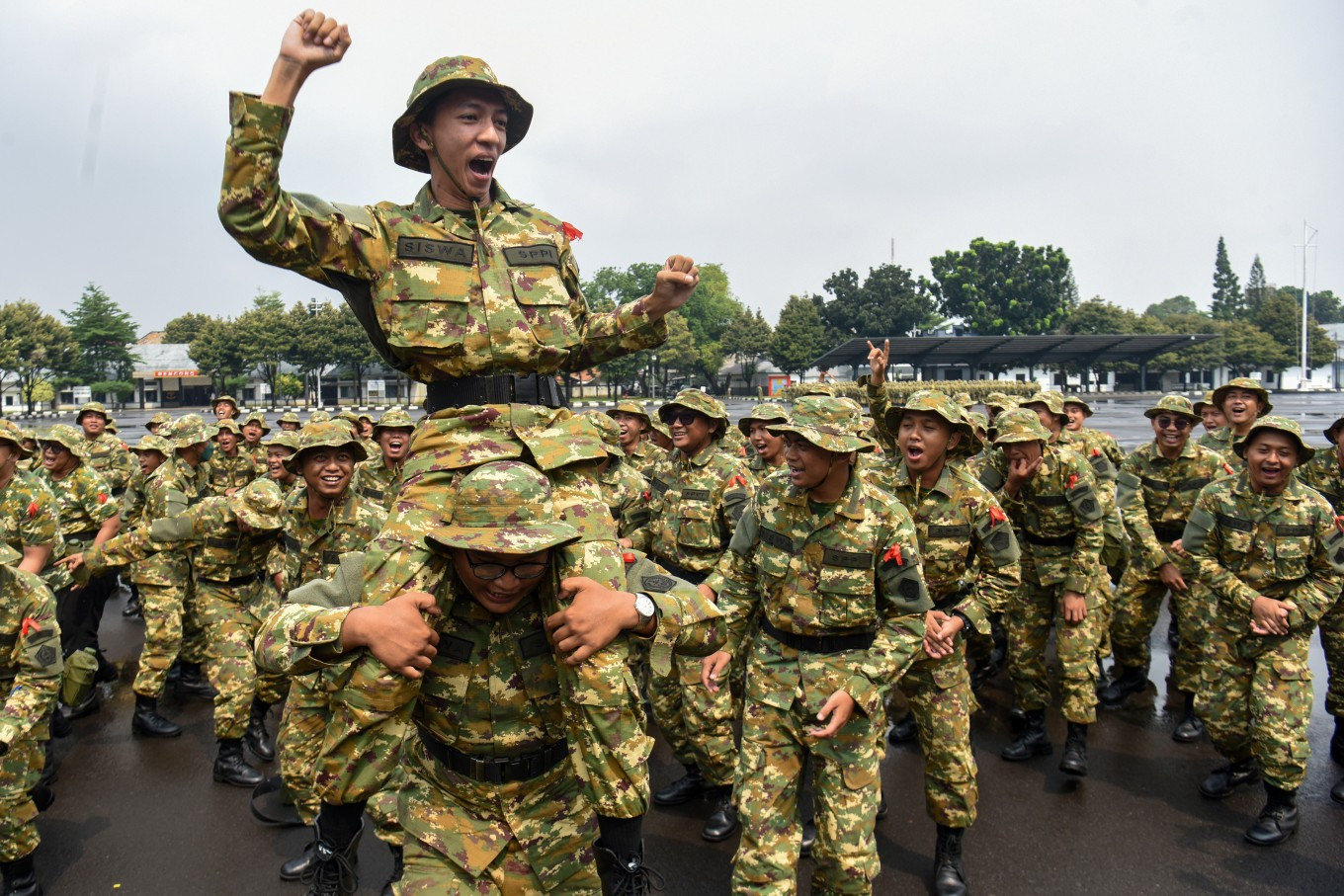
Participants in basic military training for prospective managers of the Red and White Cooperatives program chant slogans at the 1st Marine Infantry Brigade in Cilandak, Jakarta on June 25, 2026. ( Antara/Indrianto Eko Suwarso)
The controversy over military-style training for candidate managers of the Red and White Cooperatives and Fisherman’s Villages programs points to something larger than a single policy failure: the steady expansion of the Indonesian Military (TNI) into civilian governance and economic management. While the deaths of five civilian trainees has sparked public alarm, the deeper concern is how state institutions are being reshaped around military discipline and authority.The cooperatives program aims to build roughly 80,000 cooperatives nationwide to boost rural economies, distribute subsidized goods and support a target of 8 percent economic growth by 2029. To manage this vast network, around 35,000 prospective managers were required to complete 45 days of military-led training at TNI facilities.
Officials describe the training as necessary for building discipline, leadership and shared national values among future managers. But relying on military institutions for this purpose raises real questions about institutional boundaries and whether military methods belong in economic management.