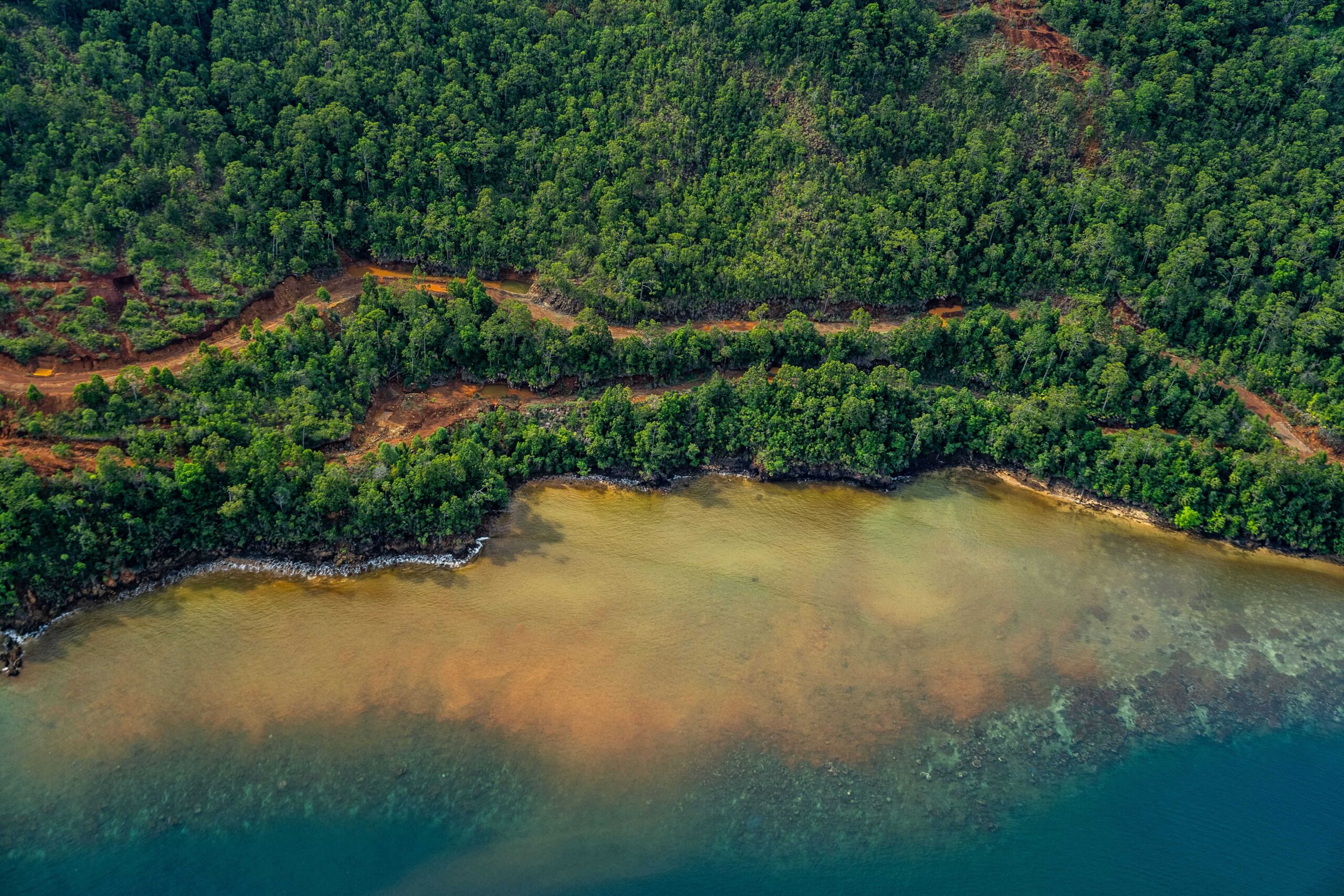
The Indonesian archipelago of Raja Ampat is home to some of the world’s richest marine biodiversity.A year ago, the Indonesian government suspended mining activities for review and later revoked the permits of four of the five nickel companies operating in Raja Ampat following a public backlash.According to a new Greenpeace report, Raja Ampat remains vulnerable to nickel mining, with three companies still pursuing mining rights on its largest island and state-owned PT Gag Nikel continuing to operate.
JAKARTA — Raja Ampat, one of the world’s most biodiverse marine regions, remains under pressure from Indonesia’s expanding nickel industry as three companies continue to seek permission to develop nickel projects in the archipelago, according to a new Greenpeace report.
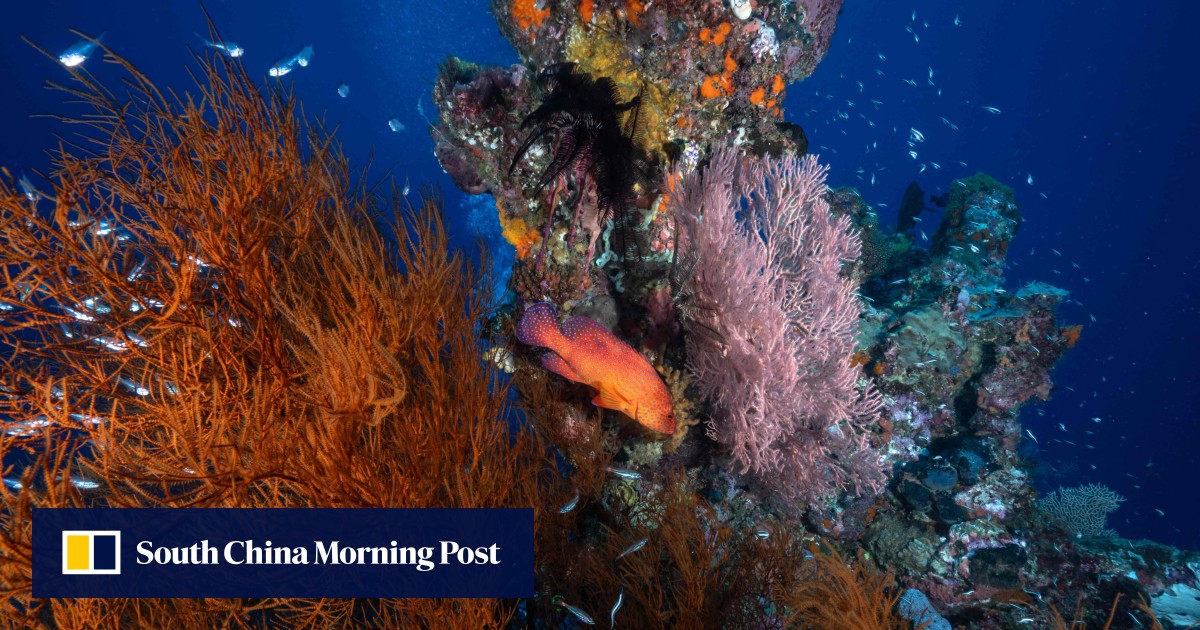
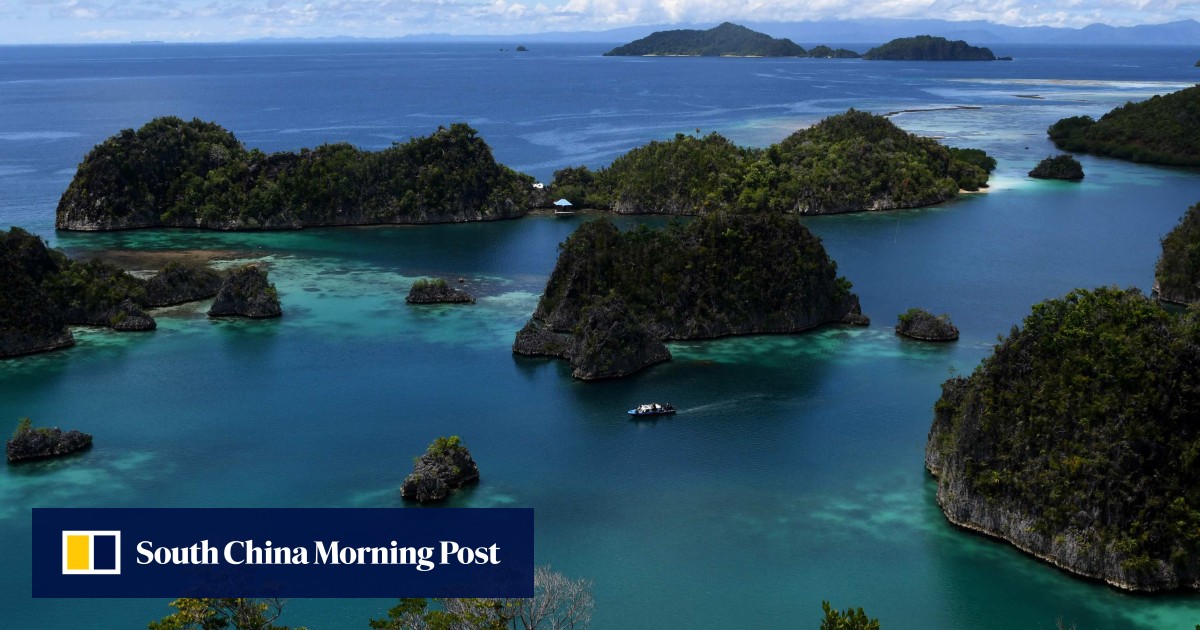
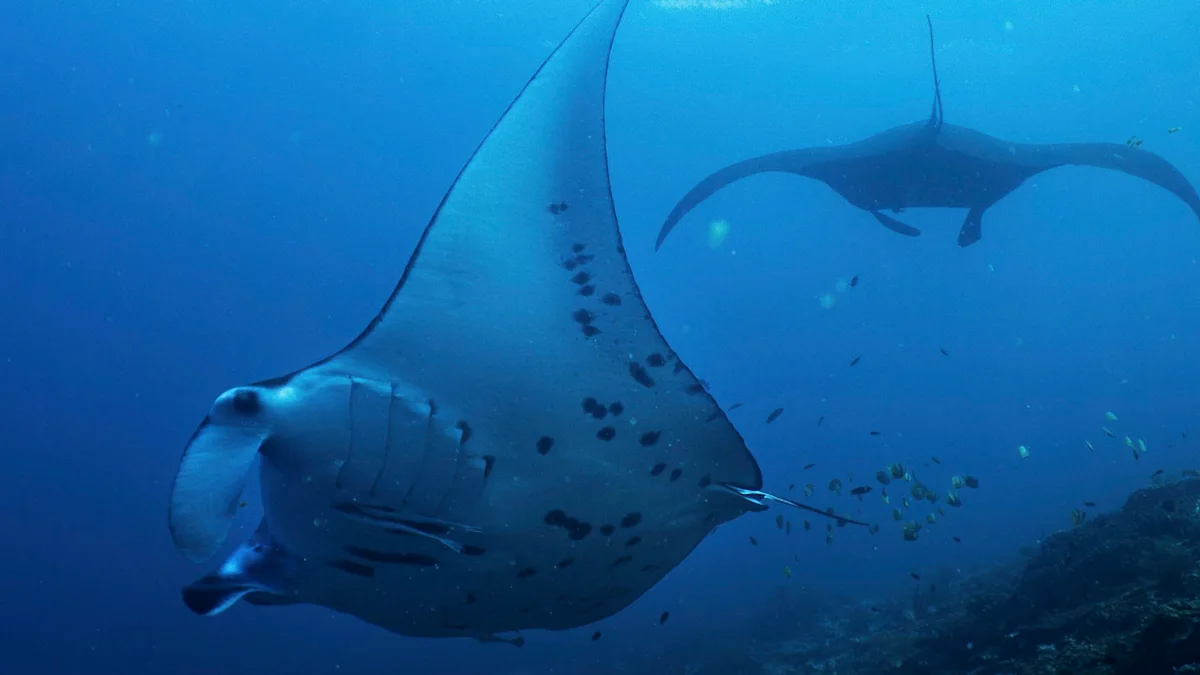
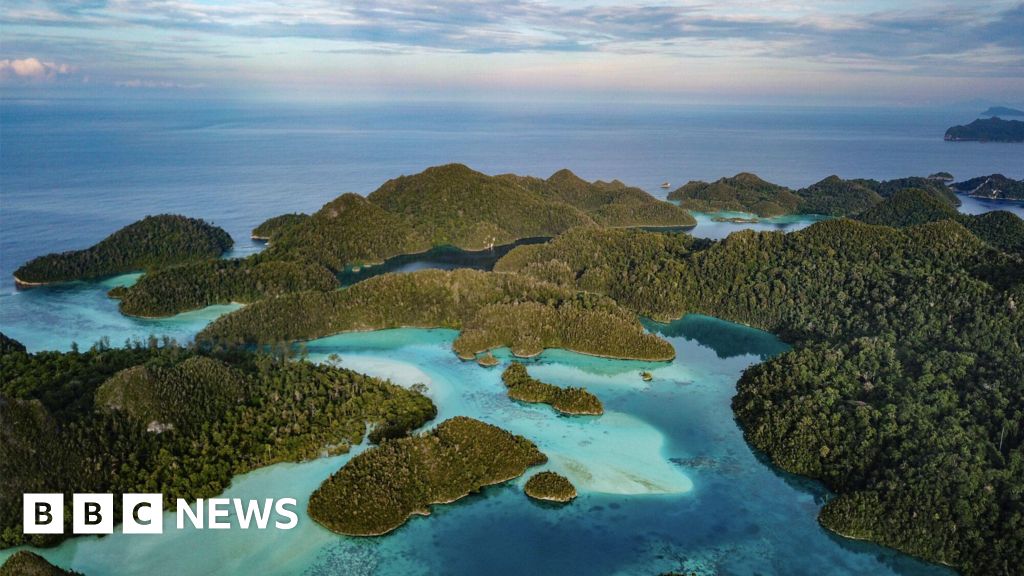
Located in the heart of the Coral Triangle, in Indonesia’s easternmost Papua region, Raja Ampat hosts some of the planet’s richest marine biodiversity, including around 75% of the world’s known coral species, earning it the nickname “the Amazon of the Seas.”
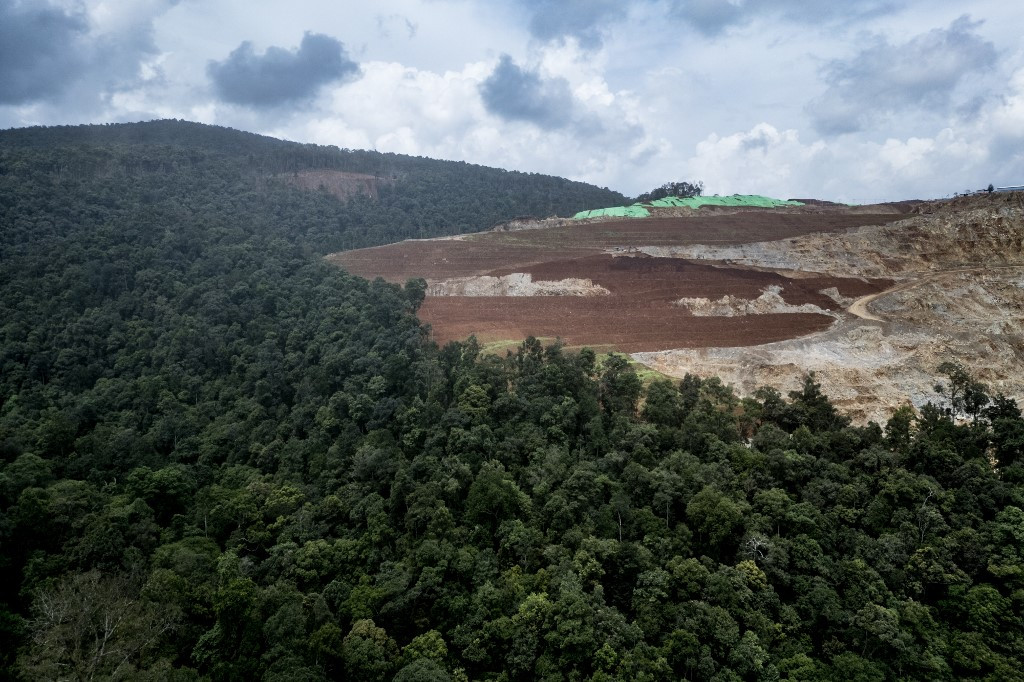
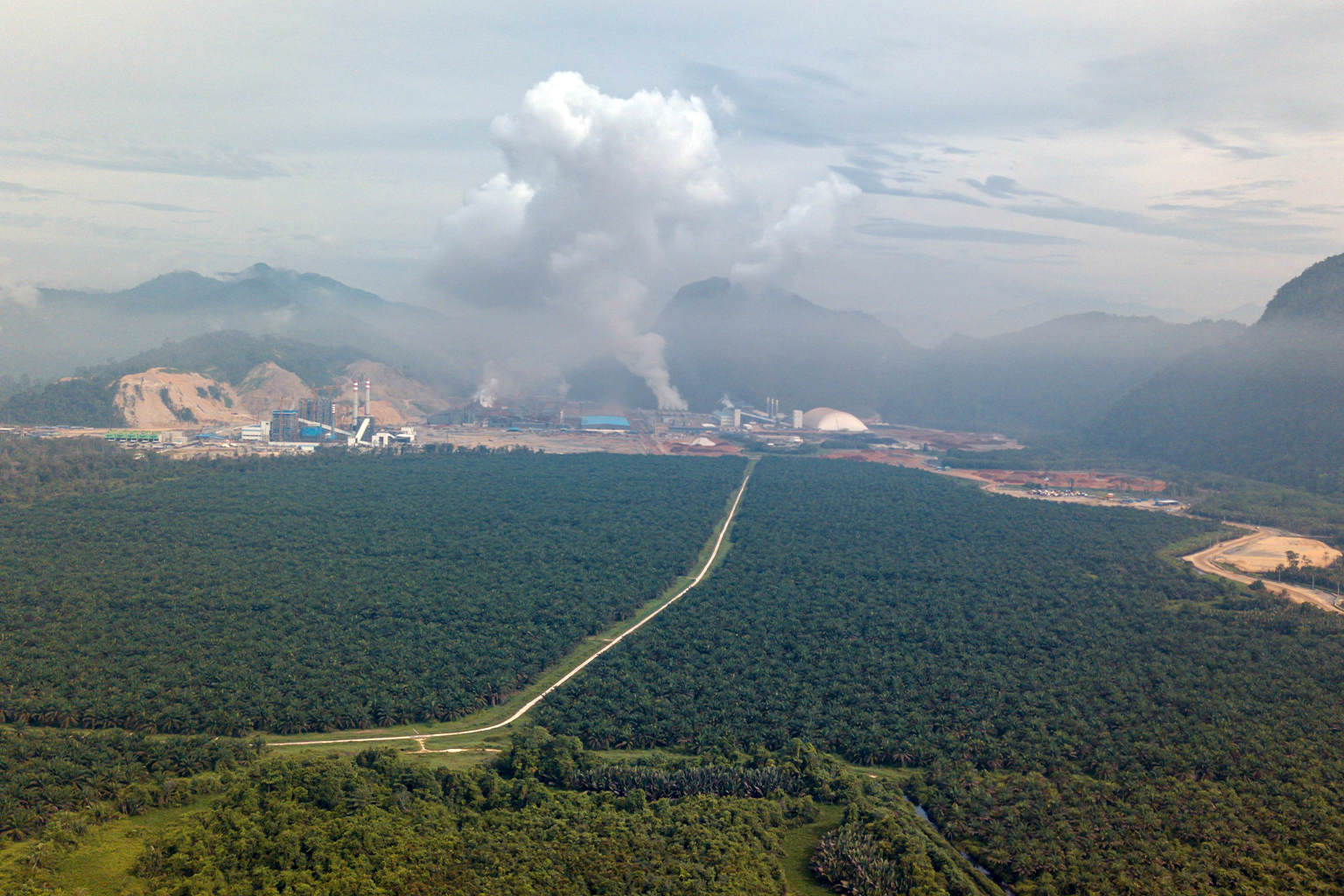
Public concern over nickel mining in Raja Ampat erupted in 2025 after images showing forest clearing and environmental damage were shared widely on social media. A subsequent backlash prompted the Indonesian government to suspend mining operations and later revoke four of the region’s five nickel mining permits, leaving only the state-owned PT Gag Nikel mining company in operation in the region.