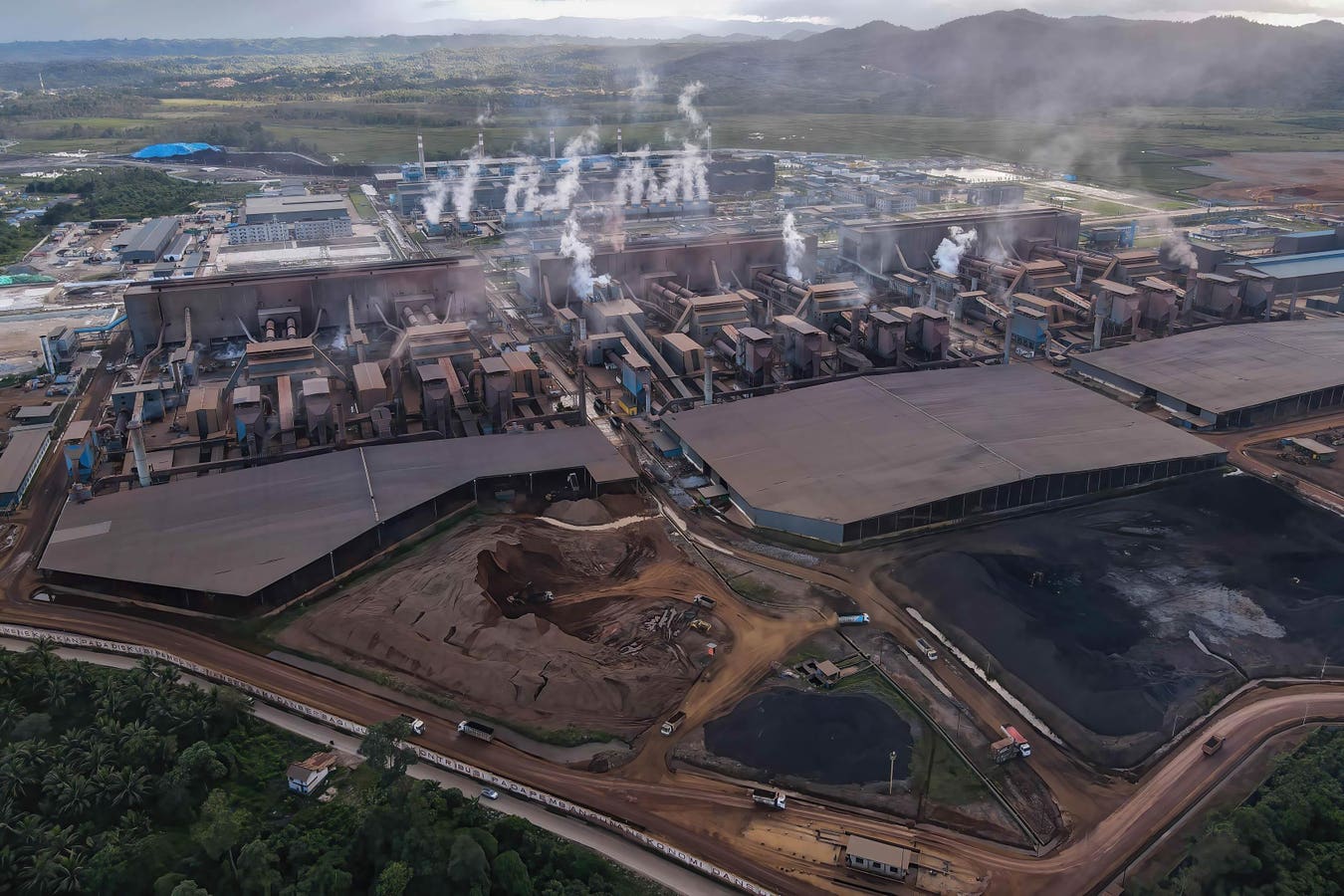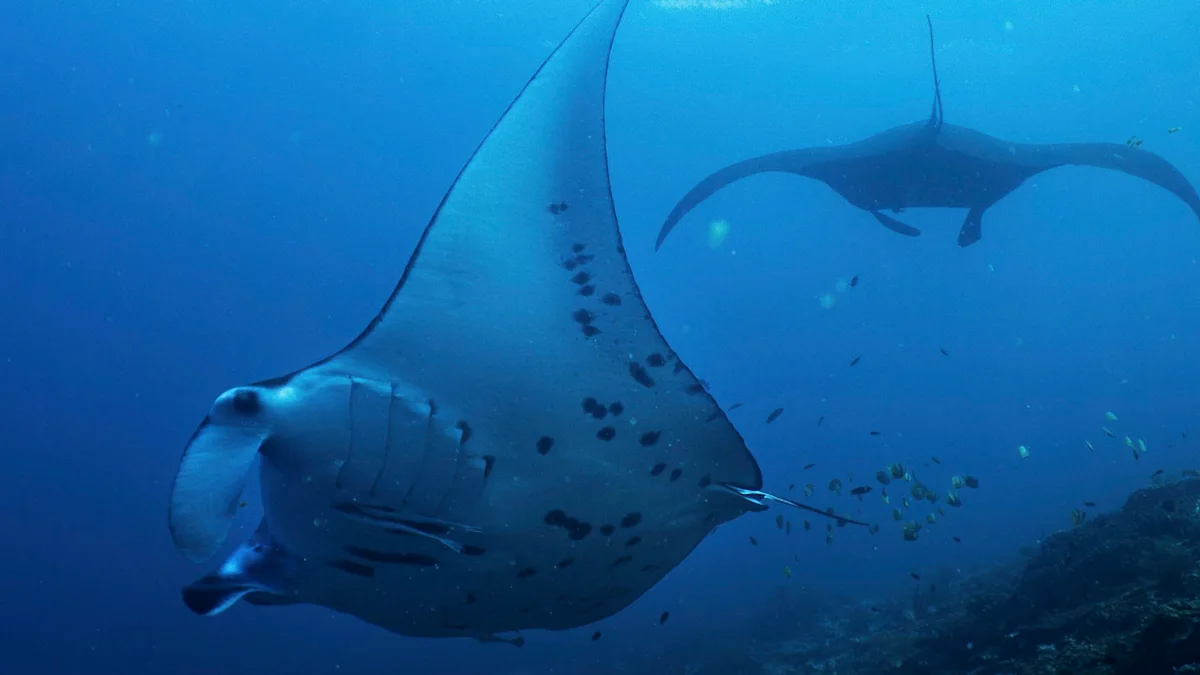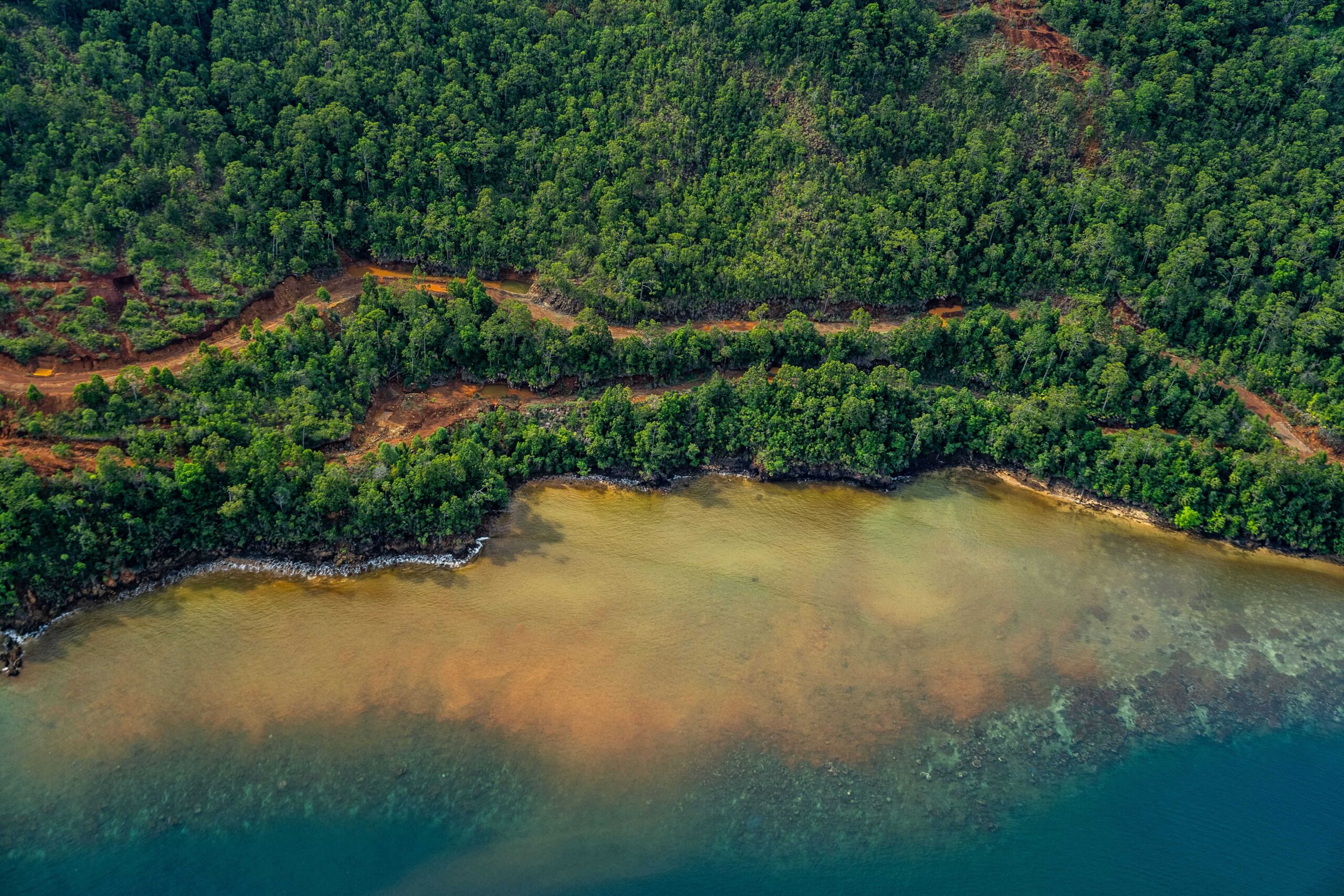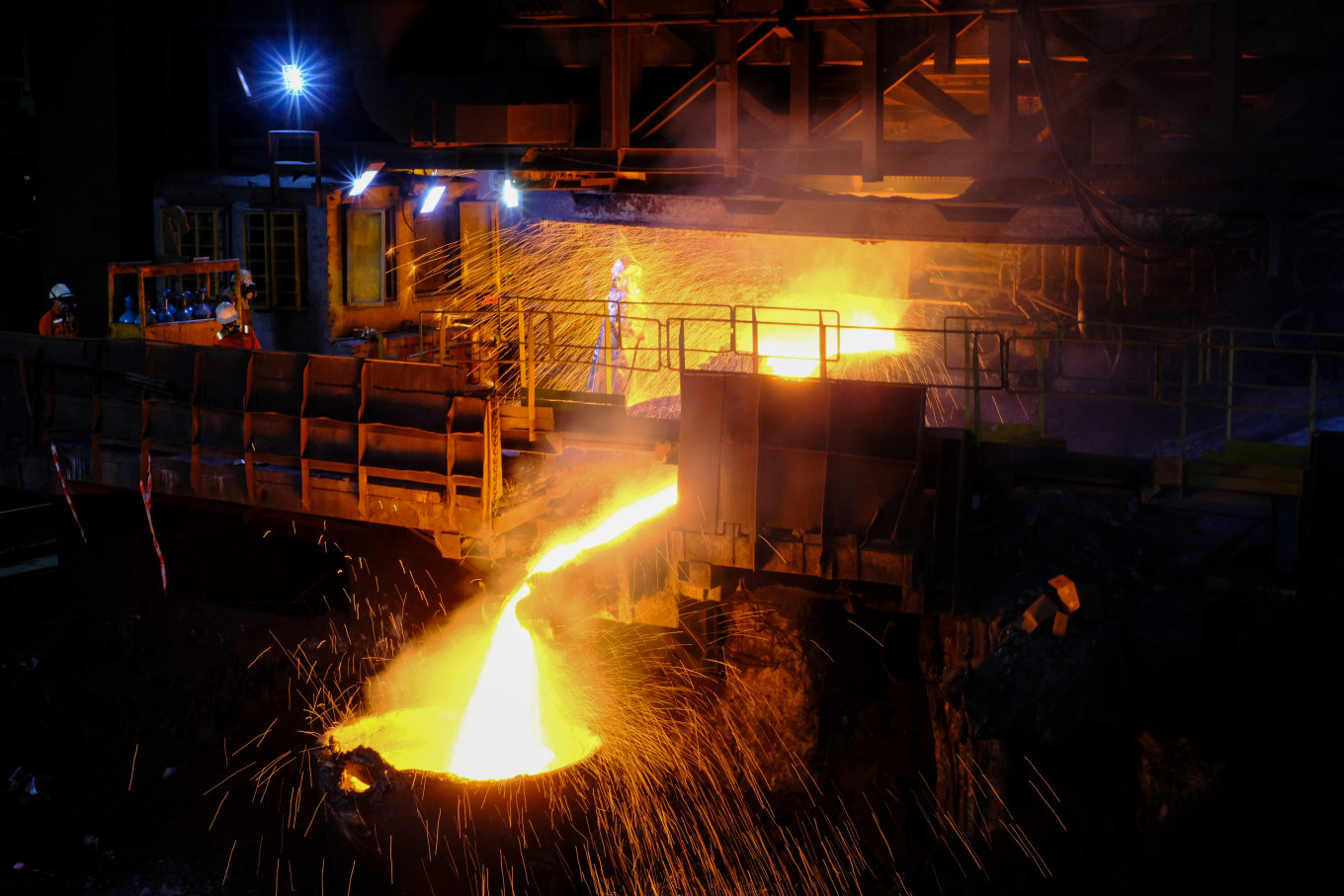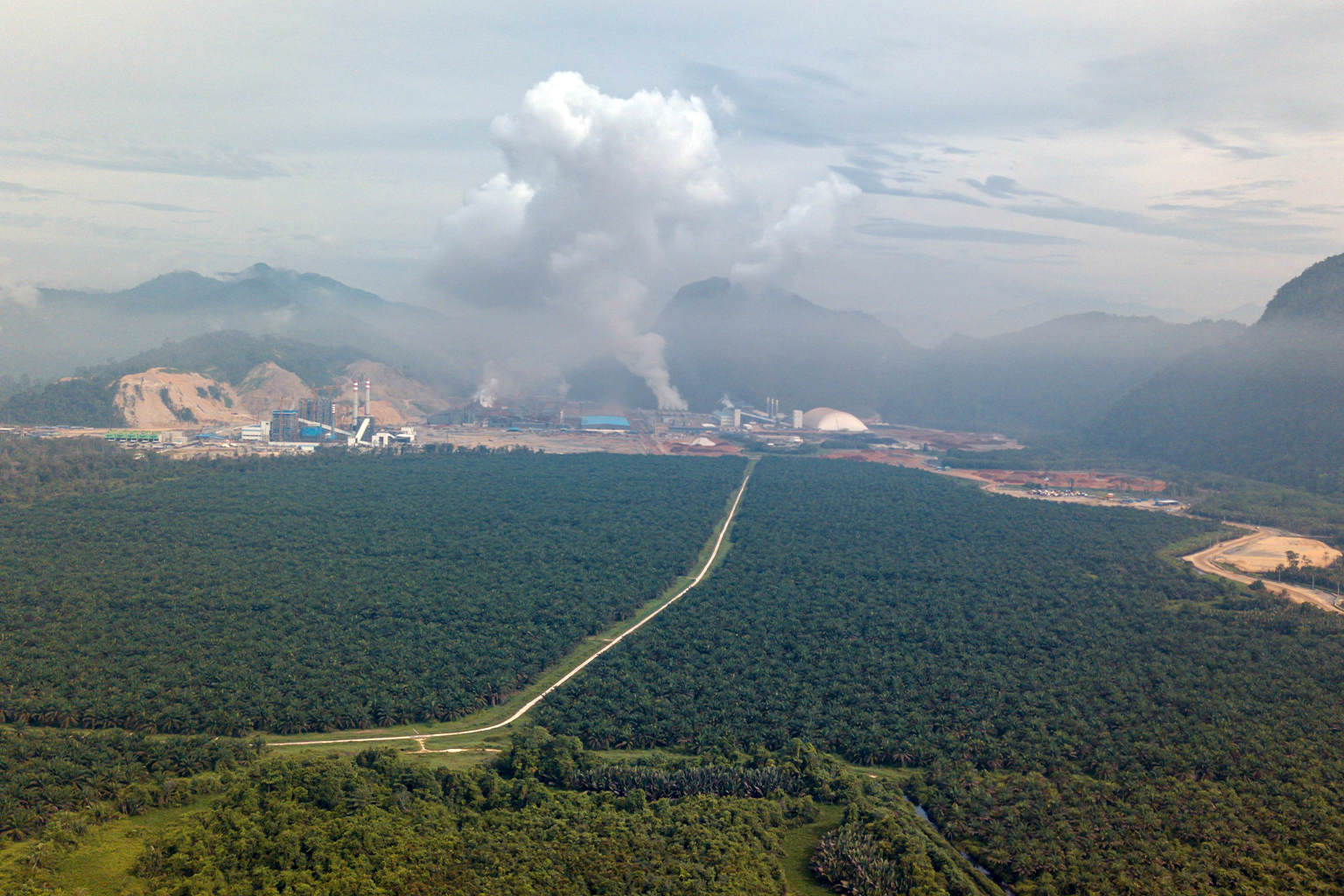
Indonesia holds the world’s largest nickel reserves and has rapidly expanded production, which a new study says has grown roughly tenfold over the past decade.Nickel mining can fragment wildlife habitat as mines, roads and associated infrastructure expand, threatening biodiversity in areas of global conservation importance.Researchers say protecting the most important biodiversity and carbon areas could substantially reduce environmental risks, but doing so could also constrain nickel supply.Even with greater adoption of low- or no-nickel battery chemistries, total nickel demand could continue to grow because the metal is also used extensively in stainless steel, renewable-energy infrastructure and other applications, the study notes.
JAKARTA — Indonesia’s nickel boom is colliding with its efforts to protect biodiversity and reduce emissions from forests and other land uses. A new study warns that meeting growing global nickel demand could increasingly put some of the world’s most important ecosystems at risk.
A study published in Nature Ecology & Evolution focuses on the trade-offs between meeting future nickel demand and protecting areas important for biodiversity and carbon storage. The researchers found that 44% to 49% of projected nickel demand between 2025 and 2050 could be met by mines located in the world’s top 10% of terrestrial areas for biodiversity and carbon conservation.