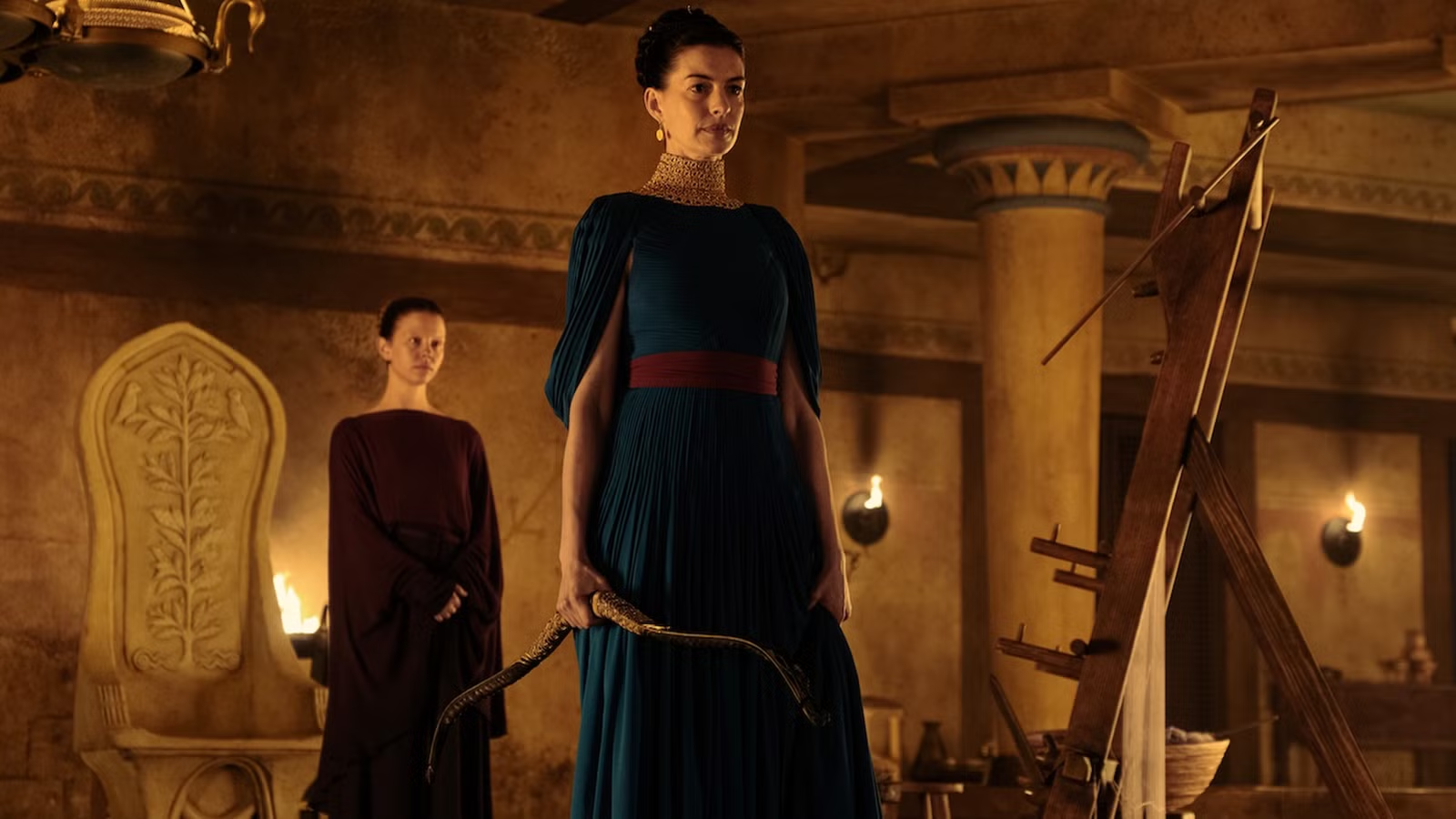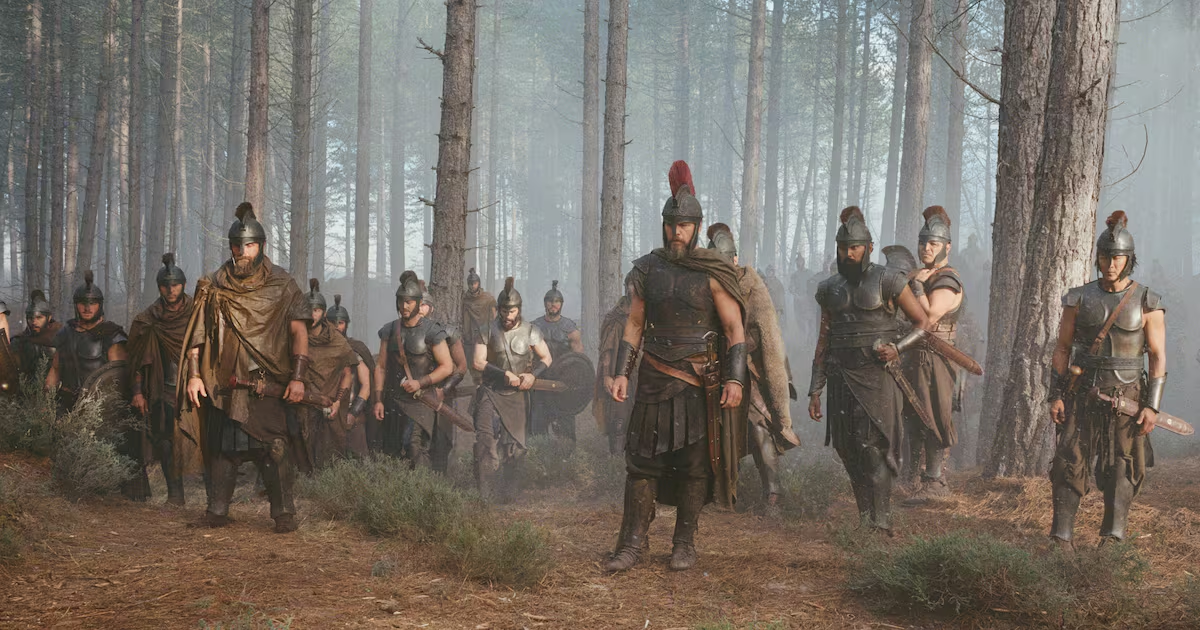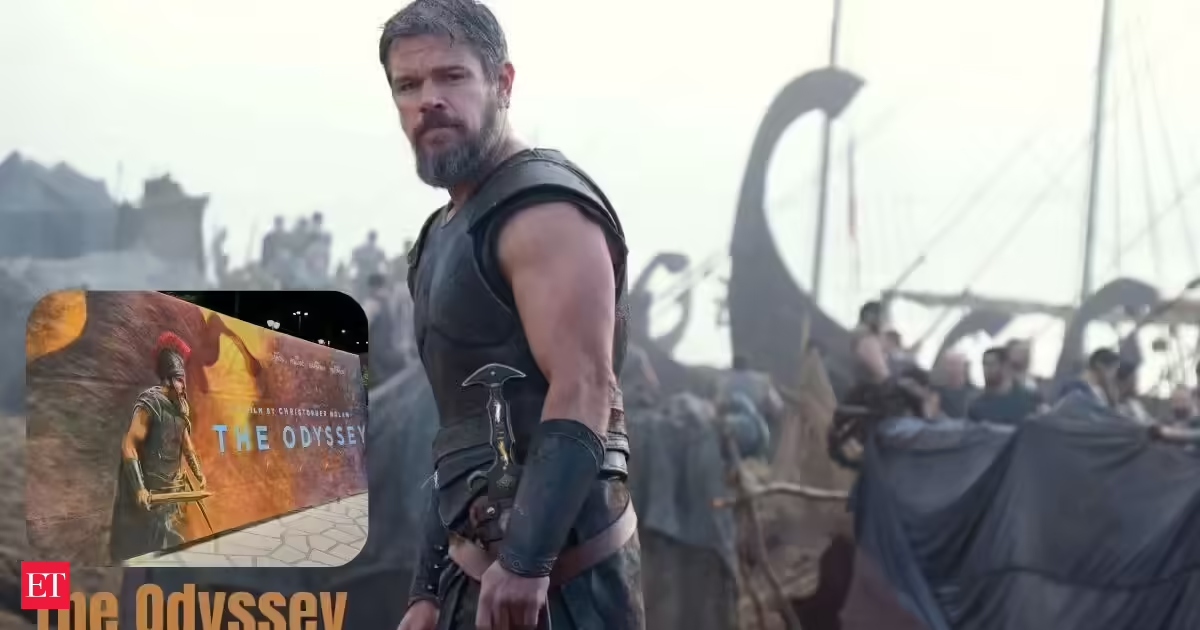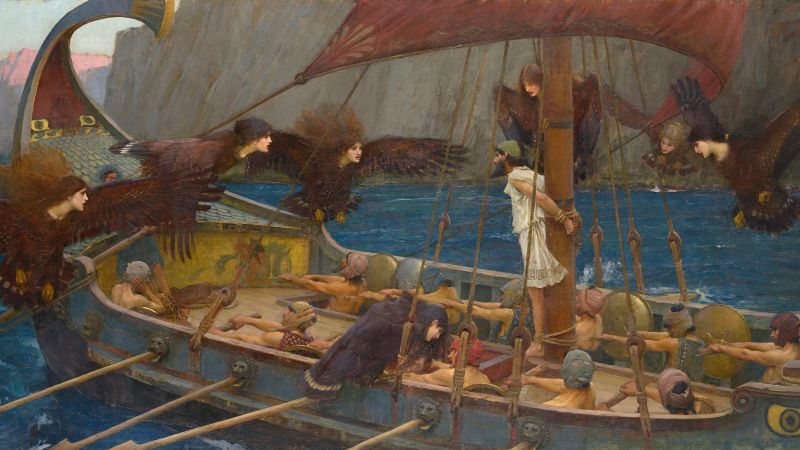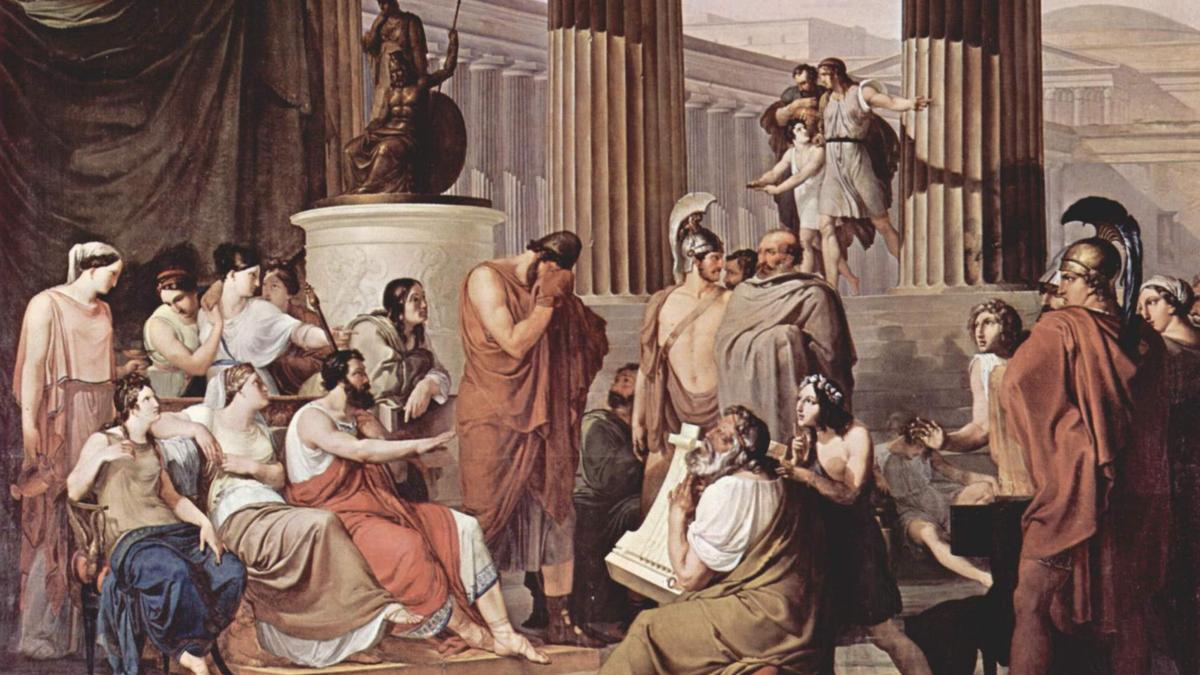
We read Homer’s ‘The Odyssey’ when we were in school, about King Odysseus of Ithaca who joined other Kings in the Trojan war. It took King Odysseus ten long years to make it back home to Ithaca. We remember the captivating, epic story of love, honour, betrayal, loyalty and redemption. The adventures of King Odysseus began with the narrative of ‘the face that launched a thousand ships’. Helen of Troy was known in Greek mythology as the most beautiful woman in the world. She was the daughter of the God Zeus and Leda. Many Greek Kings wanted her, and she ended up with King Menelaus of Sparta. The myth was not clear if Helen fell in love with the visiting Trojan Prince Paris and eloped with him, or if he kidnapped her.
What is without doubt is the rage of her husband and his determination to get her back. A massive Greek fleet was assembled by King Menelaus and his allies, and they proceeded to lay siege on Troy. Reading Homer’s ‘The lliad’, as a child who was being educated in a post-colonial, commonwealth country, it is no surprise that right from the time I learnt about these characters, the image of Helen of Troy was one of a white woman. Who else would have a face that could launch a thousand ships? When Hollywood produced the Cleopatra epic in 1963, there was no outrage, when Elizabeth Taylor was cast as Cleopatra. Cleopatra existed for real, she was not a mythical character like Helen of Troy, yet the most acceptable face to portray her was a Caucasian actress.