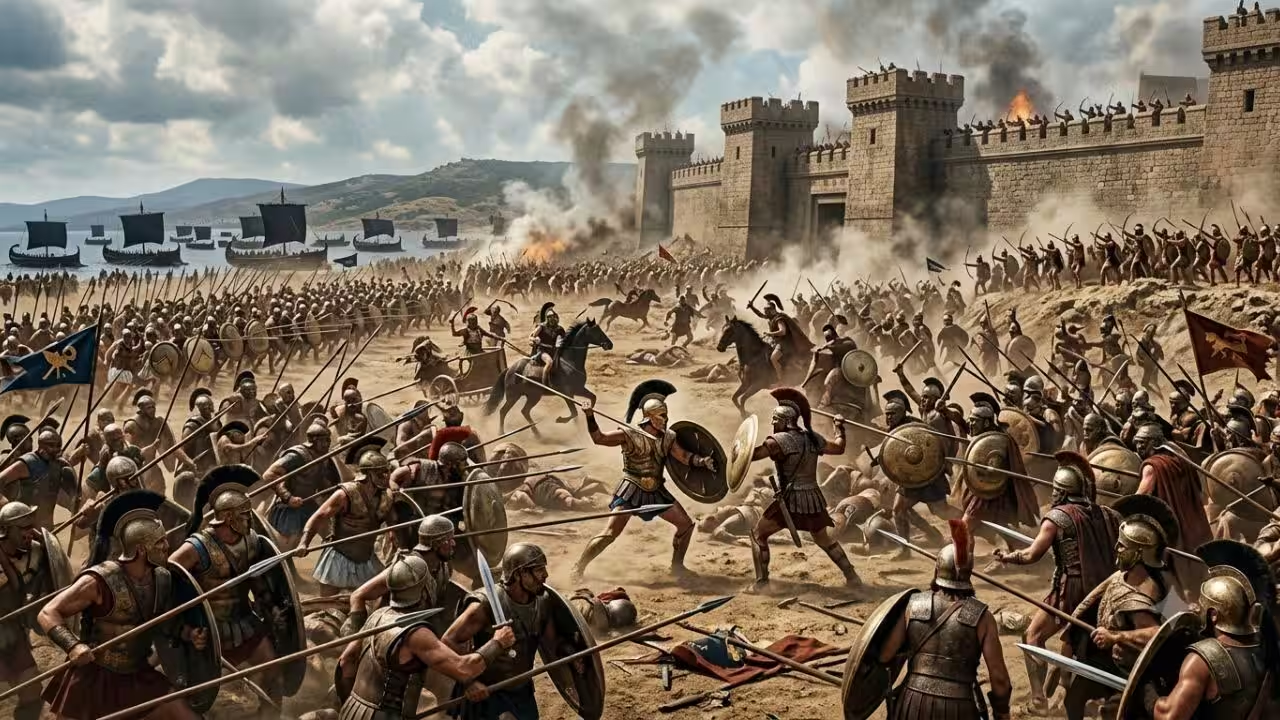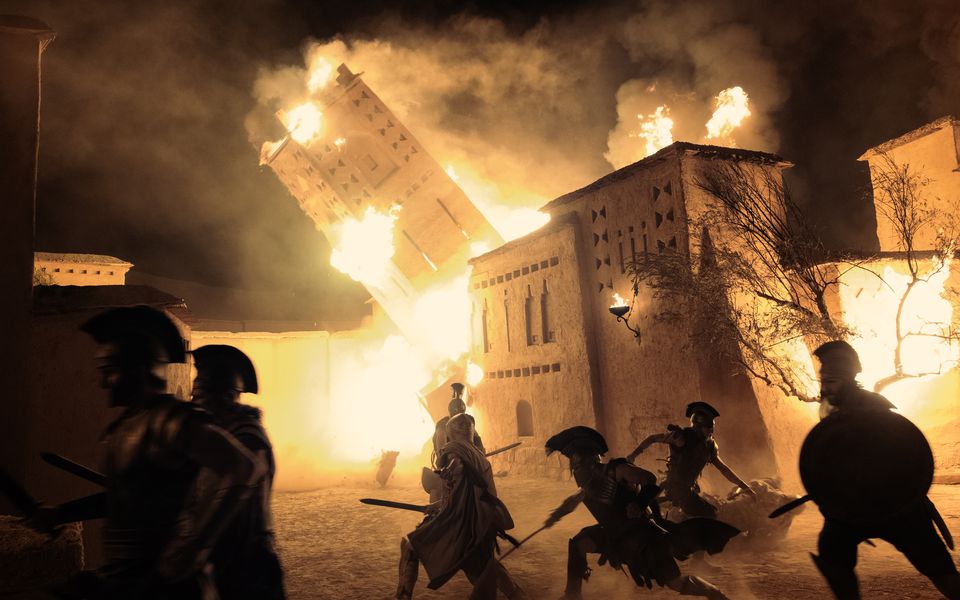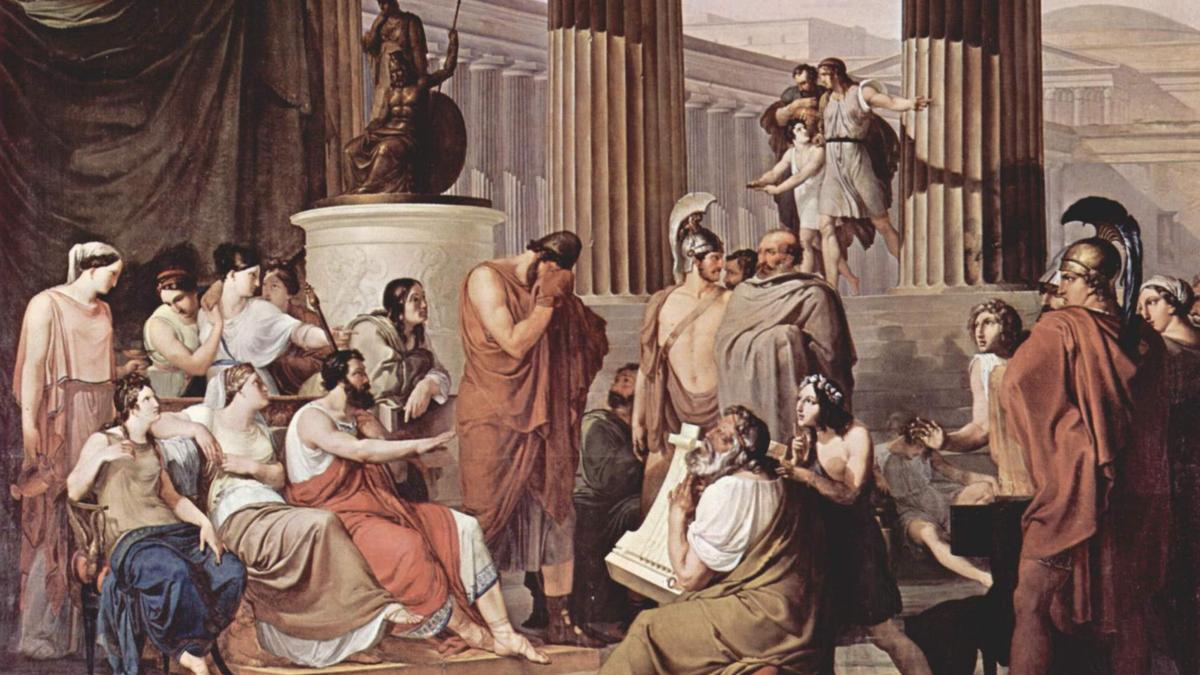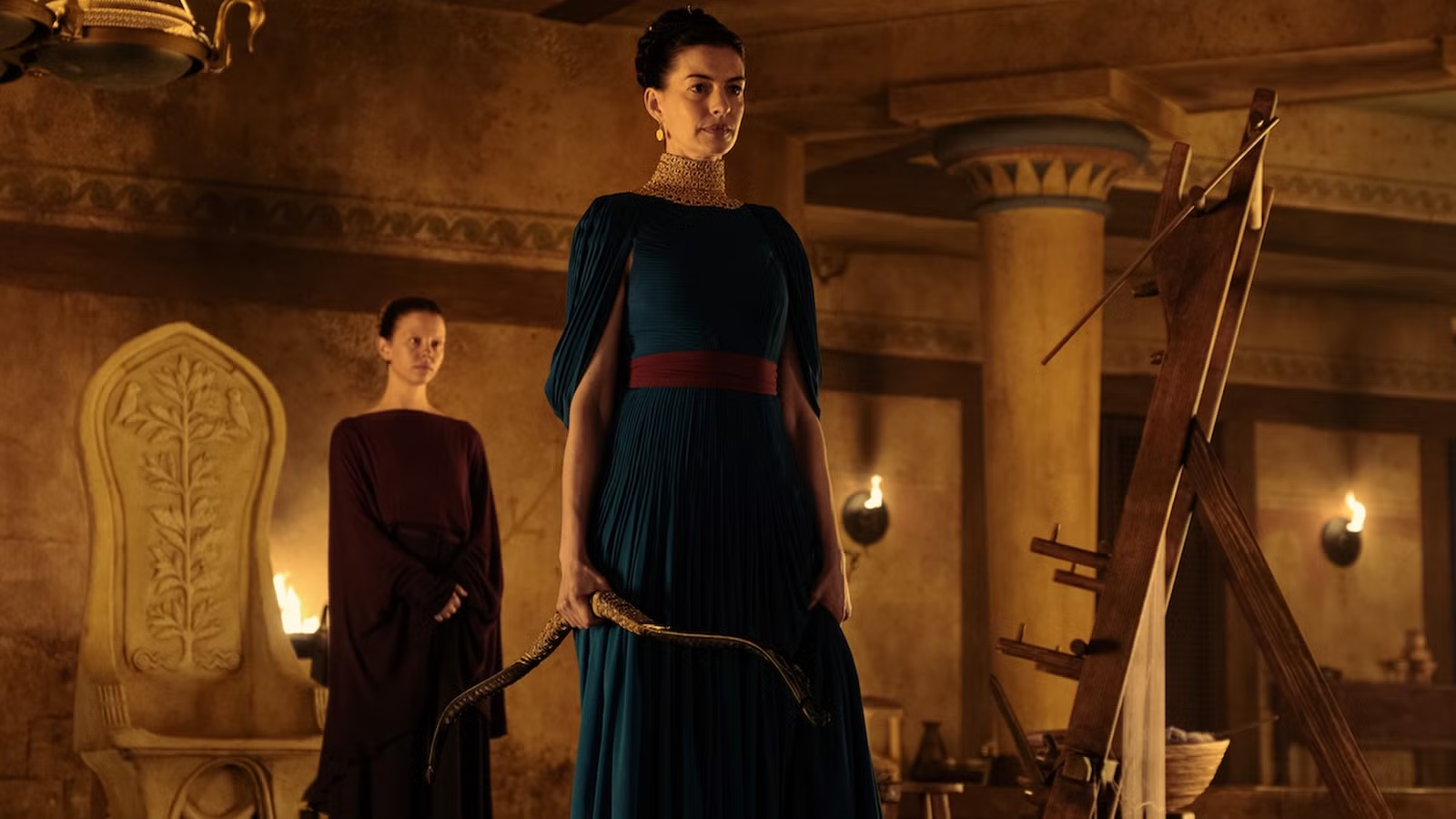
When The Odyssey begins, the war has already ended. Troy has been captured. The remaining Greek ships have set sail for their homes. The songs have started to turn the battlefield into legend. Odysseus is still missing. For that reason, Homer's poem has a different effect after having served in the military. Many veterans know this feeling deeply: the war may be over, but the real challenge begins with returning to a world that has changed in their absence. The hero's main problem is no longer one of winning a war but instead finding his way back to a family that has learned to live without him and to a home he may no longer recognize. The journey involves monsters, shipwrecks and angry gods, but its most lasting question is a quieter one: what occurs when the individual who goes off to war is not the same person who returns? The psychiatrist Jonathan Shay spent many years working with veterans of the Vietnam War and examined this issue in his book Odysseus in America: Combat Trauma and the Trials of Homecoming. He interprets Homer's epic as a tale of the lengthy, damaged, and at times incomplete journey back from war and believes that the abilities which helped a person survive in combat can cause problems when they continue to function in civil life. The Odyssey is almost 3,000 years old, yet these seven lessons have not changed much since the story was first committed to the written form.
Odysseus' Homecoming: The Hidden Struggles of Returning Veterans
Discover the unexpected parallels between Homer's epic 'The Odyssey' and the challenges faced by veterans returning from war. The journey home is just as perilous as the battlefield.
1,900 words~9 min read