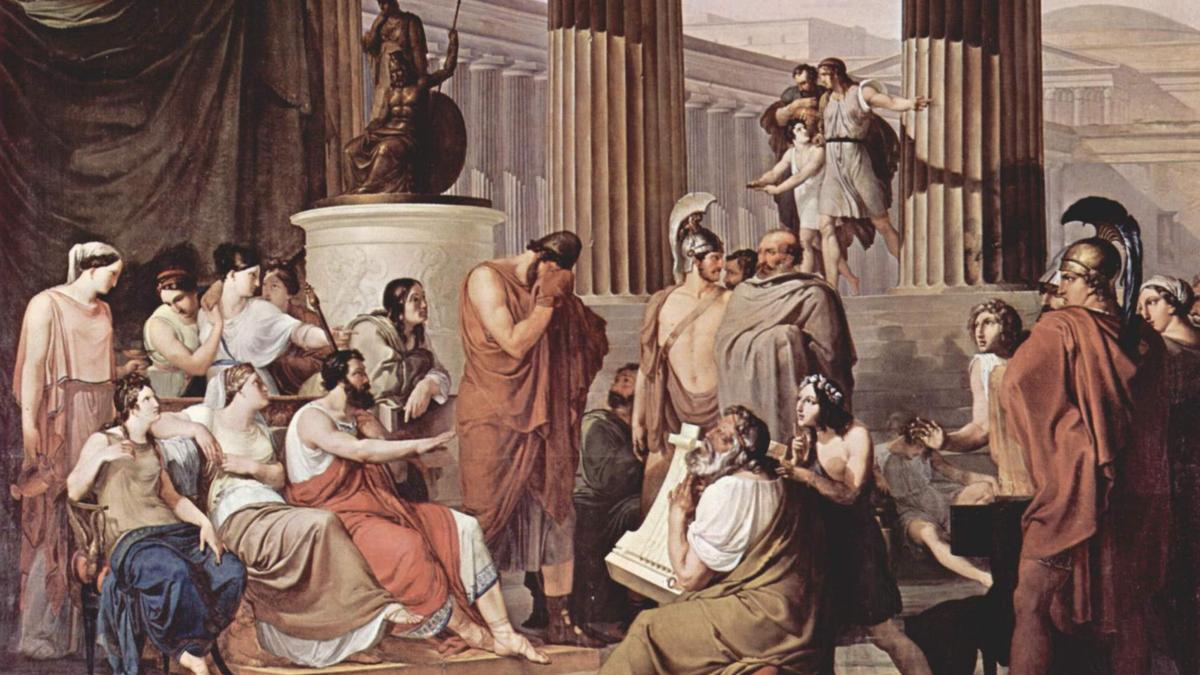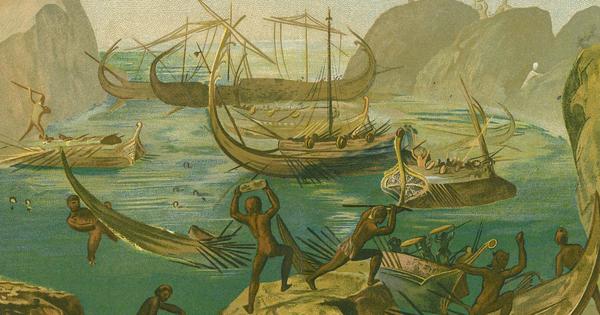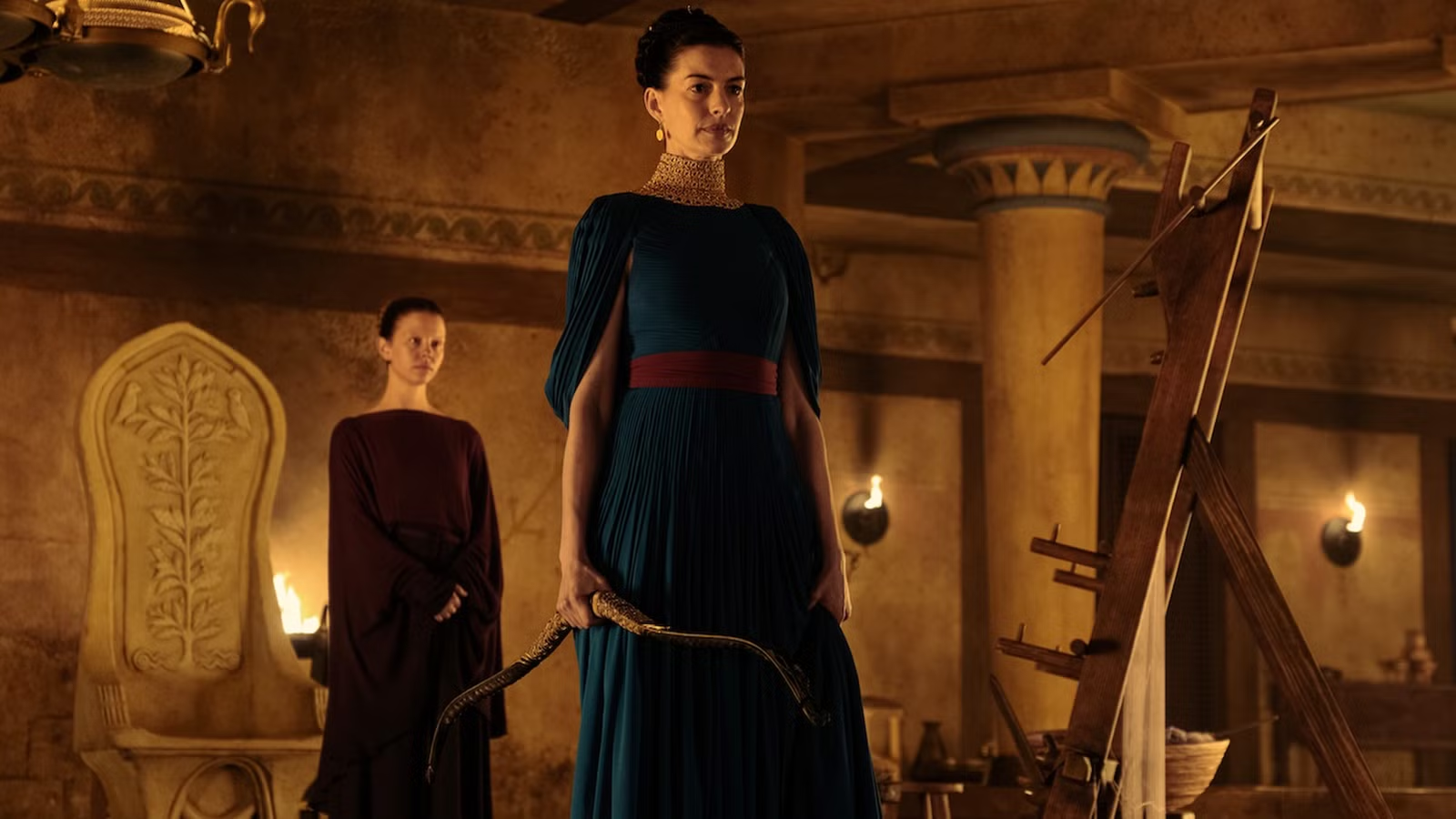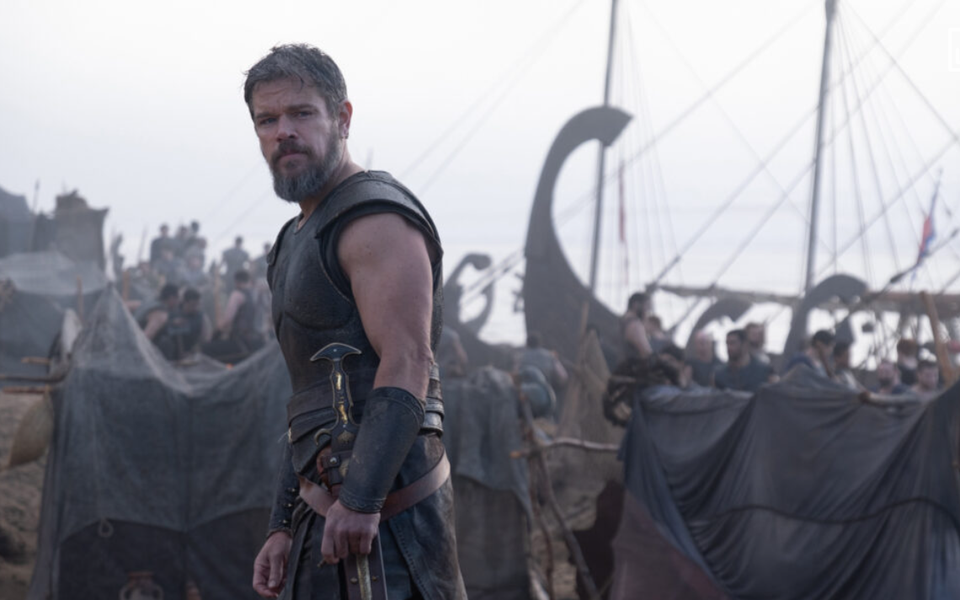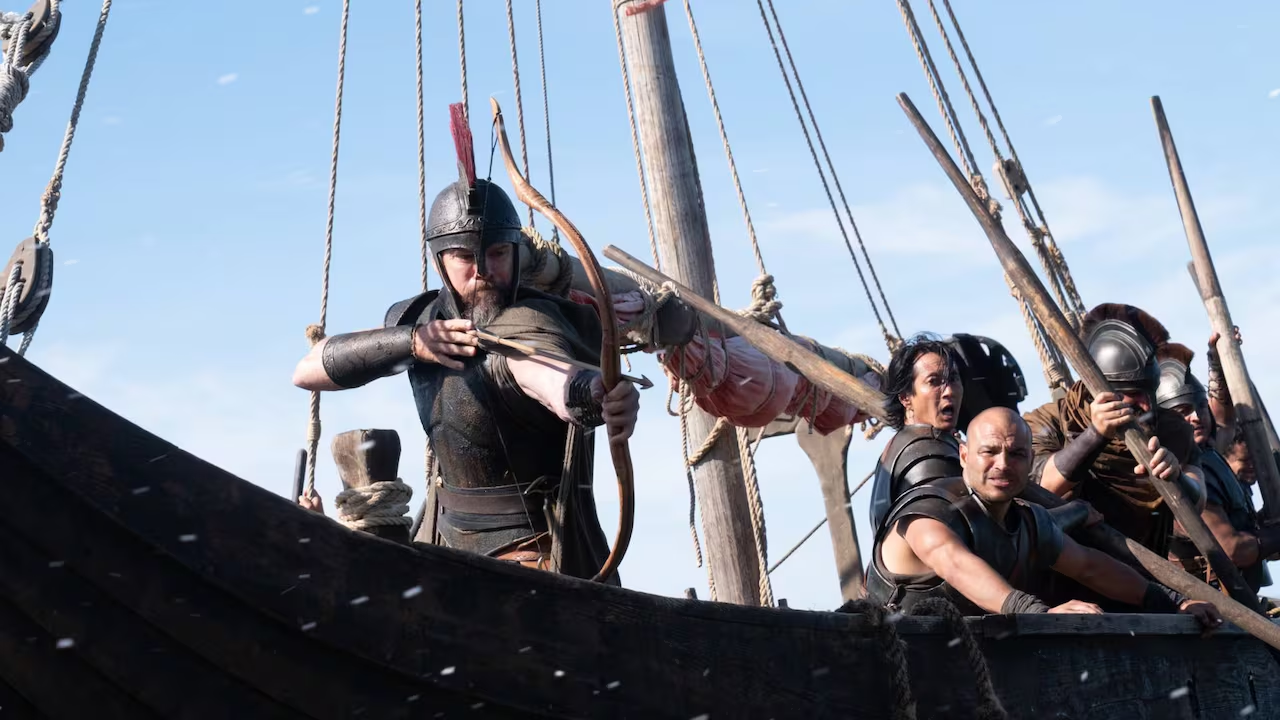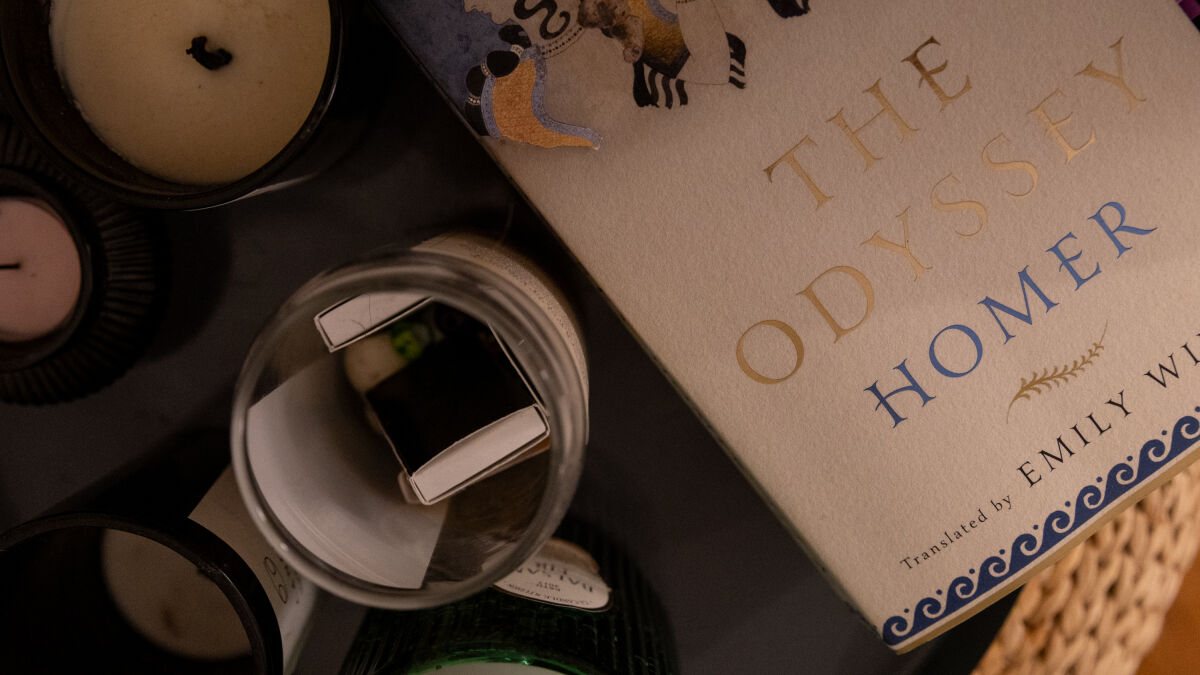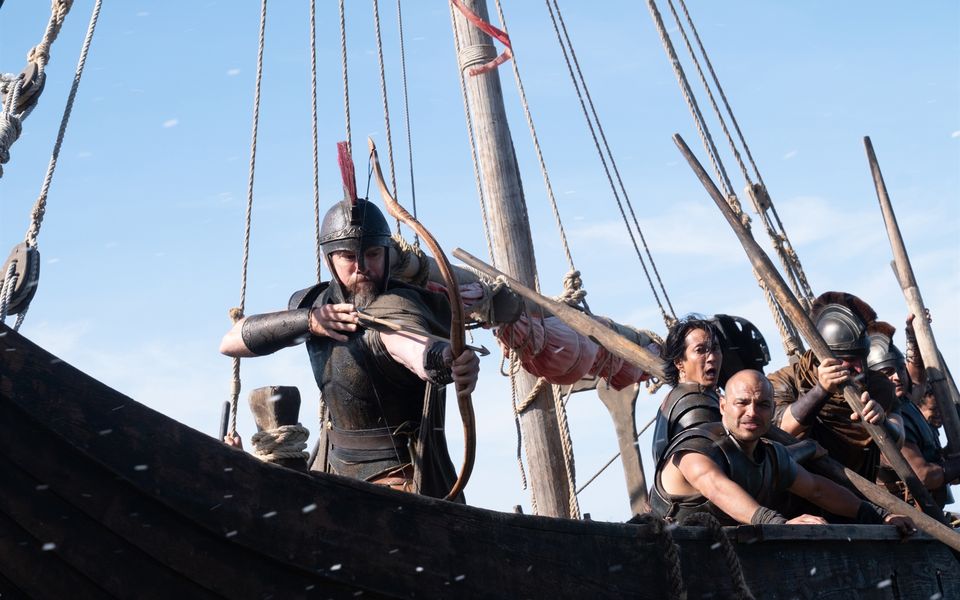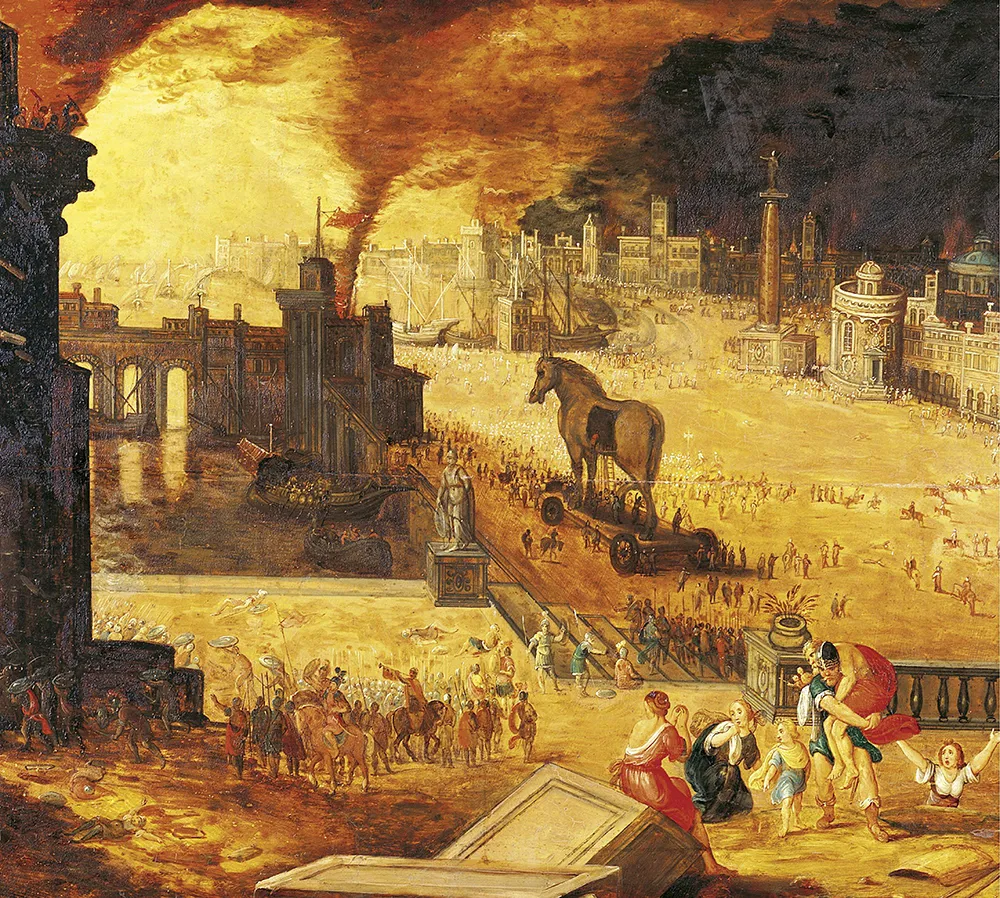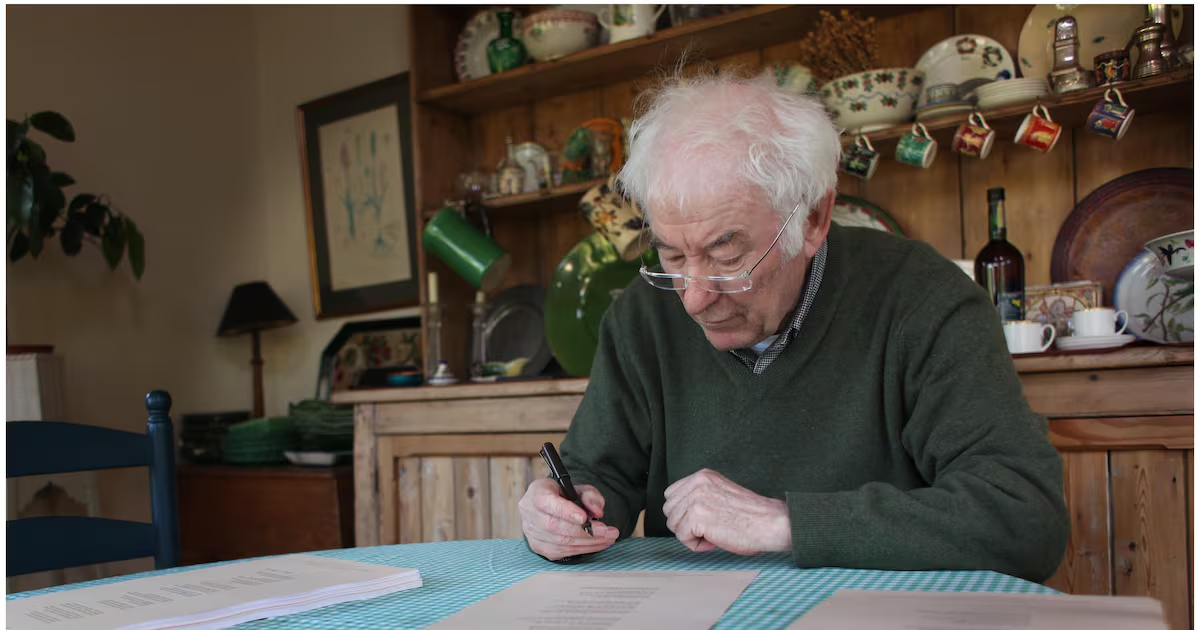
“There is a stranger outside your house,” writes classicist Emily Wilson in the final paragraph of her 91-page introduction to her own translation into 21st century English of Homer’s ancient Greek epic poem The Odyssey. “He is old, ragged, and dirty. He is tired. He has been wandering, homeless, for a long time, perhaps many years,” she says.Dialogue from some of Wilson’s straightforward translation of the poem is used in this summer’s Hollywood blockbuster film version, which cost an estimated $250 million to make. It is directed by Oscar winner Christopher Nolan, who made the acclaimed Oppenheimer and Dunkirk. It stars Matt Damon as Odysseus and Anne Hathaway as his wife Penelope, with Tom Holland as their only son Telemachus. It’s the second cinematic retelling of the bronze age tale in two years, following The Return, which starred Ralph Fiennes and Juliette Binoche. Emily Wilson is the latest in a long line of translators of The Odyssey, which dates from the eighth century BC, some 1,400 years before the earliest oral traces of Ireland’s Táin Bó Cuailnge. The Odyssey was first translated from ancient Greek to Latin in the 15th century, changing the hero’s name from Odysseus to Ulysses. Poet and dramatist George Chapman completed the first full English translation in 1615.The sonnet On First Looking into Chapman’s Homer (a Leaving Certificate higher level English paper staple until recent years) was composed in 1816 by the English Romantic poet John Keats after he had heard a friend reading Chapman’s translation aloud.Later translators include Alexander Pope and TE Lawrence, who became better known as Lawrence of Arabia. He was the son of a Co Westmeath landowner and an English governess. He described The Odyssey as “the oldest book worth reading for its story and the first novel of Europe”. His unabridged prose translation, published in 1932, was, by his own count, the 28th rendering of the story into English.The 1961 translation by Harvard University professor Robert Fitzgerald was for decades regarded as the classic version, selling more than two million copies in under 40 years. One of Fitzgerald’s friends and colleagues at Harvard was Seamus Heaney, who has drawn on Homer in his own poems. So have William Butler Yeats and Patrick Kavanagh.Emily Watson has written that her lifelong interest in The Odyssey was sparked as an eight-year-old schoolchild in England when she appeared as the goddess Athena in a production of the tale at St Barnabas Primary School in Oxford. She wrote that it “was a turning point in my life”. Likewise, James Joyce, who used The Odyssey as the skeleton on which he constructed his masterwork Ulysses, was captivated by the story as a schoolboy when he first read the children’s book The Adventures of Ulysses by Charles Lamb. [ The Odyssey is so conservative, I am half surprised it wasn’t written by Jacob Rees-MoggOpens in new window ]Homer may have been an individual or a collective name for the first people who wrote down accounts previously passed orally of Odysseus’ 10-year voyage home to Ithaca after he had masterminded the fall of Troy through his wooden horse ploy and his battlefield bravery. Homer is also credited with having written the companion epic The Iliad, which describes the final phase of the siege of Troy.The resident poet in The Odyssey, Demodocus, was given two gifts by the Gods, “sweet song” and blindness, like the 19th century Mayo-born poet Raftery, Raifteairaí an File, who spent most of his life in south Co Galway.At the unveiling of a headstone over Raftery’s previously neglected grave at Killeeneen, Kilcolgan, Co Galway, in 1900, a local person asked Lady Augusta Gregory of Coole Park, who had spearheaded the fundraising campaign, why the headstone carried only the single word Raiftearaí. She replied that the poet Homer was also known by a singular name.Emily Wilson’s reference to the “stranger outside your house” in her introduction’s final paragraph continues: “Invite him inside. You do not know his name. He may be a thief. He may be a murderer. He may be a god. He may remind you of your husband, your father, or yourself.“Do not ask questions. Wait. Let him sit on a comfortable chair and warm himself beside your fire. Bring him some food, the best you have, and a cup of wine. Let him eat and drink until he is satisfied. Be patient. When he is finished, he will tell his story. Listen carefully. It may not be as you expect.”
From Homer to Heaney: Ray Burke on Ireland’s enduring connection to The Odyssey
The Odyssey predates the earliest evidence for Ireland’s Táin Bó Cúailnge by around 1,400 years
746 words~3 min read