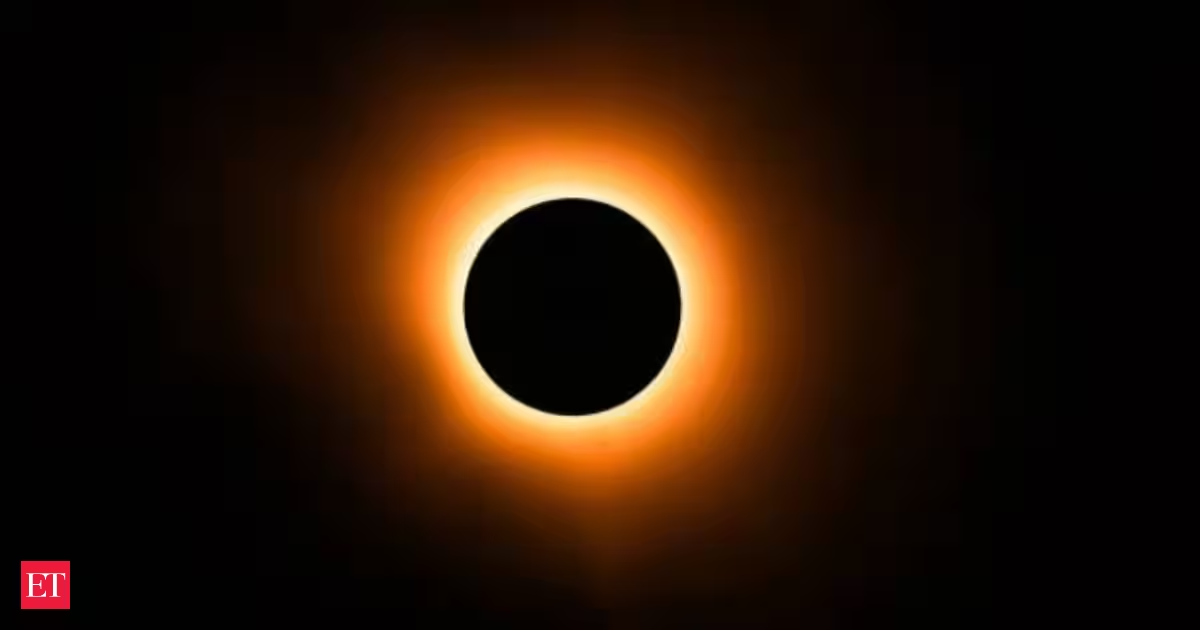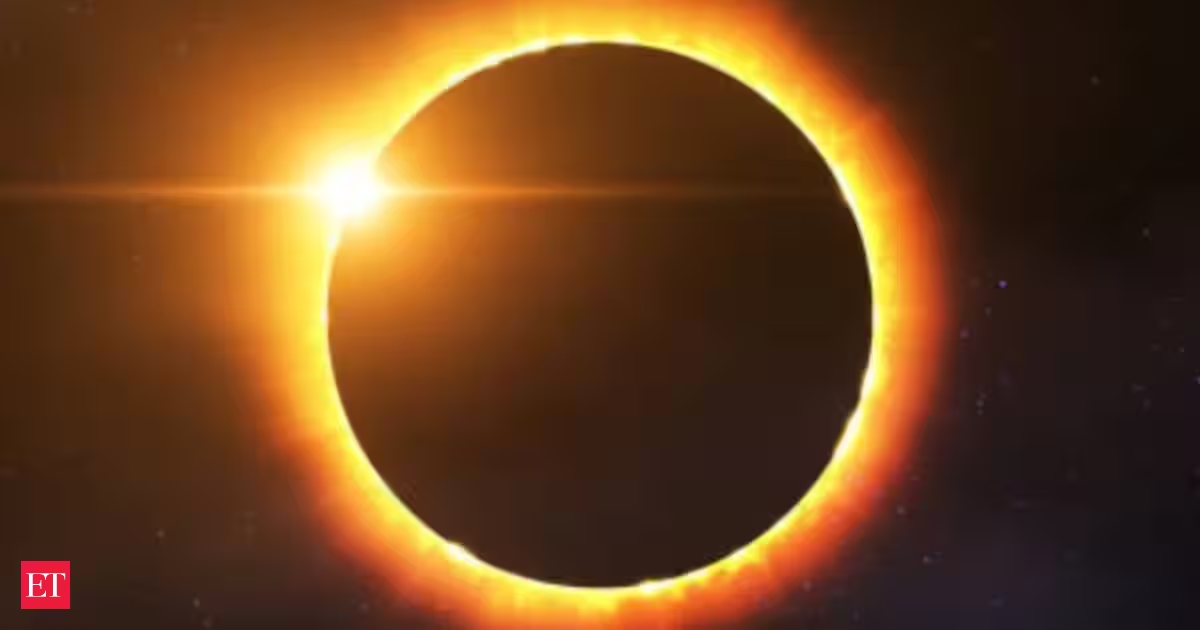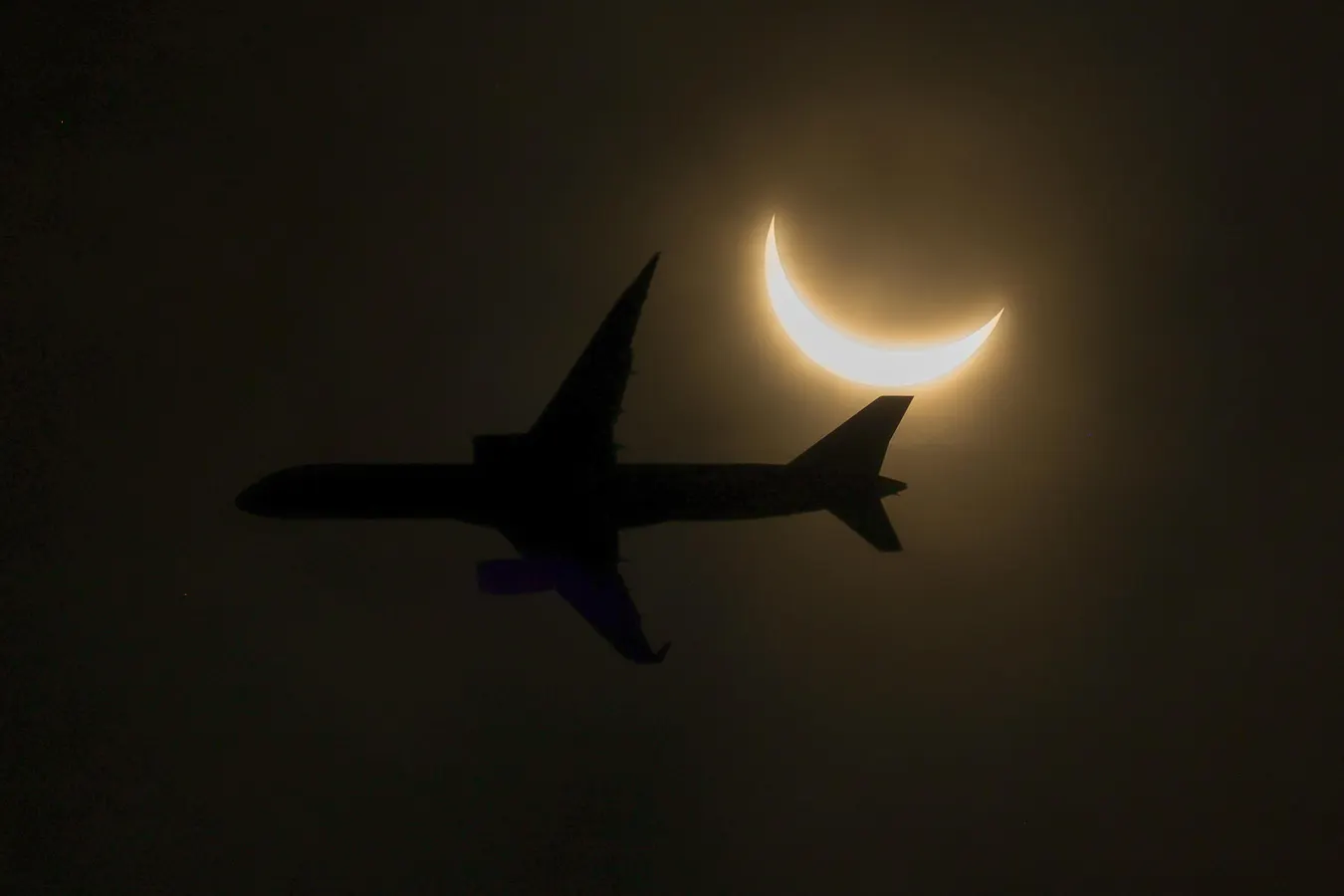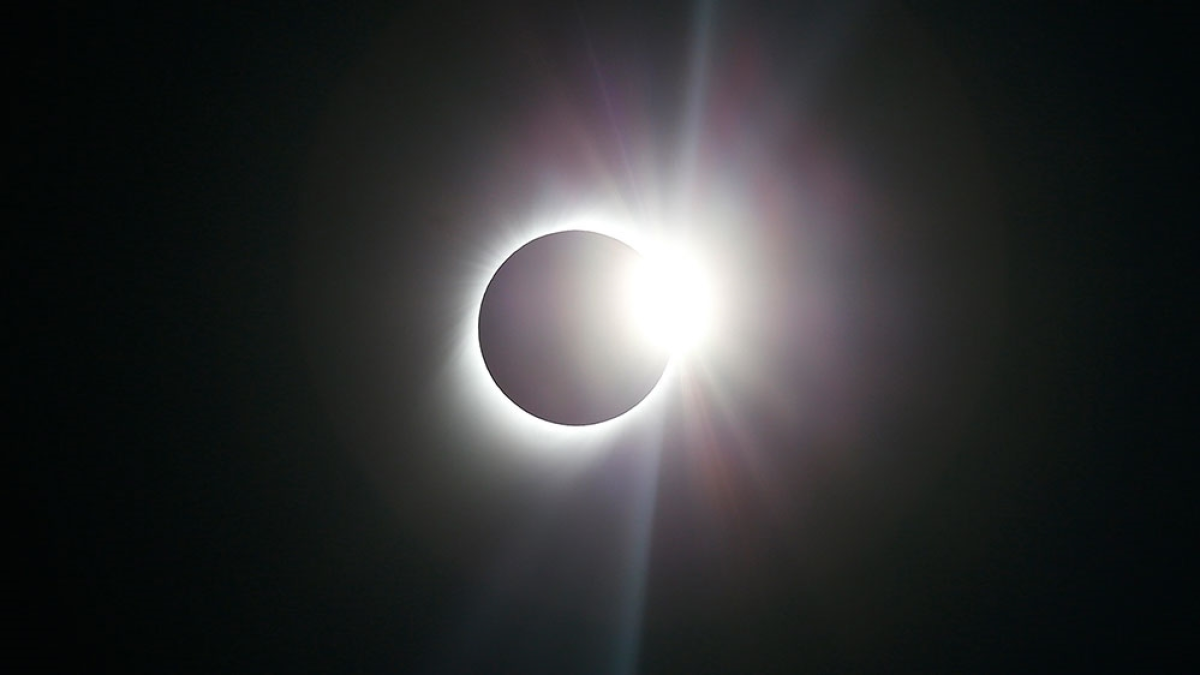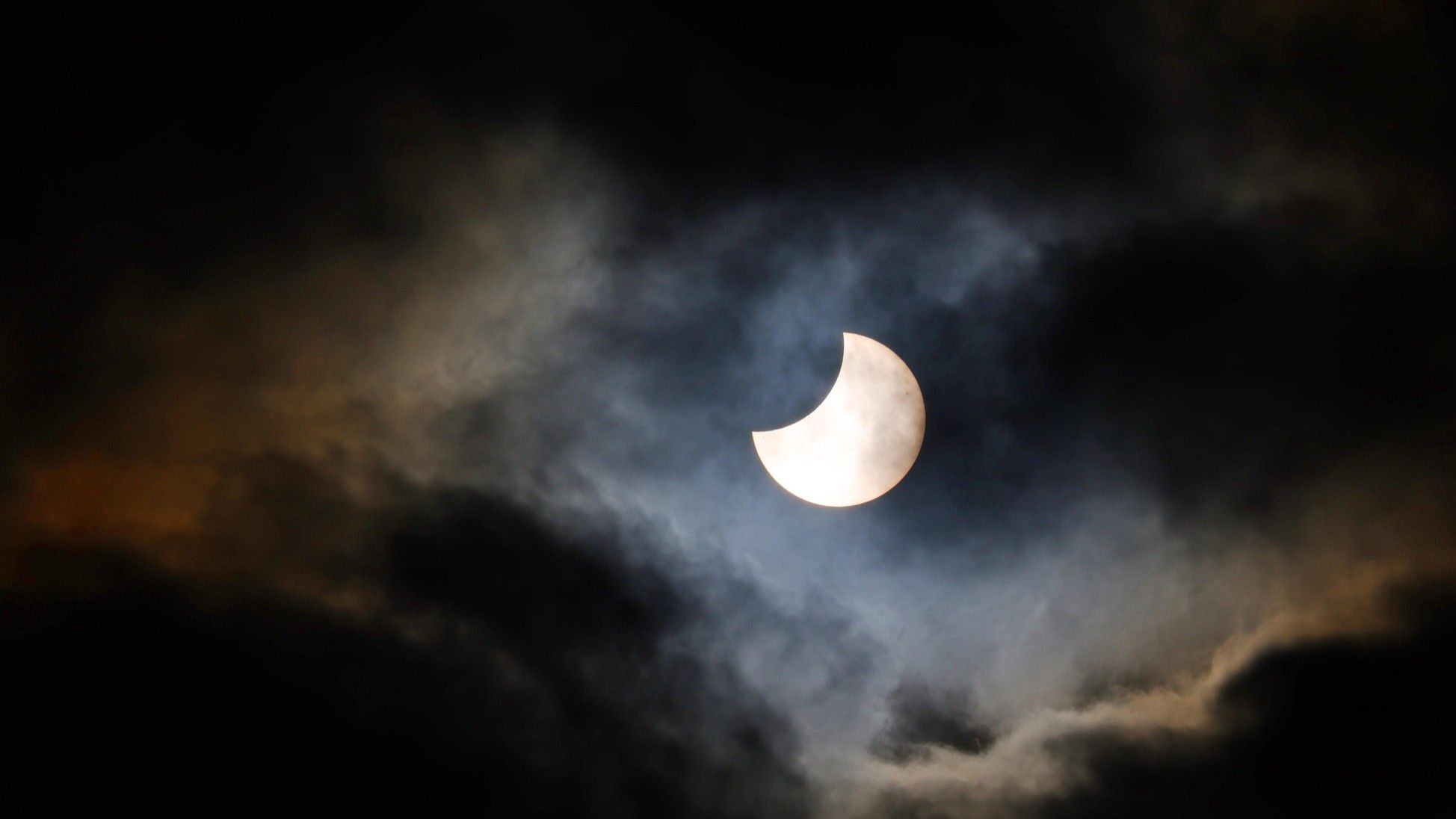
Maine, U.S., will see up to a 28% partial solar eclipse on Aug. 12, 2026.
(Image credit: imageBROKER/Gerhard Nixdorf via Getty Images)
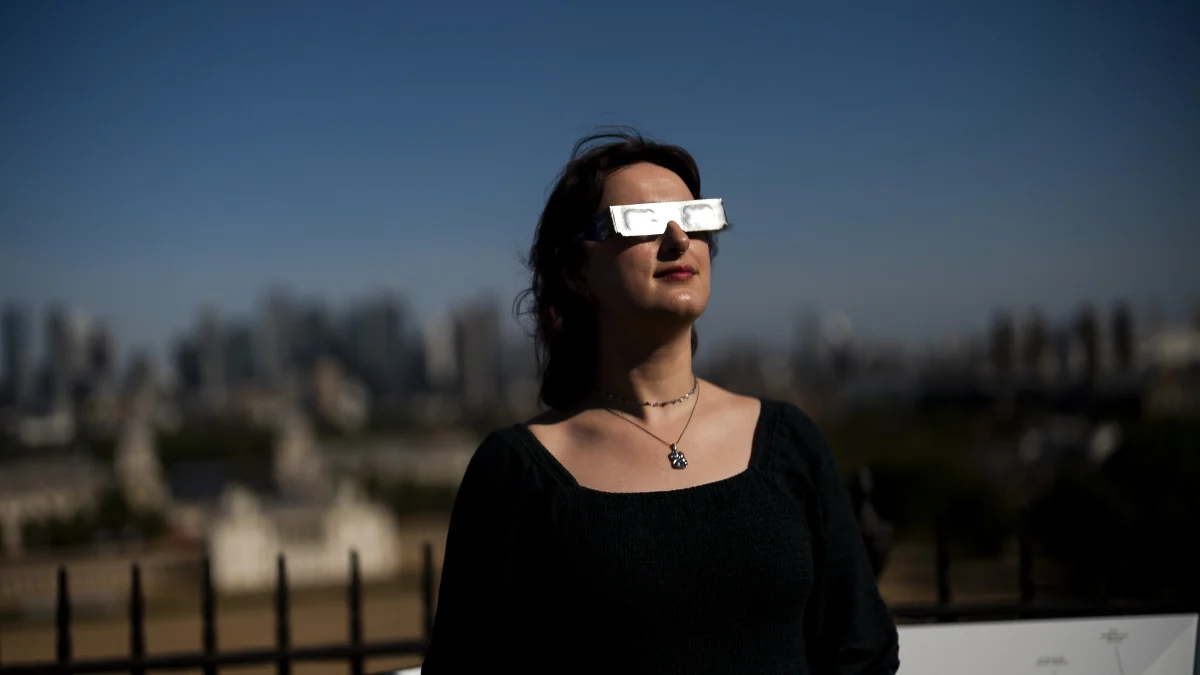
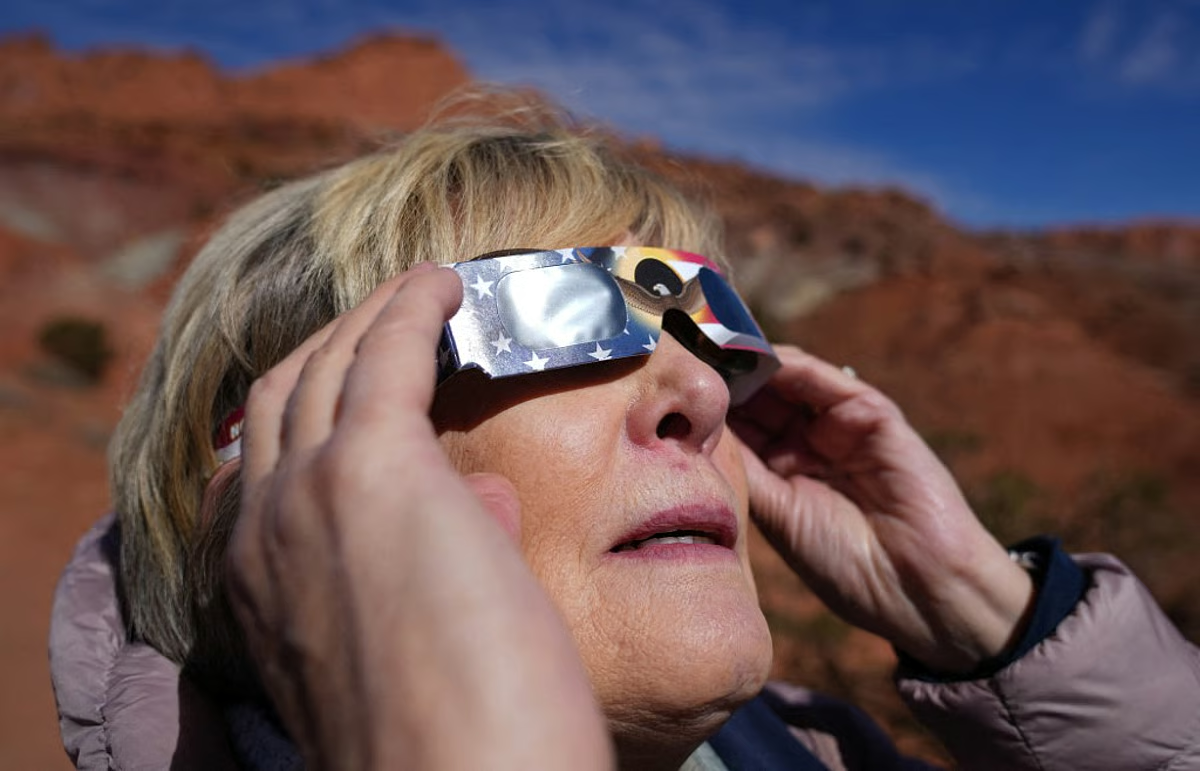
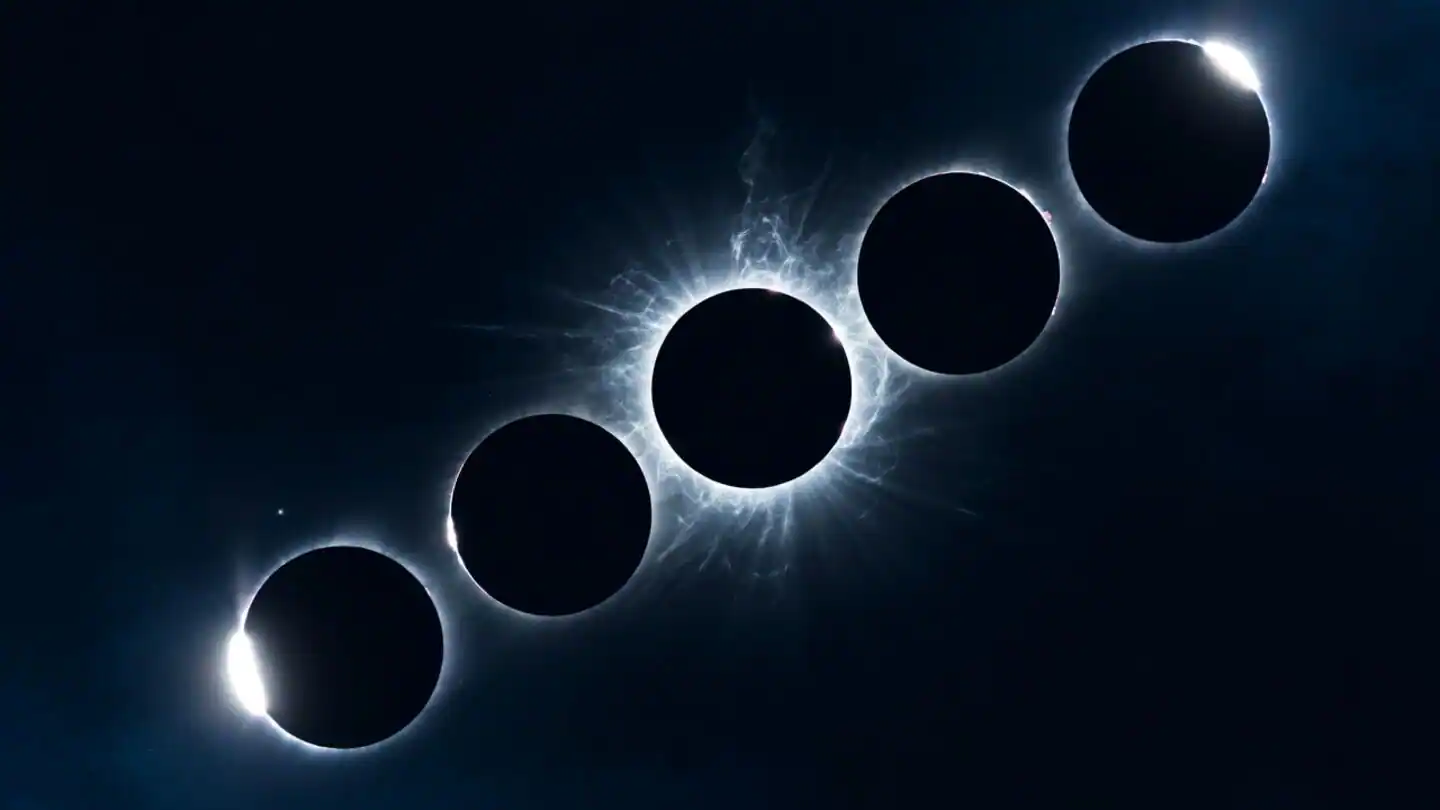
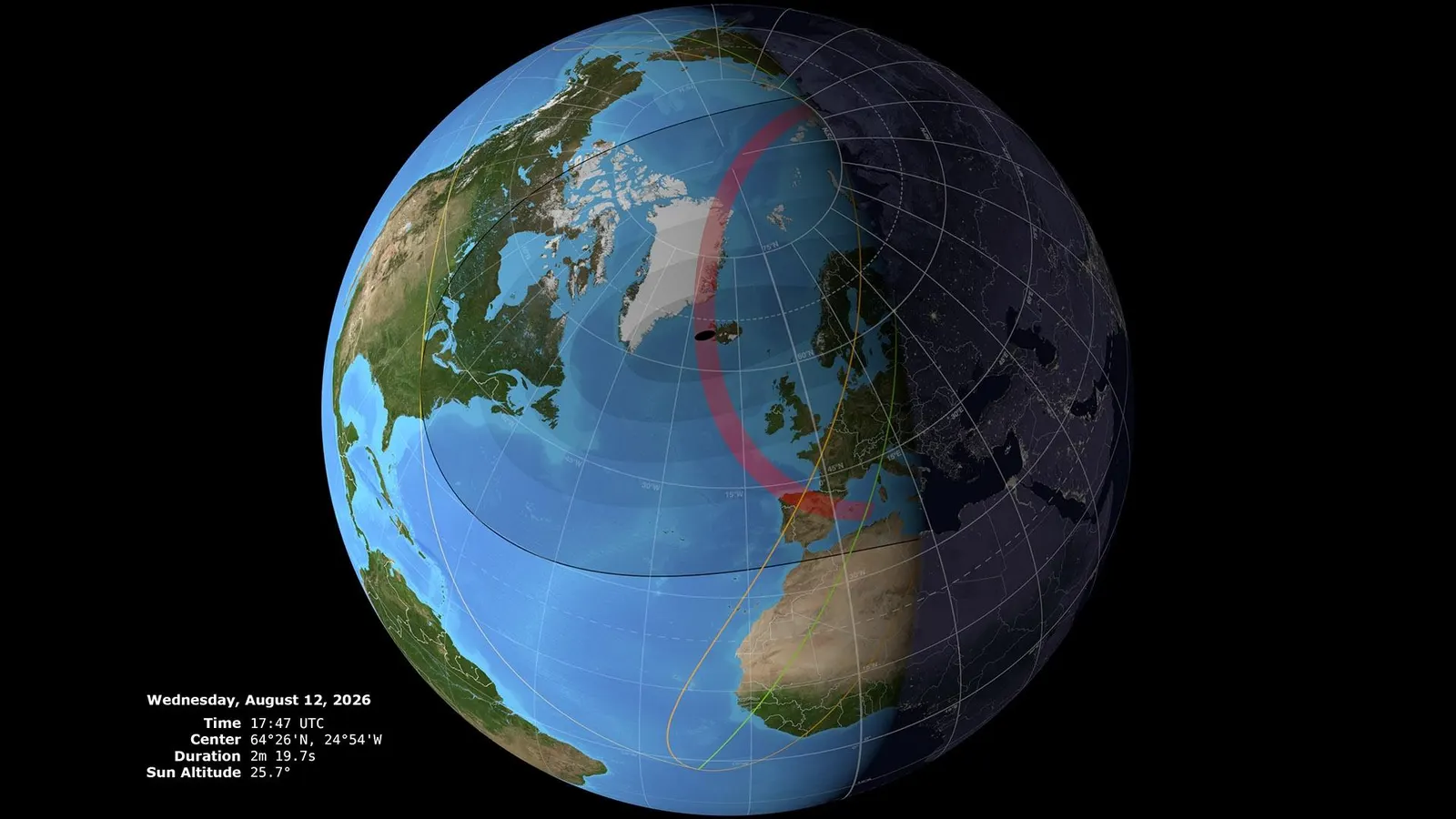
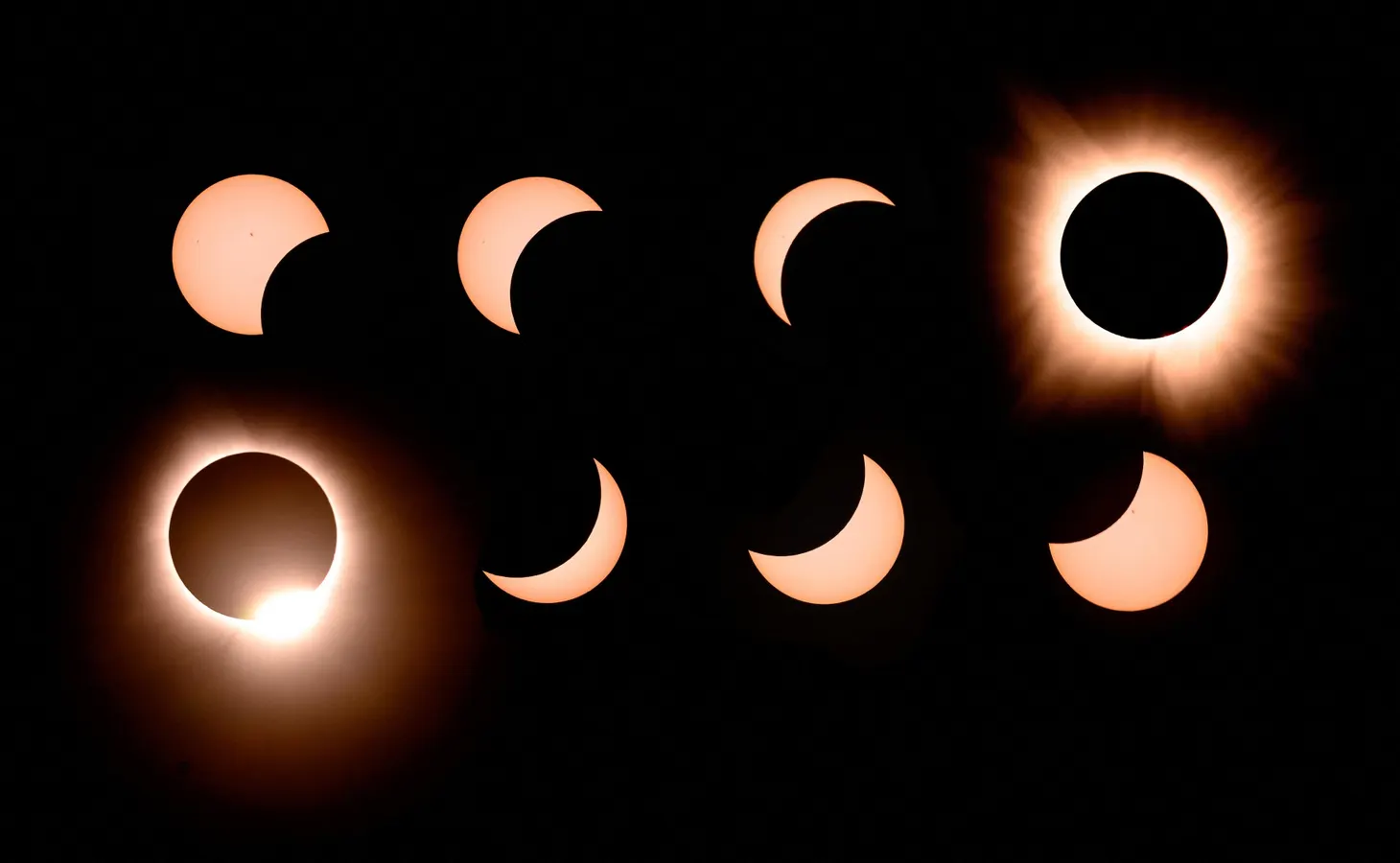
It's hardly a "Great American Eclipse," but on Aug. 12, 2026, some parts of the North American continent will see a partial solar eclipse.Will it be as impressive as on April 8, 2024, when totality visited Mexico, 15 U.S. states and six provinces in Canada? No, yet in some parts of the U.S. and Canada, astronomers will be out in force to capture a significant chunk of the sun as it is obscured by the new moon.The spotlight may be on the total solar eclipse in Greenland, Iceland, and Spain, but millions across North America can still see the moon take a bite out of the sun on Aug. 12. The farther northeast you are, the deeper the eclipse. Here's everything you need to know about the partial solar eclipse in North America.During a partial solar eclipse, it is NEVER safe to look directly at the sun without solar eclipse glasses designed for solar viewing. Read our guide on how to observe the sun safely.Where to see the partial solar eclipse in the U.S.Between 7:34 a.m. AKDT and 2:52 p.m. EDT, 20 U.S. states will see something of the partial solar eclipse, though only northeastern states will get a good view. Here's a sample of locations and the time of maximum eclipse. Note that the partial eclipse begins (first contact) and ends (last contact) around 55 minutes before and after the time of maximum eclipse given here.