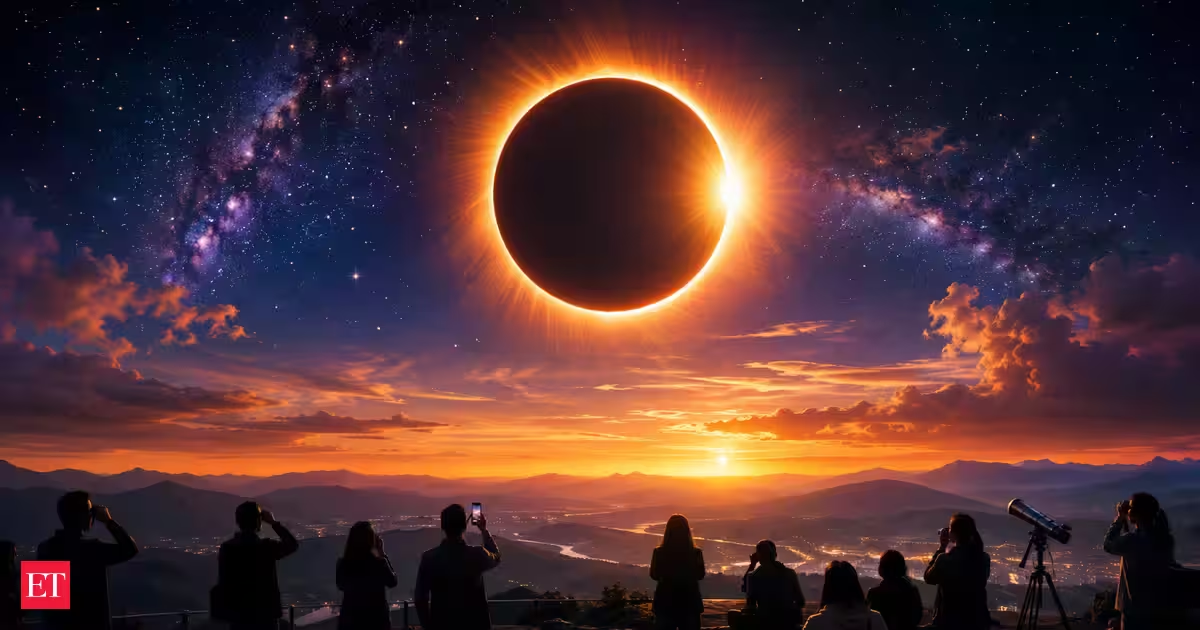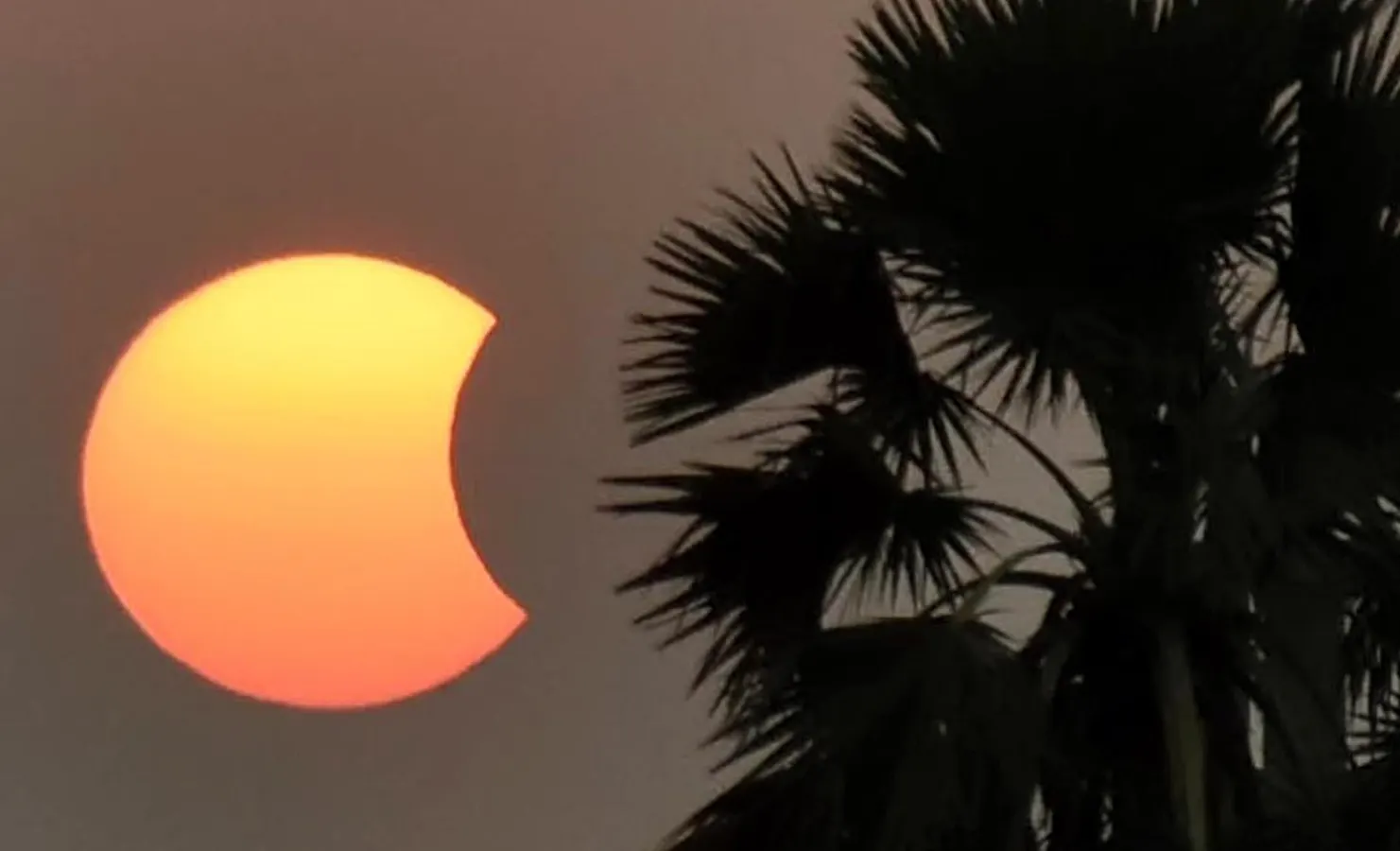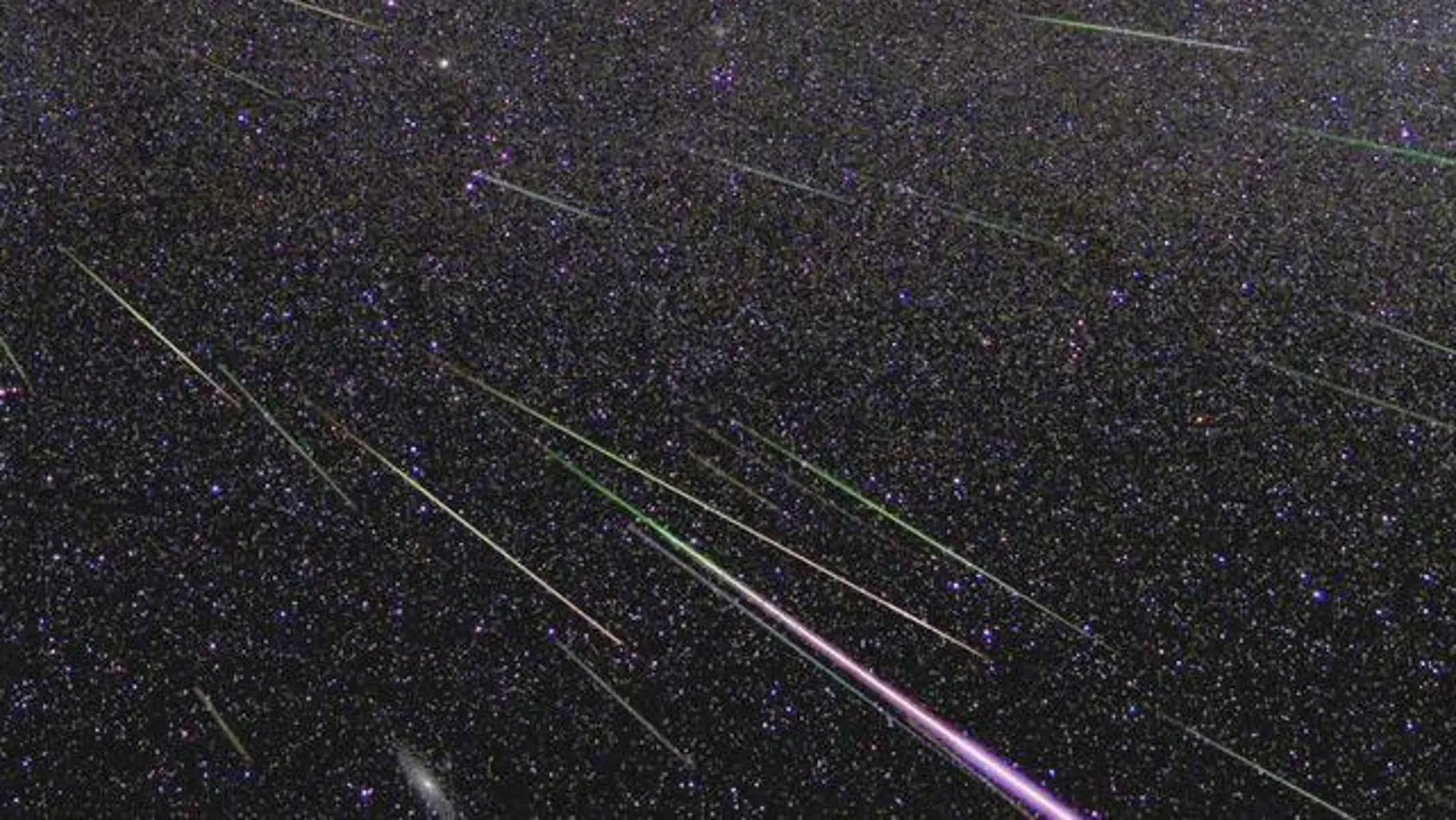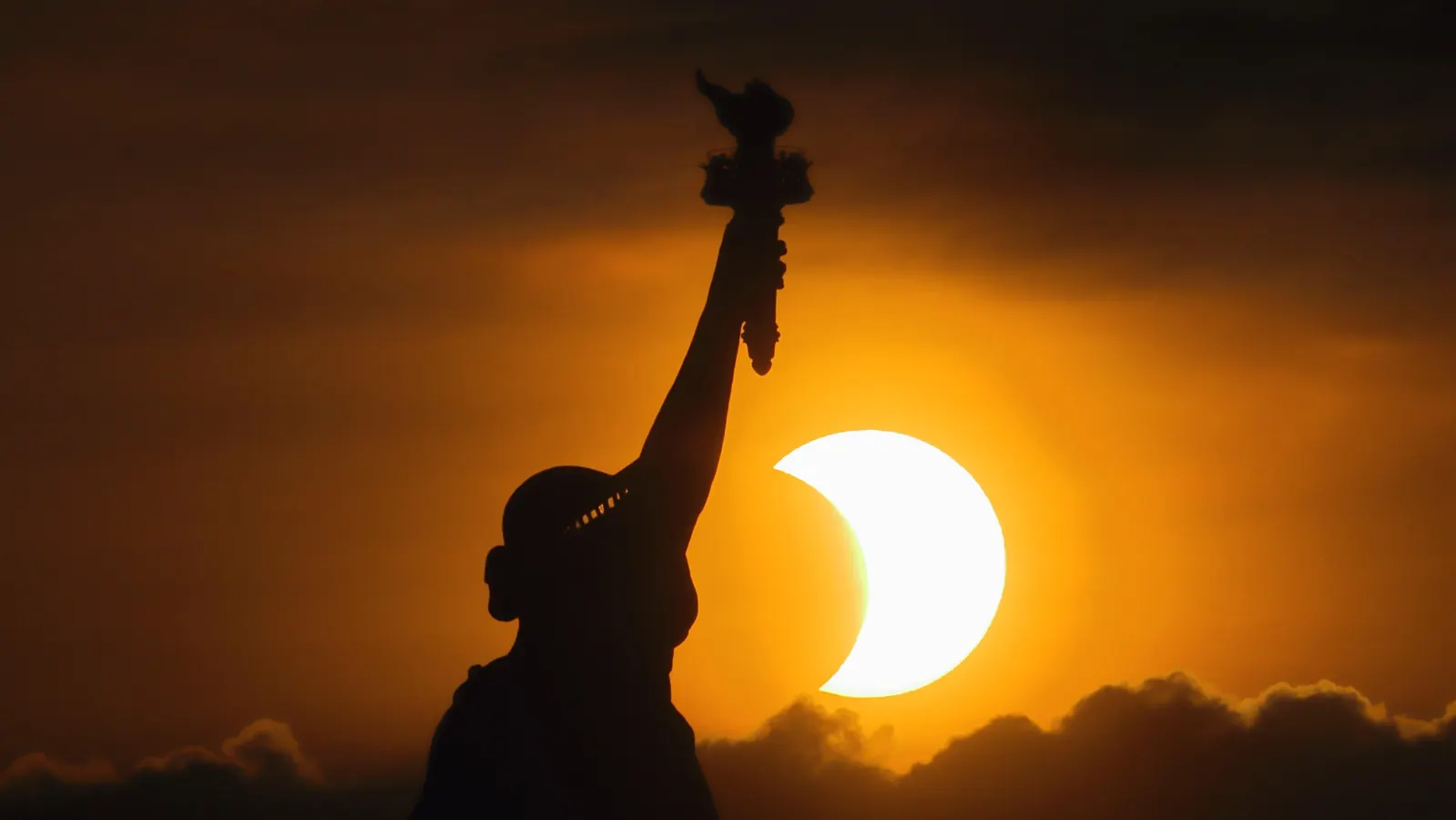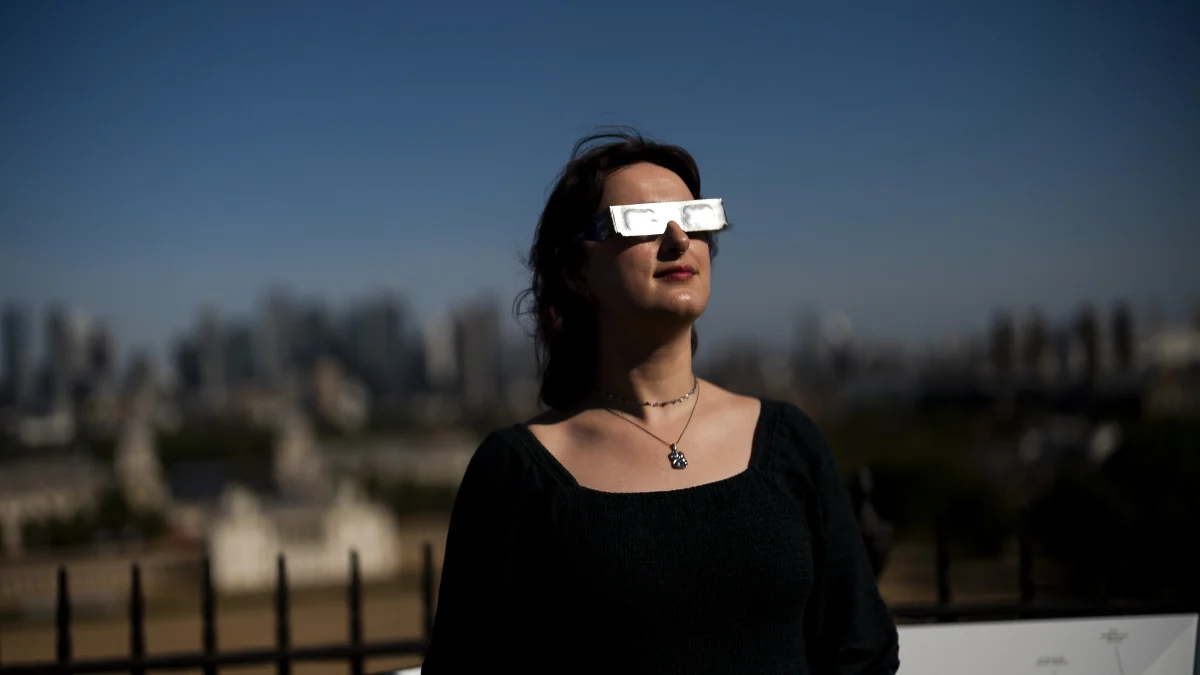
August is shaping up to be a big month for fans of celestial events, with both the Perseid meteor shower and a solar eclipse set to light up the skies. While the annual Perseids will deliver one of the year's most popular meteor displays, the solar eclipse will offer a different kind of spectacle as the Moon passes between Earth and the Sun.While parts of Europe will experience a full show in the form of a total solar eclipse, those based in North America will still have a chance to catch the celestial event as a partial eclipse. Keep reading to find out all you need to know about this latest celestial event. When is the solar eclipse in North America? On Aug. 12, a partial solar eclipse will be visible across parts of North America and most of Canada. While the continent won't experience the same totality as parts of Europe will, it will still be a rare opportunity to witness an exciting solar event.
You May Also Like
According to NASA, viewing times will vary across North America, with Alaska and northern Canada seeing the eclipse in the morning, eastern Canada in the afternoon, and parts of the northern U.S. from midday into the afternoon.It will peak in Anchorage, Alaska at 8:21 a.m. ET. Meanwhile, in Washington, D.C., it will peak at around 1:53 p.m. ET.