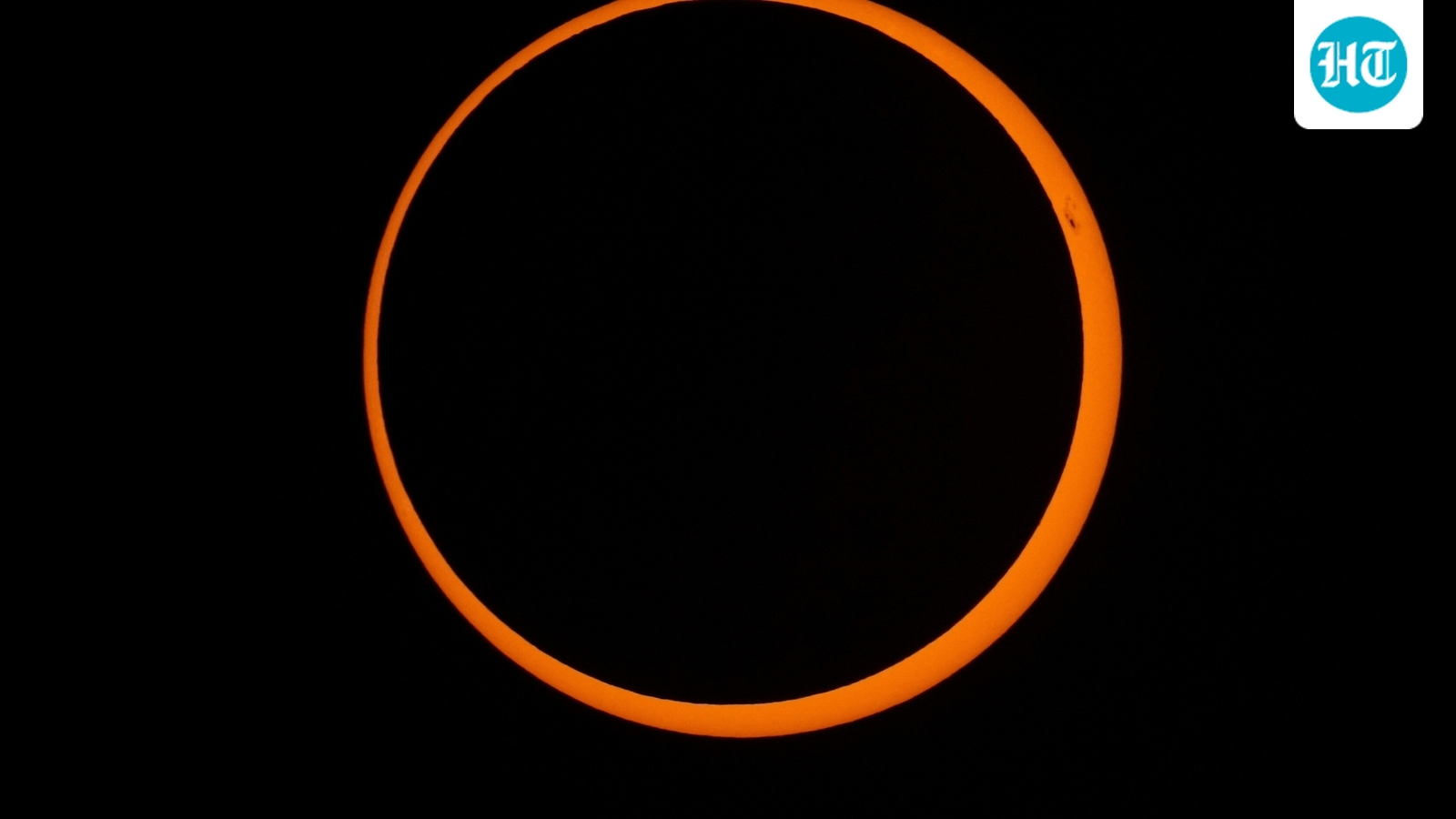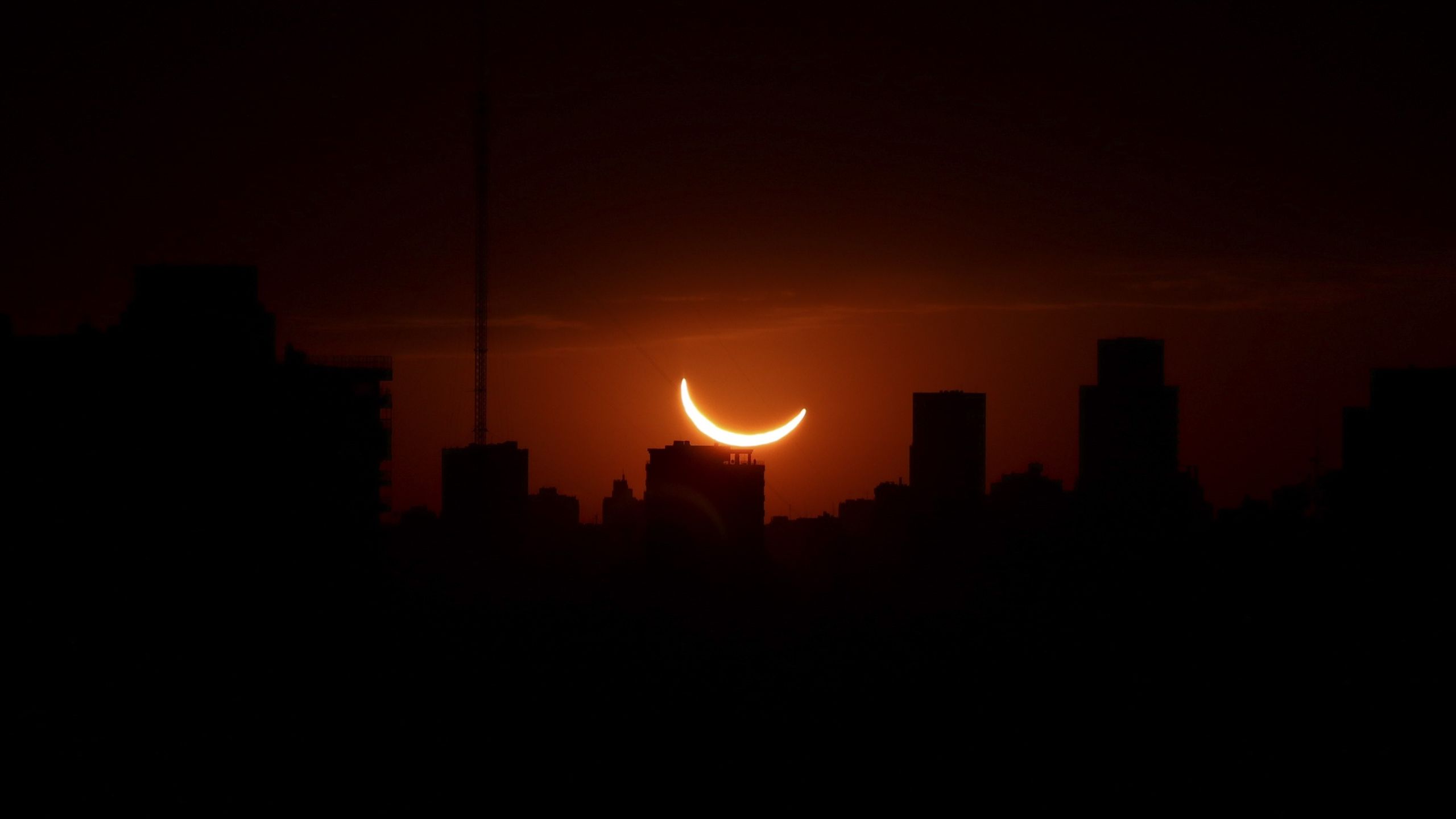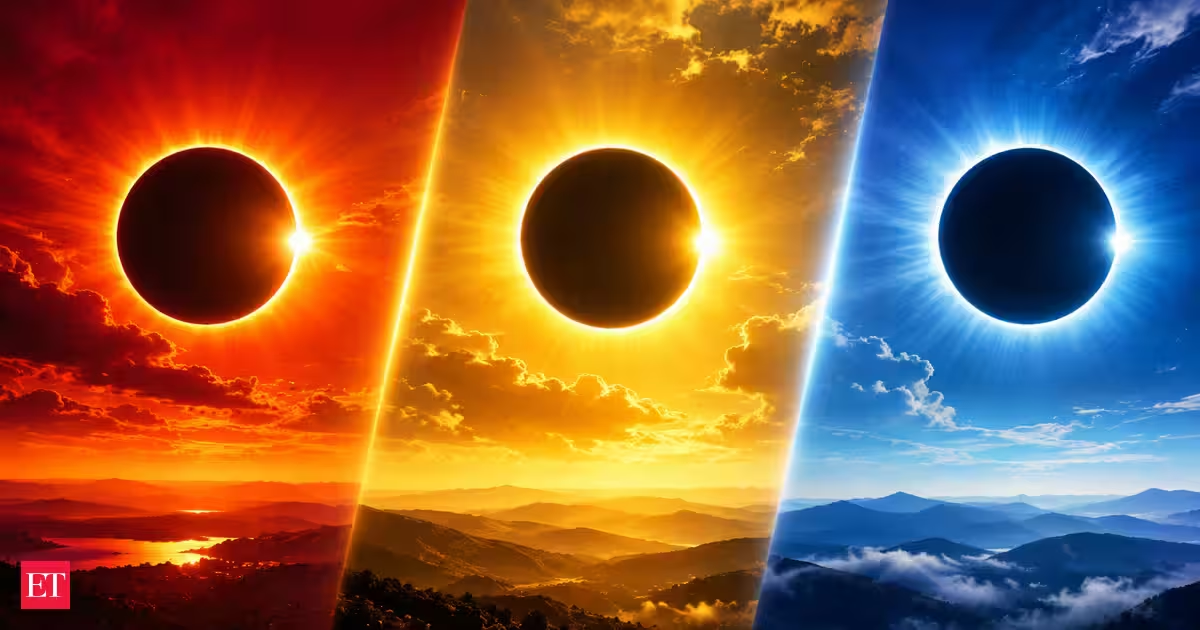
The Total Solar Eclipse on Aug. 12, 2026 is expected to be one of the biggest skywatching events of the decade, drawing millions of astronomy enthusiasts across Europe and viewers of the partial eclipse elsewhere around the world. While science explains why a Solar Eclipse 2026 may appear in different colors depending on lighting, weather, camera settings and filters, many people also associate these changing hues with symbolic or spiritual meanings. Although there is no scientific evidence that eclipse colors predict the future, they have long been interpreted in astrology and folklore as reminders to reflect on life, relationships, finances and personal growth. Whether you're watching the eclipse through certified solar filters or admiring photographs afterward, here's what different Solar Eclipse shades are commonly believed to represent, and what science says about them.Why does the solar eclipse appear in different colors?During a total solar eclipse, the Sun, Moon and Earth align perfectly, allowing the Moon to block the Sun's bright surface while revealing the faint outer atmosphere known as the corona.However, photographs of the eclipse may appear golden, orange, red, blue or silver because of several factors, including:You Might Also Like:Camera exposure and white balanceSolar filtersAtmospheric conditions such as haze or smokeImage editing and processingThe position of the Sun near the horizonAstronomers emphasize that these colors are visual effects rather than supernatural signs. Still, many spiritual traditions view them as symbolic prompts for self-reflection.Orange eclipse: Courage meets changeAn orange-toned eclipse is commonly linked with transformation and action. Spiritually, this shade may encourage people to finally make decisions they have been postponing, whether that involves changing careers, launching a business or pursuing personal goals.At the same time, orange carries a cautionary message. Acting boldly can be rewarding, but rushing important decisions without careful planning may create unnecessary setbacks.Golden eclipse: A symbol of growth and opportunity?Among the most striking Solar Eclipse shades is a warm golden glow. In many spiritual traditions, gold represents prosperity, confidence and new beginnings.You Might Also Like:People who enjoy symbolic astrology often interpret a golden eclipse as encouragement to:Focus on career growthBuild financial stabilityTrust their abilitiesEmbrace leadership opportunitiesRather than predicting wealth, the color is often viewed as a reminder that consistent effort and confidence can open new doors.Blue or gray eclipse: Time for reflectionSome eclipse images may display soft blue or gray tones due to atmospheric conditions and camera settings.Spiritually, these cooler shades are frequently associated with:You Might Also Like:IntrospectionEmotional healingInner clarityCareful decision-makingInstead of rushing toward quick answers, this symbolism encourages slowing down, evaluating situations calmly and trusting thoughtful planning over emotional reactions.Red eclipse: A reminder to manage emotionsA deep red appearance often captures attention because it feels dramatic and intense.In symbolic interpretations, red is connected with:PassionAmbitionStrong emotionsConflictMotivationRather than suggesting something negative, a red eclipse is often viewed as a reminder to pause before reacting emotionally. Whether dealing with family disagreements, workplace pressure or relationship challenges, patience may be more valuable than impulsive action.Silver-white corona: The eclipse's most breathtaking featureDuring totality, the Sun's corona shines as a brilliant silver-white halo surrounding the Moon. Scientifically, this glowing outer atmosphere becomes visible only because the Moon blocks the Sun's bright surface.Symbolically, many traditions associate the silver-white corona with:Spiritual clarityProtectionHealingFresh beginningsFor many eclipse observers, this extraordinary sight represents letting go of old worries and welcoming a new chapter with greater confidence.Dark eclipse ring: Ending one chapter before another beginsThe dark center created during totality is often interpreted as representing endings and transformation. Rather than symbolizing bad luck, many spiritual beliefs suggest it serves as a reminder to:Release unhealthy habitsLet go of fearAccept necessary changeMove forward with greater wisdomWhether viewed scientifically or symbolically, eclipses naturally remind people that every ending eventually makes space for a new beginning.Science and symbolism can coexistAstronomers explain eclipse colors through optics, atmospheric scattering and photography techniques. Astrology and spiritual traditions, meanwhile, use those same visual experiences as opportunities for personal reflection rather than prediction.FAQsWhy does the Solar Eclipse 2026 appear in different colors?The eclipse may look different because of atmospheric conditions, camera settings, solar filters, exposure levels and image processing. The actual eclipse does not physically change color.Do eclipse colors have scientific meaning?No. Scientists explain eclipse colors through optics and photography. Spiritual interpretations are based on tradition, symbolism and personal belief rather than scientific evidence.Disclaimer: This article is intended for general informational purposes only and does not constitute professional or expert advice. Readers are advised to consult a qualified professional or seek expert guidance before making any decisions based on the information provided.
Solar Eclipse 2026: Why the eclipse may look Red, Gold or Blue and what those colors really mean
The Solar Eclipse 2026 offers something for everyone, whether you're fascinated by celestial mechanics or inspired by the symbolism different Solar Eclipse shades have carried across cultures for generations.
746 words~3 min read