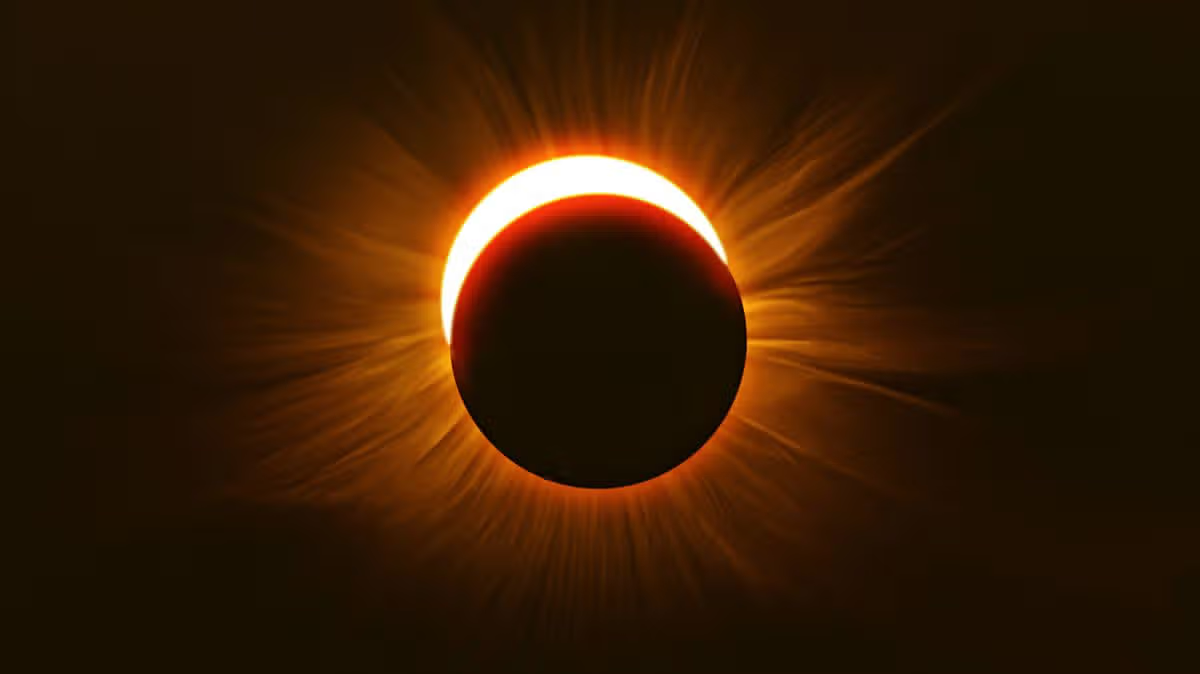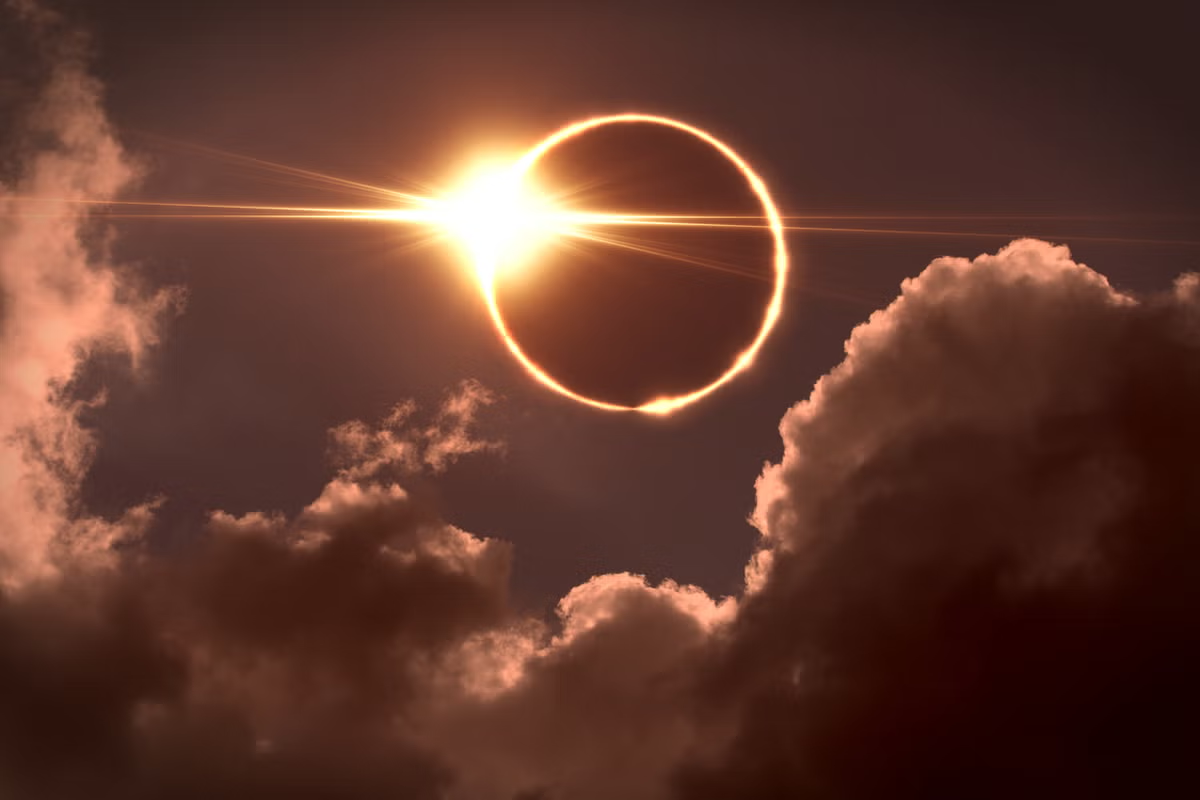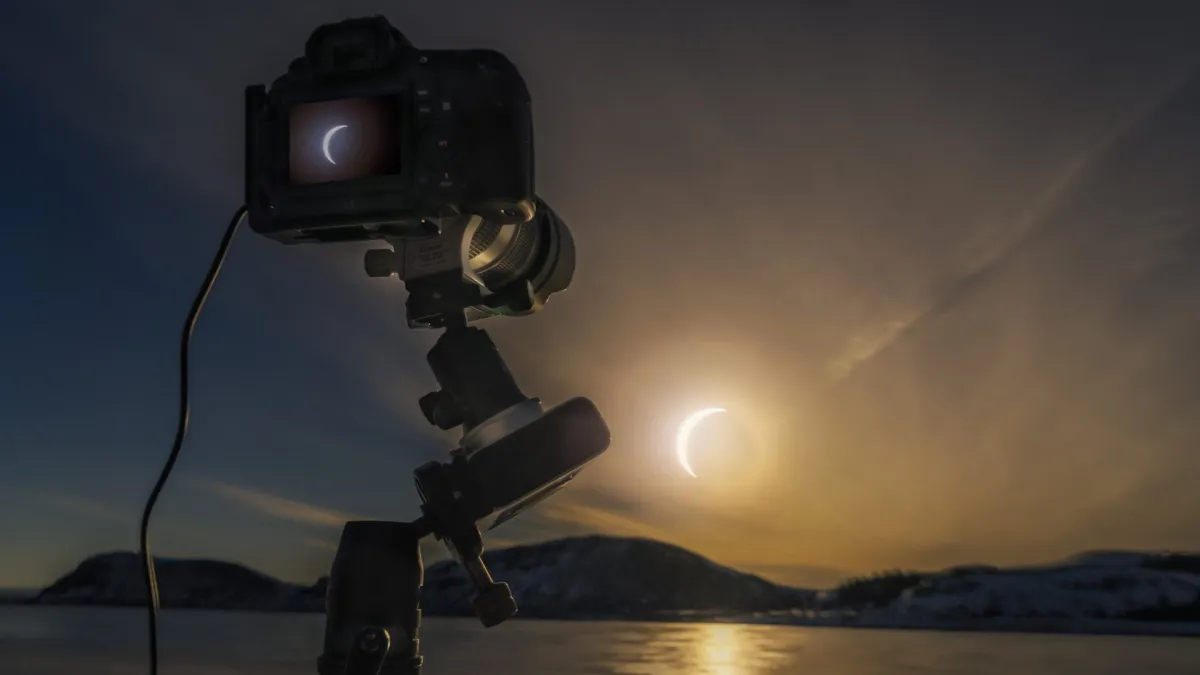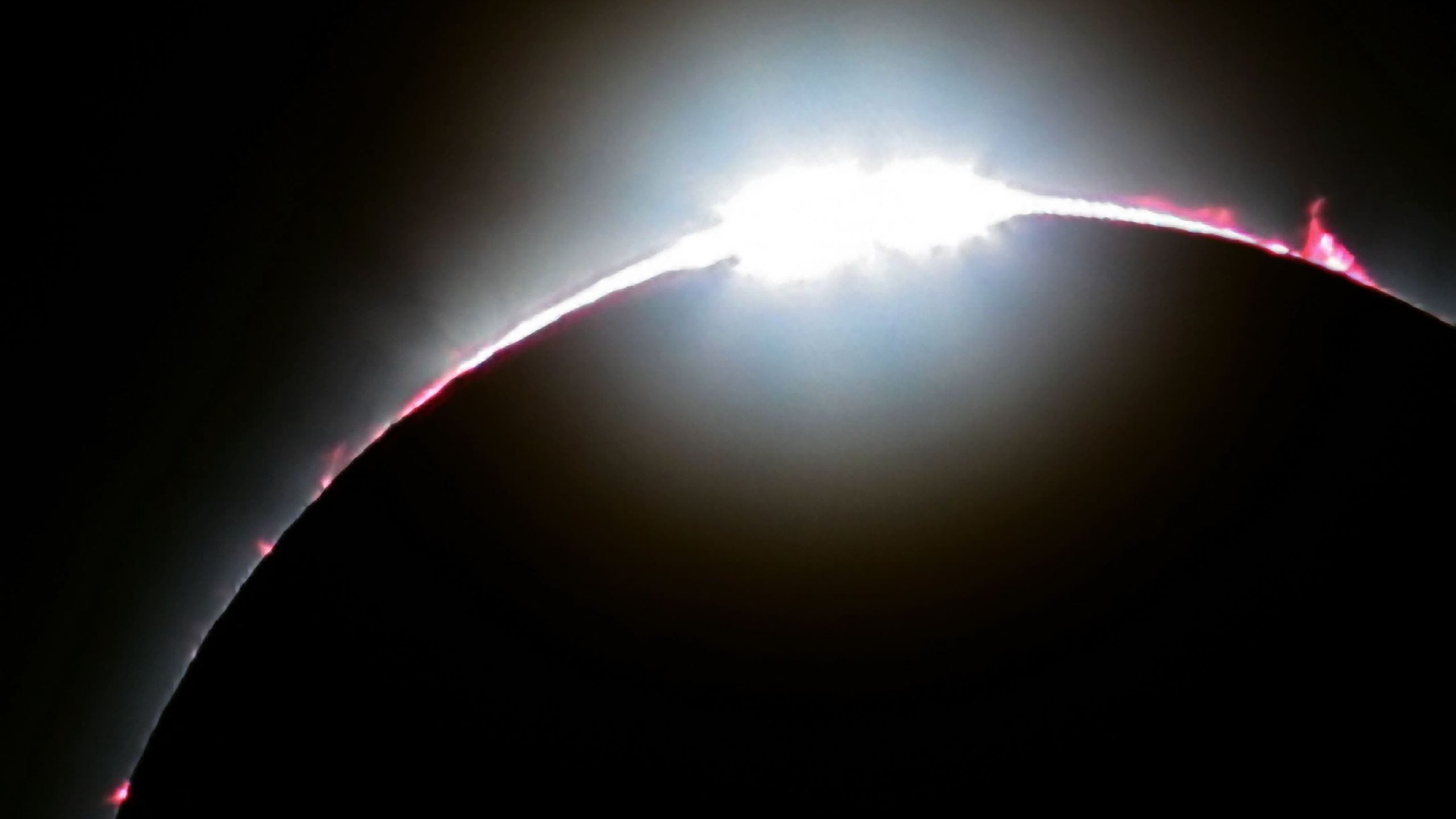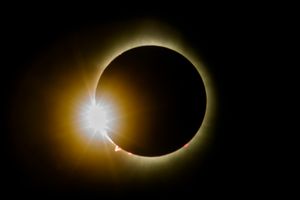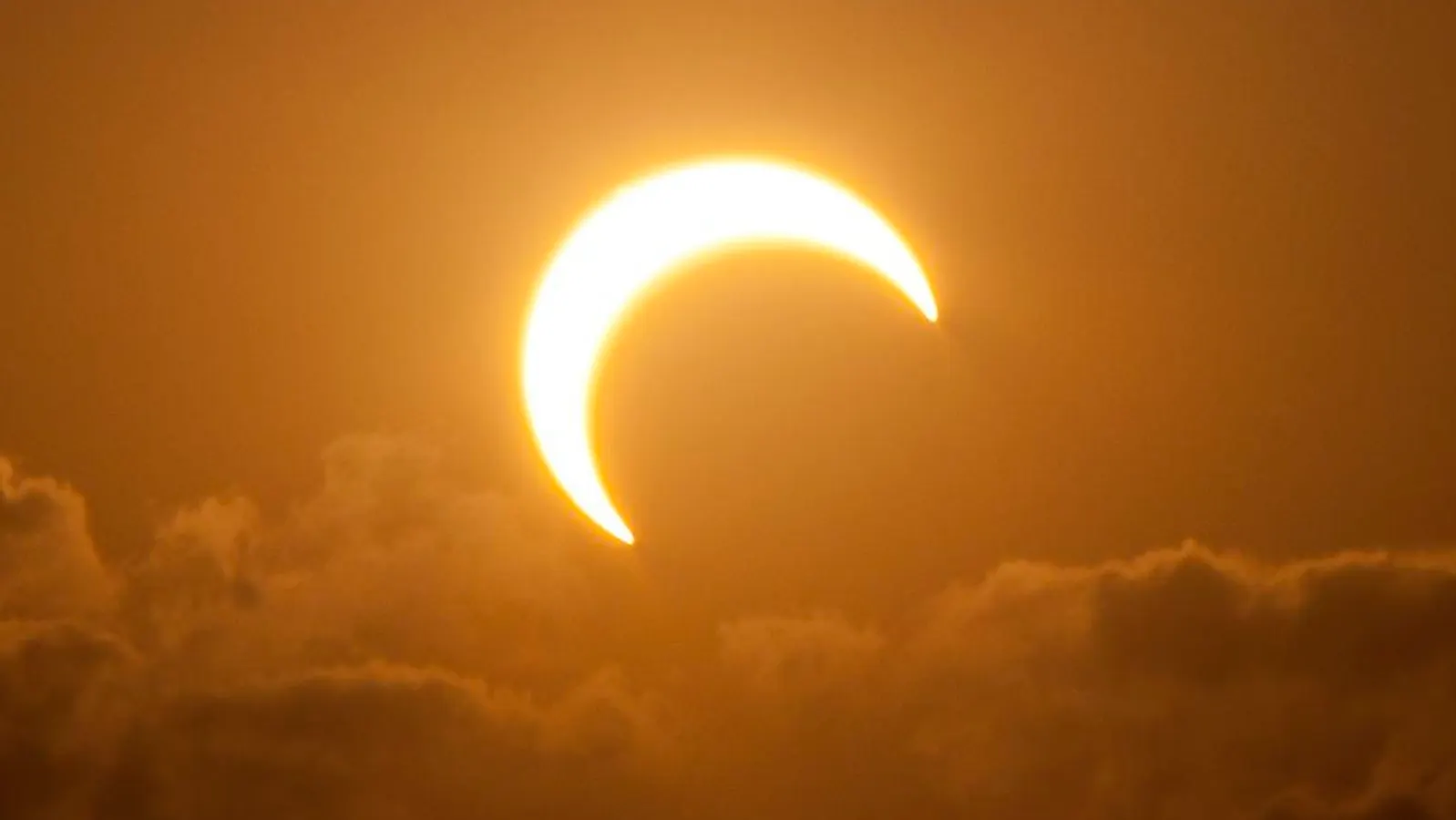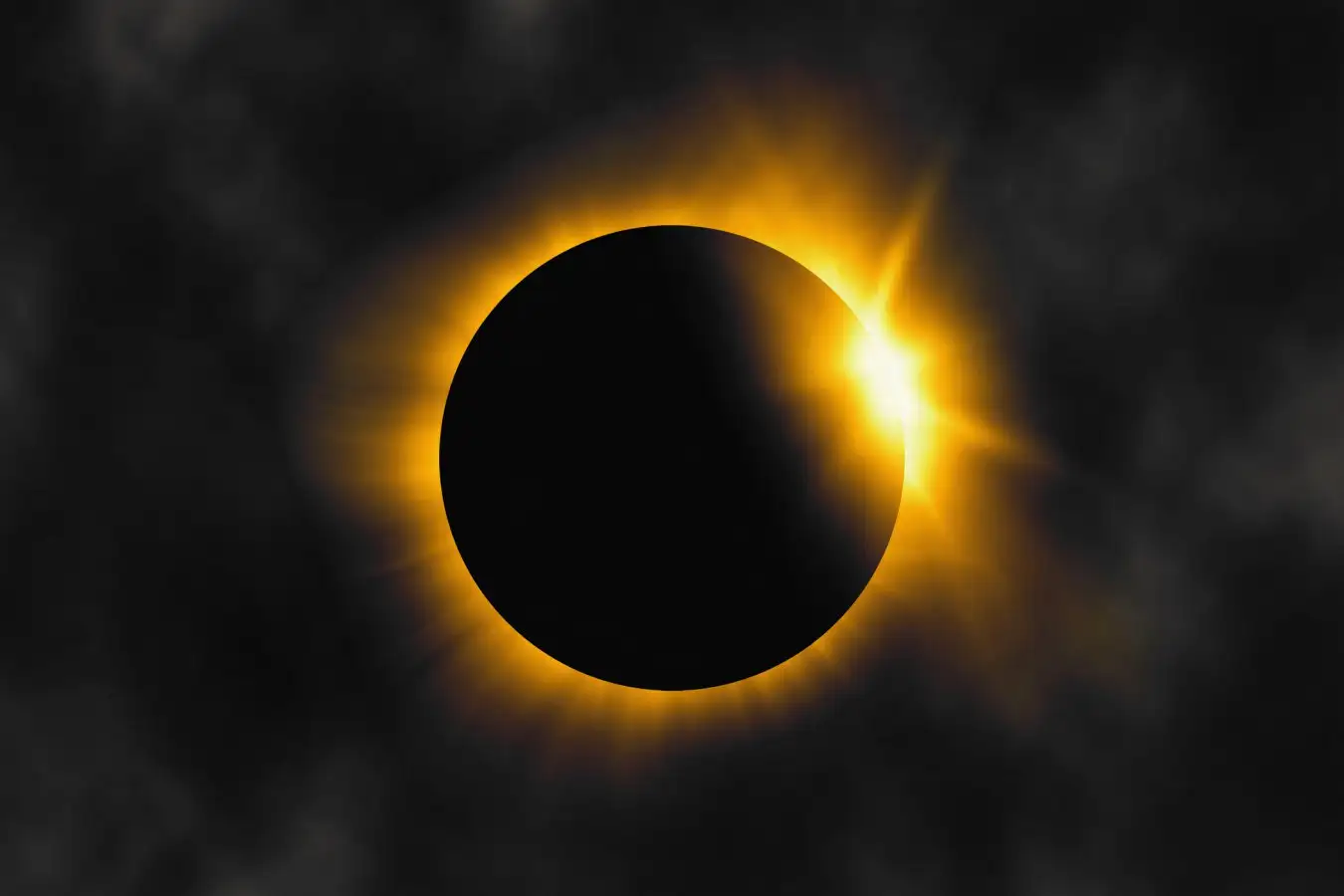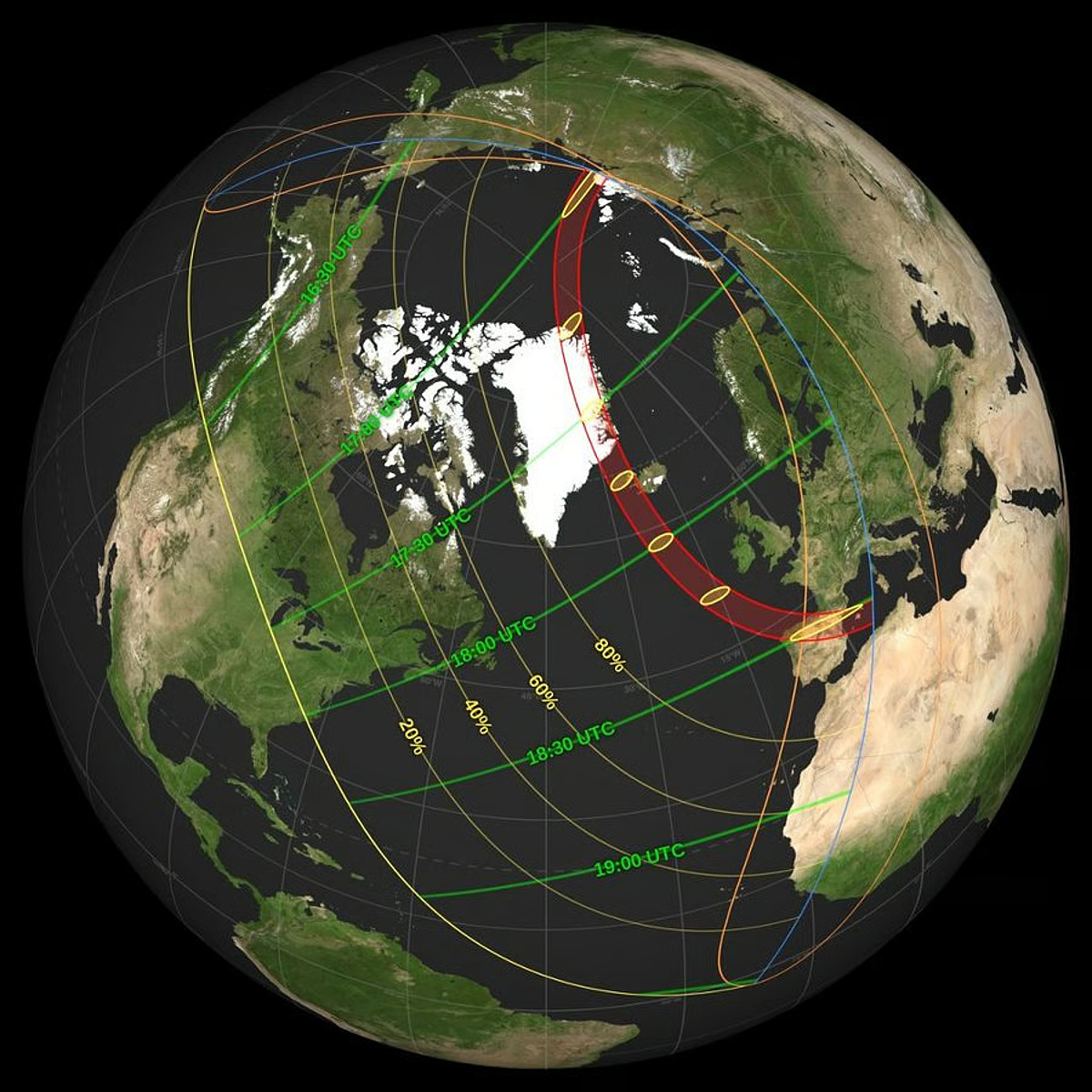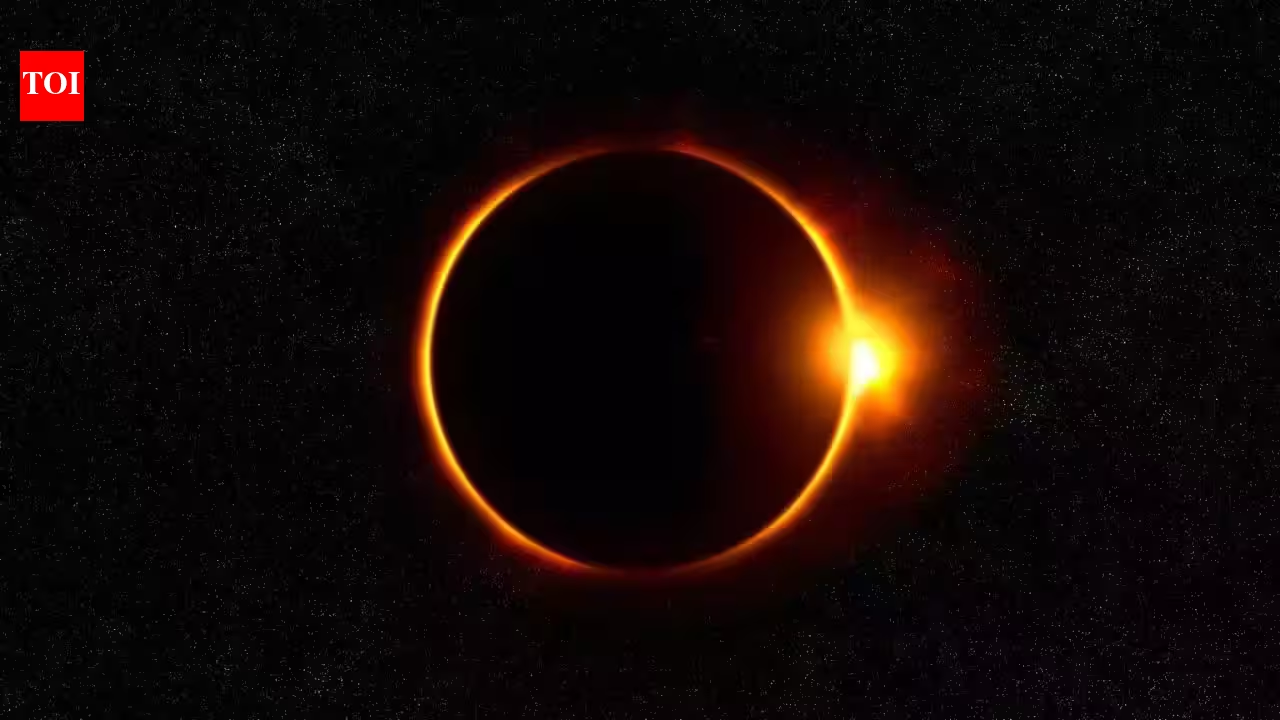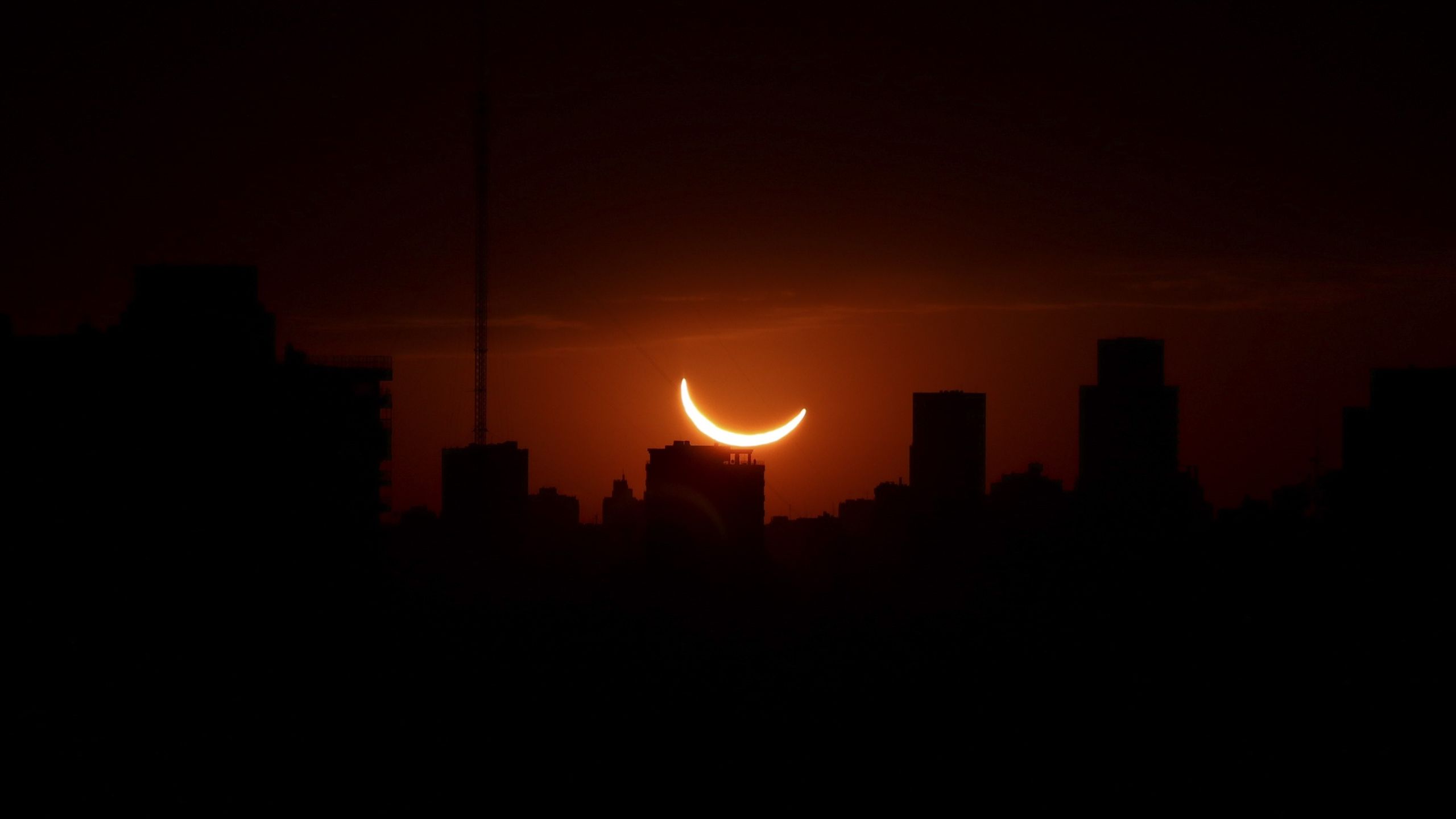
Total solar eclipse on August 12: Where to see the biggest eclipse since 1999 in the West Country and across Europe.There’s something strangely powerful about a total solar eclipse.For a few minutes, the usual rhythm of the day changes. The Sun disappears behind the Moon, the sky darkens, temperatures drop slightly and the world feels quieter than normal.It’s not just another space event that happens far away. A total solar eclipse is something people can actually stand outside and experience with their own eyes.The next chance to witness this rare event will come on August 12, 2026, when the Moon’s shadow sweeps across parts of the Northern Hemisphere.And this time, some of the best viewing locations happen to be some of the most beautiful places on Earth.The eclipse will be visible along a path crossing Greenland, Iceland, Spain and parts of Portugal, making it a major event for travellers, photographers and astronomy enthusiasts.What exactly happens during a total solar eclipse?A total solar eclipse occurs when the Moon moves directly between Earth and the Sun.Even though the Sun is much larger than the Moon, the Moon appears almost the same size in our sky because it is much closer to Earth. When the alignment is perfect, the Moon blocks the bright surface of the Sun completely.For a short time, only the Sun’s outer atmosphere - the corona - remains visible.That glowing white halo around the dark Moon is one of the main reasons people travel to see total eclipses.It’s also why a total eclipse feels so different from a normal day. The sky doesn’t simply become darker. The light changes. The surroundings take on a strange colour. Some people compare it to a sunset happening in every direction at once.Where will the 2026 total solar eclipse be visible?The path of totality for the August 2026 eclipse will be narrow, meaning only certain locations will experience the full event.SpainSpain is expected to be one of the most accessible and popular places to watch the eclipse.The path of totality will cross parts of northern Spain, including areas such as Galicia, Asturias, Cantabria and the Basque Country.Cities and regions near the path, including A Coruña, Oviedo and Bilbao, are likely to attract visitors from around the world.One interesting feature of this eclipse is its timing. In Spain, the eclipse will happen close to sunset, which could create an incredible view if skies are clear.Imagine seeing the Sun disappear while it sits low near the horizon.The only problem? A clear sky will be essential. Clouds close to sunset could completely block the view.IcelandIceland is another dream location for eclipse watchers.The country’s dramatic landscapes - black sand beaches, glaciers, mountains and volcanic scenery - make it a natural choice for photographers and travellers.A total eclipse already feels otherworldly. Watching one in Iceland could make the experience even more unusual.However, Iceland’s weather is unpredictable. Cloud cover is one of the biggest challenges for anyone planning to watch the eclipse there.Many visitors may choose to stay flexible and travel to locations with the best possible weather conditions.GreenlandFor those looking for a more remote adventure, Greenland will offer a completely different experience.Watching totality surrounded by Arctic landscapes could be unforgettable.But Greenland is not the easiest destination to reach. Travel options are limited compared with places like Spain, so visitors will need to plan carefully.For some eclipse chasers, though, that’s exactly the appeal.When should you watch?The exact timing will depend on your location.The eclipse will begin with a partial phase, where the Moon slowly moves across the Sun. As the Moon continues its path, totality begins.The completely covered phase is short, often lasting only a few minutes.That means preparation matters.People planning to watch should arrive early, find a clear viewing spot and check local eclipse timings before the day arrives.Missing those few minutes could mean waiting years for another chance.Why are total eclipses so rare in one place?Many people are surprised to learn that solar eclipses happen fairly regularly.The reason they seem rare is because totality only affects a small part of Earth.The Moon’s shadow travels across the planet, but it creates a narrow path. If you’re outside that path, you may see a partial eclipse or nothing at all.It’s a little like standing under a tiny moving spotlight. The event is happening, but only certain places get the full experience.How to watch safelyThis is one event where looking directly at the sky can be dangerous.During the partial eclipse phase, the Sun is still bright enough to harm your eyes. Regular sunglasses are not enough protection.Viewers should use proper solar eclipse glasses or approved solar filters.The only exception is during totality itself. When the Moon completely covers the Sun, people standing inside the path of totality can briefly look without eye protection.But the moment sunlight starts appearing again, glasses must go back on.Will India see the eclipse?People in India will not experience the August 12, 2026 event as a total solar eclipse.India is outside the main path of totality, so viewers there won’t see the complete disappearance of the Sun.Those who want to witness totality will need to travel to one of the locations along the eclipse path.For Indian astronomy enthusiasts, Spain could be one of the more practical options compared with more remote destinations like Greenland.Why eclipse tourism is becoming so popularFor many travellers, a solar eclipse has become more than a quick sightseeing moment.People now plan entire trips around them.There are dedicated eclipse chasers who have travelled across continents just to stand inside the Moon’s shadow. Some follow every major eclipse, collecting memories from different parts of the world.And it’s easy to understand why.A total solar eclipse combines science, nature and a little bit of mystery. You’re watching something predictable enough for scientists to calculate years in advance, yet powerful enough to feel completely unexpected when it happens.What happens after the 2026 eclipse?The sky will keep putting on these incredible shows.Another major total solar eclipse will occur on August 2, 2027, crossing parts of southern Europe, North Africa and the Middle East.That eclipse is expected to have a longer period of totality than many others, making it another highly anticipated event.The wait beginsThe August 12, 2026 total solar eclipse will give millions of people a chance to witness one of nature’s most dramatic performances.Whether you watch from Spain’s coastline, Iceland’s wild landscapes or Greenland’s icy surroundings, the experience will come down to one simple thing - being there at the exact moment when the Moon covers the Sun.It lasts only a few minutes.But those few minutes are the reason people travel halfway around the world.
Total Solar Eclipse 2026: The sun will disappear on this day - where can you see the next total Solar Eclipse
There’s something strangely powerful about a total solar eclipse.
1,097 words~5 min read