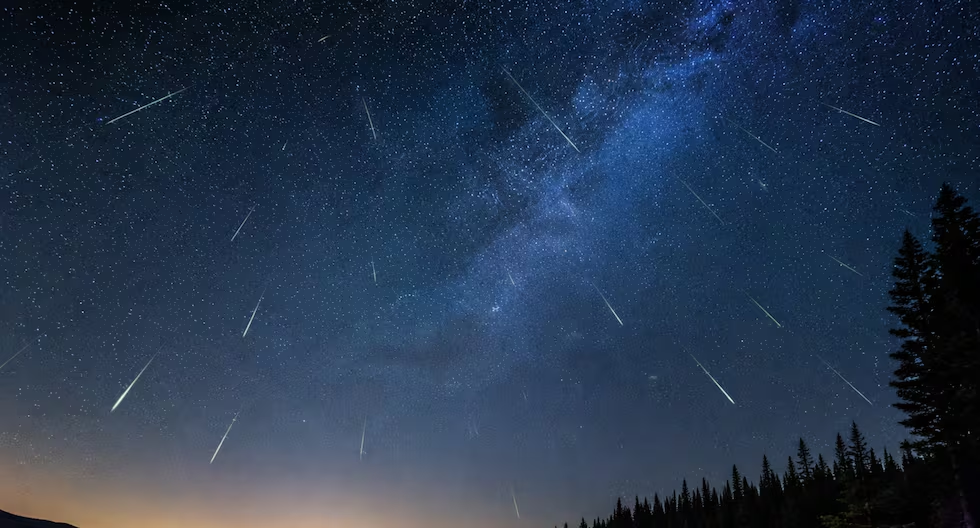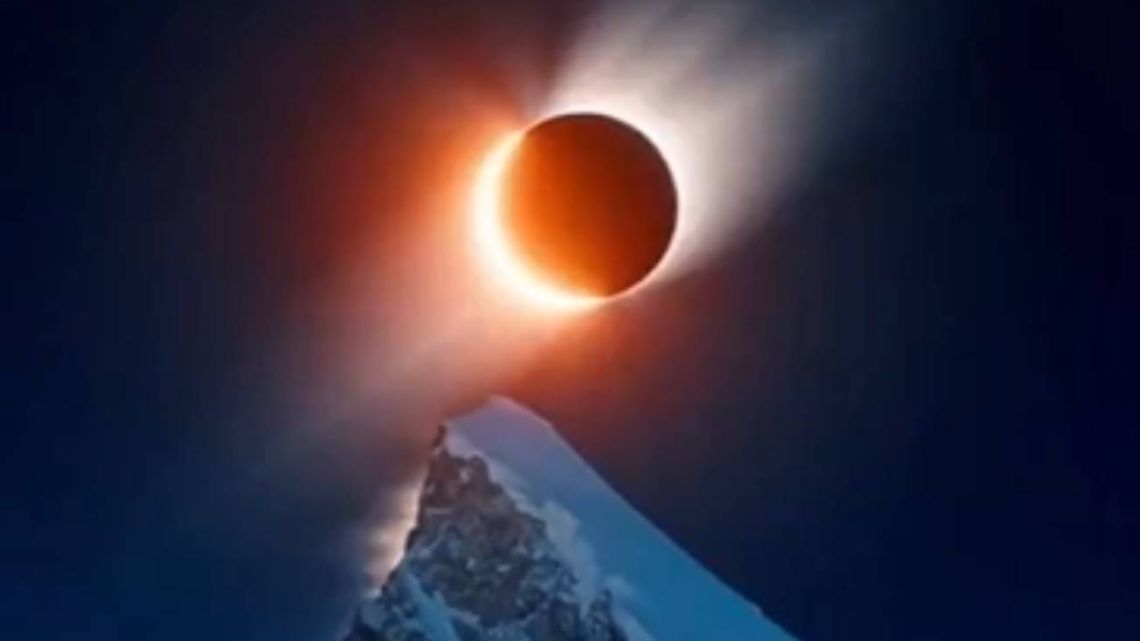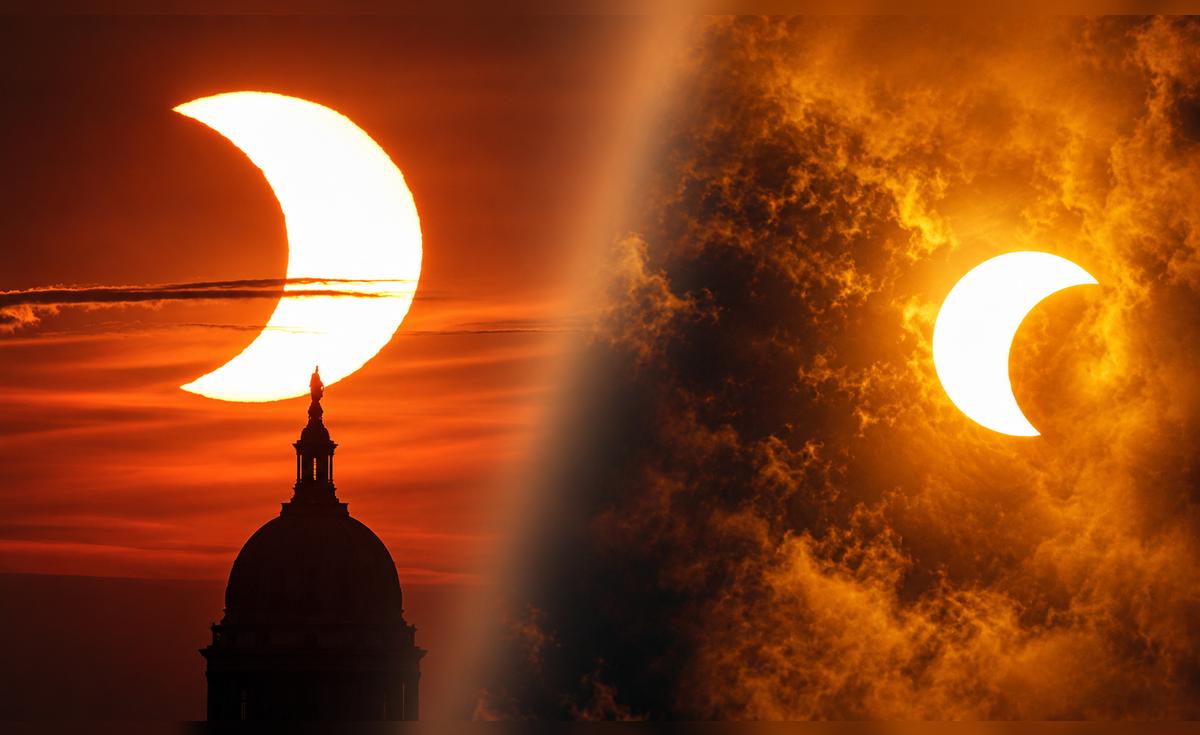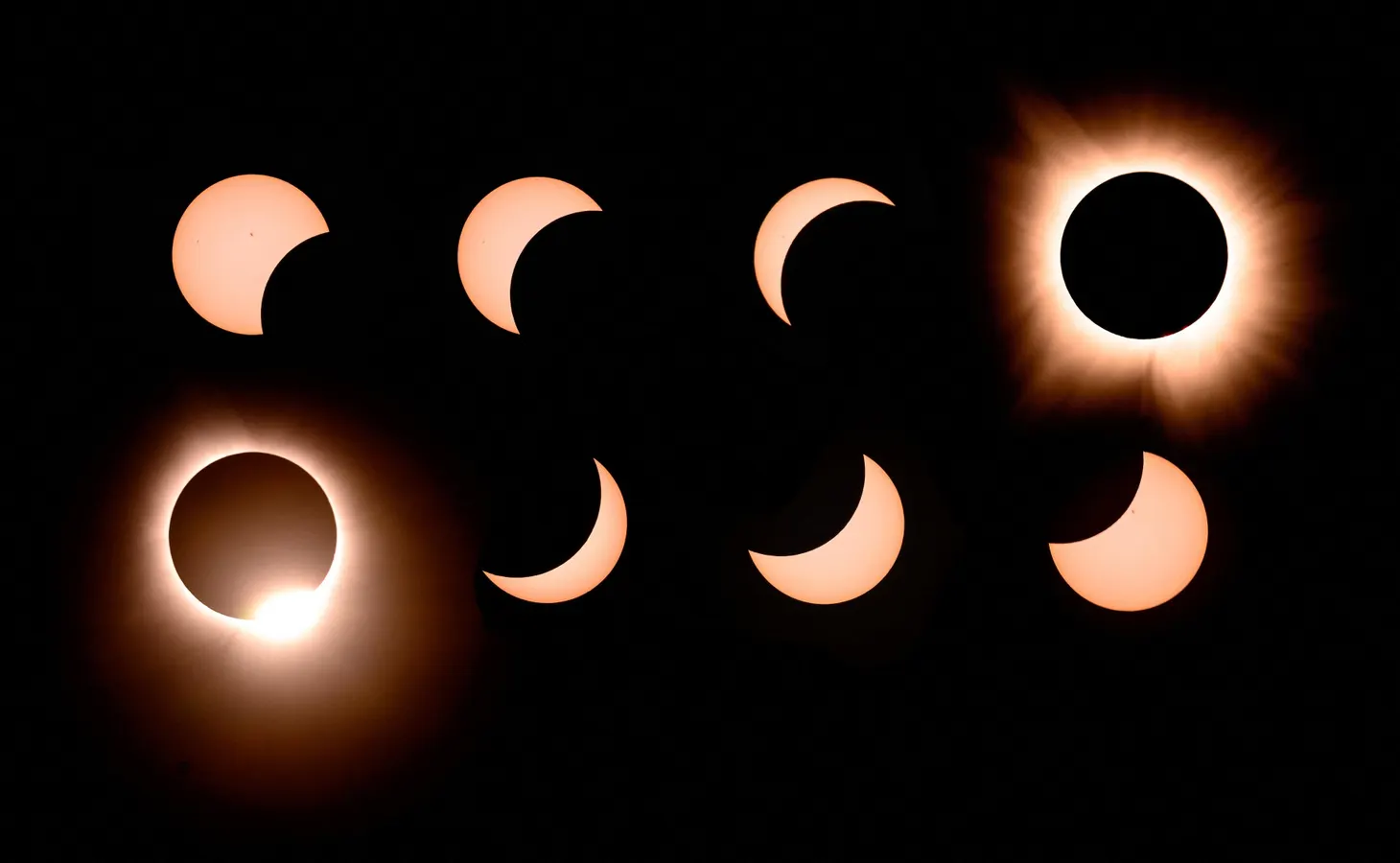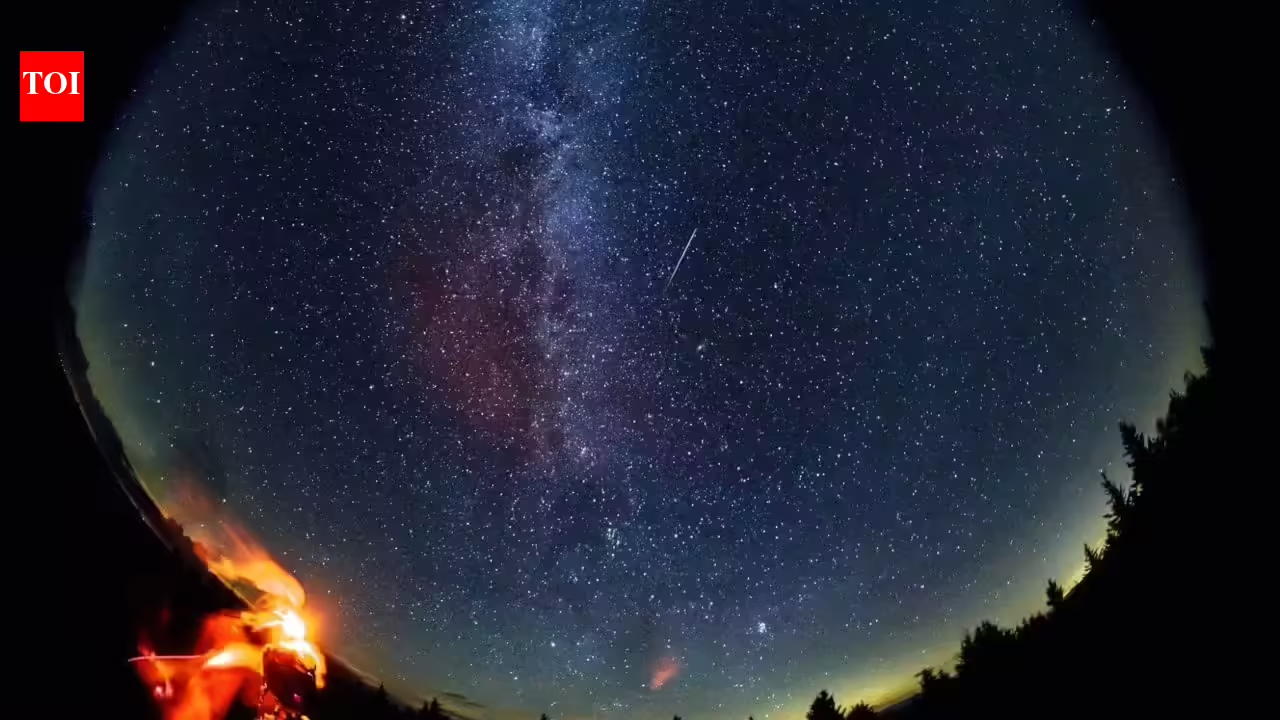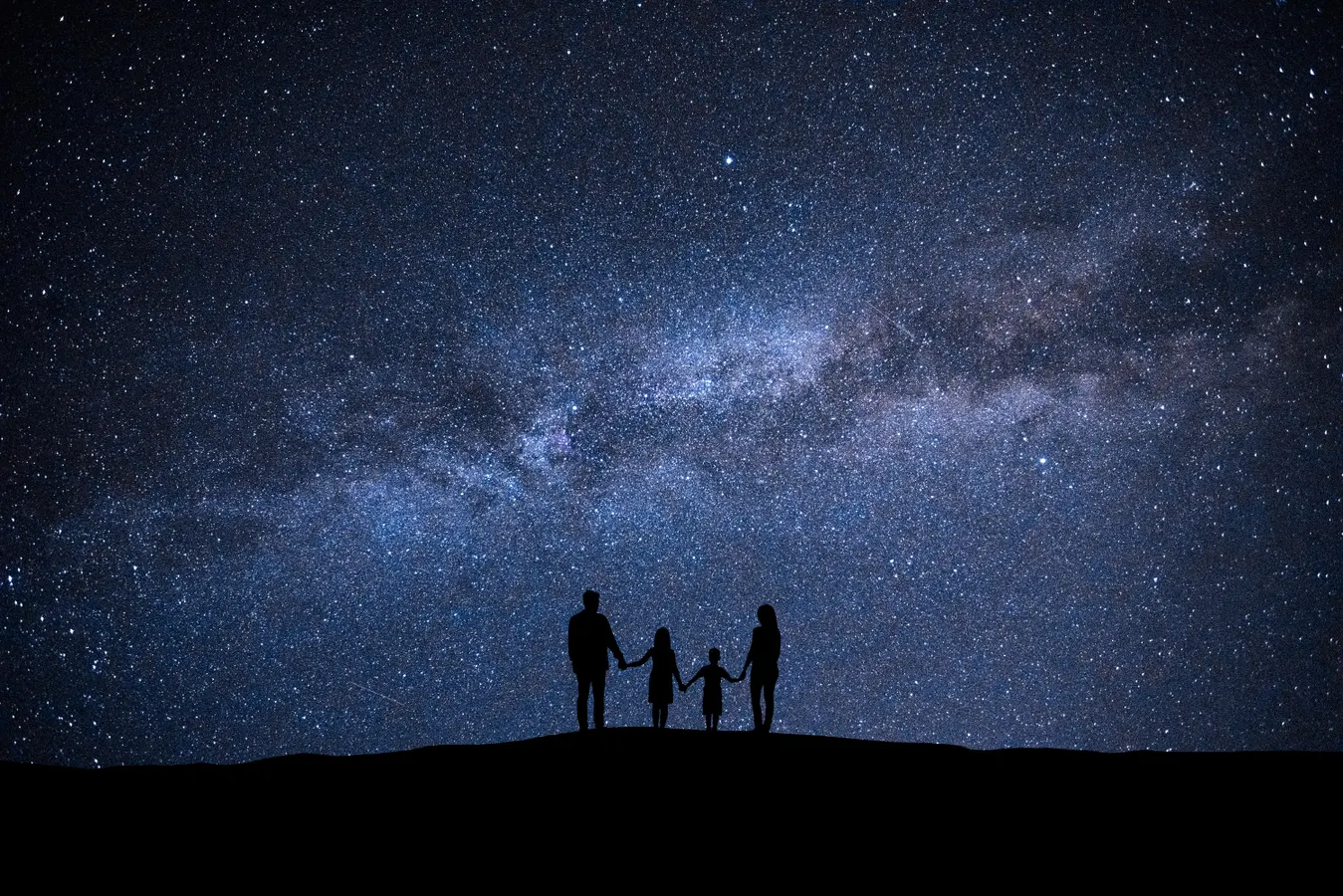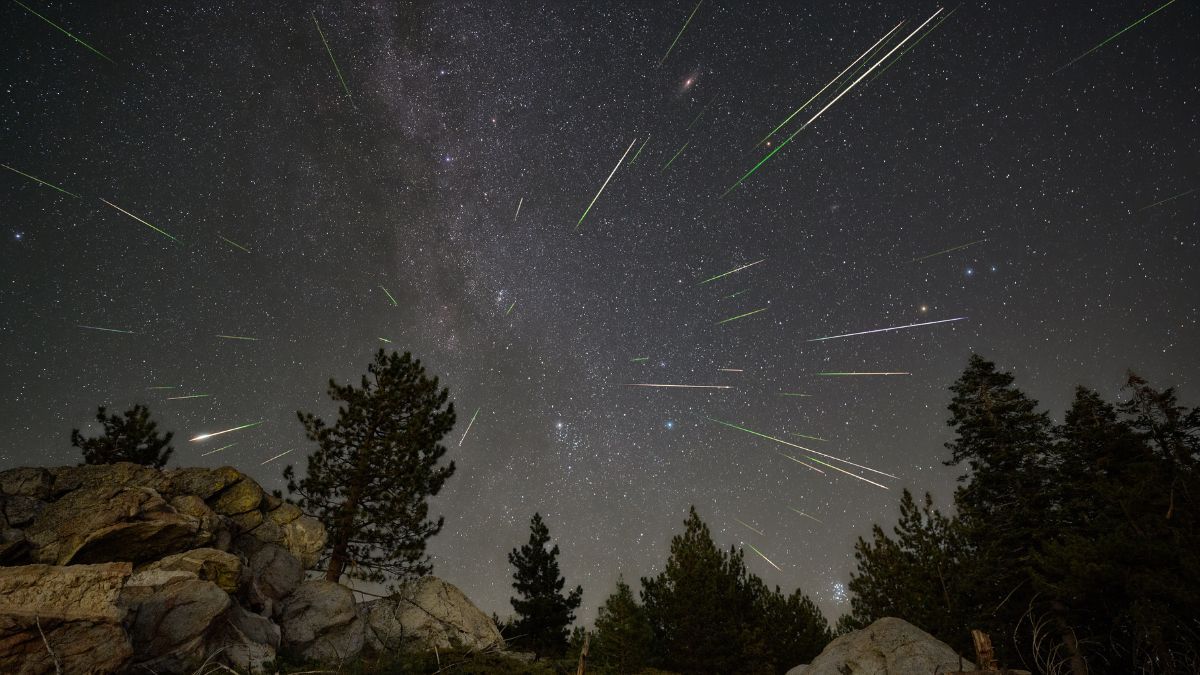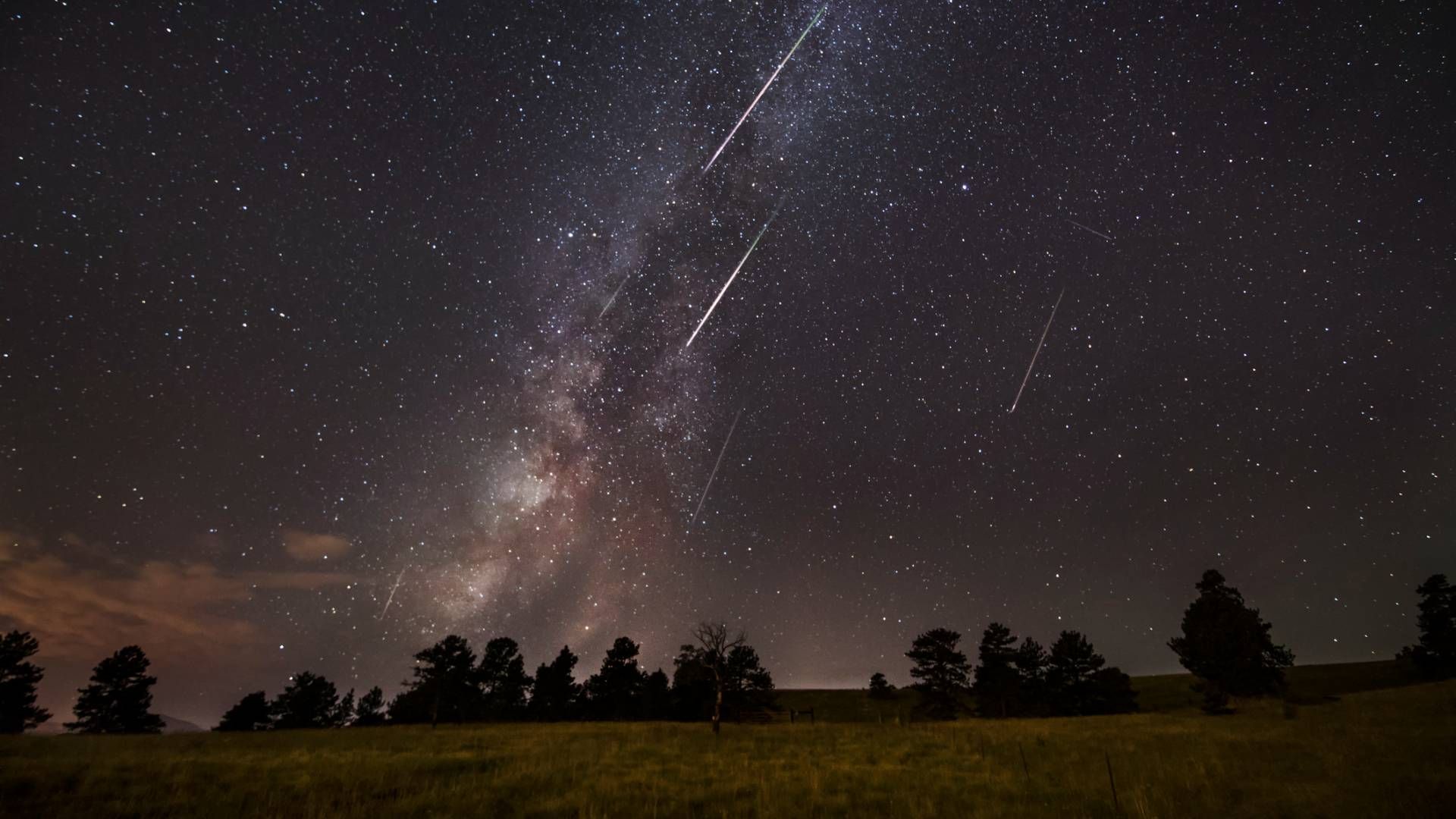
The peak of the Perseid meteor shower on Aug. 12-13 will be preceded by a partial solar eclipse in North America.
(Image credit: Don Grall via Getty Images)
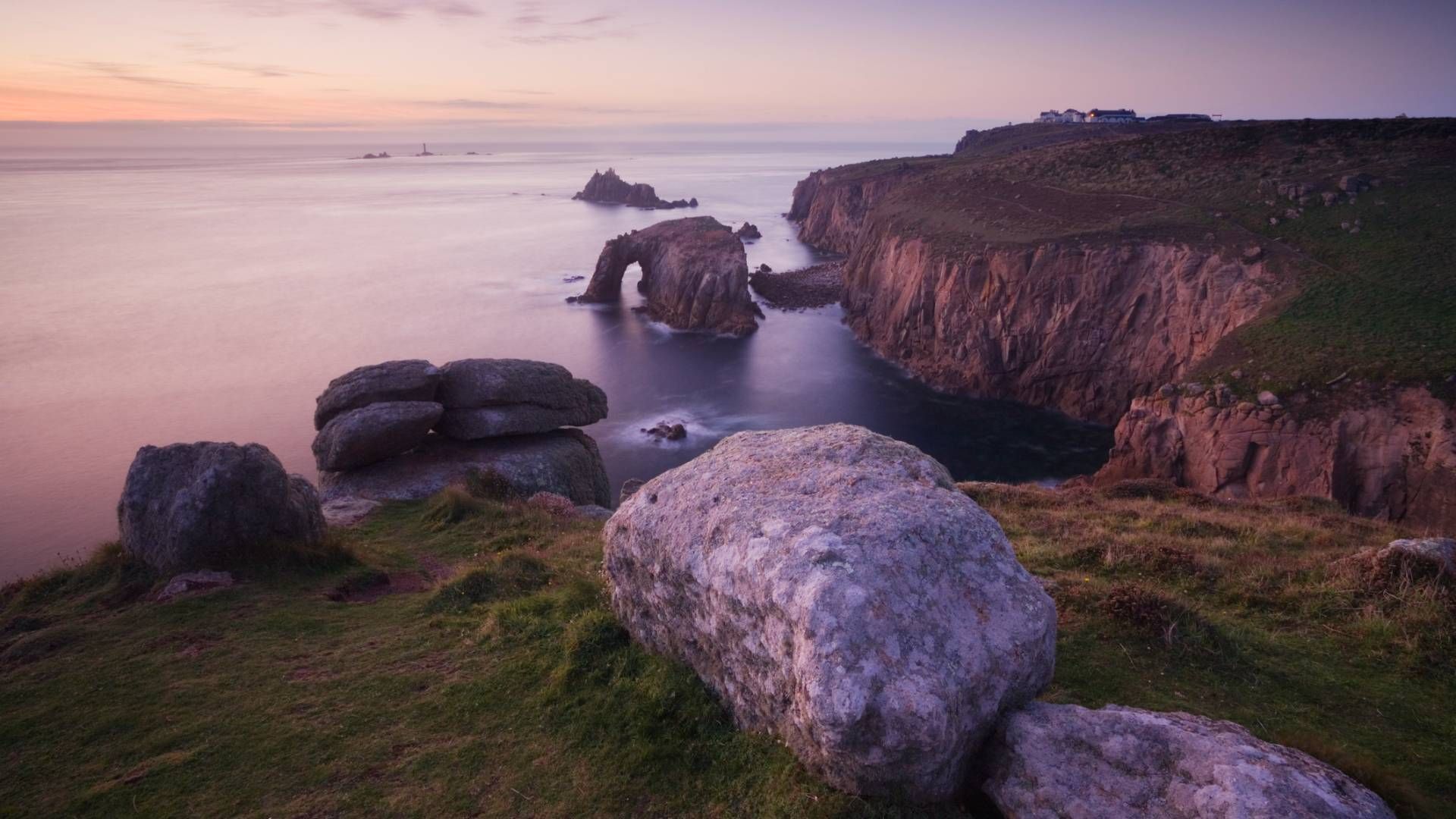
Aug. 12, 2026, offers a rare double-header for skywatchers across northeastern North America: a partial solar eclipse during the afternoon followed, hours later, by the peak of the Perseid meteor shower beneath dark summer skies. The eclipse is part of a total solar eclipse happening in eastern Greenland, western Iceland and northern Spain."The neat thing about seeing a partial eclipse, especially one that is total somewhere else, is that you get to join in with the whole event that's going on," Tyler Nordgren, astronomer and eclipse artist at Space Art Travel Bureau, told Space.com. "It is a worldwide event, and you can get a sense of the three‑dimensional nature of the universe."Together, the two events make a perfect excuse for an overnight astronomy road trip — whether that means heading into the mountains, camping beside a lake or escaping to a remote coastline. Pack a reclining camp chair, warm layers and plenty of bug spray, but before you do anything else, book a campsite because peak Perseids night can be one of the busiest camping nights of the year.Do take precautions with the solar eclipse. "It will not be safe to look at with the naked eye, and it will not be safe to photograph with a camera that doesn't have a solar filter on it," Nordgren explained. "If you've got eclipse glasses left over from 2024, take them out, point them at a bright light bulb, and make sure there is no light coming through any pin pricks or scratches."Eclipse timings and sightlines are from Xavier Jubier's Interactive Google Maps; cloud cover is from Time and Date, and Bortle and sky quality meter (SQM) data come from the Light Pollution map. Bortle and SQM ratings indicate darker skies and better stargazing conditions.REMEMBER: During a partial solar eclipse, it is never safe to look directly at the sun without proper solar viewing protection, such as certified eclipse glasses or approved solar filters. Read our guide on how to observe the sun safely.1. Gros Morne National Park, Newfoundland