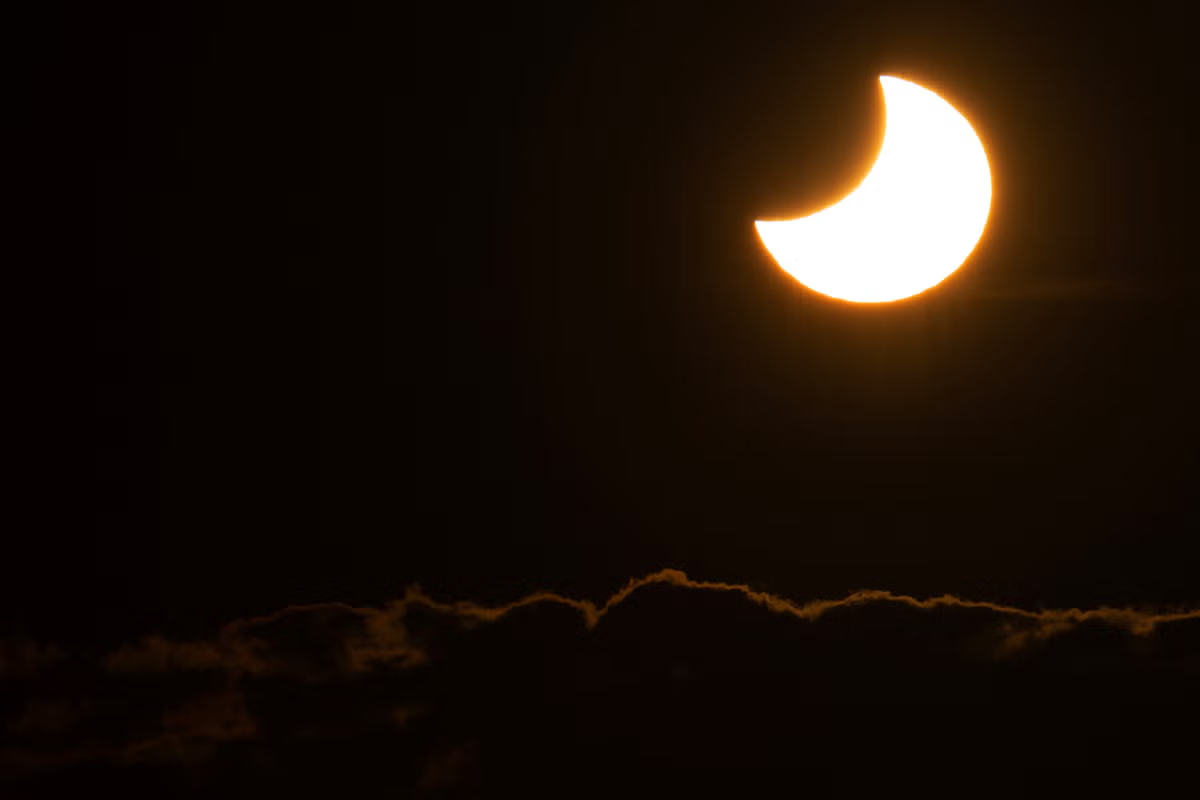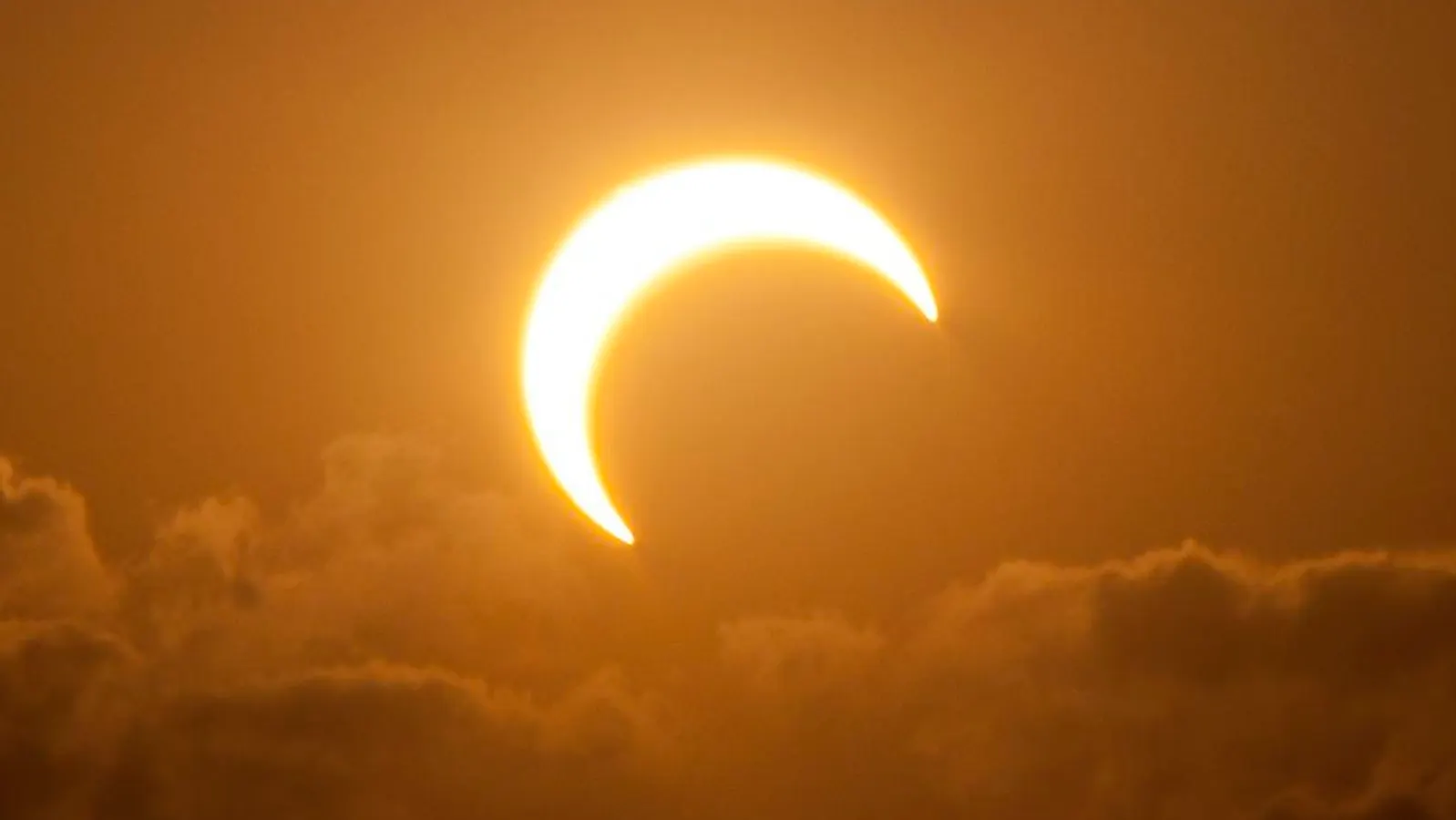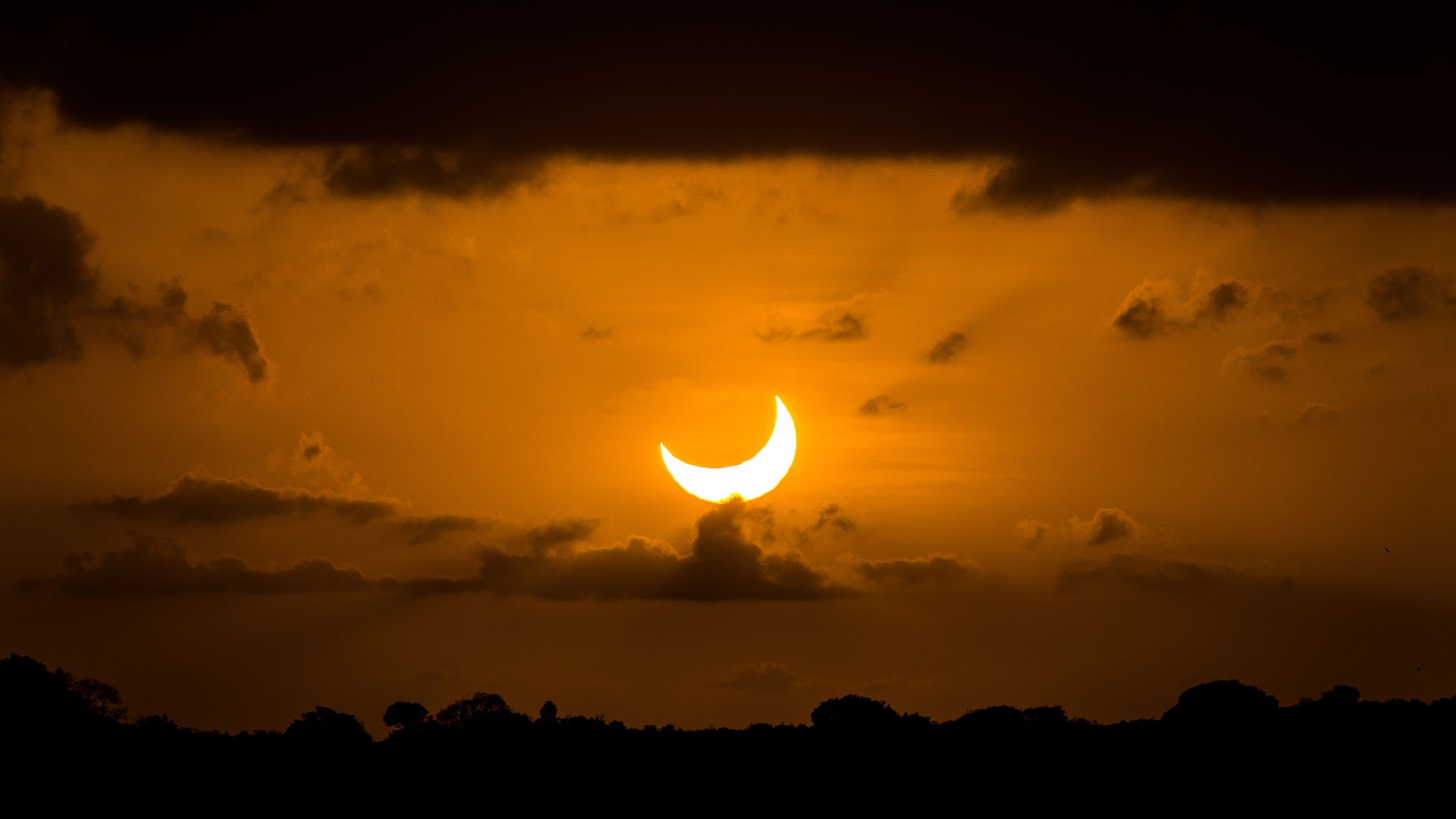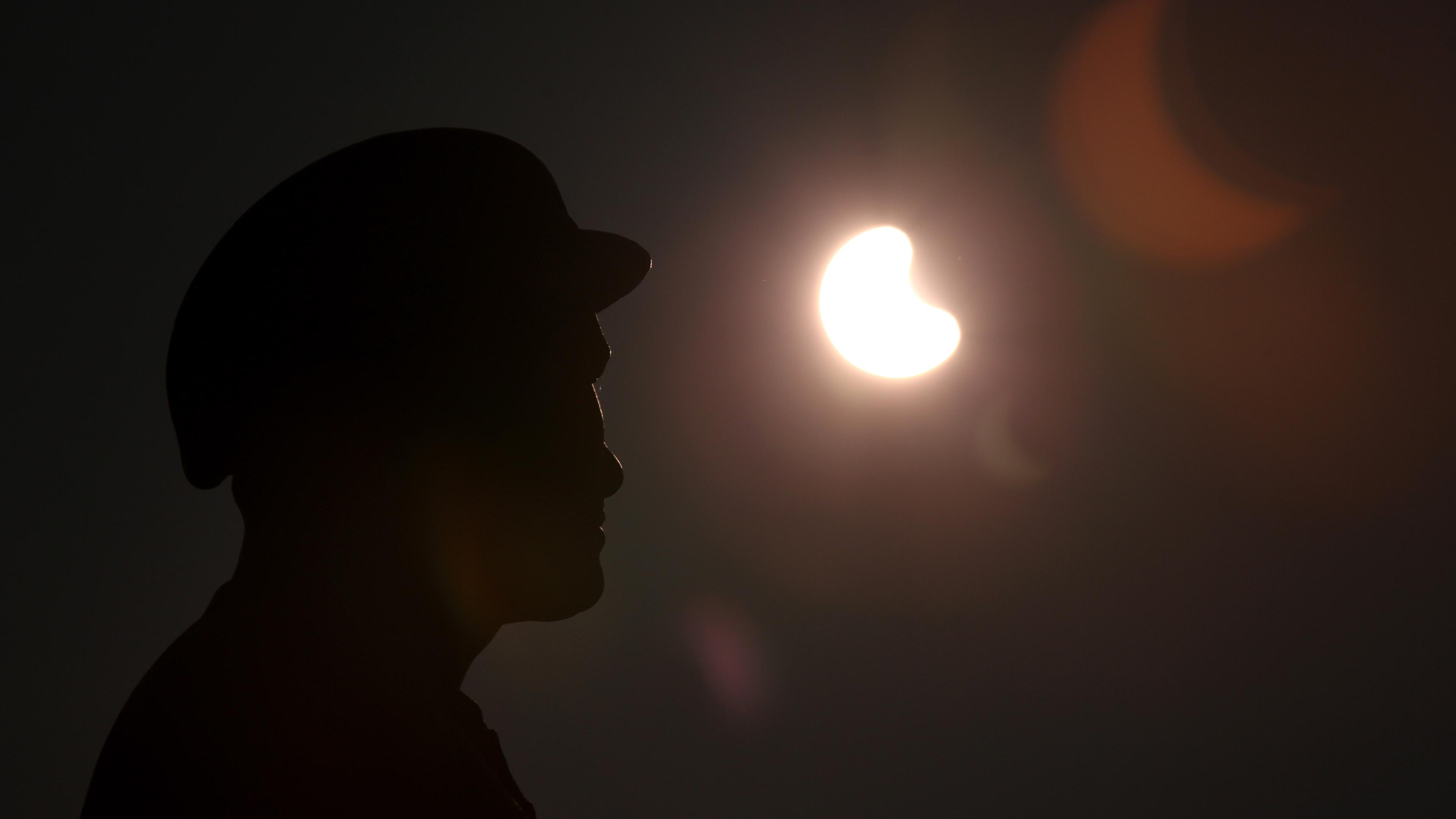
Land's End in the UK will see a very deep partial solar eclipse on Aug. 12.
(Image credit: James Osmond via Getty Images)
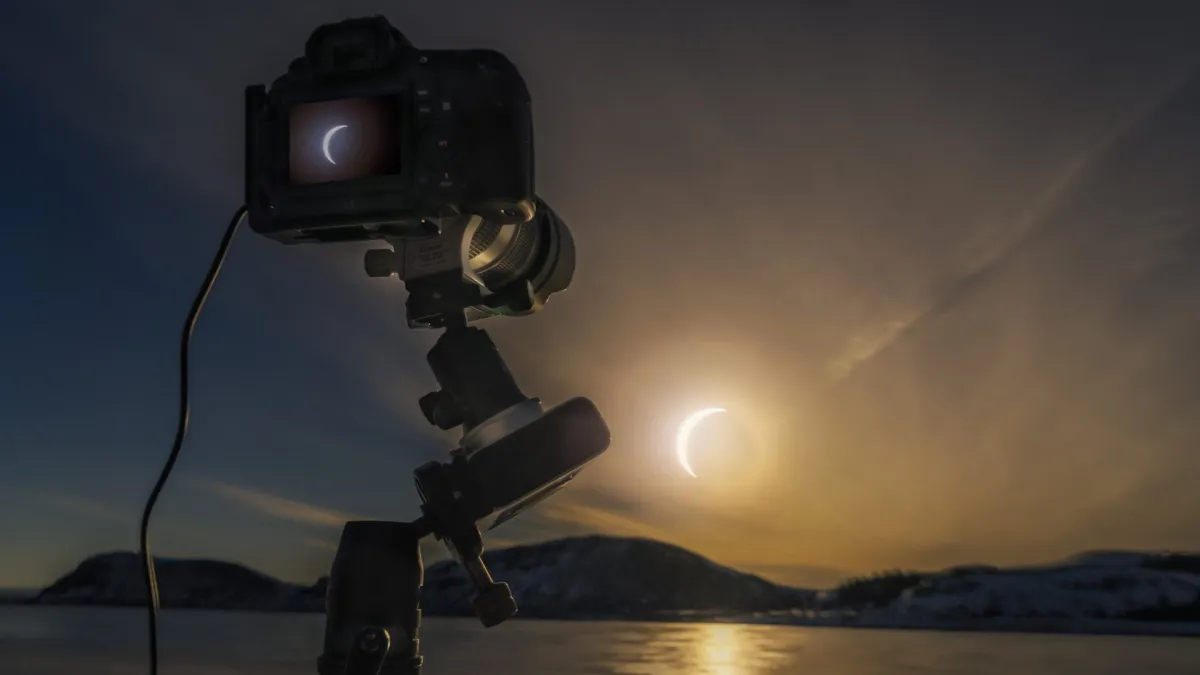
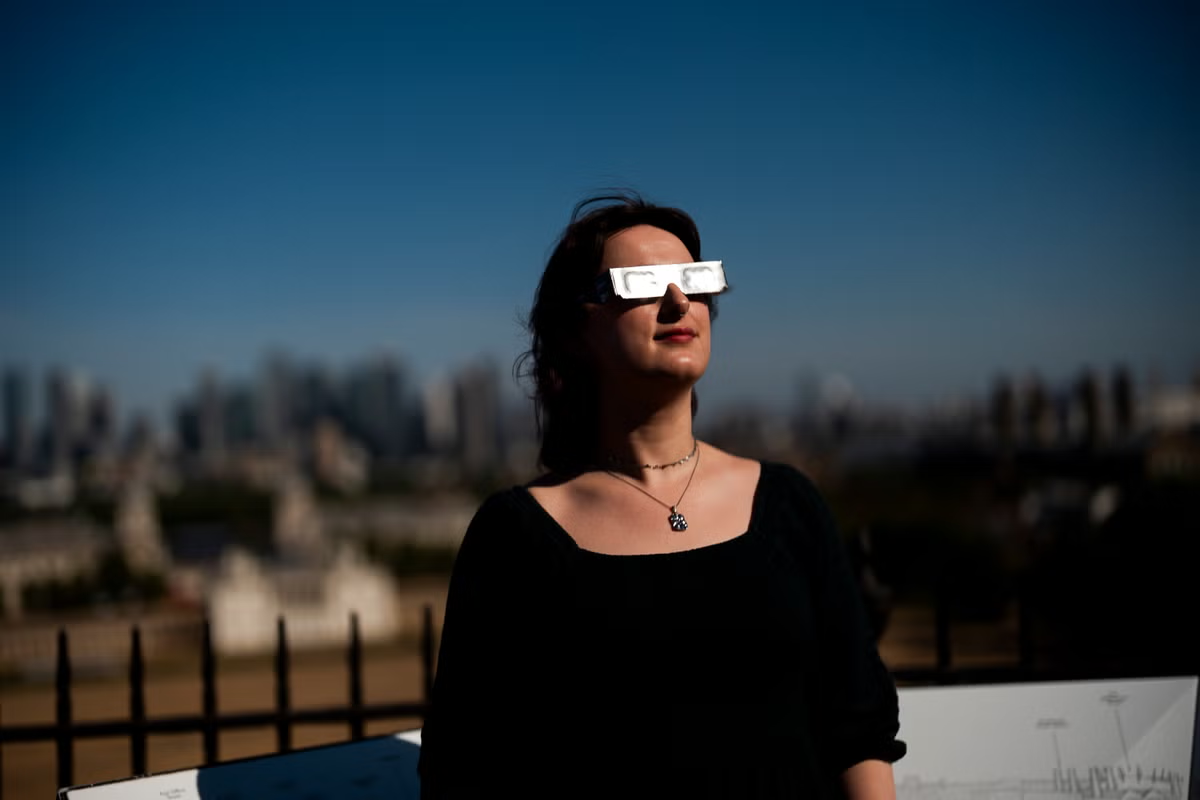
On Aug. 12, 2026, skywatchers across the U.K. will experience a rare astronomical double-header: a deep partial solar eclipse before sunset followed, hours later, by the peak of the annual Perseid meteor shower. Although the path of totality will sweep from Greenland and Iceland to Spain, it will miss Britain entirely. However, the solar eclipse will still be dramatic, with up to 96% of the sun obscured for viewers in the far southwest.This will be the U.K.'s deepest partial solar eclipse since 2015, and timing will be everything. The eclipse reaches its peak around 7:00-7:16 p.m. BST, with the sun hanging low above the west-northwest horizon as a narrowing crescent shortly before sunset. Because the sun will be relatively low, choosing the right location will matter far more than traveling huge distances. Coastal viewpoints, hilltops and open landscapes with unobstructed western horizons will offer guaranteed views — if the sky is clear.The locations below prioritize another crucial factor: dark skies. While the eclipse will be visible almost everywhere in the U.K. and most will be happy to see it from close to where they live, the real reward comes after darkness falls, when the Perseids begin flashing across the sky. Find somewhere remote, stay overnight — ideally camp — and this could become one of the most memorable observing sessions of the year.Eclipse timings and sightlines are from Xavier Jubier's Interactive Google Maps; cloud cover is from Time and Date, the figures reflect long-term climatological averages for mid-August, not weather forecasts. Bortle and sky quality meter (SQM) data come from the Light Pollution map.During a partial solar eclipse, it is NEVER safe to look directly at the sun without solar eclipse glasses designed for solar viewing. Read our guide on how to observe the sun safely.1. Hugh Town