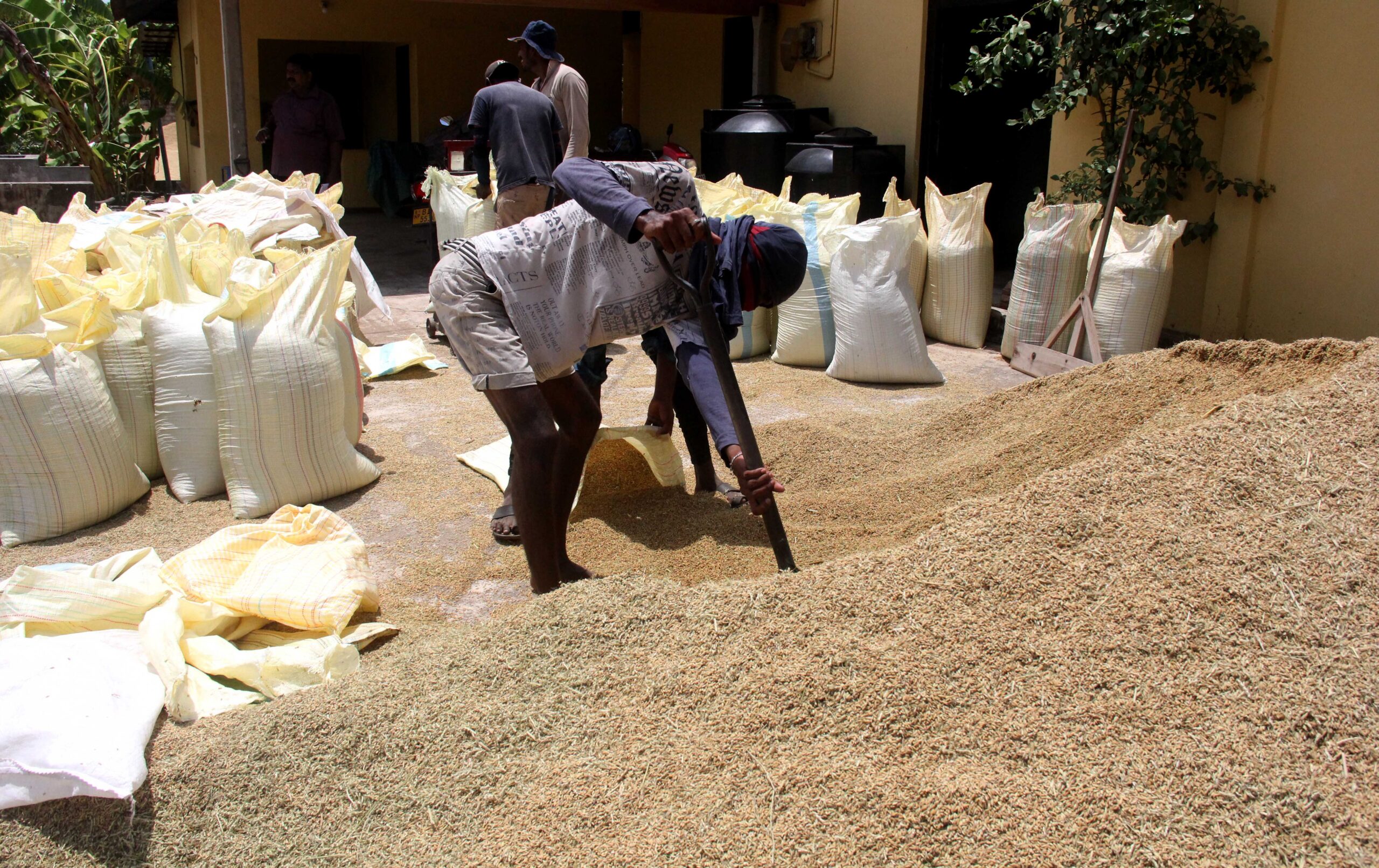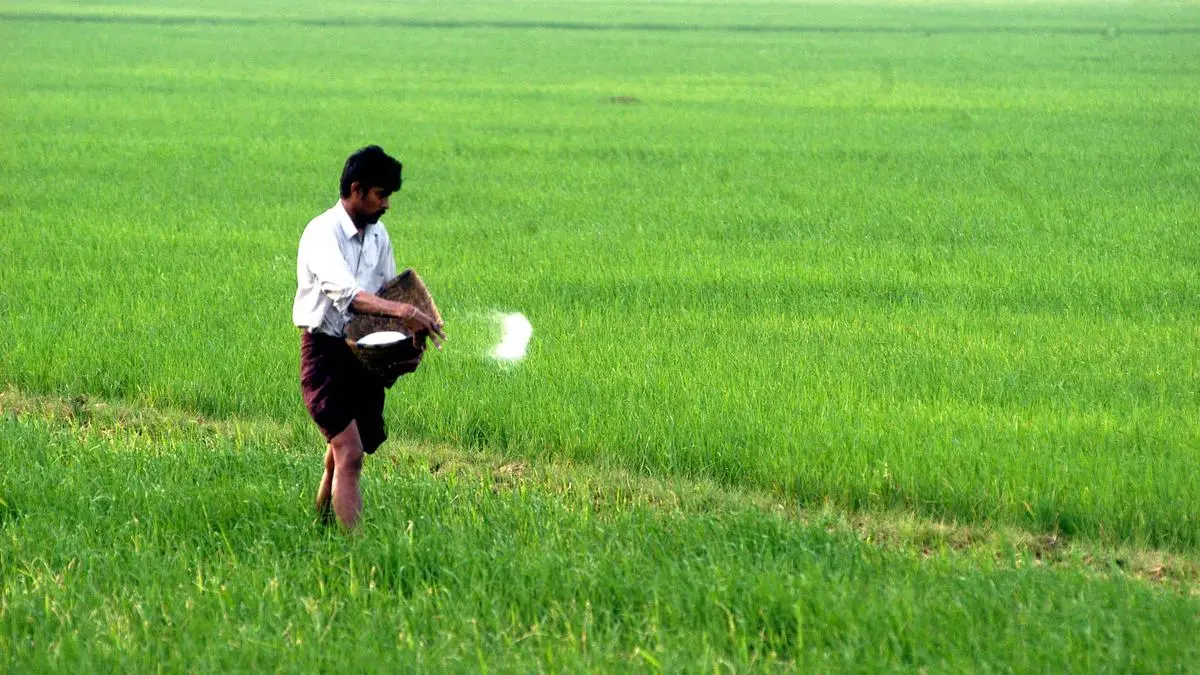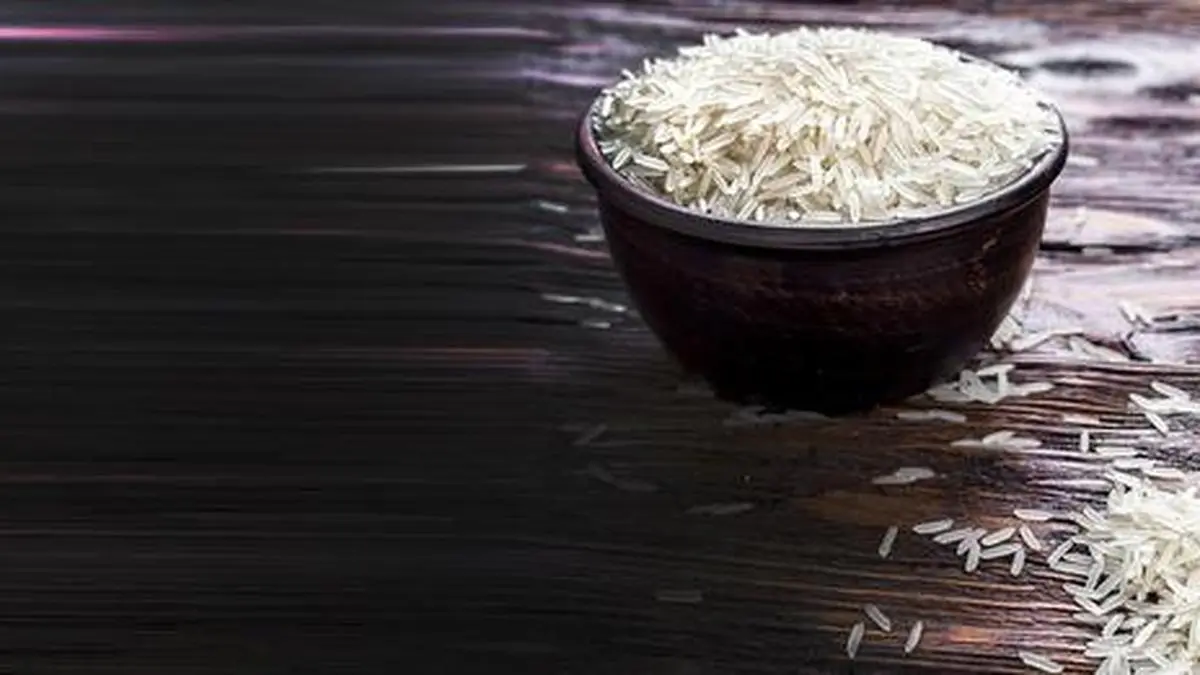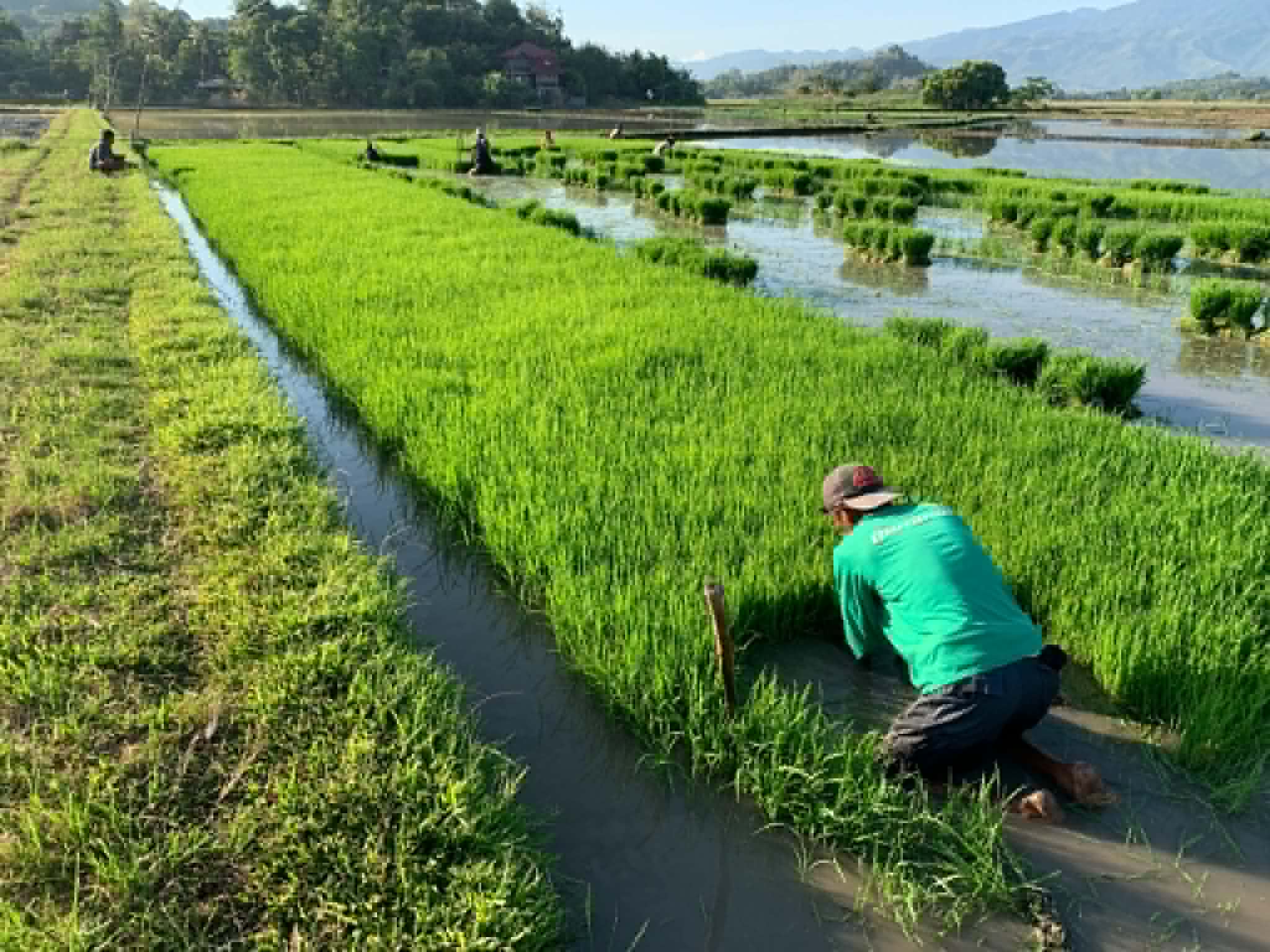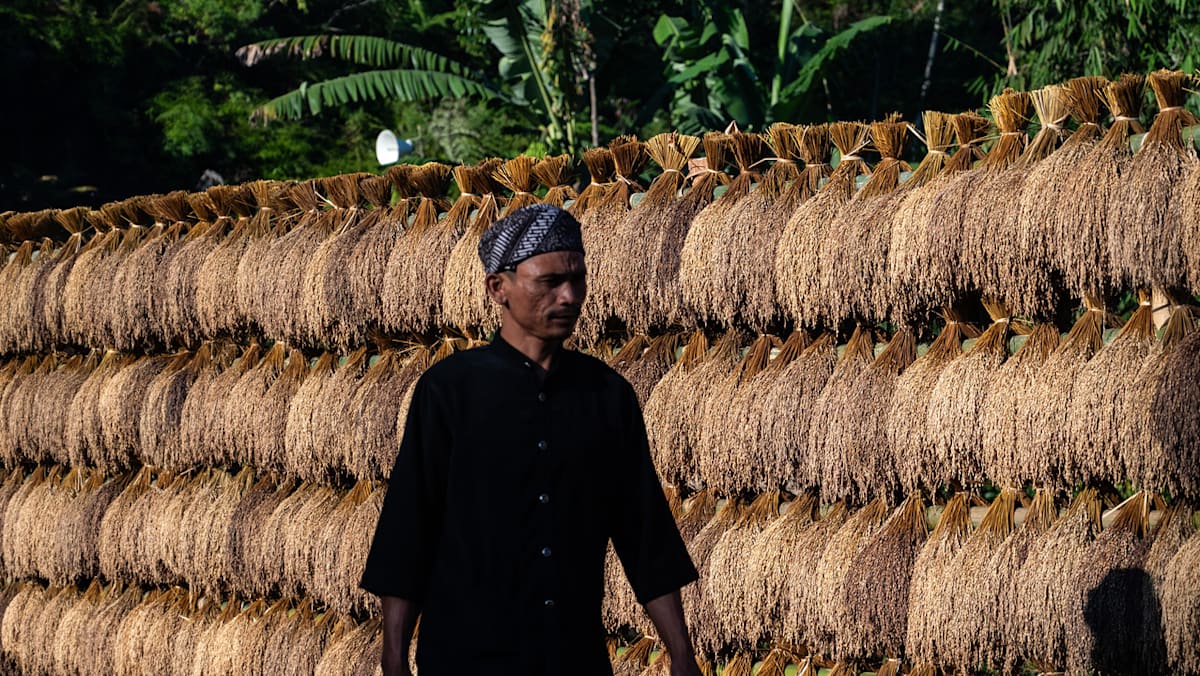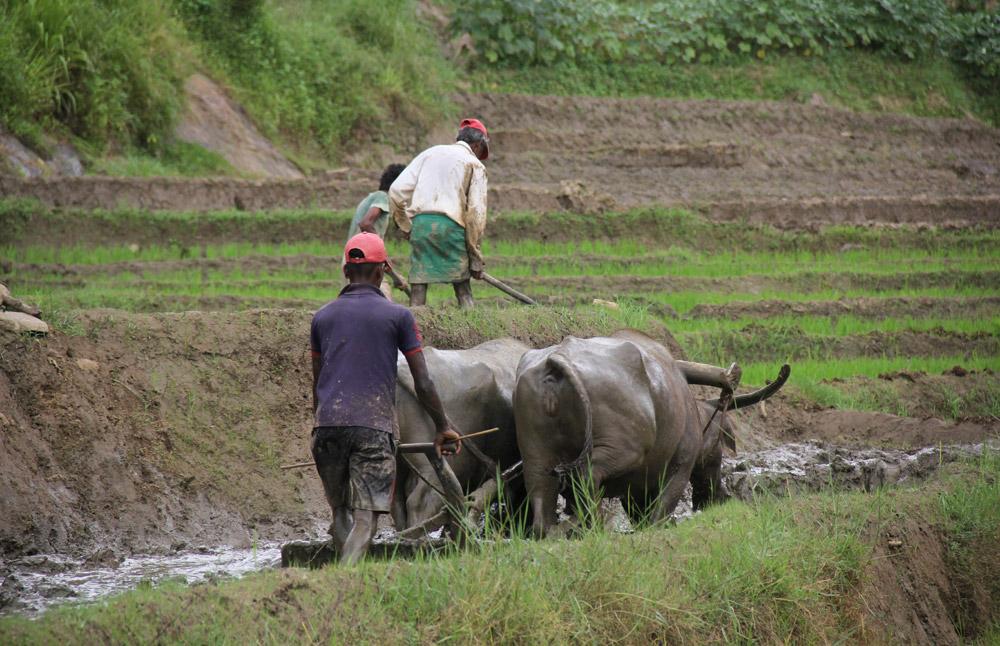
Heirloom rice varieties have been cultivated in Sri Lanka for centuries and flourished before the country’s “Green Revolution” that modernized agriculture in the mid-20th century.Around 2,500 of these heirloom rice varieties are currently preserved at Sri Lanka’s Plant Genetic Resources Centre.Traditional rice varieties possess various nutritional and medicinal properties which are useful in the management of non-communicable diseases, researchers say.Scientific recommendations have been developed to help farmers minimize climate-related risks during the upcoming cultivation season.
WASGAMUWA, Sri Lanka – Prior to the 1940s and the Green Revolution, Sri Lankan paddy farmers cultivated traditional rice, locally known as purana haal. These rice cultivars were resilient and known to possess various nutritional and medicinal properties yet were soon replaced by new improved rice varieties to obtain better quality and bigger yields.
Karu Herath, an heirloom paddy farmer in the village of Dunuwila, bordering the Wasgamuwa National Park located within the Matale and Polonnaruwa districts, has cultivated heirloom paddy varieties for the past 27 years. He told Mongabay that fewer than 30 varieties remain out of the estimated 2,500 varieties of heirloom rice that once existed, a claim supported by rice researchers.