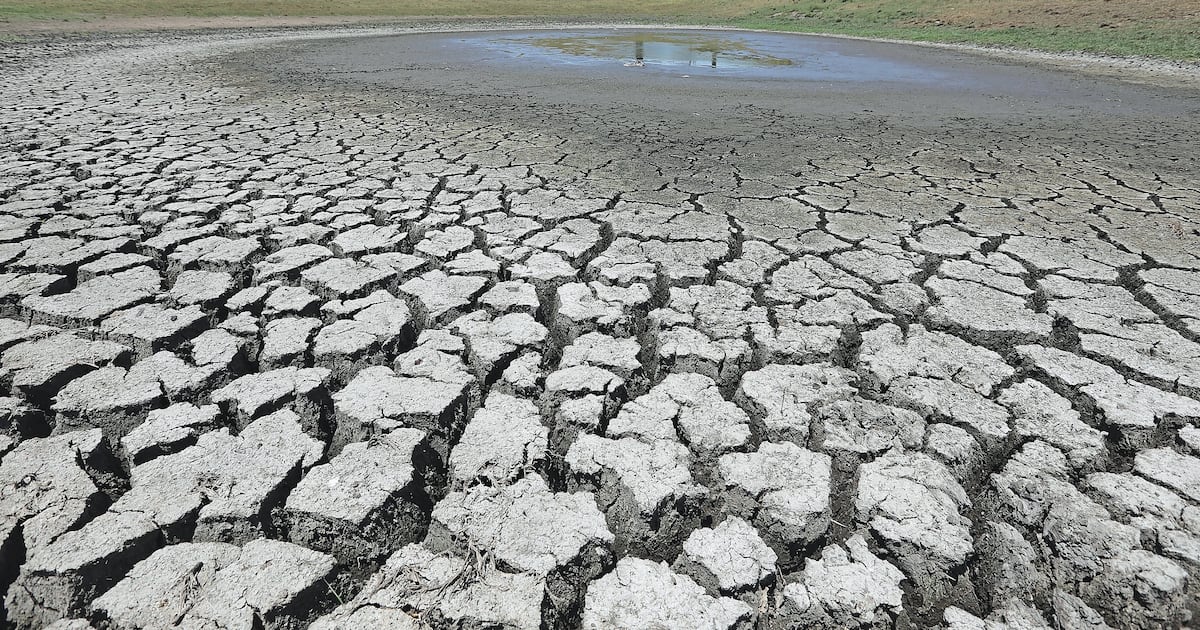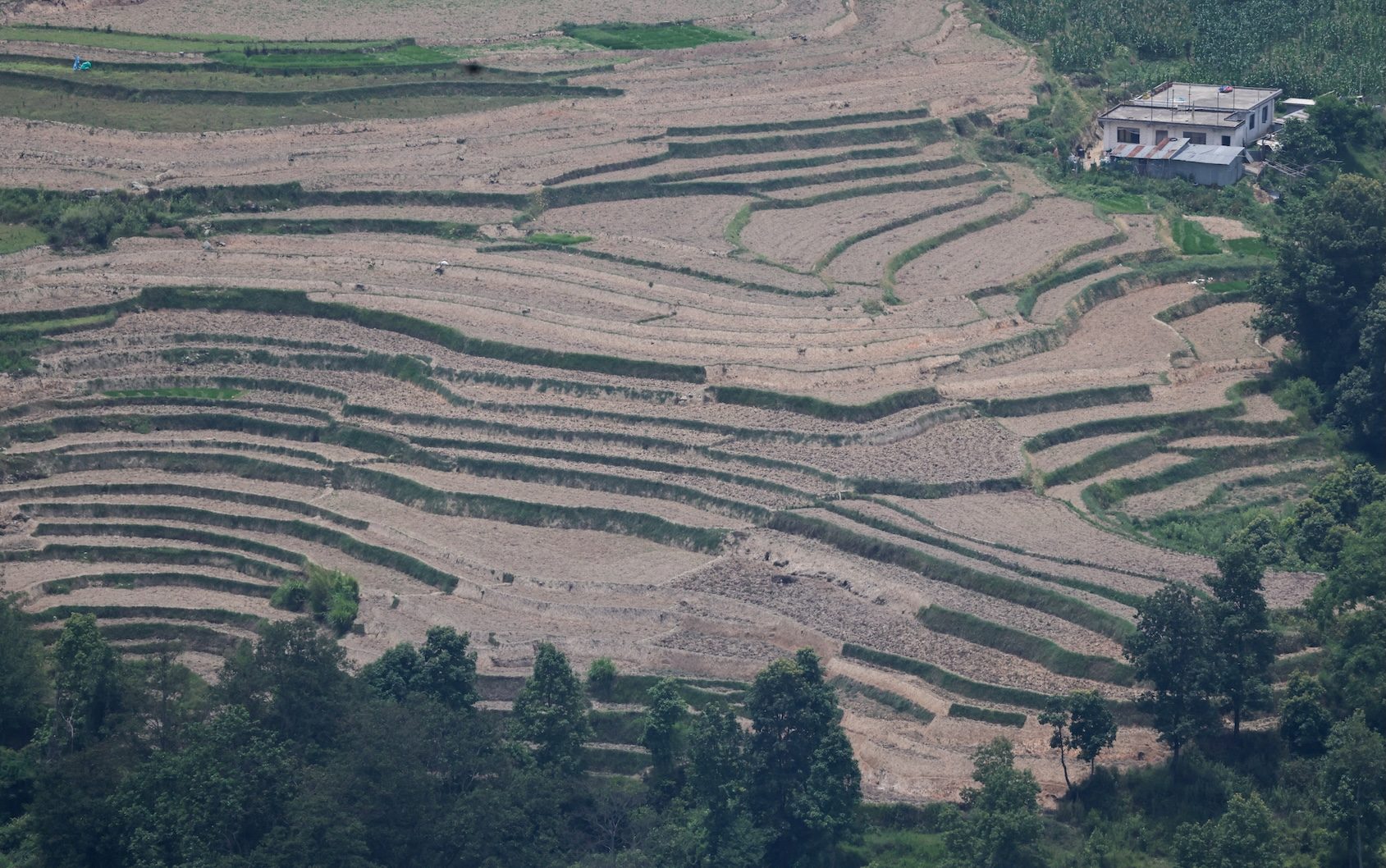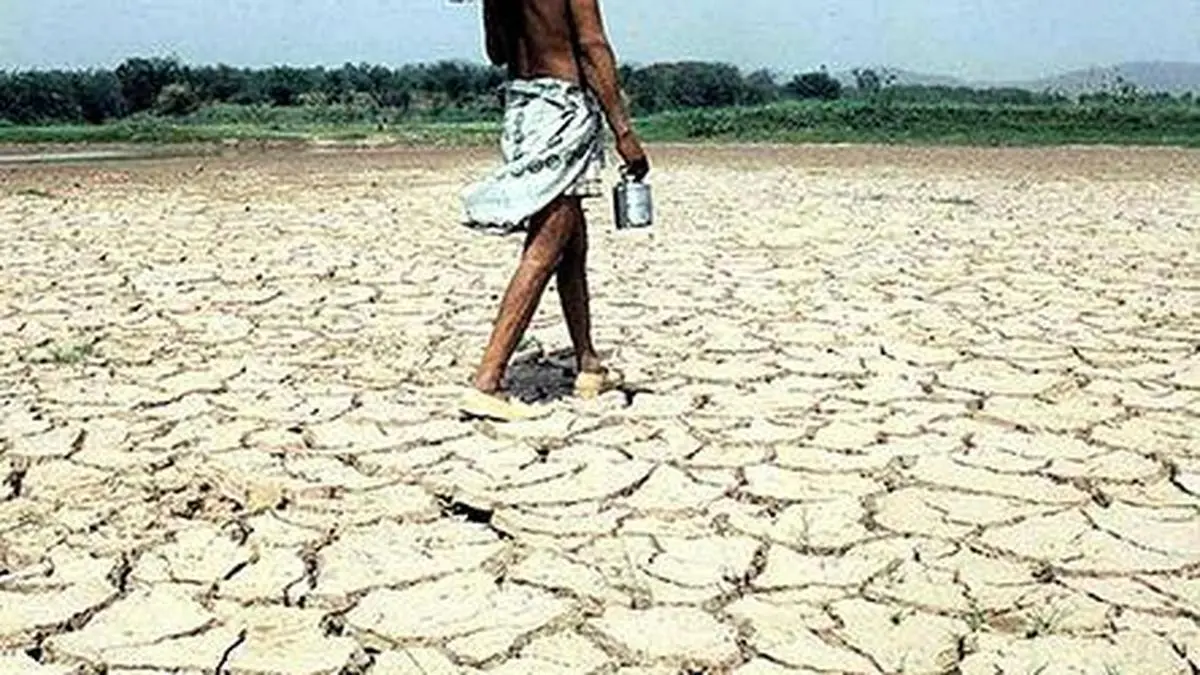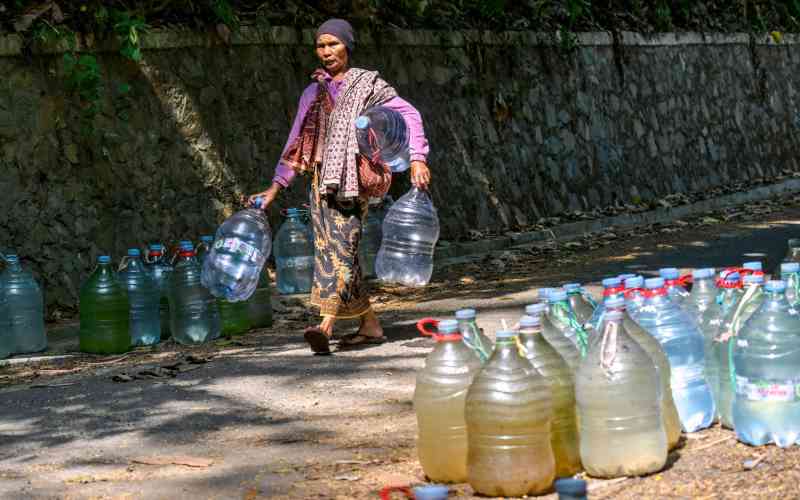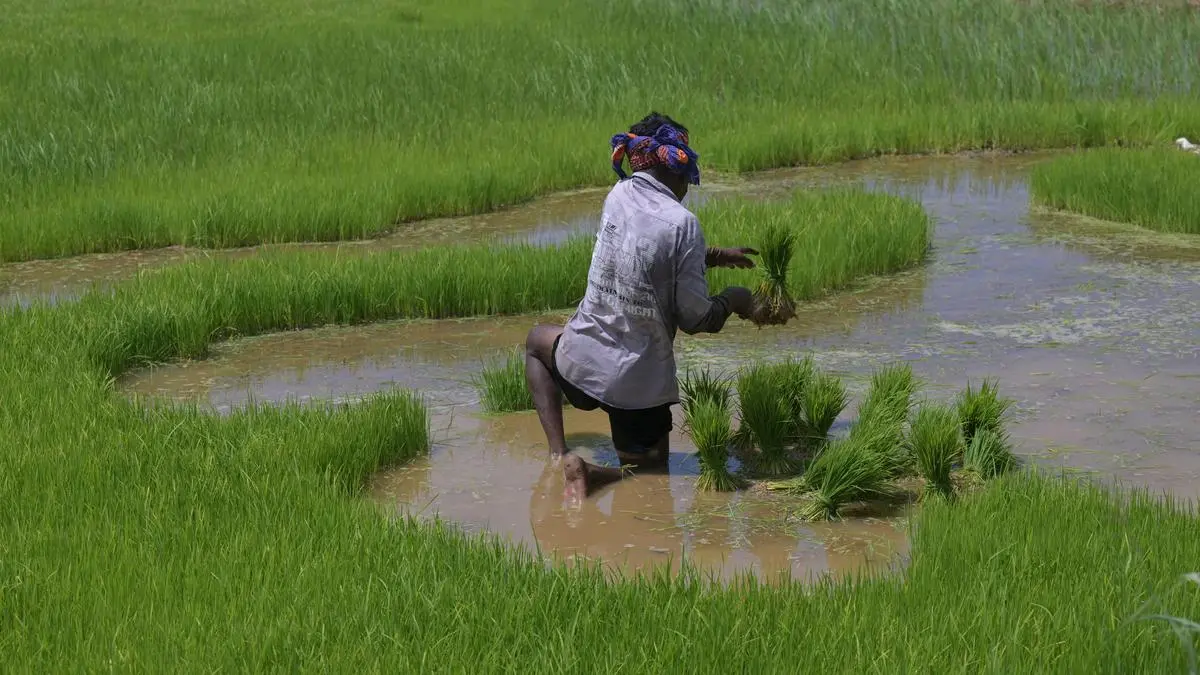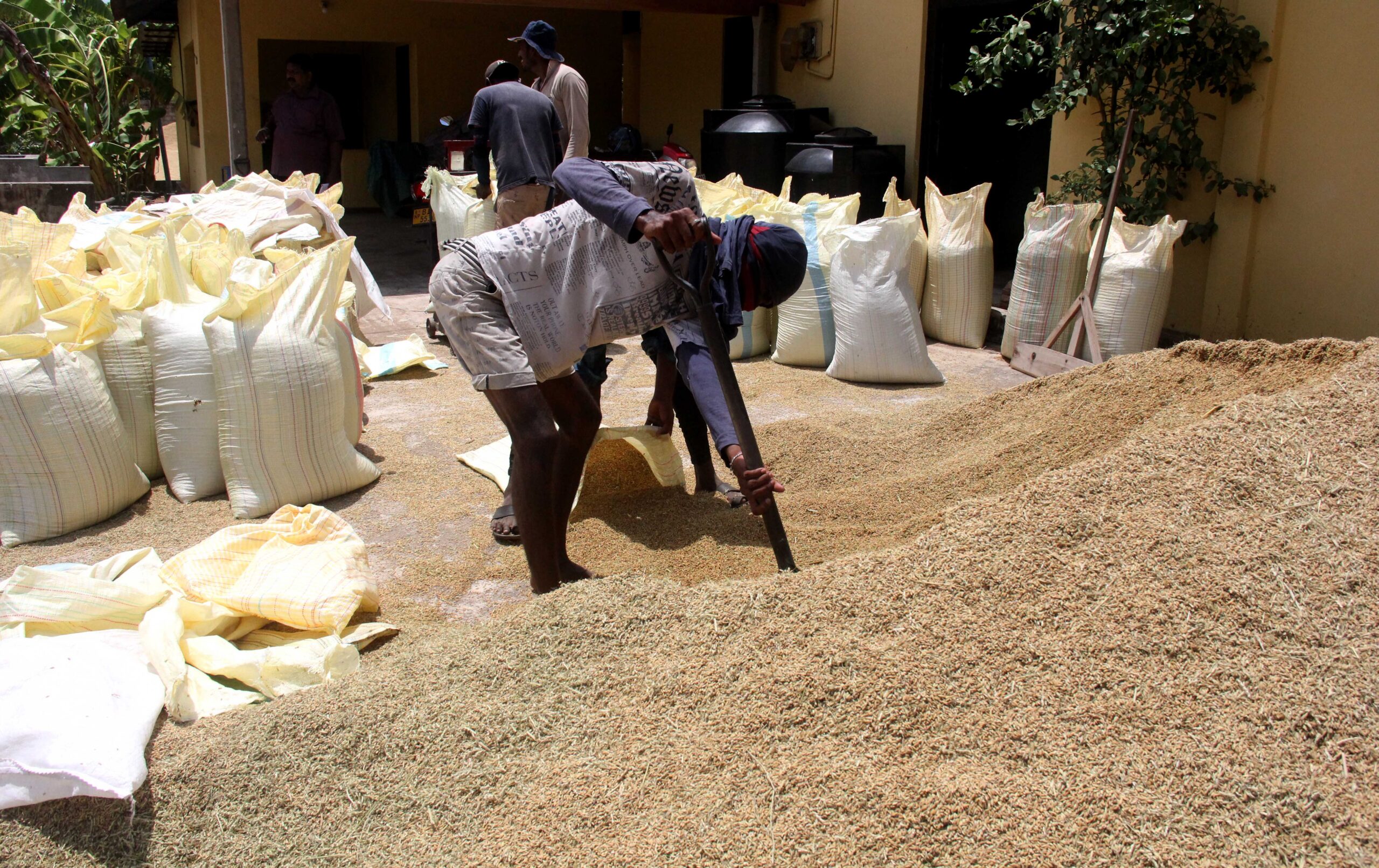
According to traditional Sri Lankan paddy farmers, long dry spells have occurred every four to seven years.Sri Lanka has experienced around 25-26 El Niño events from 1950 to date, out of which only three have been strong El Niño events, meteorology department officials say.The irrigation department has introduced new water-saving techniques such as alternative wetting and drying to preserve excess water during the forecasted dry season.Attempts are also being made to integrate science into decision making, but there are gaps in research due to a lack of access to information, academics say.
COLOMBO — Even though Sri Lankan authorities are preparing to face an impending El Niño phenomenon, Rathnayaka Mudiyanselage Suwandarathne feels that the country may not be impacted as forecasted.
A second generation farmer from Thalangama in the Colombo District, Suwandarathne knows about weather and has been leading an agricultural revolution by promoting the cultivation of heirloom varieties of rice.
According to him, it is normal to experience a dry spell between July and September as forecasted. This period coincides with the Yala season, one of two paddy harvesting seasons in Sri Lanka. “By August, the dry period begins, and we need a dry season to obtain the harvest,” he told Mongabay. “We then conduct culturally significant events praying for rains. This is the cycle during the Yala season. Then again from December to March, there’s a drought season, which coincides with the Maha season. Long dry spells occur every four to seven years. But now, we have changed these harvesting cycles,” he said.