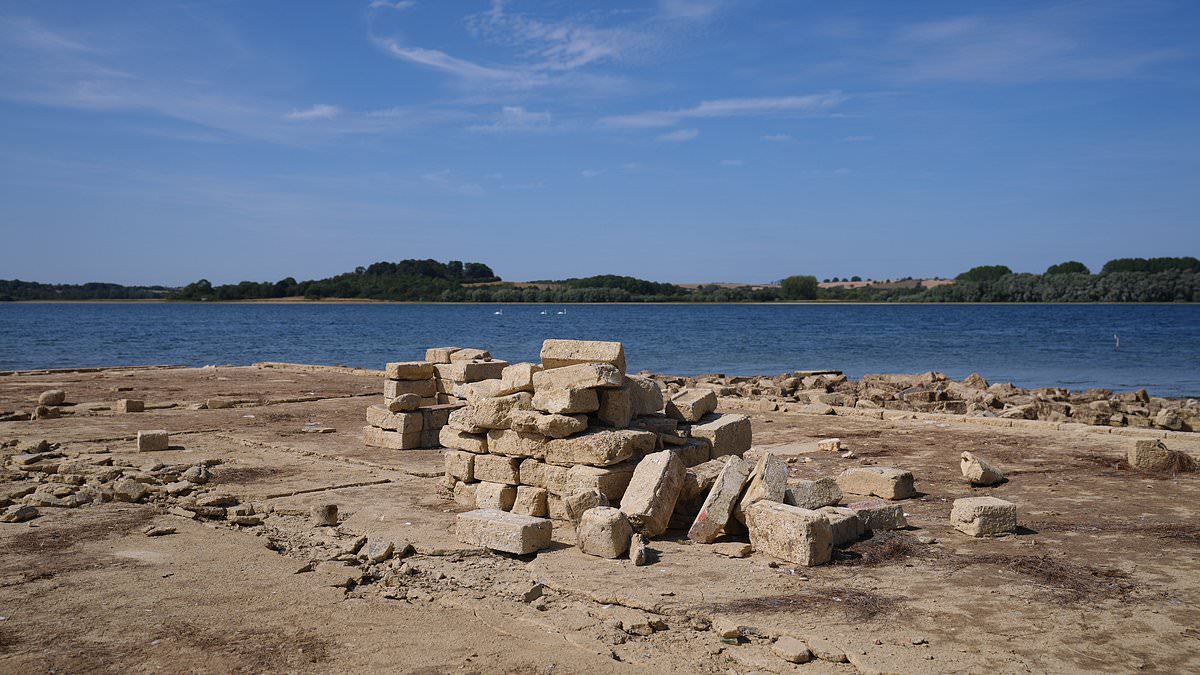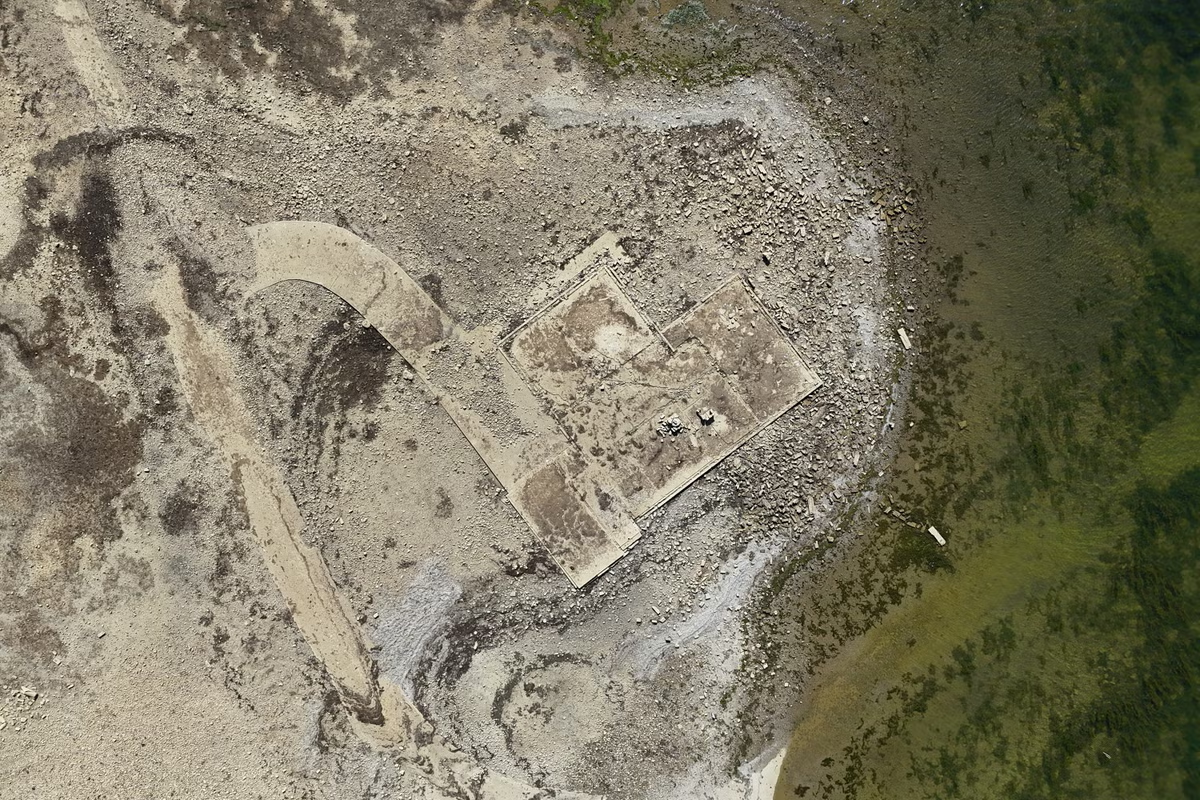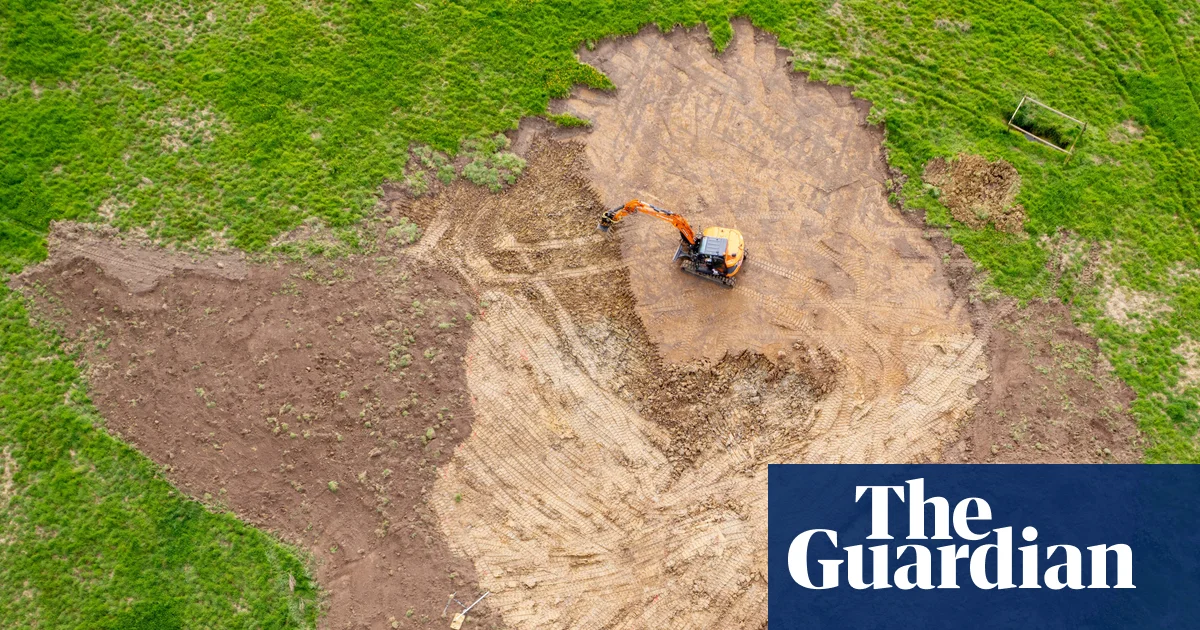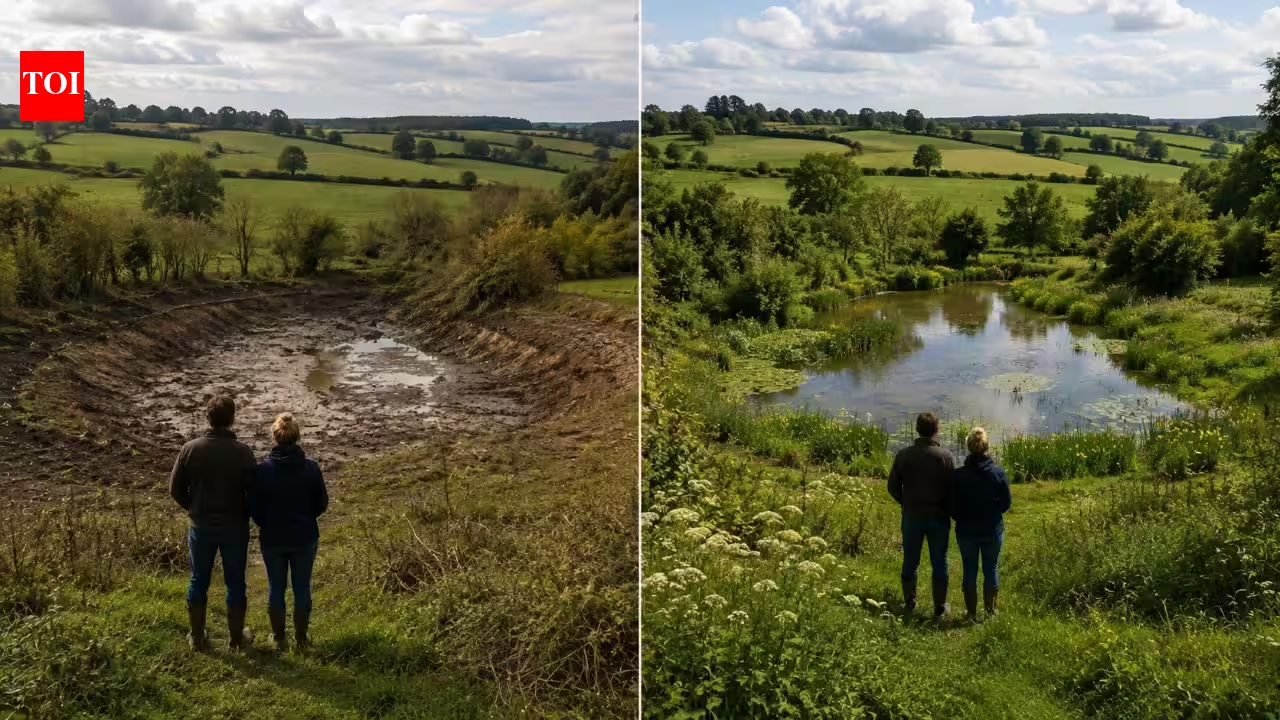
The representation of a rural pond transformation, showing the same landscape before restoration on the left and after restoration on the right. Image Credits: ChatGPT.A shallow depression in a field might look like little more than a patch of wet ground. But beneath the soil, some of these forgotten hollows contain ecosystems that have been dormant for decades, or even centuries. In eastern England, one farming couple discovered that simply uncovering these buried ponds could trigger an astonishing return of wildlife, demonstrating that restoring nature sometimes means reviving what was already there.According to the RSPB Chelmsford & Central Newsletter, Joe and Emma Gray restored 11 "zombie" ponds on their 450-hectare regenerative farm near Braintree in Essex after they became overgrown or filled with sediment. Their success encouraged neighbouring farmers to restore about 80 more ponds within a five-kilometre radius through the Essex Lost Ponds Project, creating a growing network of wildlife habitats.Bringing forgotten ponds back to lifeMany of Britain's farm ponds disappeared during the 20th century as agriculture became increasingly mechanised. Horses no longer needed watering ponds; fields were enlarged to accommodate machinery; hedgerows were removed; and countless small wetlands were filled to create larger areas for cultivation. Some ponds vanished completely beneath layers of soil and became known as "ghost ponds". Others survived as shallow depressions hidden beneath dense vegetation or accumulated sediment. Conservationists often refer to these partially buried wetlands as "zombie ponds" because they can be brought back to life with relatively modest restoration work.The Greys recognised the value of these overlooked wetlands during a coppicing session in the woodland on their property. Once sunlight reached the long-forgotten depression, water returned, followed by wildlife. Inspired by these findings, the project expanded beyond the Gray family's farm. According to the Essex Wildlife Trust, volunteers involved in the Essex Lost Ponds Project have mapped more than 17,200 historic ponds across the county. Working with local Farm Clusters, the project has also helped create or restore around 80 ponds, reconnecting fragmented freshwater habitats across the Essex countryside. It brought together the Essex Wildlife Trust, the Royal Society for the Protection of Birds and the Farming Wildlife & Advisory Group to help neighbouring landowners identify forgotten ponds using historic maps, aerial photographs and field surveys.Nature remembers what people forgetAccording to Biological Conservation, many buried ponds retain a viable "propagule bank" of dormant seeds and spores beneath their sediments. Even after decades or more than a century underground, these long-dormant propagules can germinate once the pond is excavated and water returns, allowing native aquatic plant communities to re-establish far more quickly than scientists once believed.This natural memory explains why newly restored ponds can rapidly develop rich communities without extensive replanting. Aquatic insects arrive by flight, amphibians colonise from nearby wetlands, and birds begin using the restored water bodies for feeding and breeding. For farmers, restoring old ponds can also make practical sense. Most occupy unproductive corners of fields or poorly drained areas that contribute relatively little to crop yields. Reviving these sites often has little effect on food production while creating stepping stones that help wildlife move across intensively farmed landscapes.Horse Pond on Park Road, Little Easton, Essex, England. Image Credits: Wikimedia Commons.Small wetlands with a big ecological roleAlthough ponds occupy only tiny areas of farmland, their ecological importance is disproportionately large. Biological Conservation also notes that ponds support exceptionally high levels of freshwater biodiversity, providing habitat for amphibians, aquatic plants, insects, birds and mammals. Networks of small ponds are particularly valuable because they improve habitat connectivity, allowing species to disperse between wetlands and making populations more resilient to environmental change.The Essex Lost Ponds Project has also changed attitudes among farmers. Rather than viewing conservation as competing with agriculture, many participants now see pond restoration as an efficient way to improve biodiversity without sacrificing productive farmland. Funding support and technical guidance have further encouraged landowners to restore forgotten wetlands that might otherwise have remained buried indefinitely.The revival of such “zombie” ponds shows that ecological restoration does not always require creating brand new environments. At times, seeds and spores lie hidden under the soil until conditions allow them to re-emerge. The restoration of 11 abandoned ponds was enough for one farming couple to convince dozens of neighbouring owners to contribute to the restoration of their shared landscape.
An English farming couple dug 11 forgotten ‘Zombie’ ponds out of their fields; the returning plants, newts, and dragonflies inspired nearby farmers to restore about 80 more
A shallow depression in a field might look like little more than a patch of wet ground. But beneath the soil, some of these forgotten hollows contain ecosystems that have been dormant for decades, or even centuries.
714 words~3 min read