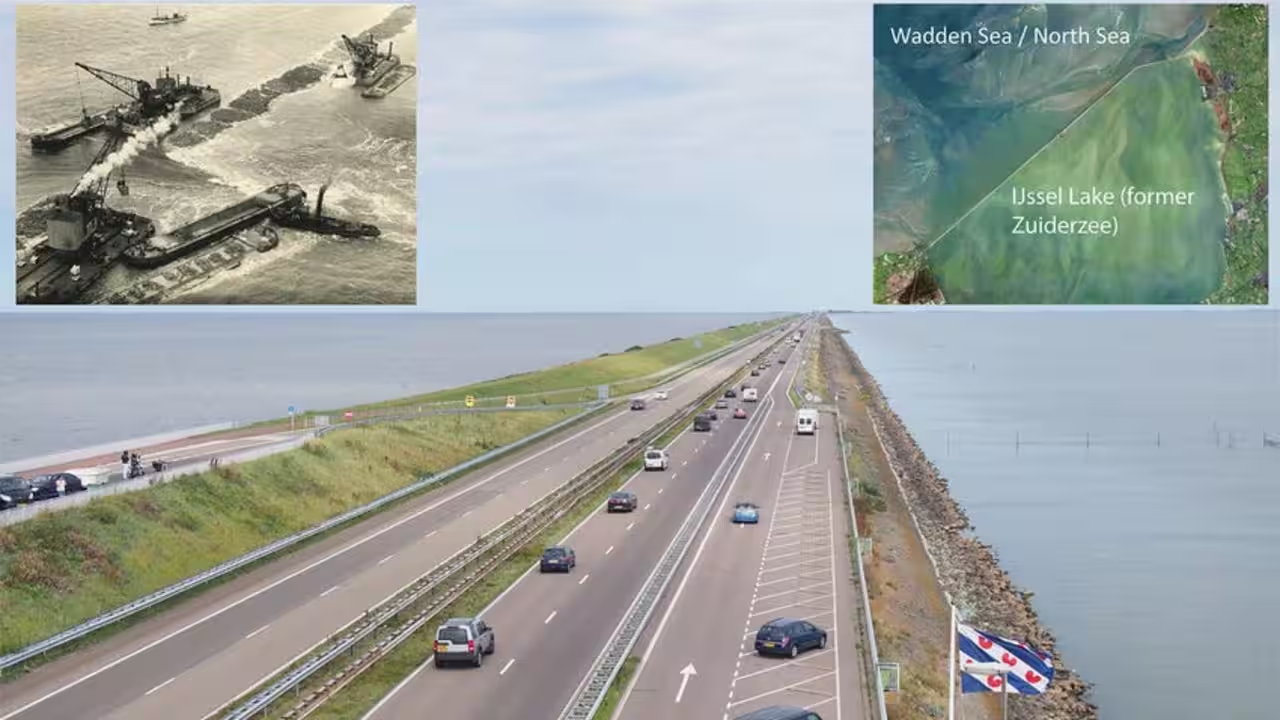
In the middle of the Netherlands, an unusual experiment in conservation began with an unlikely raw material: mud.
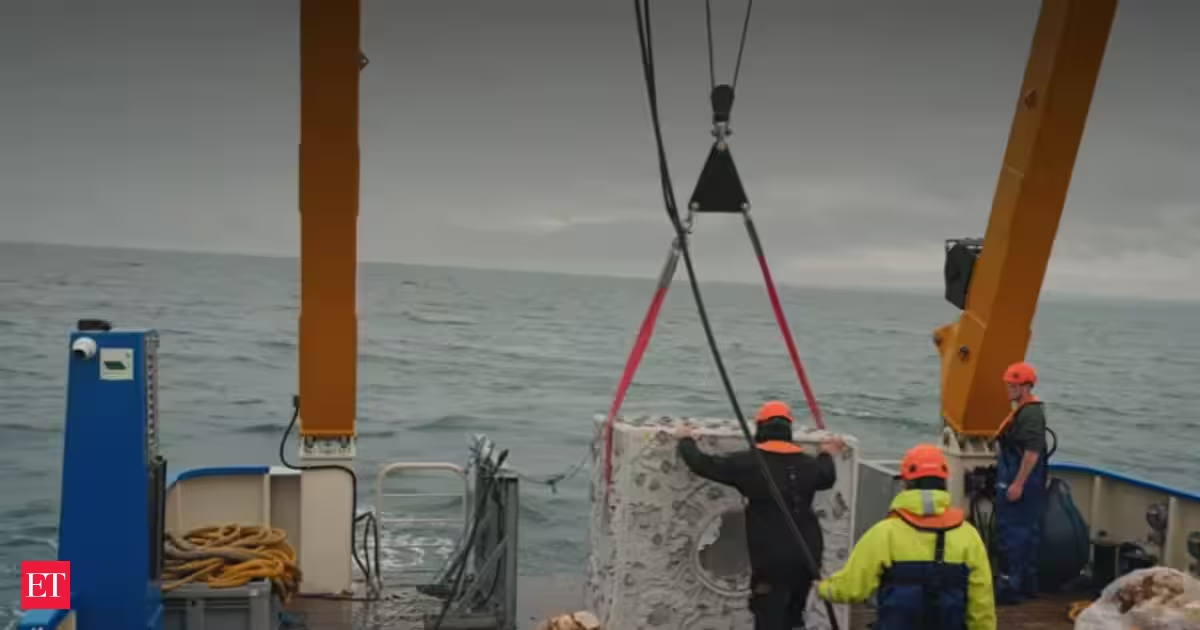
Instead of treating the vast quantities of sediment accumulating on the floor of Markermeer as waste, Dutch engineers used it to create a new landscape.
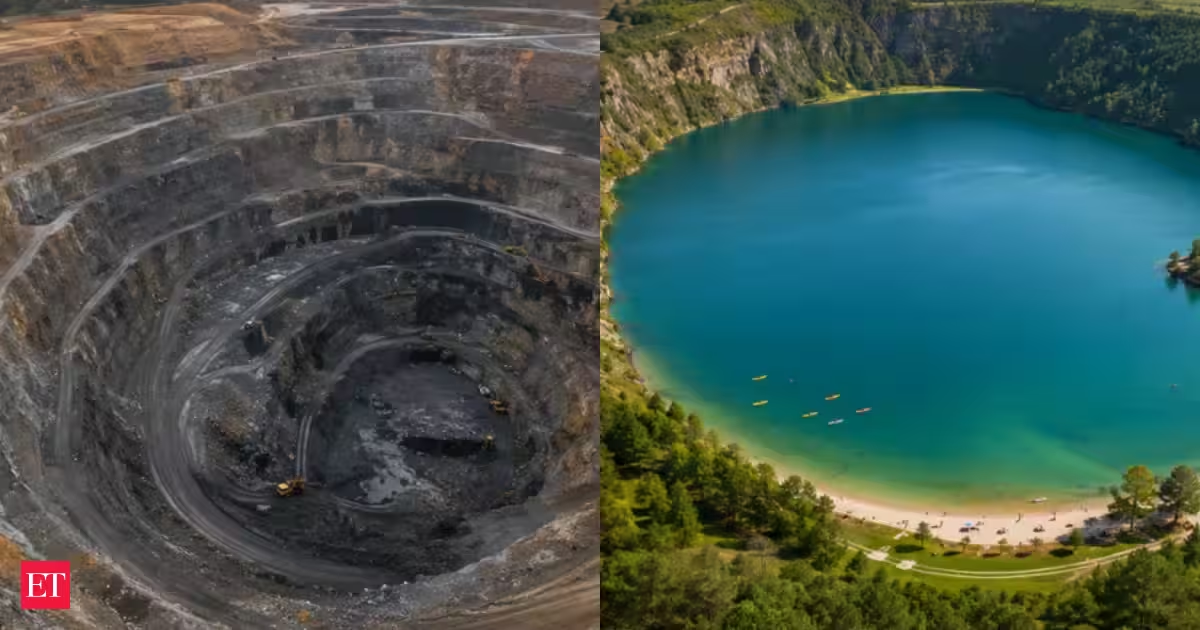
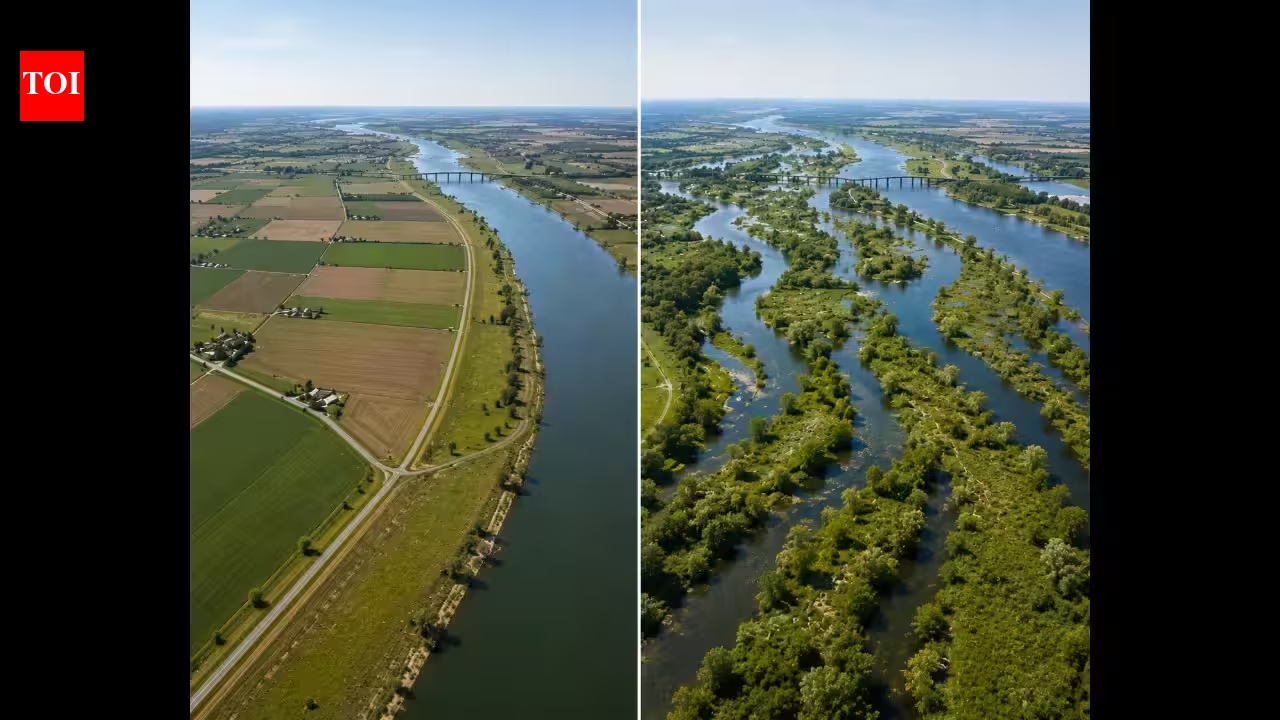
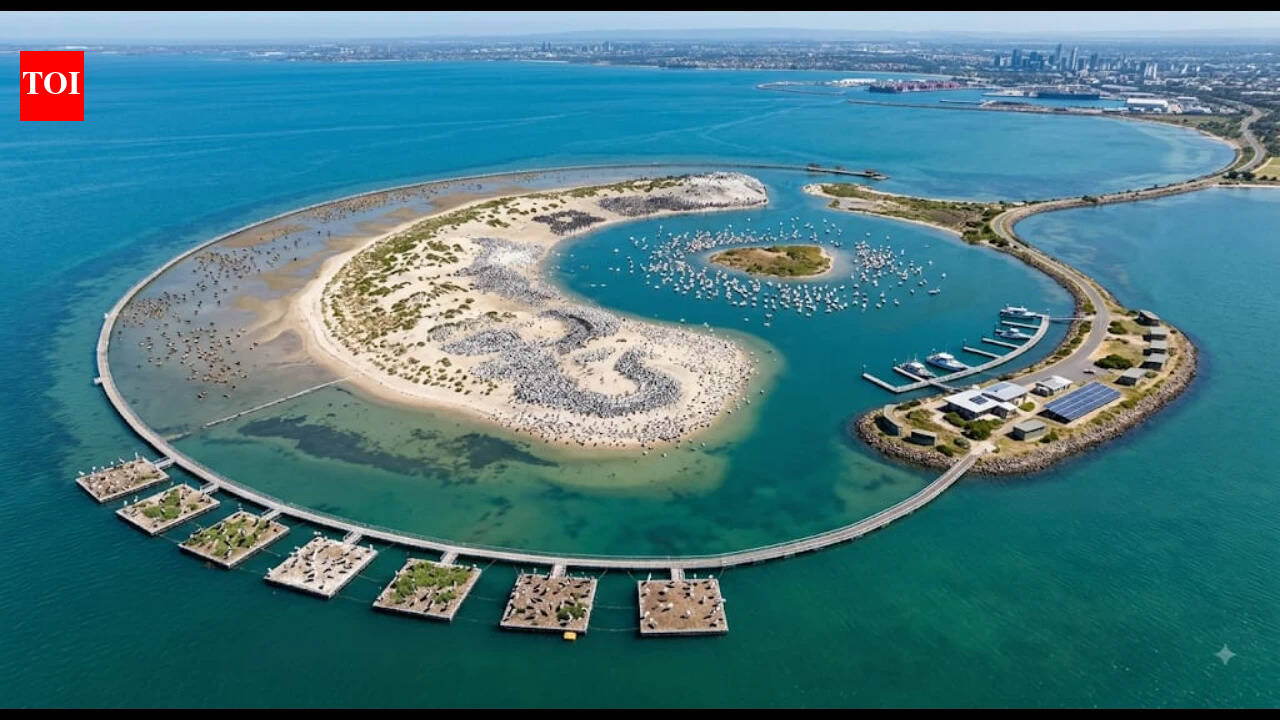
They built a chain of islands from sand, clay, silt and other material dredged from the lake, creating beaches, shallow waters, marshes and sheltered habitats where very little suitable habitat had existed before.The project, called Marker Wadden, was designed to help revive the ecology of Markermeer, a large freshwater lake whose ecosystem had deteriorated after decades of human intervention.
But the most remarkable part came afterwards.
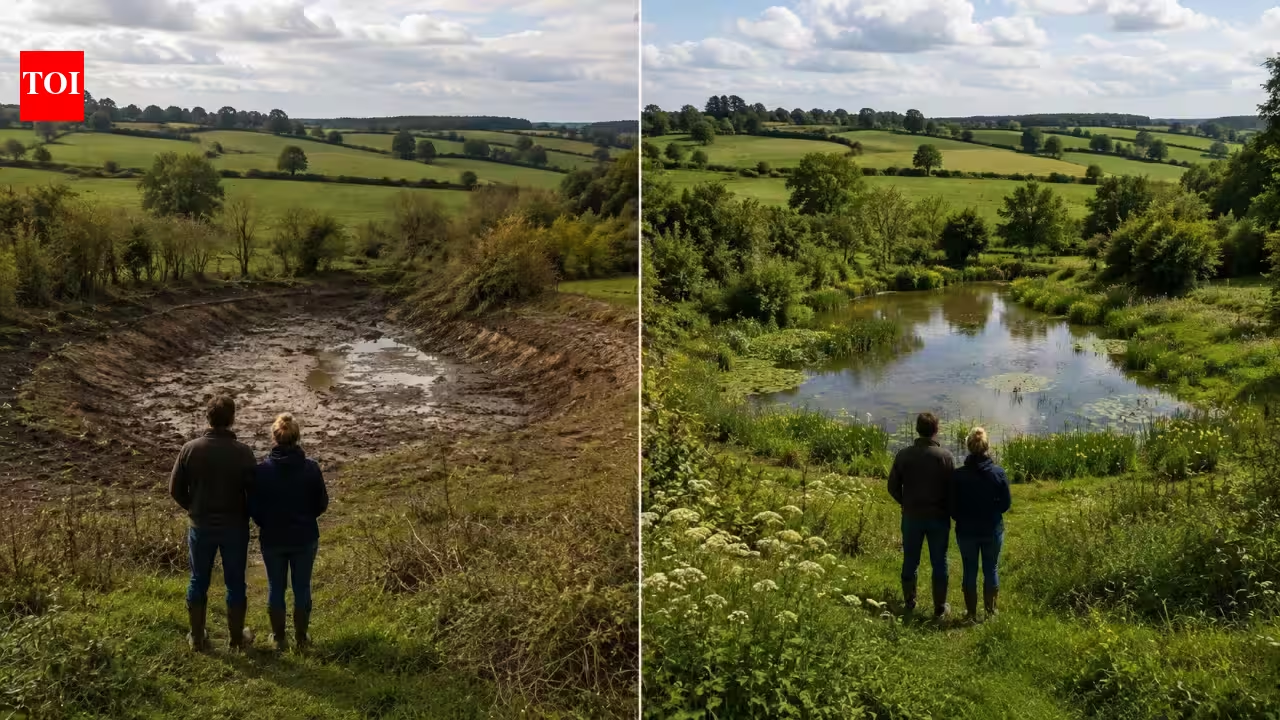
Nature began moving in.Within just a few years, the newly created islands were being colonised by plants, insects and fish, while thousands of migratory and breeding birds began using the area for feeding, nesting and resting.