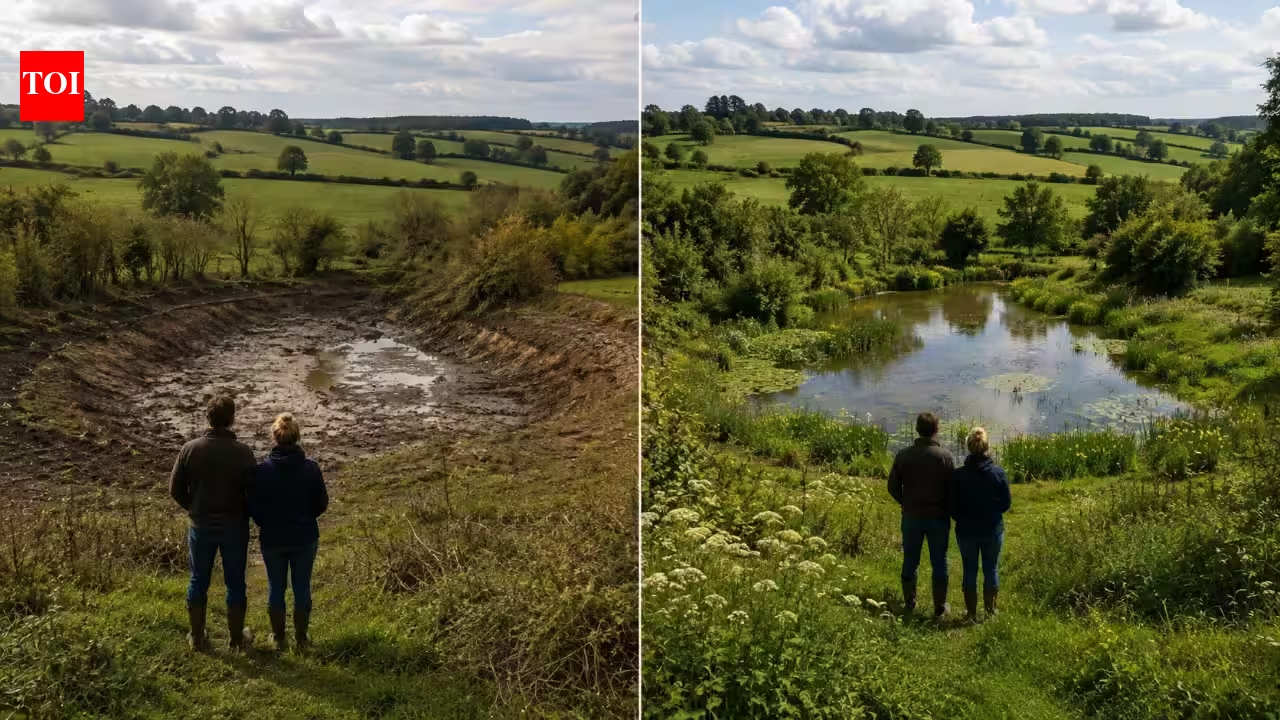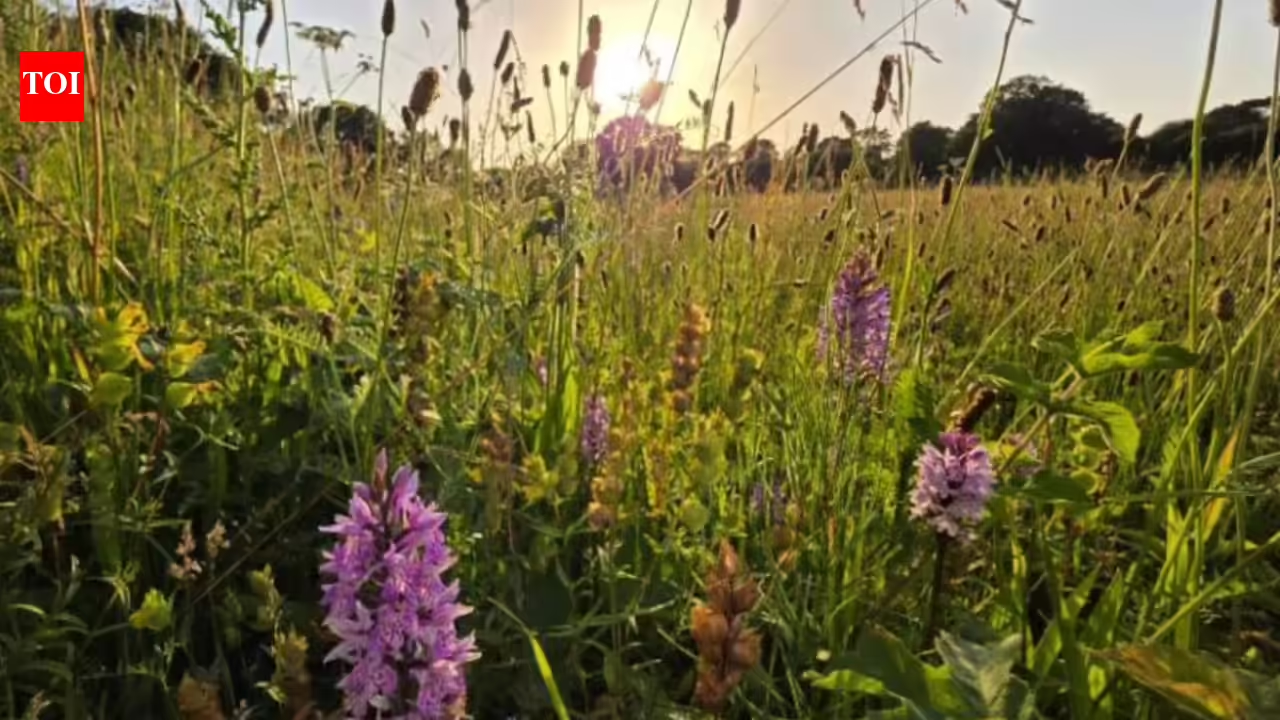
An expert team are resurrecting ice age ponds and finding rare species returning from a ‘perfect time capsule’
I
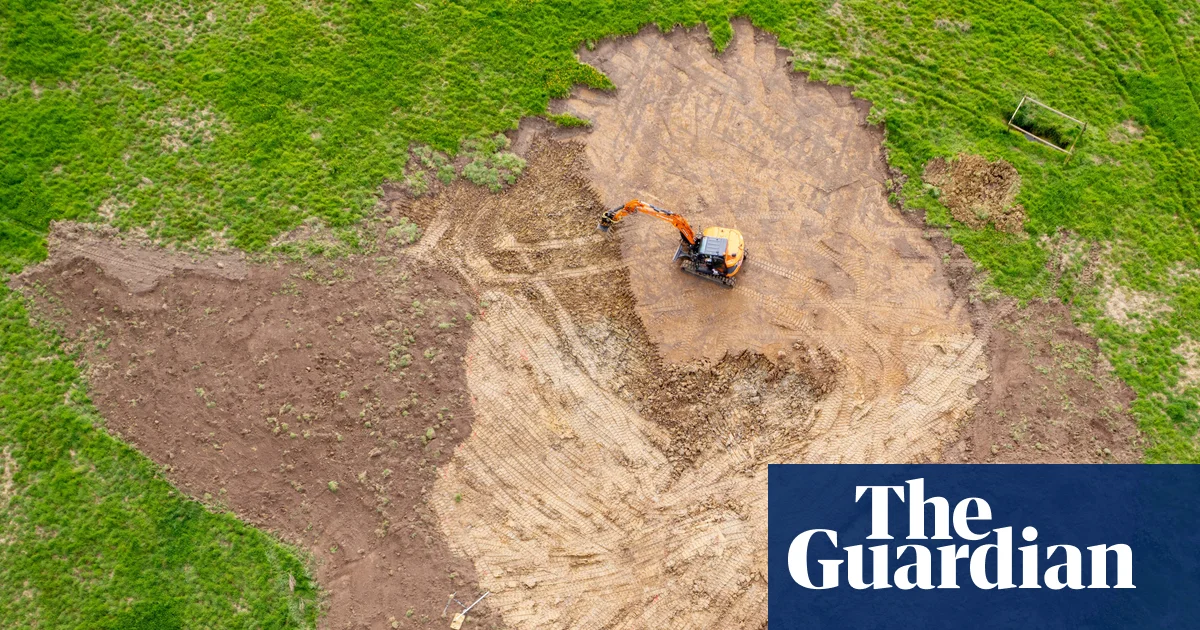
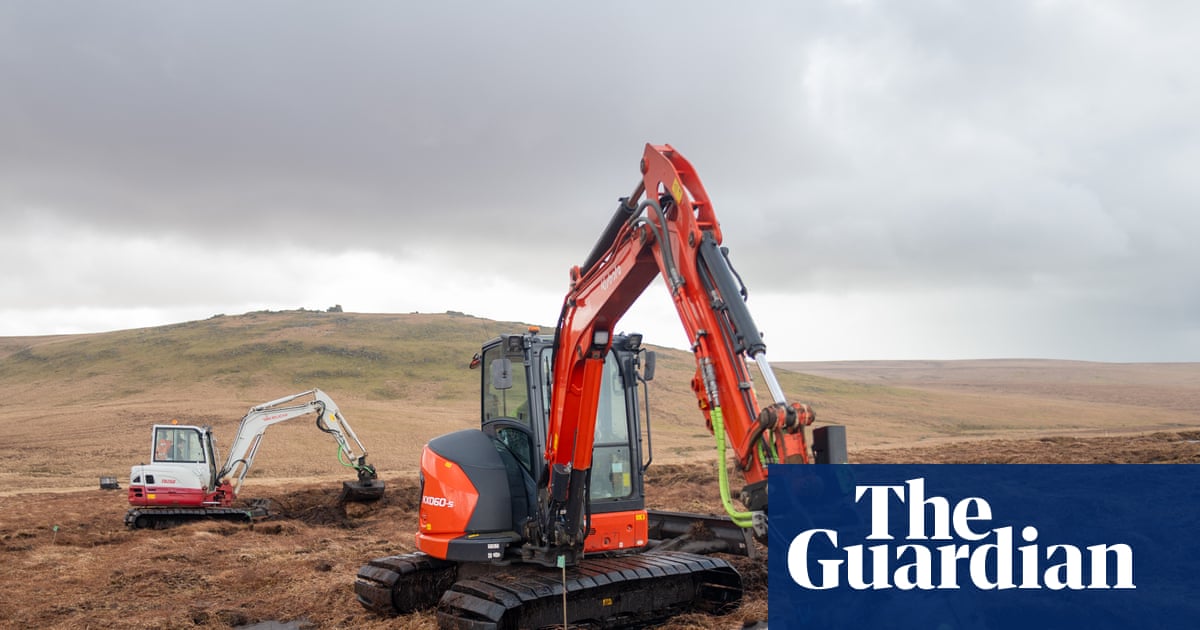
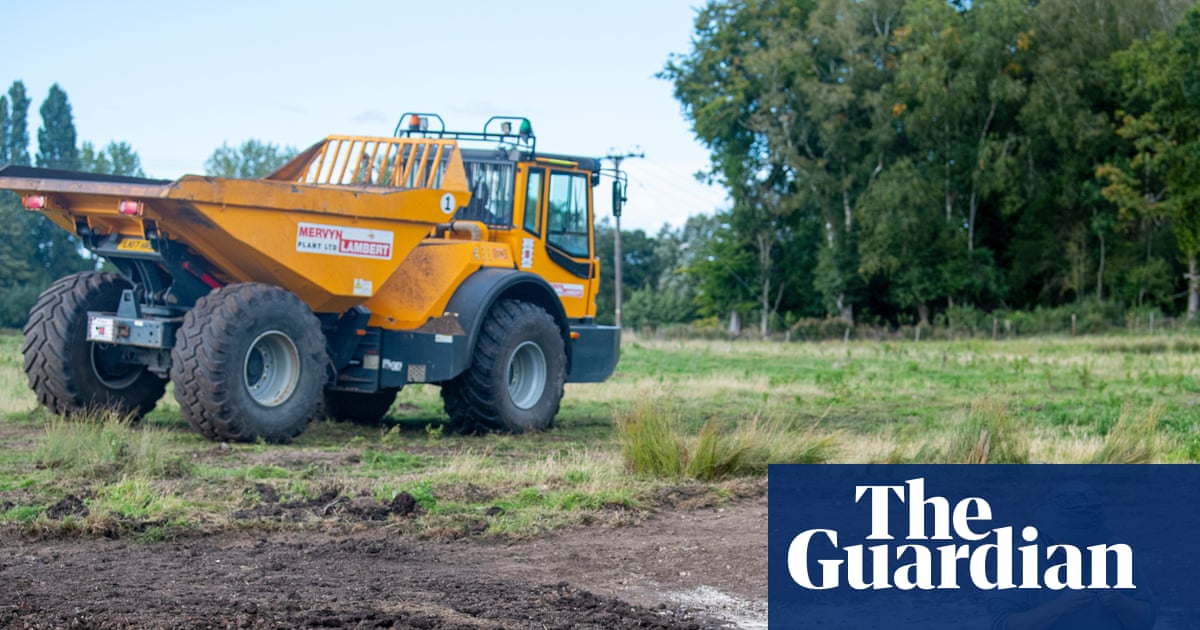
f you glanced into a green field and saw a yellow digger tearing into the turf, you might assume it was another site for new houses. But the two circle-shaped scars of dark soil on a Norfolk pasture are ghost ponds being brought back to life by an innovative and cheap form of nature restoration.
“It looks awful now. ‘What have they done? It’s a disaster!’” says Carl Sayer, a professor of geography at UCL, who is dancing with glee around the bleak-looking, freshly dug hole. “The colonisation is so quick. Within a year, it is full of water plants. Within two years, it looks like it’s been there forever. It’s a spectacular recovery, and you’re truly recovering ancient assemblages of plants.”
The two ponds returning on farmland are the 25th and 26th ice age ponds to be restored by Sayer’s team of academics, volunteers and an enthusiastic digger driver in the Brecks, a hotspot for ancient ponds and “pingos” formed by ice-melt 10,000 years ago.