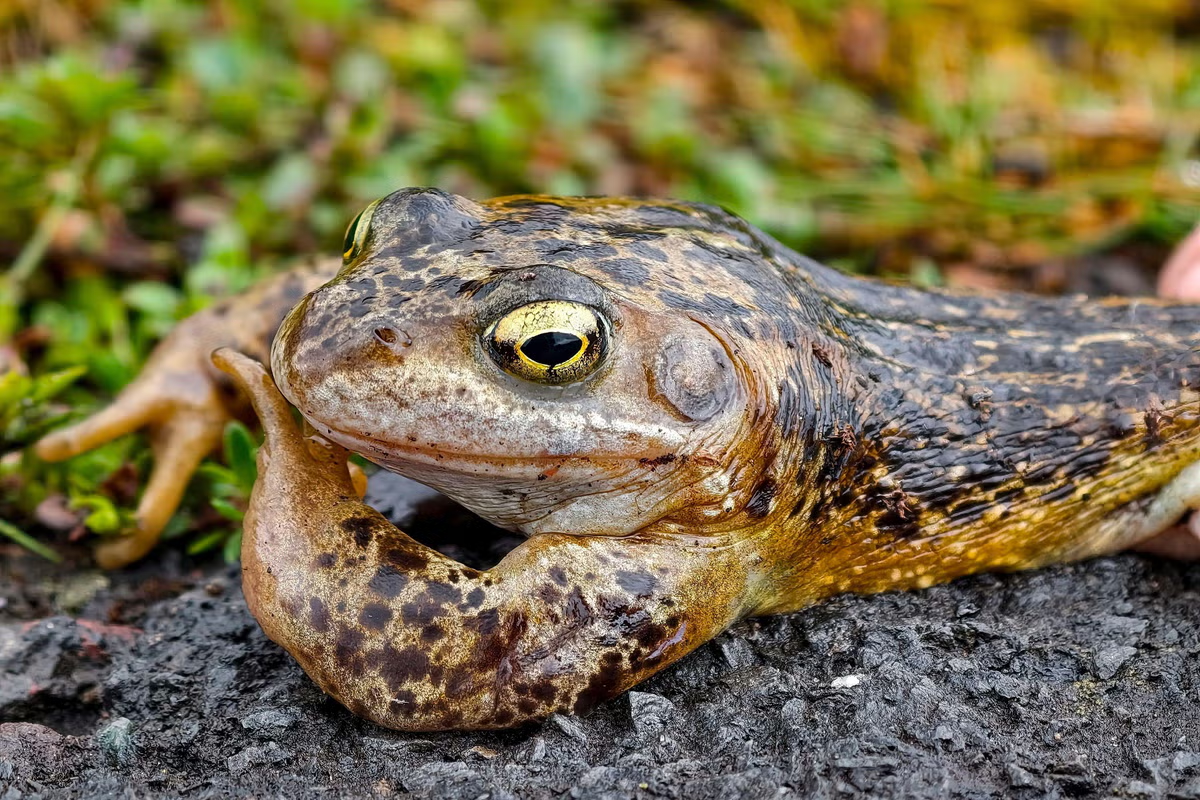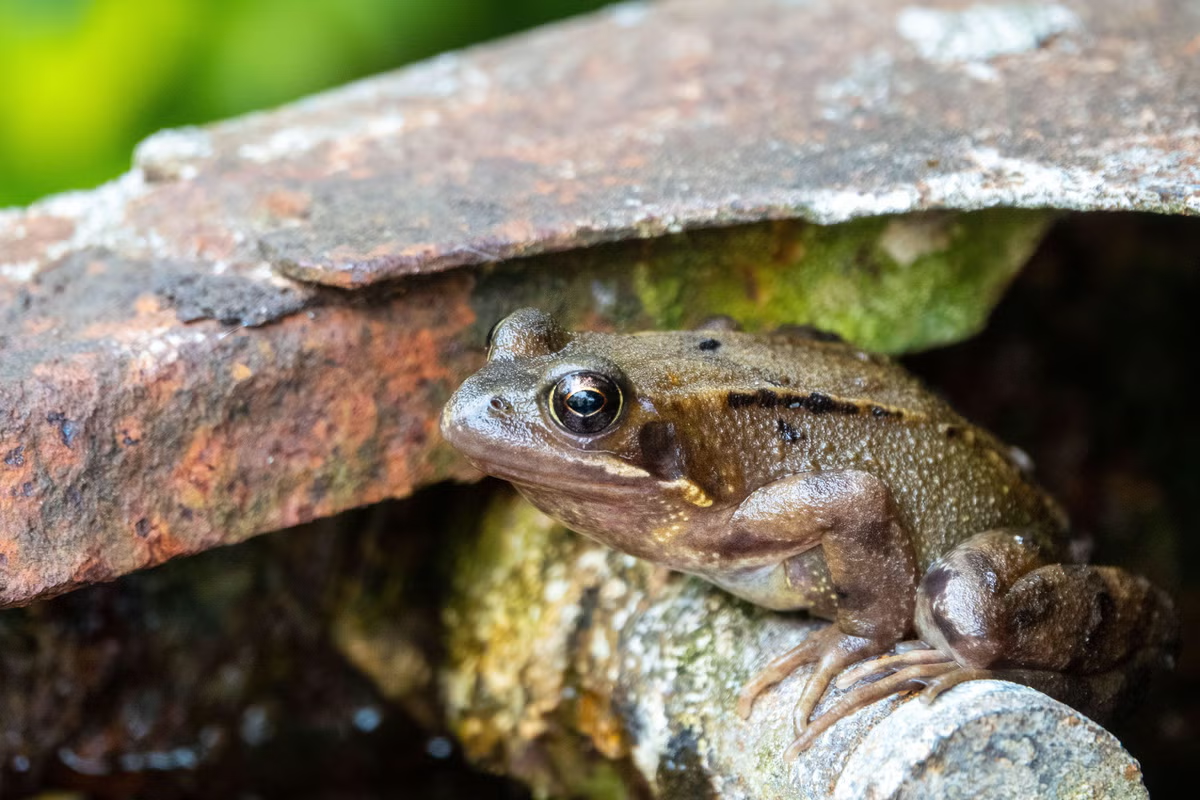
Langstone, Hampshire: A glistening raft of jelly is a promising sign of a frog resurgence after newts dominated for a decade
I
register the arrival of spring through small, dependable signs in my garden: queen buff-tailed bumblebees wobbling through purple crocuses in search of nectar; the pungent scent of wild garlic; bluetits prospecting the nest box below my bedroom window; and the wren’s cascading song heralding the start of the breeding season.
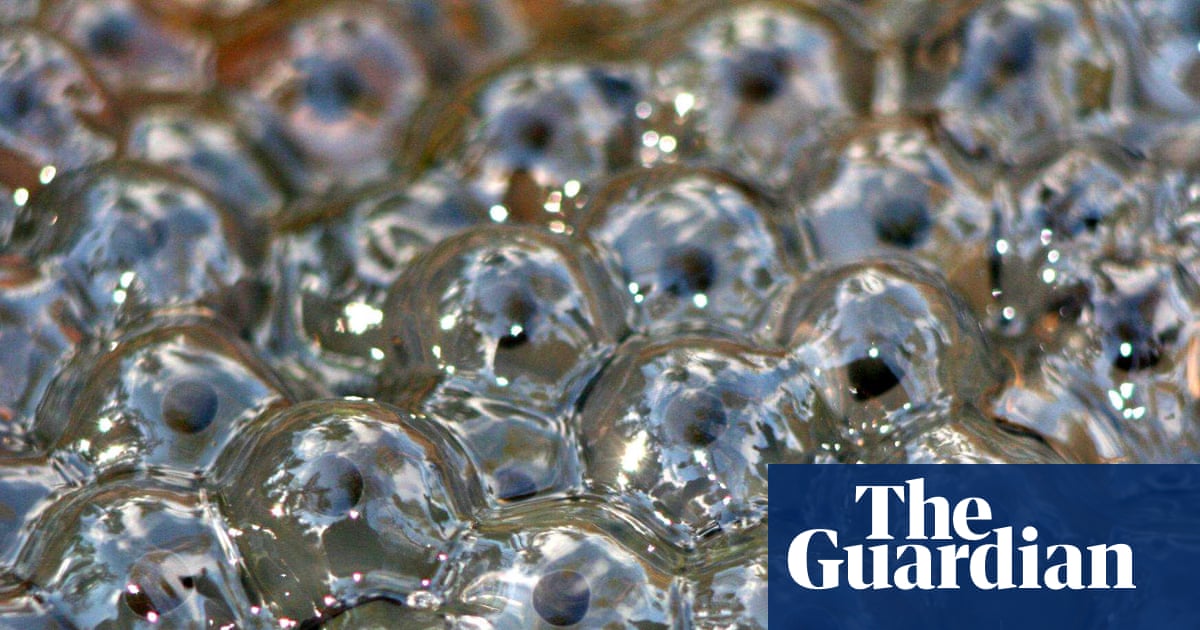
Frogspawn used to be one of these markers, but not for many years. Then, 10 days ago, glancing more from habit than expectation, I saw it – a glistening raft moored against the water forget-me-nots. After such a long absence, it felt quietly momentous.
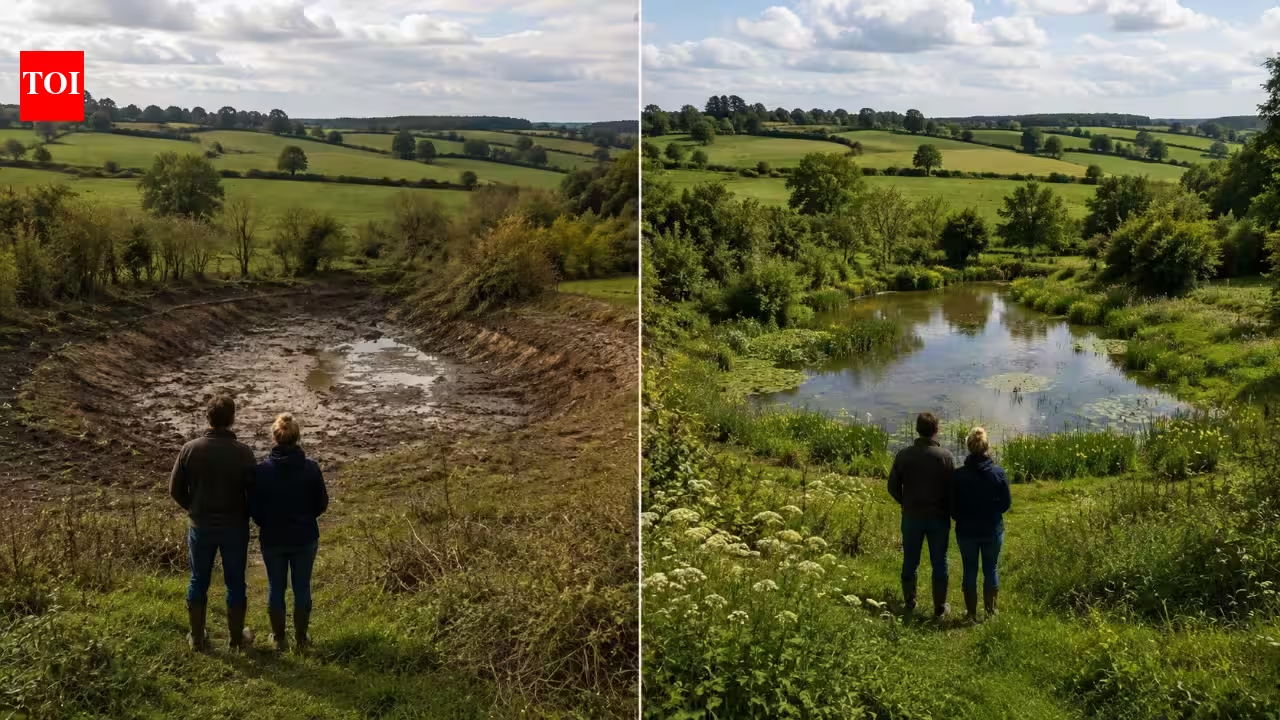
My father and I dug this pond 28 years ago. Within weeks, common frogs had claimed it. Each spring brought the same transformation – clear jelly thick with black beads, then the slow unravelling of tadpoles, forming dark, shifting shoals in the shallows before dispersing into deeper water.