Citizen science data reveals early flowering, nesting and insect activity as global heating accelerate seasonal change
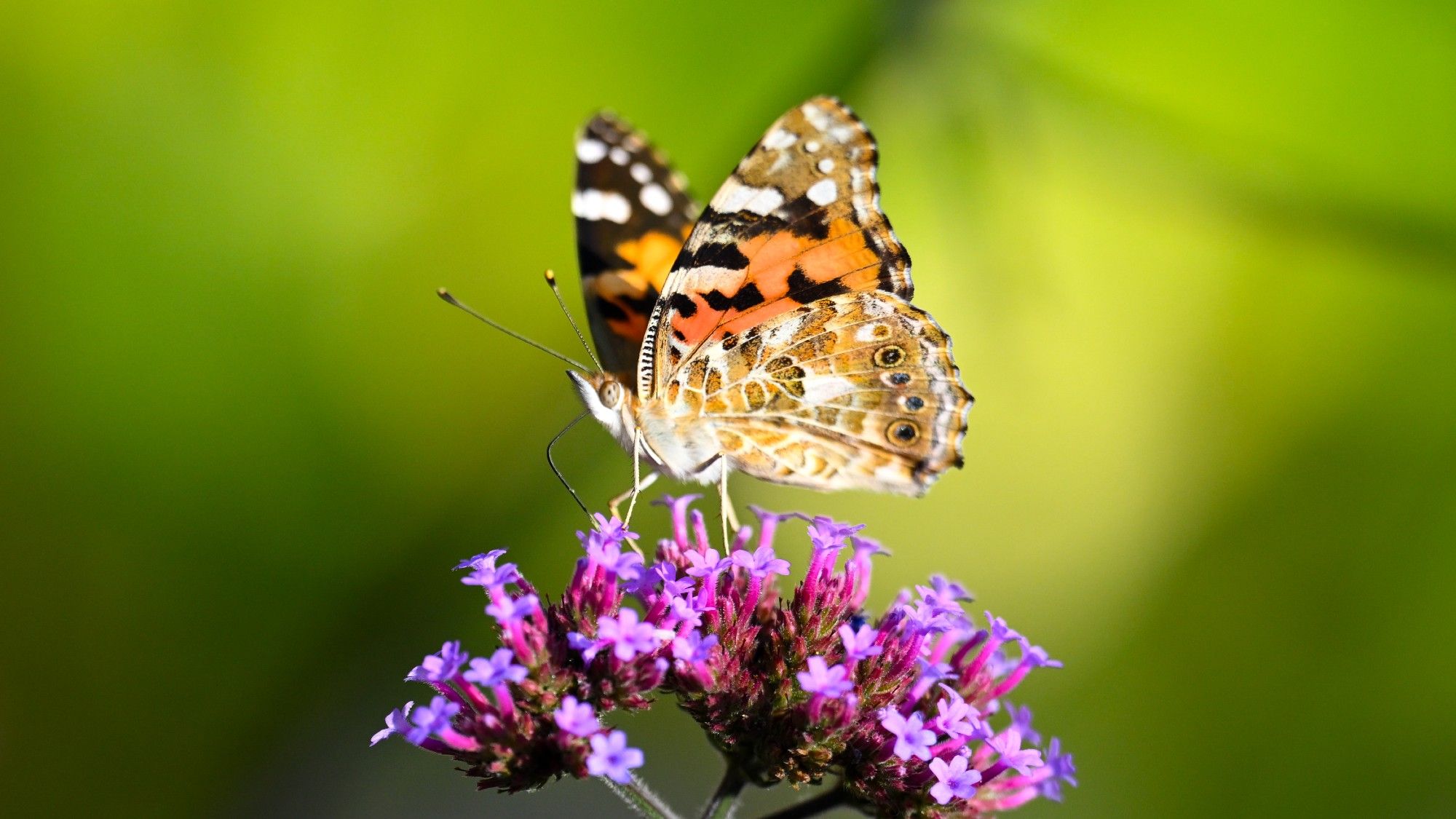
Bluebells are flowering, swallows are returning and orange-tip butterflies are flying in what could become Britain’s earliest recorded spring.
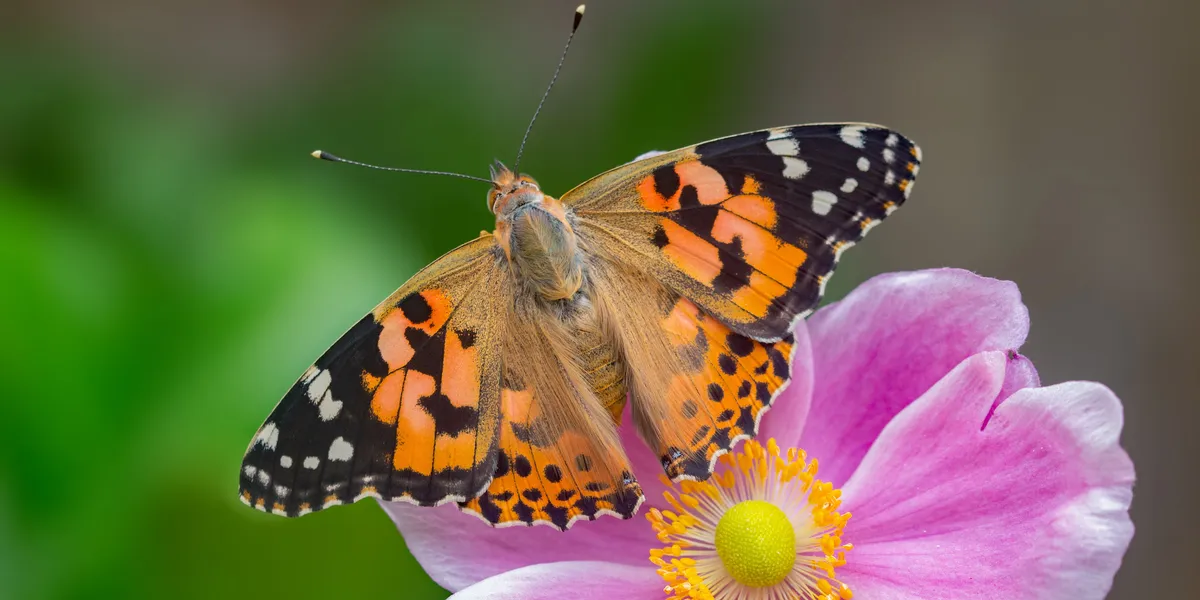
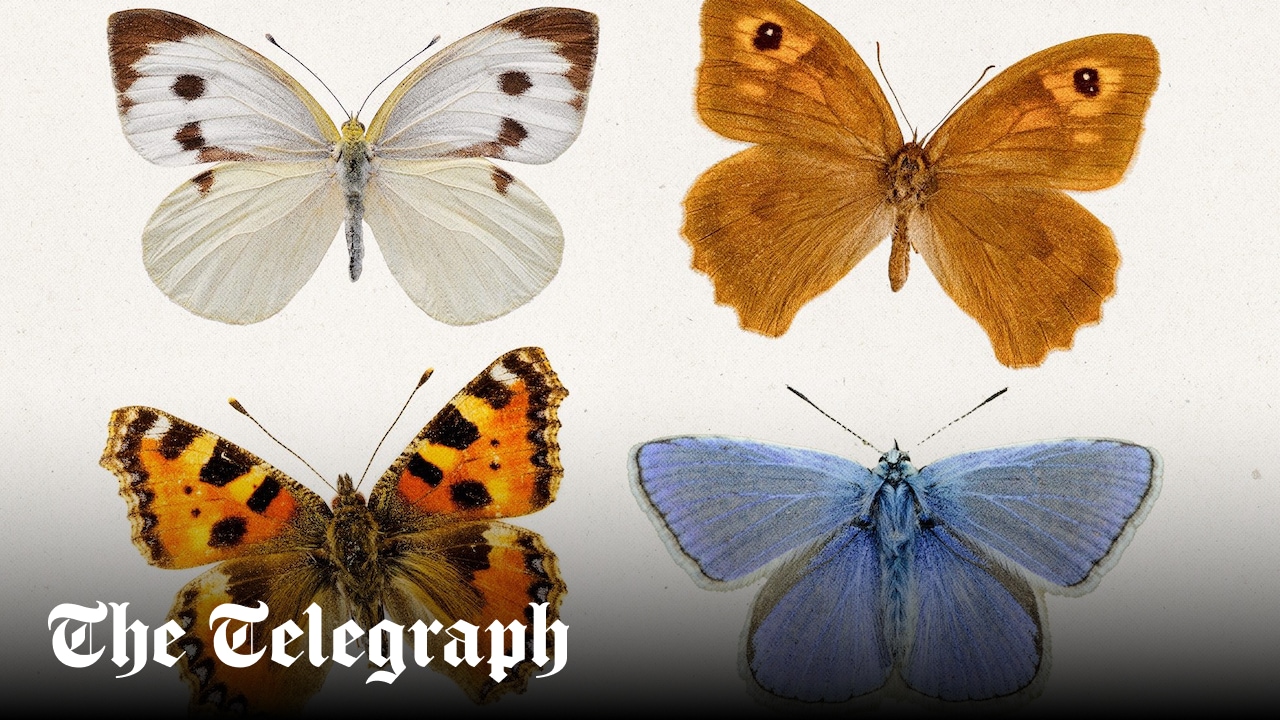
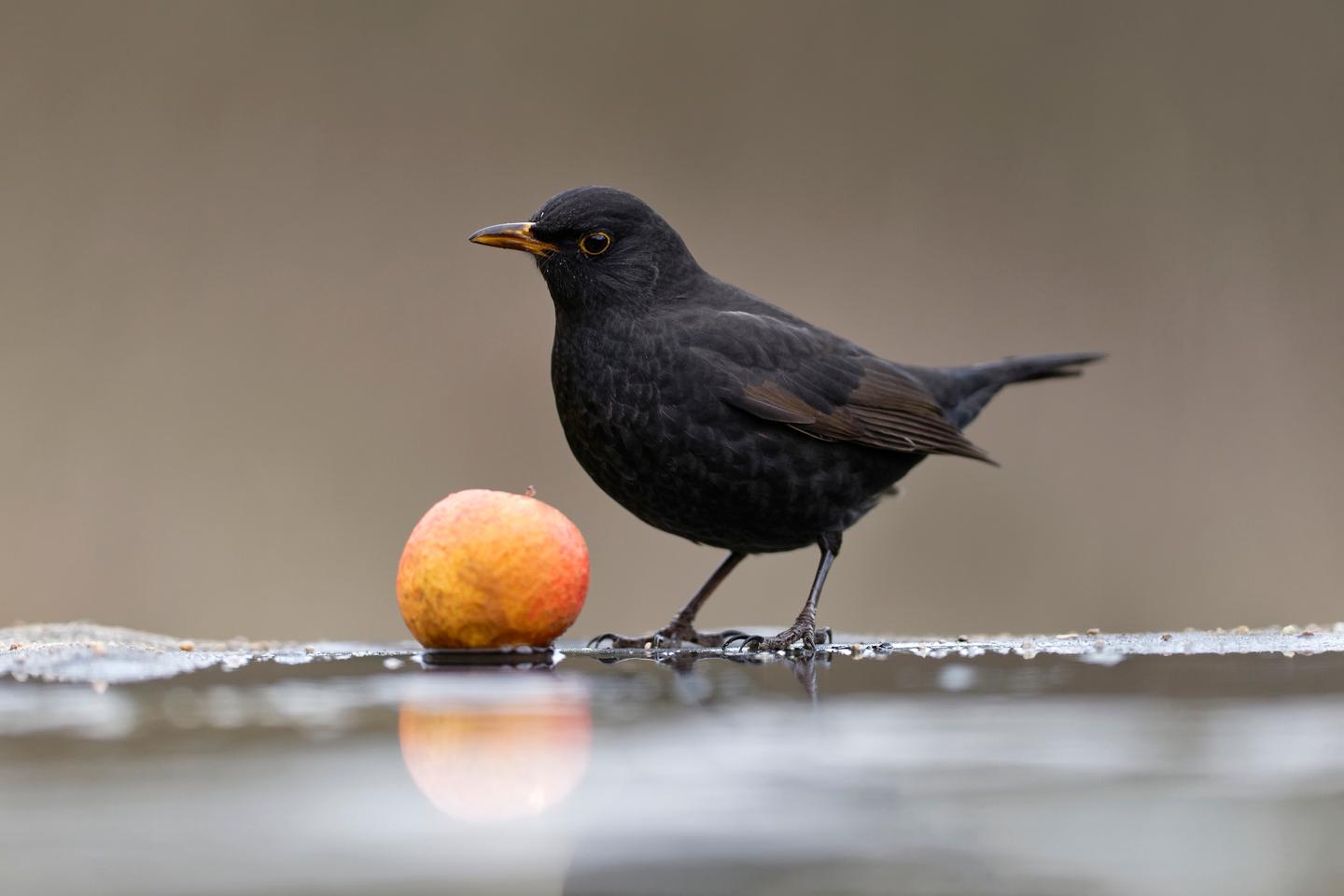
Records for early spring occurrences are being smashed as 2026 looks to be the earliest this century for frogspawn laying, blackbirds nesting, brimstone butterflies emerging and hazel flowering, according to Nature’s Calendar, which has logged citizen science records of seasonal change since 2000.
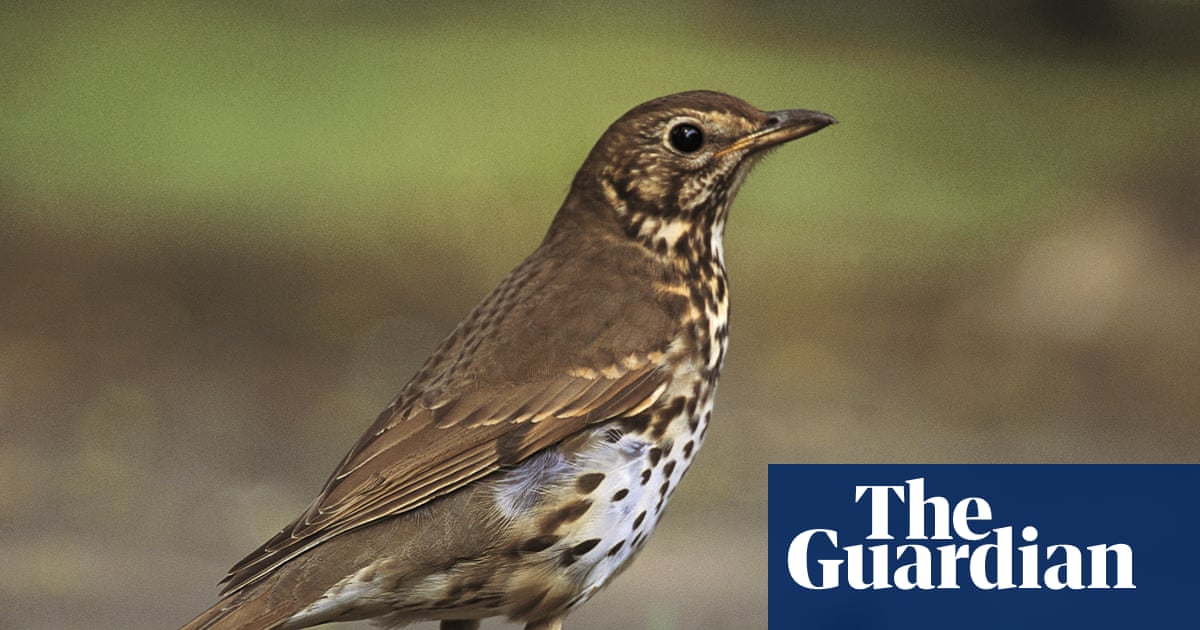
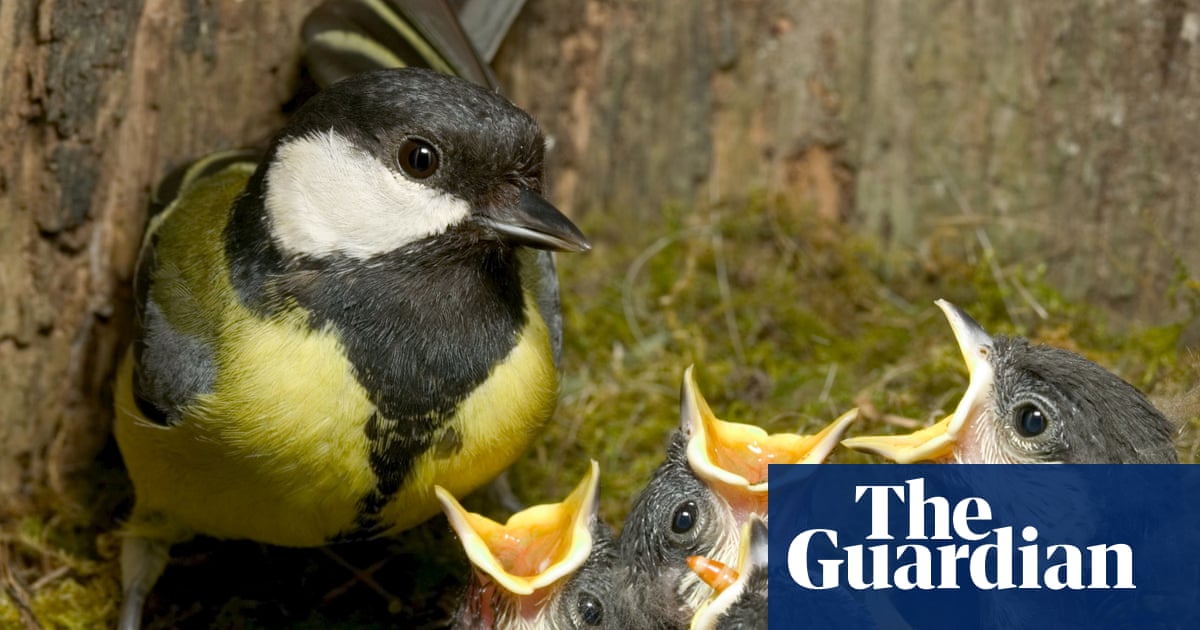
This spring has had the earliest egg-laying in an 80-year study of great tits in Wytham Woods, Oxfordshire, with the 23 March sighting beating the previous record by three days. The birds’ average egg-laying has moved forward by 16 days since the 1960s, with these tits and other species needing to ensure their chicks are fed on caterpillars emerging with the new spring leaves.
Dunsford Woods, in Devon, has logged its earliest tit egg – in the nest of a coal tit – since records began in 1955. Record-breaking early tit egg-laying has been seen in the Netherlands as well, reflecting dramatic climatic shifts across northern Europe.