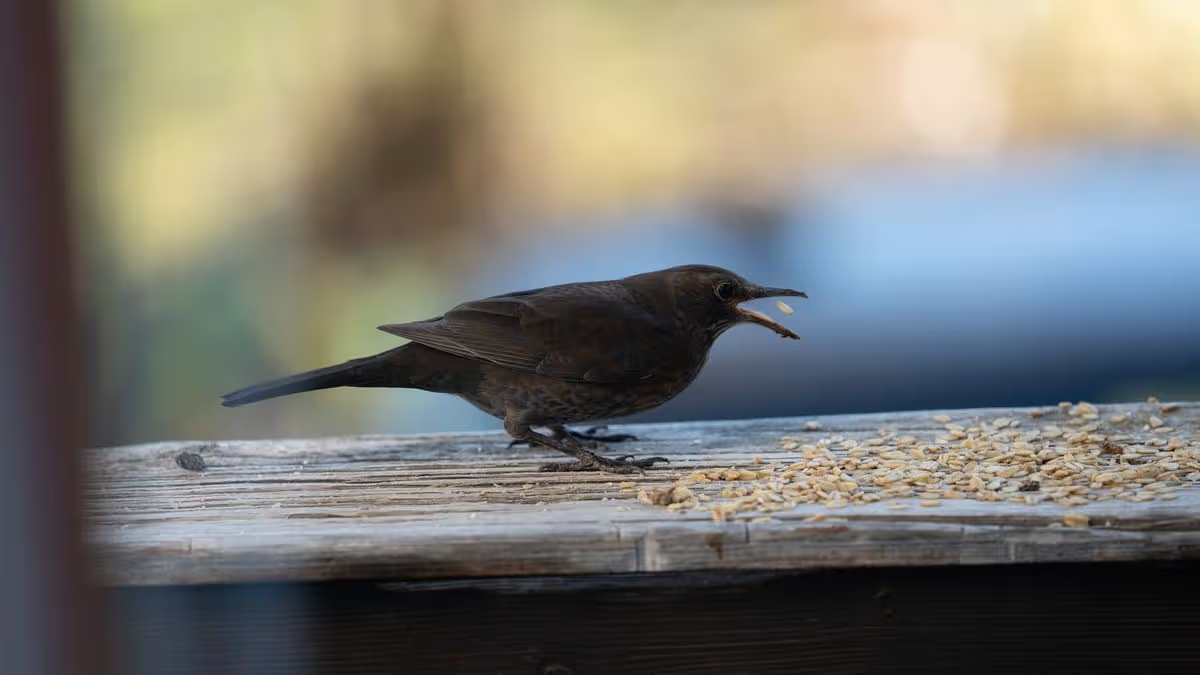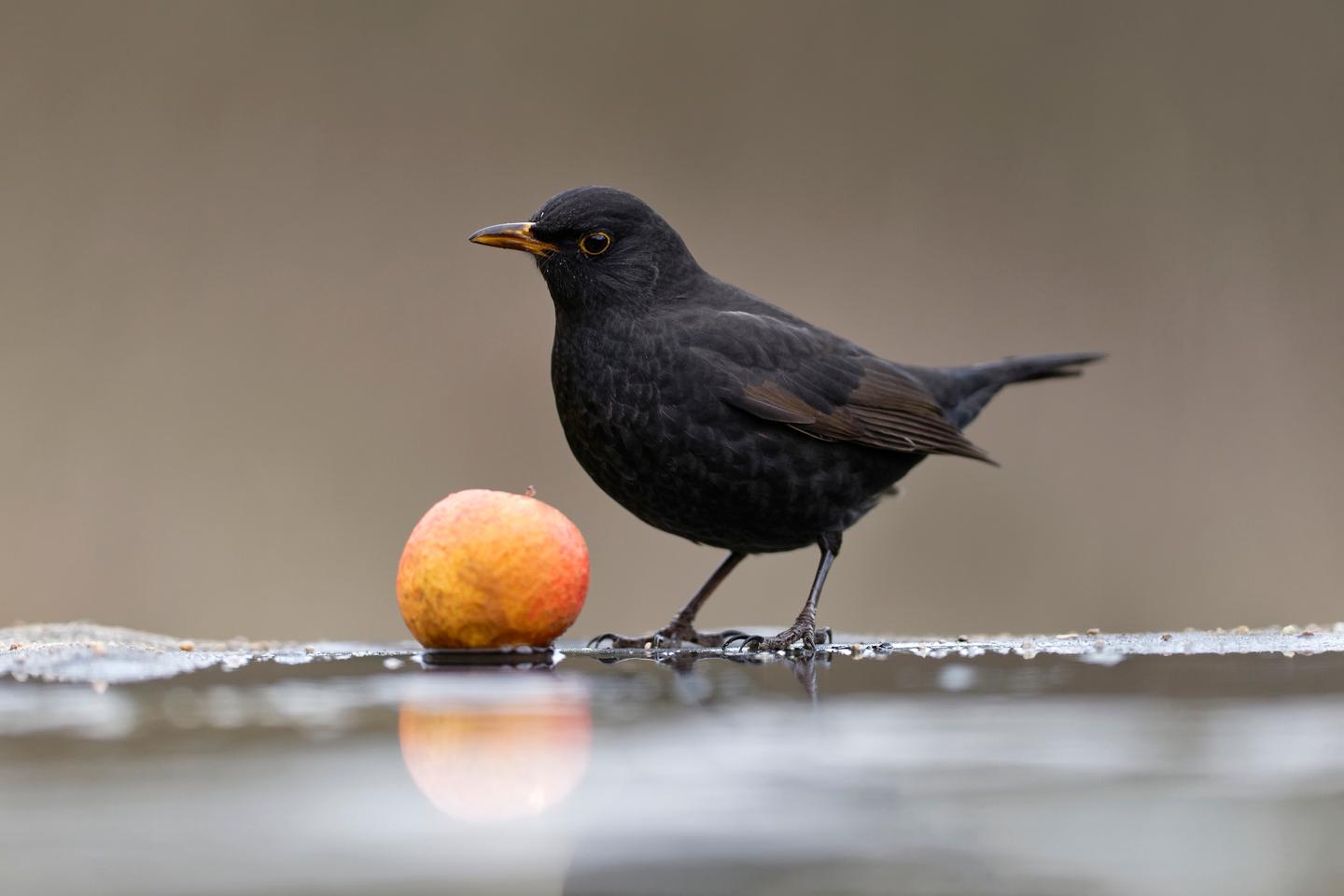
A male blackbird, January 26, 2021. MICHEL POINSIGNON/BIOSPHOTO
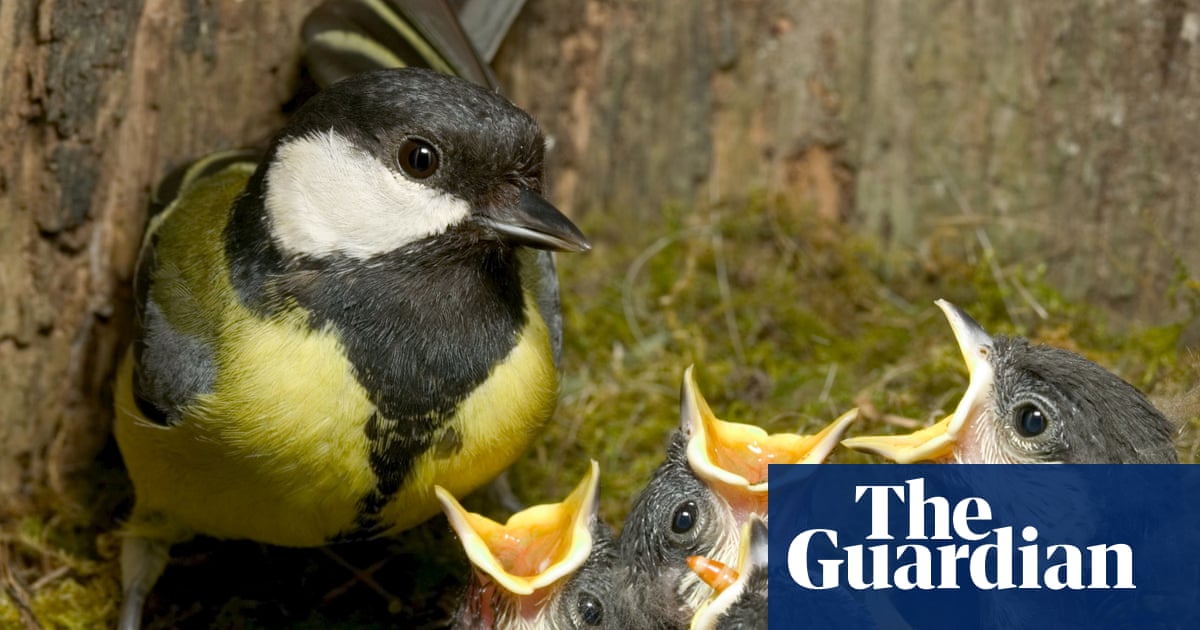
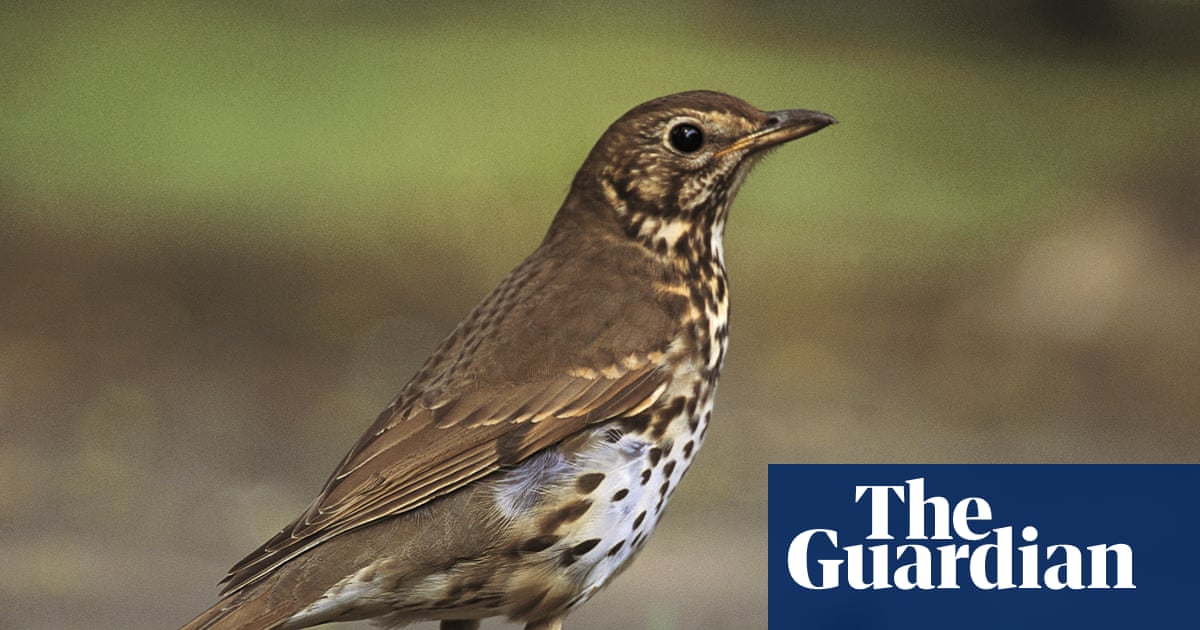
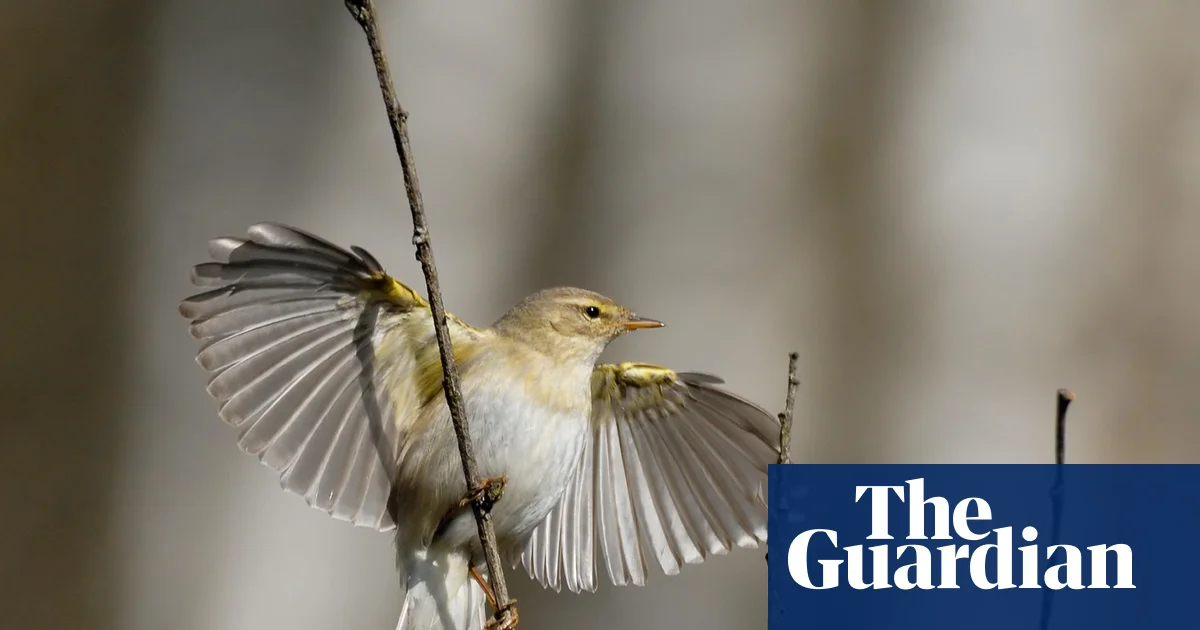
Blackbirds, chickadees, and robins singing as if it were spring, chestnut trees and mimosas in bloom: Higher-than-normal temperatures recorded in many regions at the start of December have had tangible effects on wildlife and flora. In its provisional report published Tuesday, December 16, Météo-France confirmed that 2025 would rank among the three or four hottest years on record in France, with episodes of "abnormally high" temperatures occurring in May, June, and August, as well as in November and early December.
Due to global warming, these periods of mild autumn and winter weather have become increasingly frequent. "Rather than focusing on isolated episodes, it is important to look at long-term trends," said Jonathan Lenoir, an ecologist at the Centre national de la recherche scientifique (CNRS, National Centre for Scientific Research).
A study published in September in the journal Scientific Reports examined the behavior of plants and animals since 2015: Drawing in particular on data from citizen science programs, it demonstrated that the "anomalies" observed in the seasonal activity of species over the past 10 years are "unprecedented in the last millennium."