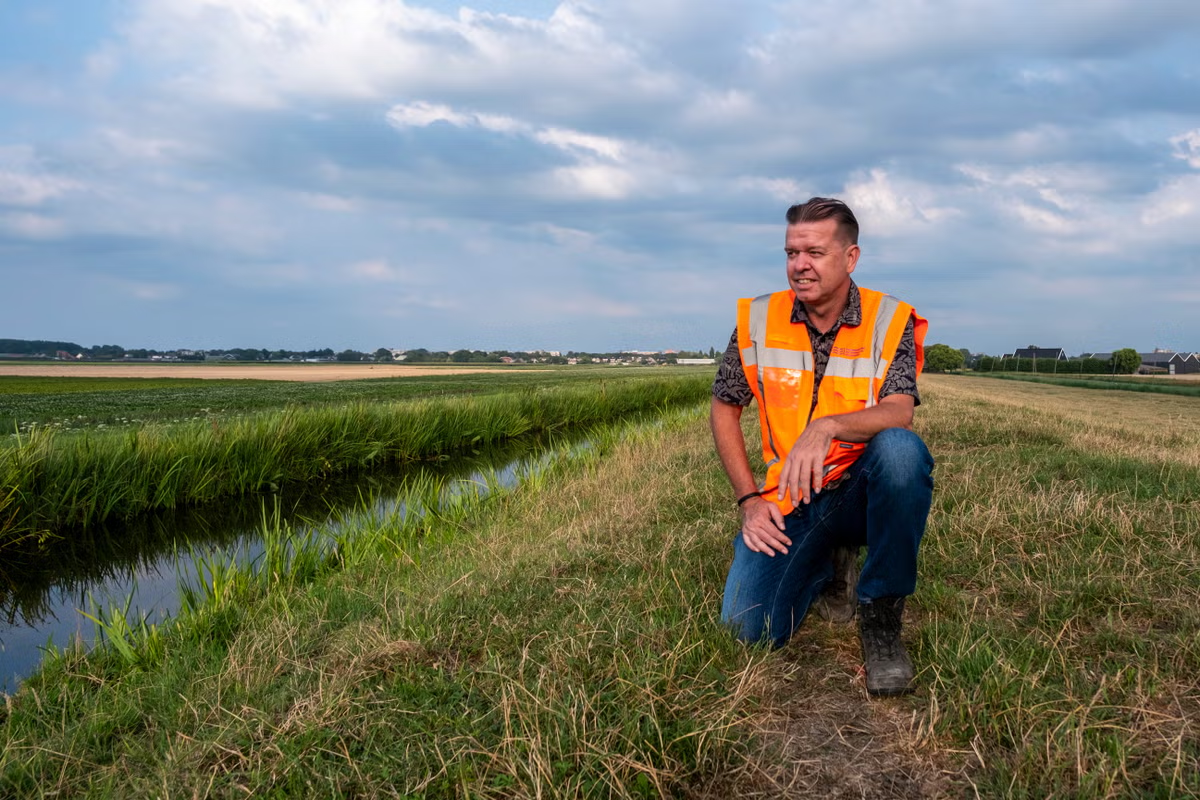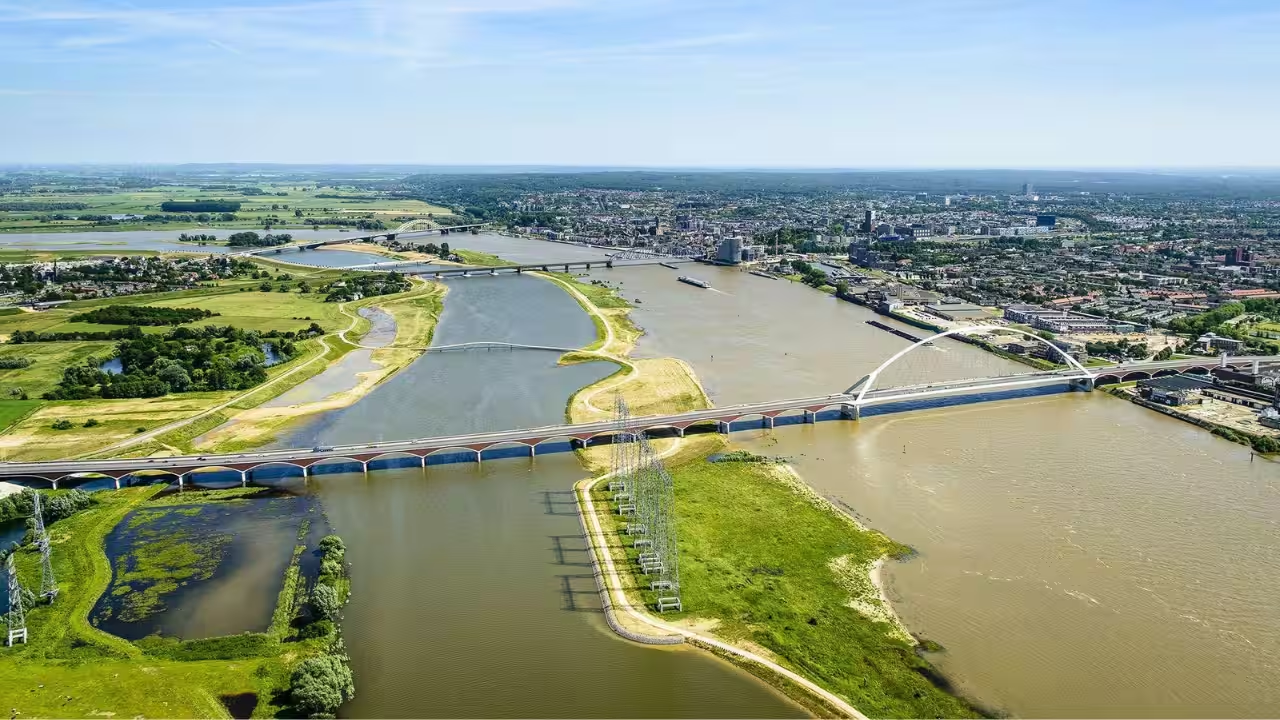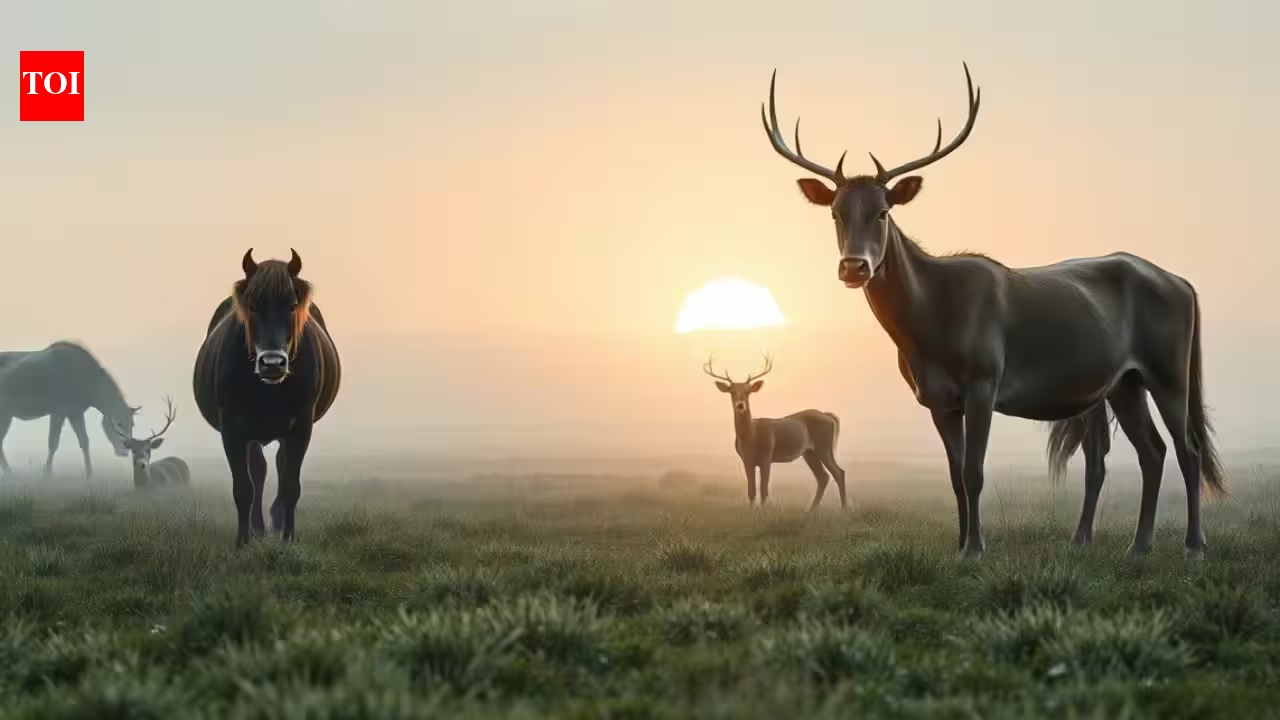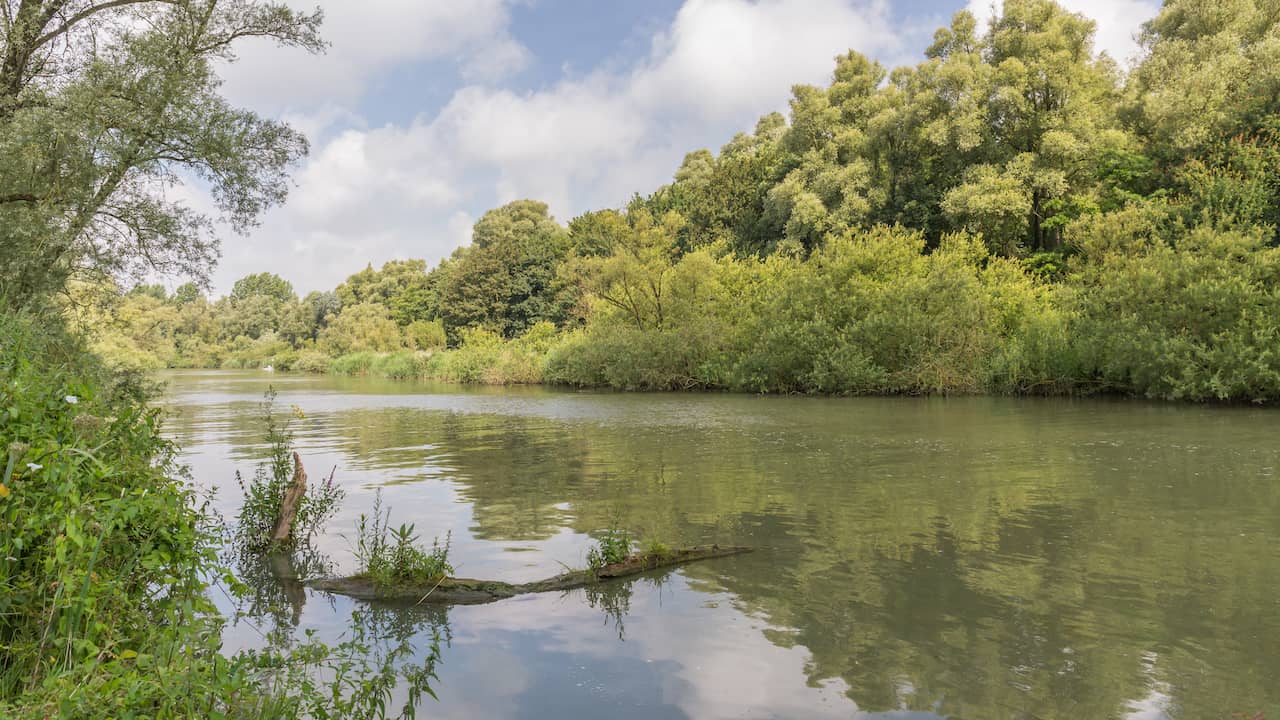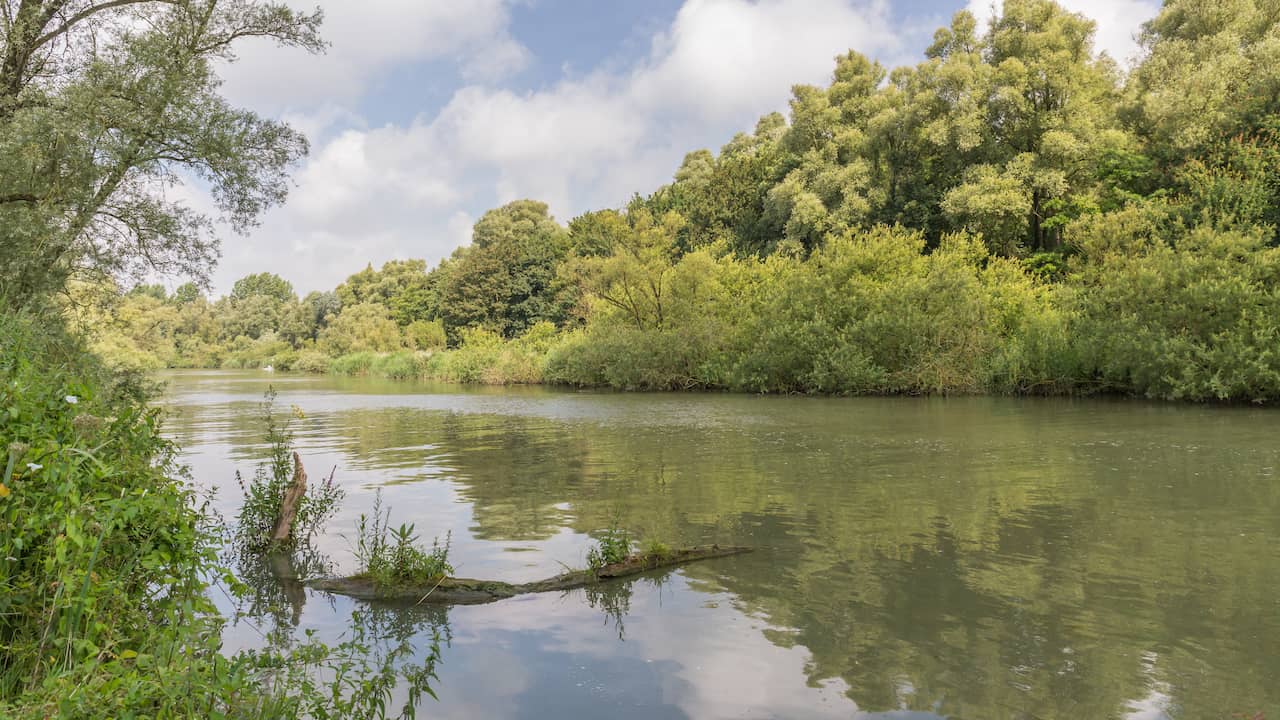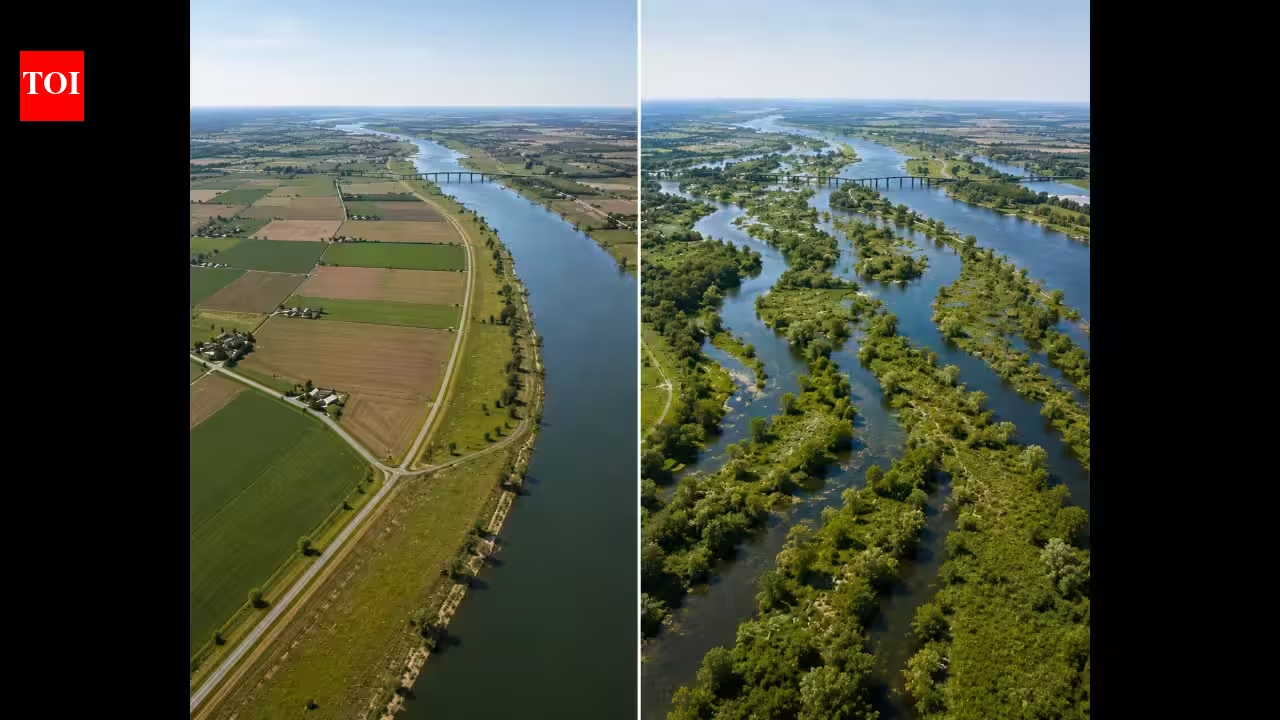
A representation of the transformation of the Gelderse Poort floodplain in the Netherlands, showing its evolution from an intensively managed agricultural landscape to a restored riverine ecosystem with interconnected wetlands, braided channels and diverse natural habitats over three decades. Image Credits: ChatGPT.A Dutch river landscape has spent decades being reshaped around a simple idea: instead of keeping the Rhine away from nature, give the river more room to behave like a river. In the Gelderse Poort, this approach has turned former agricultural floodplains into a connected landscape of wetlands, river channels, grasslands and woodland.Research and planning work in the area continues to explore how vegetation and floodplain restoration can improve ecological conditions while remaining compatible with river-management requirements. According to a Rijkswaterstaat report hosted by Wageningen University & Research, the Gelderse Poort has been studied to determine the hydrological and hydraulic conditions needed to support different floodplain ecosystems and to translate those ecological requirements into guidelines for river design.Restoring the floodplain for people and natureDutch rivers were progressively engineered to protect settlements and make land easier to farm, which left floodplains more constrained and natural river processes diminished. The Gelderse Poort offered a different approach: restoring parts of the floodplain while using the landscape itself as part of the country's flood-management strategy.According to the Nature-based Solutions Initiative, the approach combined several interventions. Clay extraction was linked to the creation of new wetlands and lower floodplain areas, while dams and other barriers were removed in some locations. Agricultural land was converted to nature, fences were taken away, and naturalistic grazing by free-roaming horses and cattle helped maintain a changing mosaic of vegetation.A diverse landscape brings wildlife backThe ecological changes have been just as significant. The restored landscape now contains a shifting mixture of river channels, wetlands, river dunes, grasslands and riparian woodland. Such variety matters because different species need different conditions, and those conditions can change rapidly in a floodplain.Instead of creating one fixed habitat type, the restoration has allowed natural processes to shape a more dynamic landscape. Floods can deposit sediment and spread seeds, while grazing keeps some areas open and prevents vegetation from becoming uniformly dense. According to ARK Rewilding Nederland, more than 5,500 hectares of former agricultural land have been converted into new nature in the Gelderse Poort. The transformation has helped create conditions for wildlife to return, with species including otters, beavers, white-tailed eagles and spoonbills reported in the wider landscape. Recovery is not simply a matter of adding more land designated as nature. The Gelderse Poort’s connected landscape offers something isolated nature reserves cannot easily provide: ecological processes can operate across a much larger area.An information sign highlighting the restored river landscape and wildlife of the Gelderse Poort. Image Credits: Wikimedia Commons.Where flood protection and biodiversity meetOne lesson from the Gelderse Poort case study is that nature restoration does not have to mean stepping back from flood protection measures. Instead, it may help strengthen flood protection while improving the landscape design. But balancing the two goals is not automatic and requires careful planning. For example, floodplain forests and dense vegetation can affect water flow, so the river landscape must be considered in restoration planning.The Gelderse Poort shows a more nuanced approach than simply bringing nature back. It shows a shift in river management: instead of separating people, water and wildlife into rigid zones, the landscape is given room to serve several functions at once. It is a functioning ecological landscape in its own right, with the continuing challenge of maintaining that flexibility as climate change alters river flows, drought becomes a greater concern and pressure on Dutch river space continues. Its lasting achievement may be showing that a landscape built to make room for a river can also support life.
After 30 years, a Dutch river floodplain has become more than 5,500 hectares of new nature, and scientists say the Gelderse Poort shows how flood safety can support biodiversity recovery
A Dutch river landscape has spent decades being reshaped around a simple idea: instead of keeping the Rhine away from nature, give the river more room to behave like a river. In the Gelderse Poort, this approach has turned former agricultural floodplains into a connected landscape of wetlands, river channels, grasslands and woodland.
624 words~3 min read