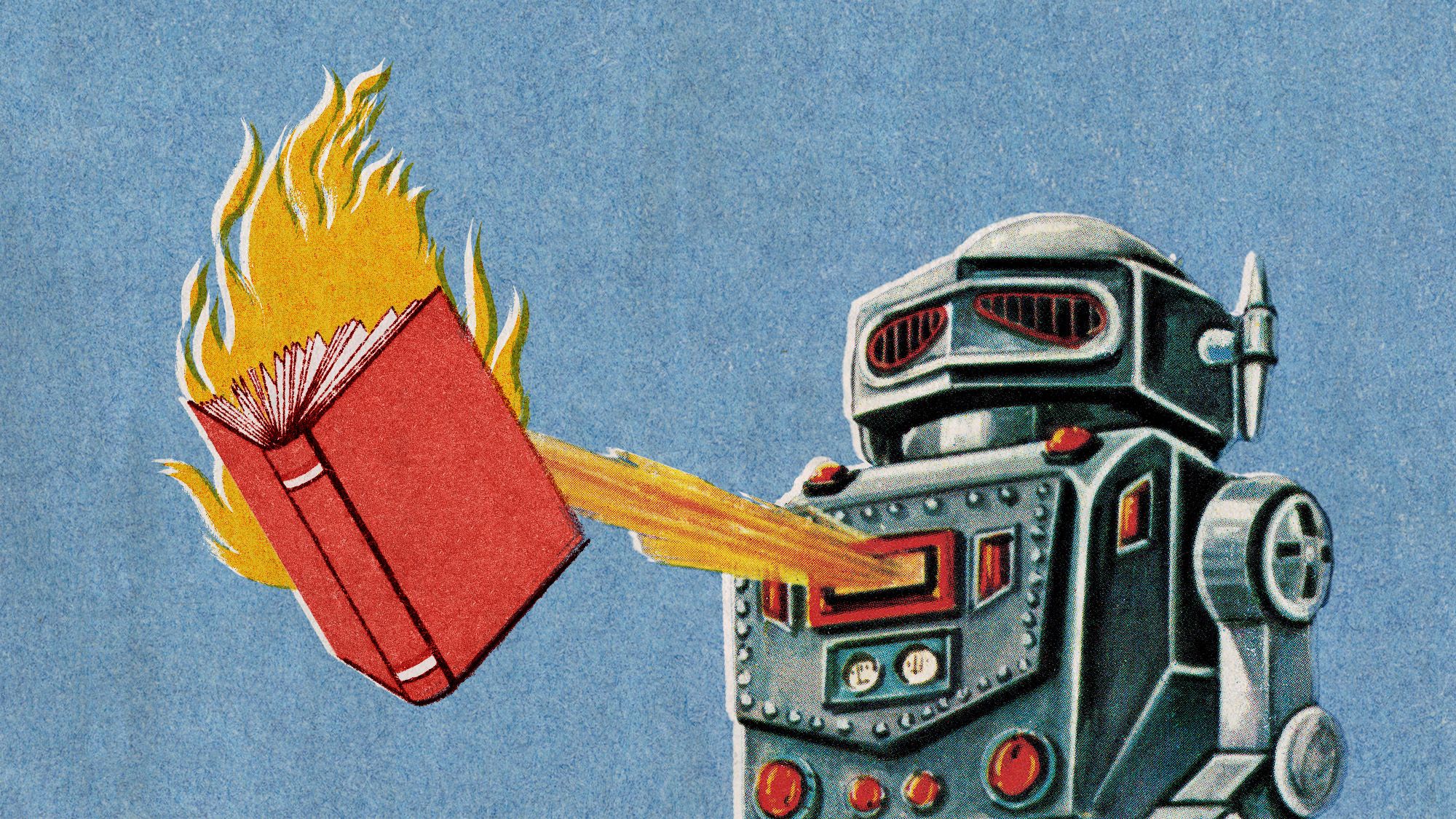
The AI industry, not content with alienating top creators, seems to be intent on alienating book lovers too. That much is clear in the wake of a 404 Media report on ISBNdb, a company that tracks book data and briefly offered "AI training data" in the form of "the world's largest book database." So far so normal; AI companies looking to build better AI models are hungry for fresh data from any source that isn't the internet. Books — generally better edited and more cogent than your average Reddit thread — make AI sound smart. (There's a premium on books published before 2022, ironically because we can't be sure if books were written by AI after that date.)
You May Also Like
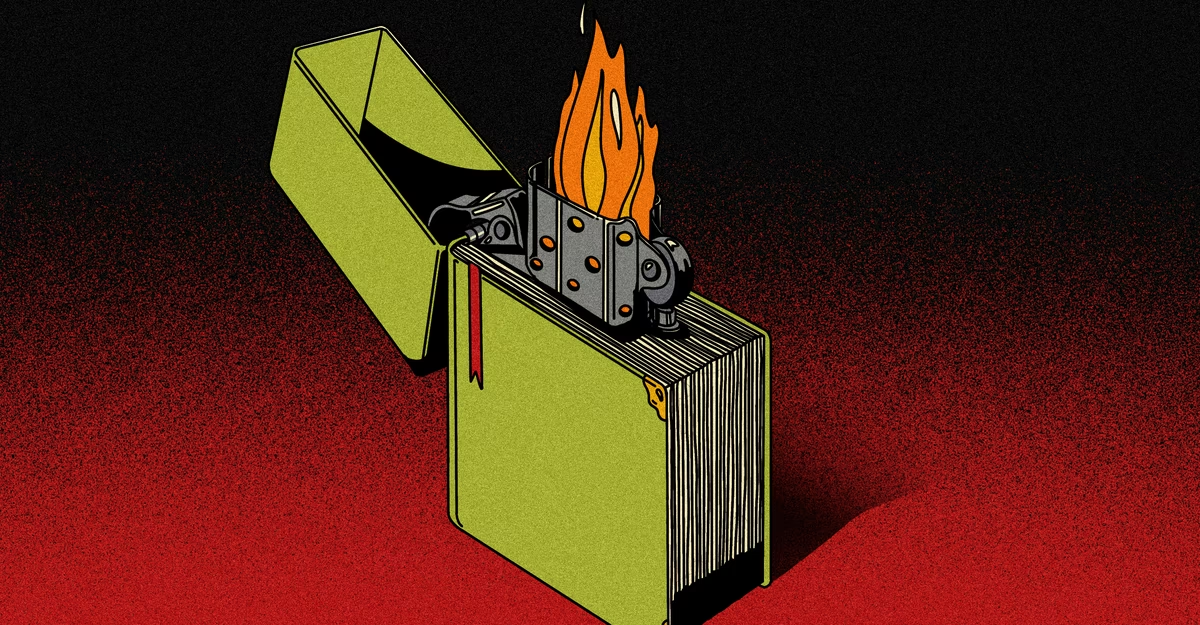
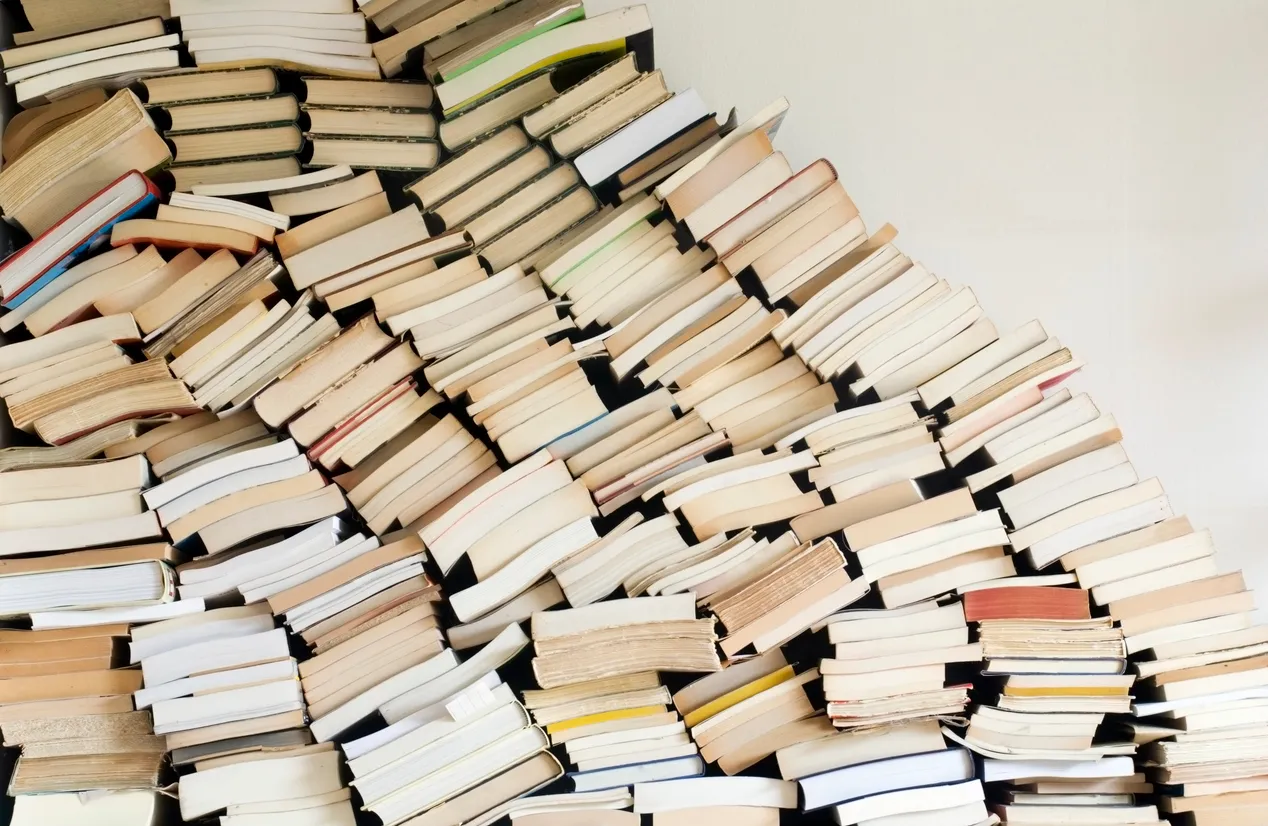
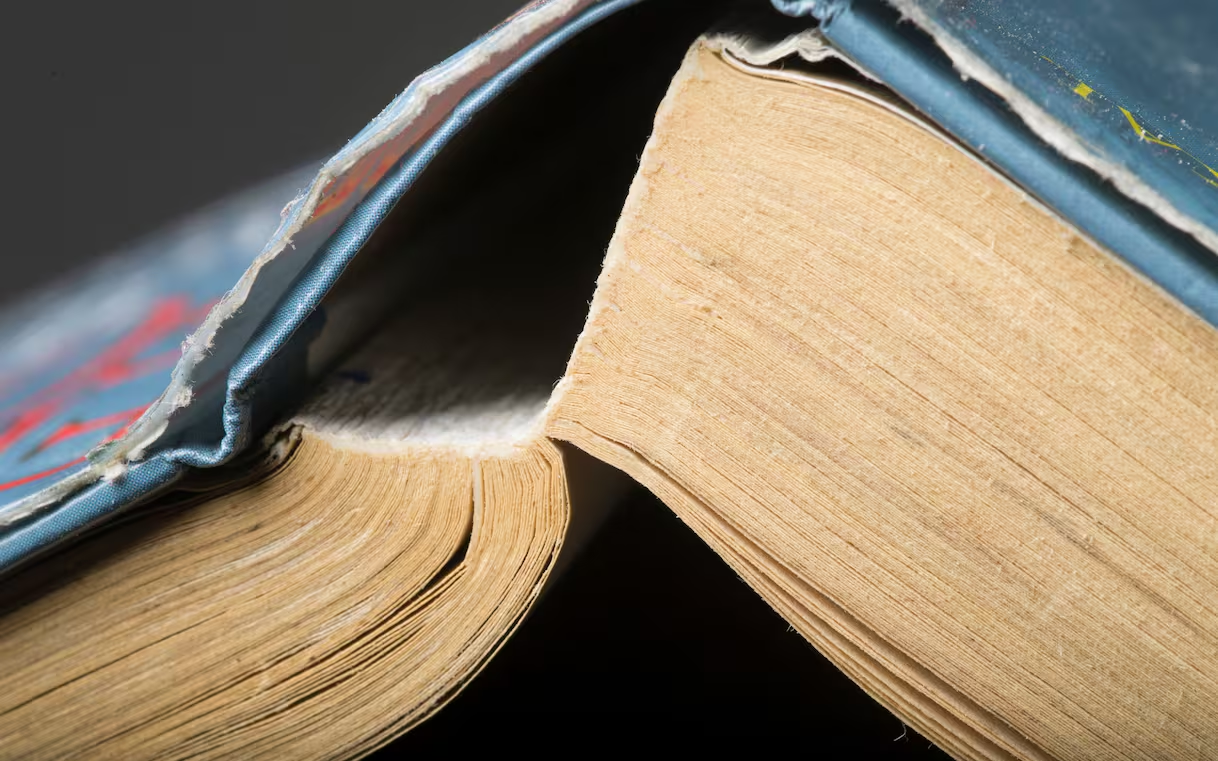
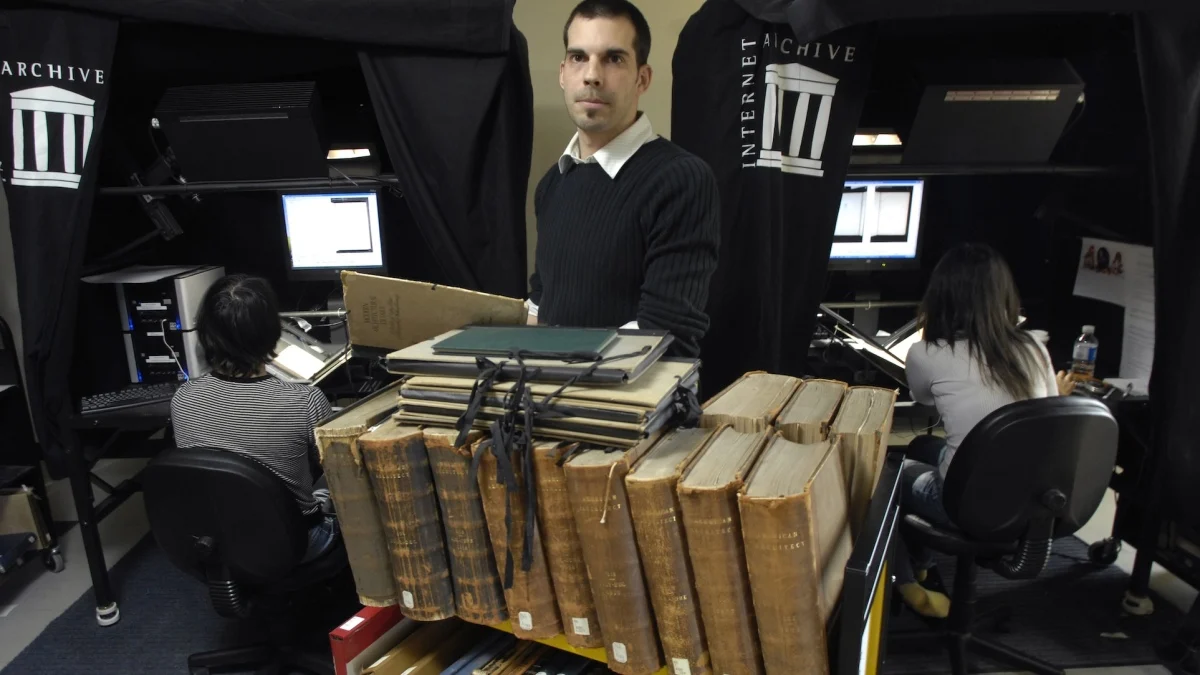
But on a now-deleted page, ISBNdb also advertised a "legally-binding nondisclosure agreement" that would hide an AI company client's "identity and strategy." Why? ISBNdb explained: "Destroying millions of books evokes images of burning libraries ... the optics problem is real. 'AI company destroys two million books' is not a headline that generates sympathy."Indeed. Turns out ISBNdb was offering destructive book scanning, an industrial process that claims to turn pages into data faster than the "move a page, take a picture" alternative — by slicing the spines off books and feeding the pages into a scanning machine, photocopier style, then recycliny them. (ISBNdb's now-deleted advice: "lead with the recycling story, not the destruction story."But if you just recoiled with horror at the destruction story, you're not alone. It wasn't a headline so much as an impassioned pro-book post from a financial newsletter that caught the internet's attention last week. Among the post's 2,000 outraged replies was one from Elon Musk, pledging that Grok's book training would be done the "hard way" in the case of rare books. Though as commenters quickly pointed out, Musk offered no definition of what was a "rare book" — nor any promise that his AI company would avoid destroying books in other cases.