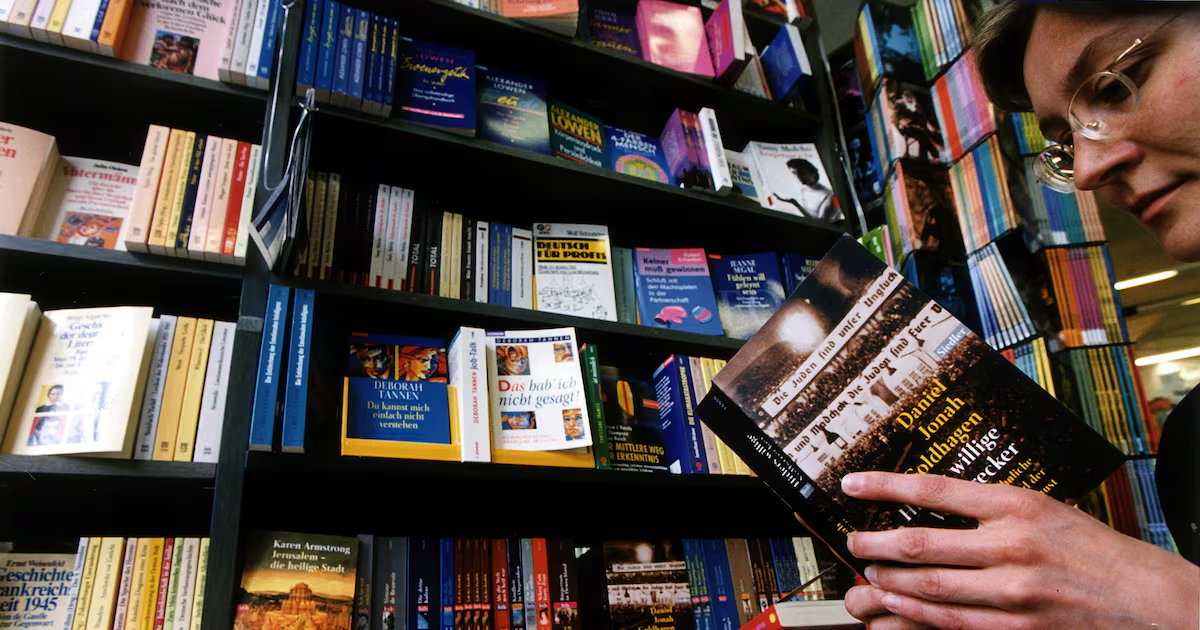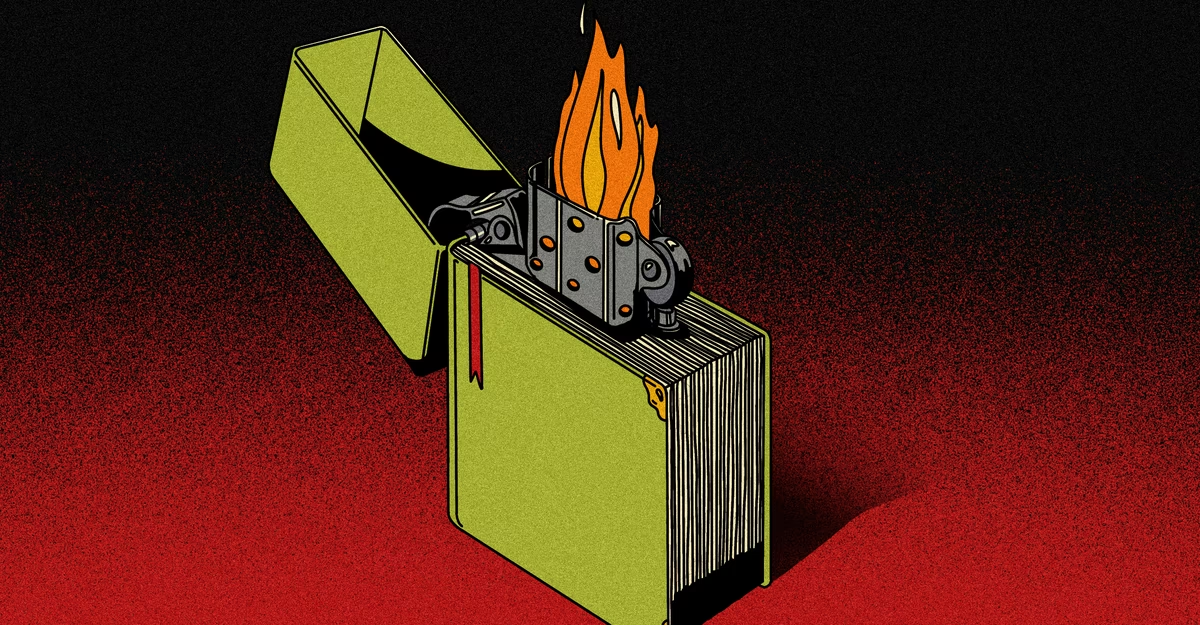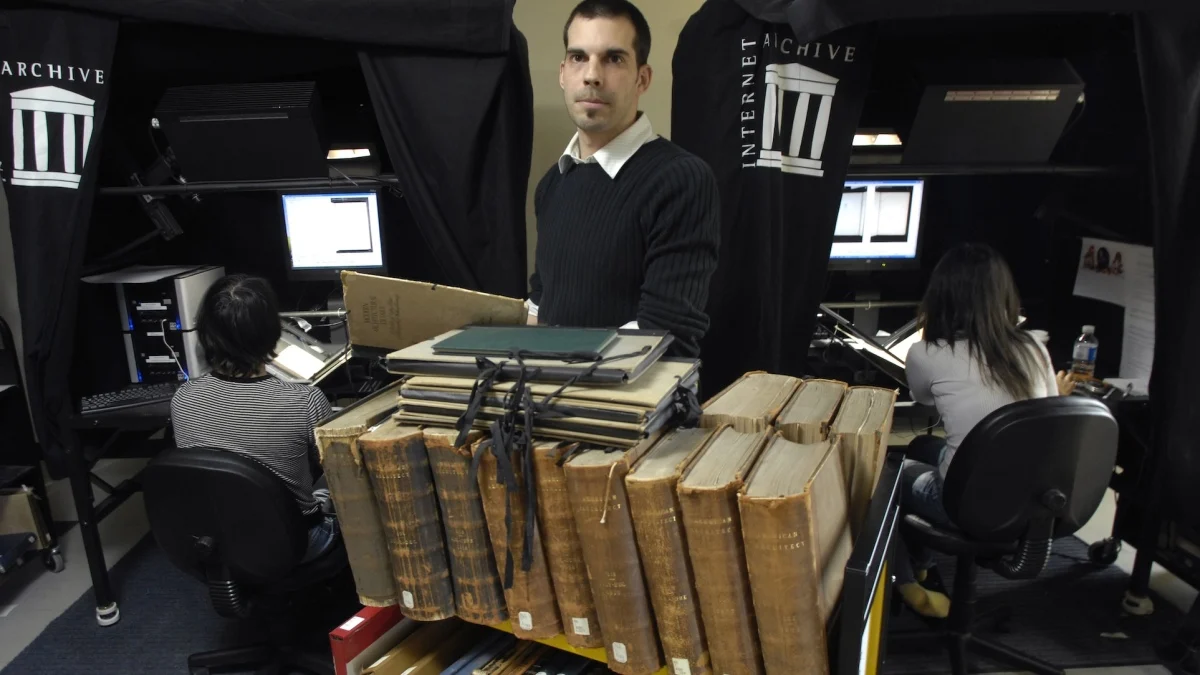
One independent book retailer in Galway, Ireland, received an online order for 5,000 books, which would be elating for many shop owners, especially at a time when people prefer shopping online from major platforms like Amazon or ditch physical books altogether and buy eBooks instead. However, according to The Irish Times, it’s not the number of titles that went into the order that raised red flags, but the obscure books that went with the orders, prompting fears the books are being acquired to train AI, possibly resulting in their destruction.“Some was high-quality non-fiction, like A History of Connemara, and the next thing might be The Eddie Hobbs Guide to your SSIA,” Tomás Kenny of Kennys Bookshop told the publication. In this example, the former is a history book that covers a region in western Ireland while the latter is about the Special Savings Incentive Account unique to the country. Berlin bookshops are also reportedly seeing similar orders that contain titles that wouldn’t make sense for a person to purchase today, like “Pass Your Driving Test, 2018 Edition.” It follows a report last month that AI companies are reportedly shredding millions of books after using them to train AI models, using destructive scanners to quickly digitize the books.Massive orders like these aren’t that unique, with many private institutions looking to build libraries often ordering this huge number of books from independent bookstores. However, aside from weird titles included in the order, many large buyers connected with educational and other public institutions often negotiate a bulk price. When this is combined with the weird titles being included in the orders, the sellers cannot help but suspect that these orders are, in fact, made by AI companies looking to ingest more books to add to their training data.The biggest AI companies have been hit with multiple lawsuits regarding book piracy — for example, court records revealed that Meta torrented 82TB of pirated books for AI training, while Nvidia is in hot water as a judge said that its NeMo Framework “have no other purpose” than to speed up infringement. More recently, Anthropic was hit with a $1.5-billion settlement for infringing the rights of authors and their publishers. Unfortunately, the penalty here is based on the startup’s use of pirated books — the court has ruled that the AI firms’ use of these written works to train AI is considered fair use.This isn’t applicable in Germany, though. “Under German law scanning books – regardless of the purpose – would not be permissible and constitute a clear violation of copyright law,” said Thomas Koch, spokesperson of Germany’s Publishers and Booksellers’ Association. “That this is now happening with second-hand books is another highly troubling example of this practice.”They’ve also surmised that the purchases are driven by AI bots that troll the internet for ISBNs (the unique numerical code assigned to each book title) that they don’t have in their library yet. The orders are shipped to local addresses, but because some European nations have laws that prevent book scanning, the association thinks that these are just collection points for eventual bulk shipping to the U.S.It’s not clear if the bookshops are fulfilling these orders or not. On the one hand, these bulk orders are a lifesaver for these stores and could help make surviving society’s transition towards eBooks and readers much easier. On the other hand, AI is scaring them, and some fear it wouldn’t just be the end of bookstores but could also lead to the degradation of human critical thinking abilities.Get Tom's Hardware's best news and in-depth reviews, straight to your inbox.
Independent bookstores in Europe receive suspicious orders for thousands of books, prompting fears they'll be destroyed to train AI — sellers believe acquisitions are part of AI tech companies’ push to get more data
Some fear that these books will be scanned and destroyed by machines, with no human ever setting their eyes on their content.
655 words~3 min read