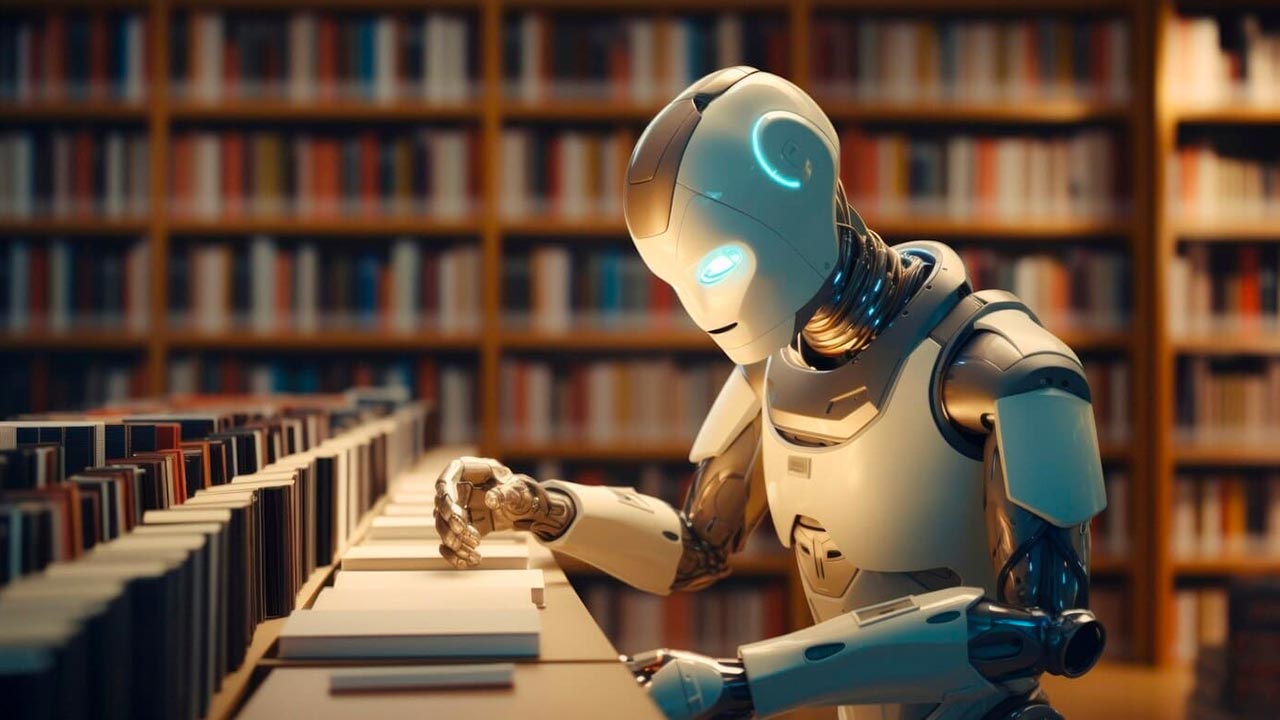
AI companies have spent years pulling training material from the internet. Now, as more of the web fills with AI-generated writing, some are looking for text in a place largely untouched by chatbots: used-book shelves.
This Tweet is currently unavailable. It might be loading or has been removed.
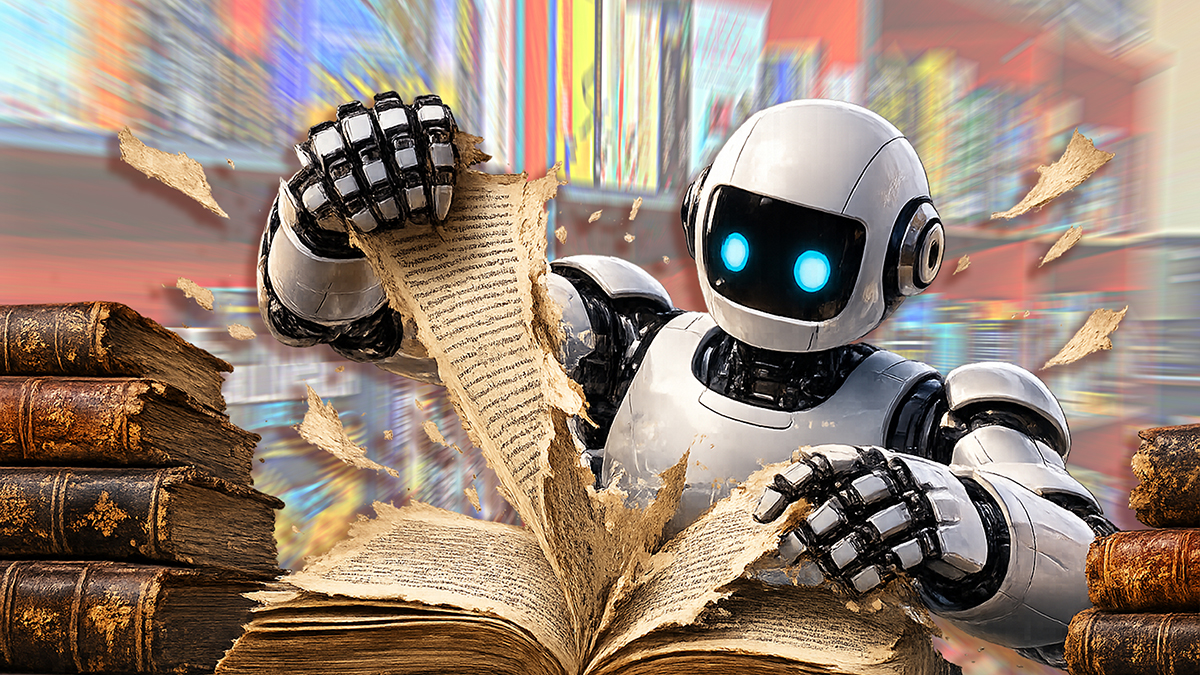
Until July 28, ISBNdb, a company that operates an online book database, advertised its ability to source as many as 1 million physical books per order for AI developers. The since-deleted page offered books “tailored to your LLM training needs,” according to 404 Media, including older, specialized, rare, and out-of-print titles gathered from used bookstores and other catalogs.The company also promised confidentiality. Its marketing materials advertised a “strict NDA on every engagement” and said clients’ identities, strategies, and acquisition targets would not be disclosed. That secrecy attracted attention because converting physical books into AI training data can involve destructive scanning: cutting off their bindings, feeding the loose pages through industrial scanners, and discarding or recycling the originals.
You May Also Like
By July 28, ISBNdb had removed the sourcing page and its promise of an NDA. The company said the service had been part of “exploring demand” and that it had “chosen to pivot away from that direction," in a news update. Still, ISBNdb’s brief sales pitch offered a glimpse into a book-buying operation that one major AI developer has already carried out on a much larger scale. Federal court records show that Anthropic purchased and scanned millions of physical books, while used-book sellers in the United States and Europe have recently reported unusual bulk orders for obscure and out-of-print titles.The reports have opened several practical questions: Why have older books become so valuable to AI developers, how widespread is destructive scanning, and what happens to the originals once their pages become training data?Why AI companies are hunting for old booksOlder books offer something that has become surprisingly difficult to guarantee online: writing produced entirely by humans.