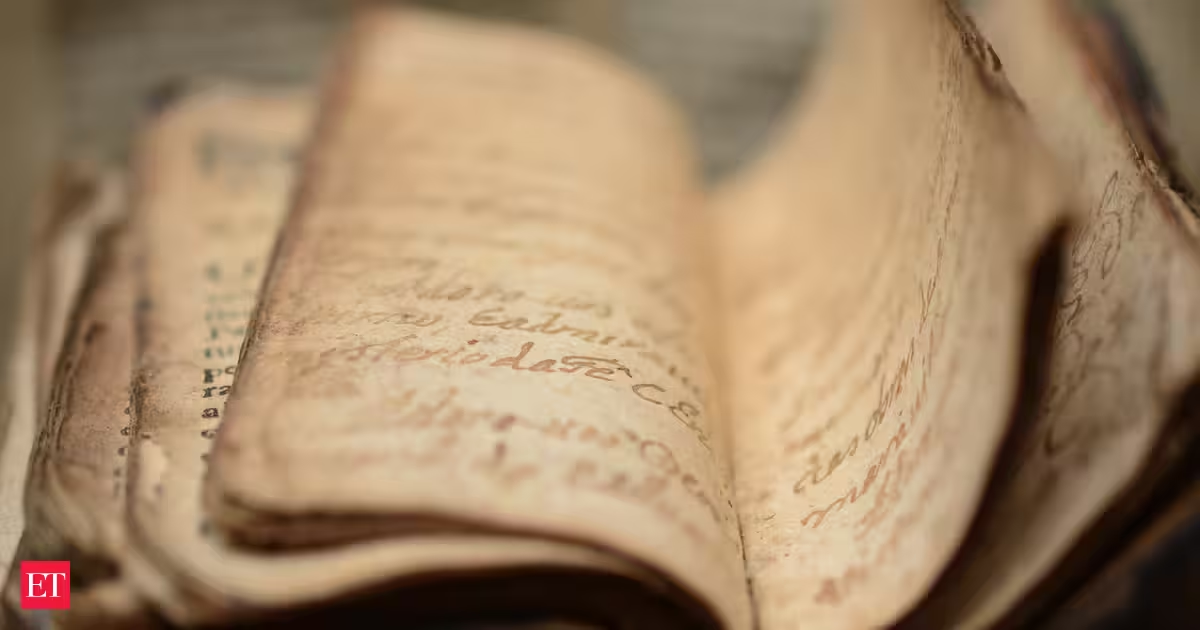
We have written about why AI companies are buying up old books: printed before the internet filled with machine-made text, they are a clean source of language, free of AI slop. This is what that hunger looks like from the other end. In Australia, secondhand booksellers fear someone is slicing apart and pulping the rarest titles on their shelves to train the machines.
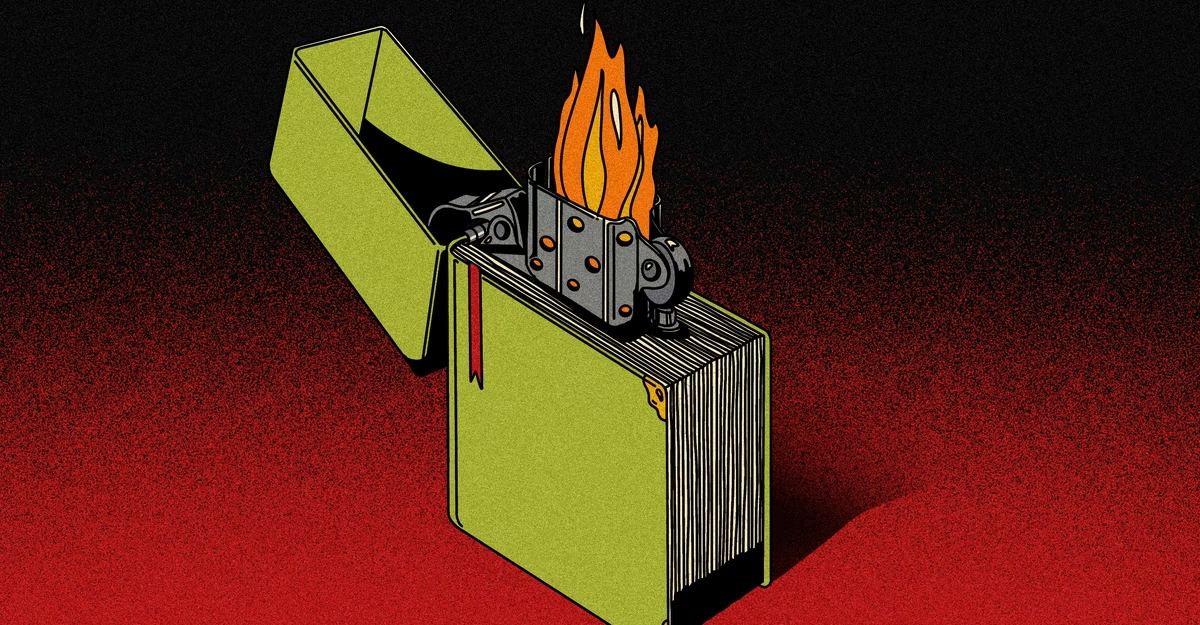
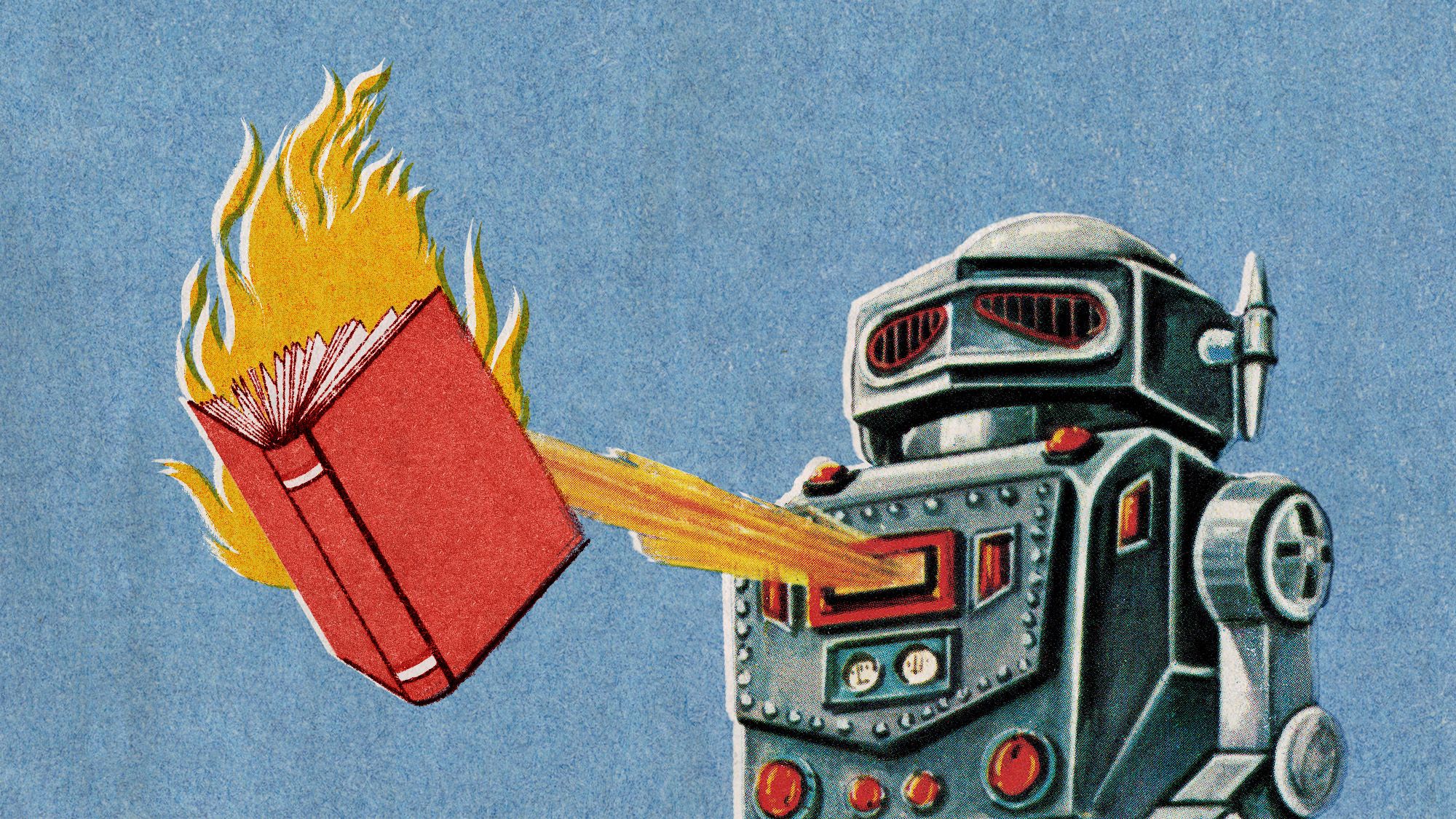
The fear traces to a US copyright case against Anthropic, brought by book authors. Unsealed files revealed a practice called “destructive scanning”: buy the book, slice off the spine, scan the pages, pulp the rest. The Washington Post reported the company tried to keep it quiet. A judge ruled it lawful, as “transformative use.”
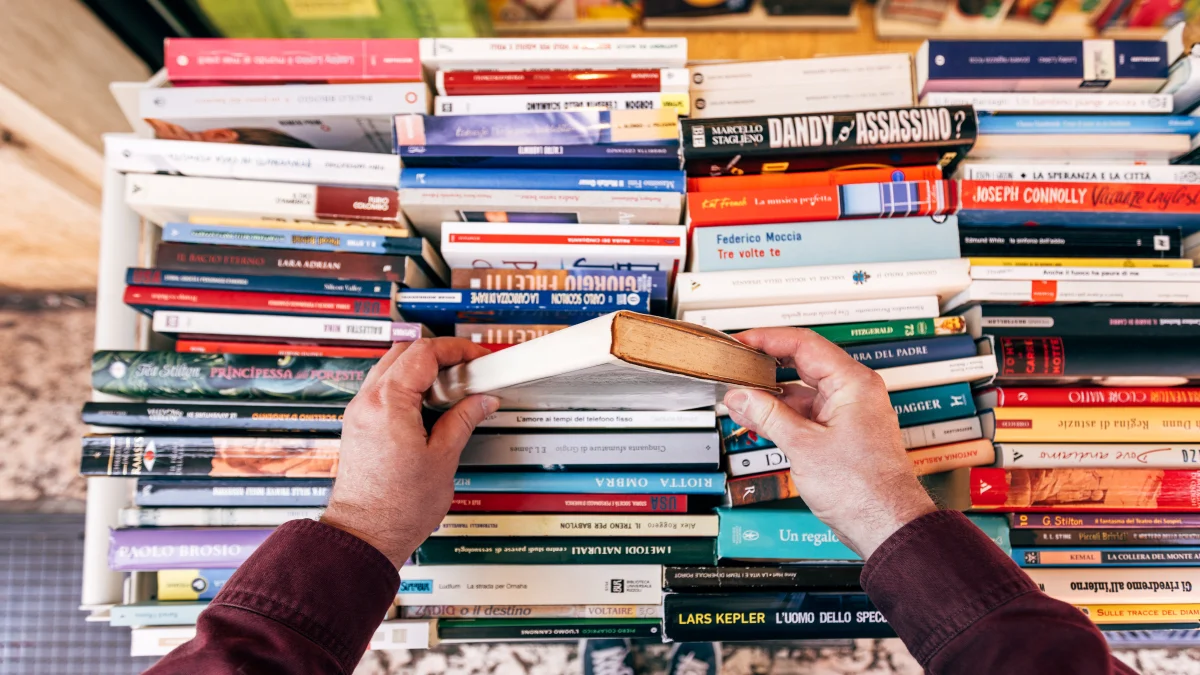
The practice is now understood to be widespread, with 404 Media reporting that intermediaries have stepped in to feed it. That is where Australia’s booksellers come in. Several noticed strange waves of orders through the big secondhand marketplaces, Abebooks and Biblio, and started asking who was buying.
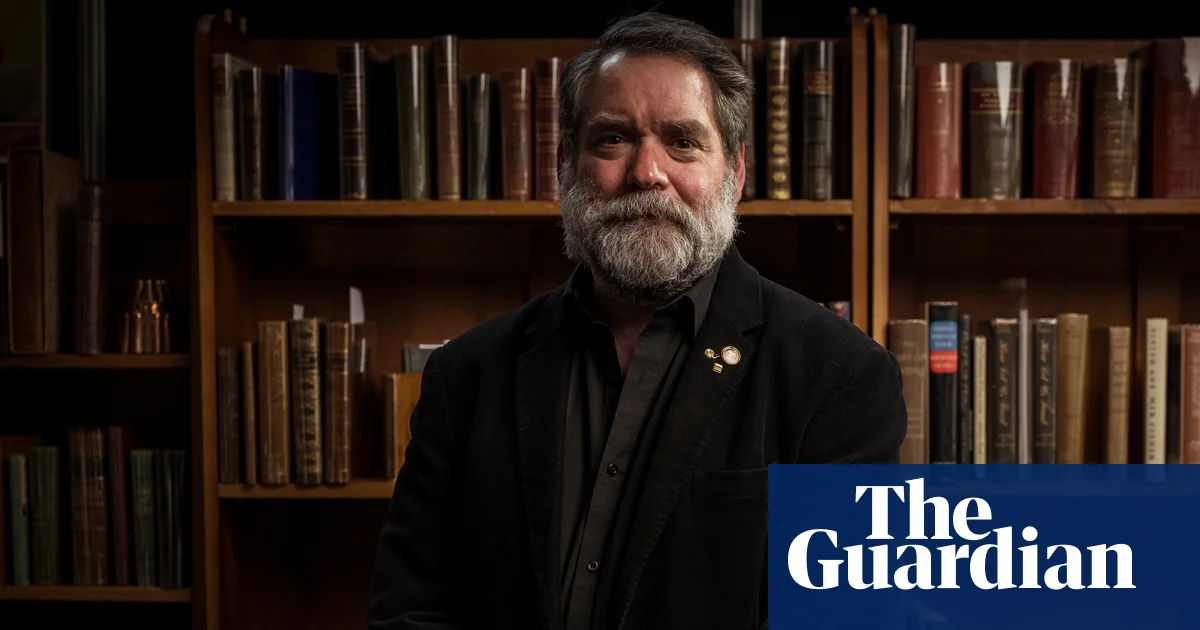
The buyer, in many cases, was a Canadian “book recycler” called Zoom Books. As the Guardian reported, the orders were price-insensitive and oddly random. Delfina Manor, in Victoria, got three boxes in May and asked them to stop. One order paired a 1970s soil-mechanics manual with a $9 poetry book that had sat unsold for 20 years.