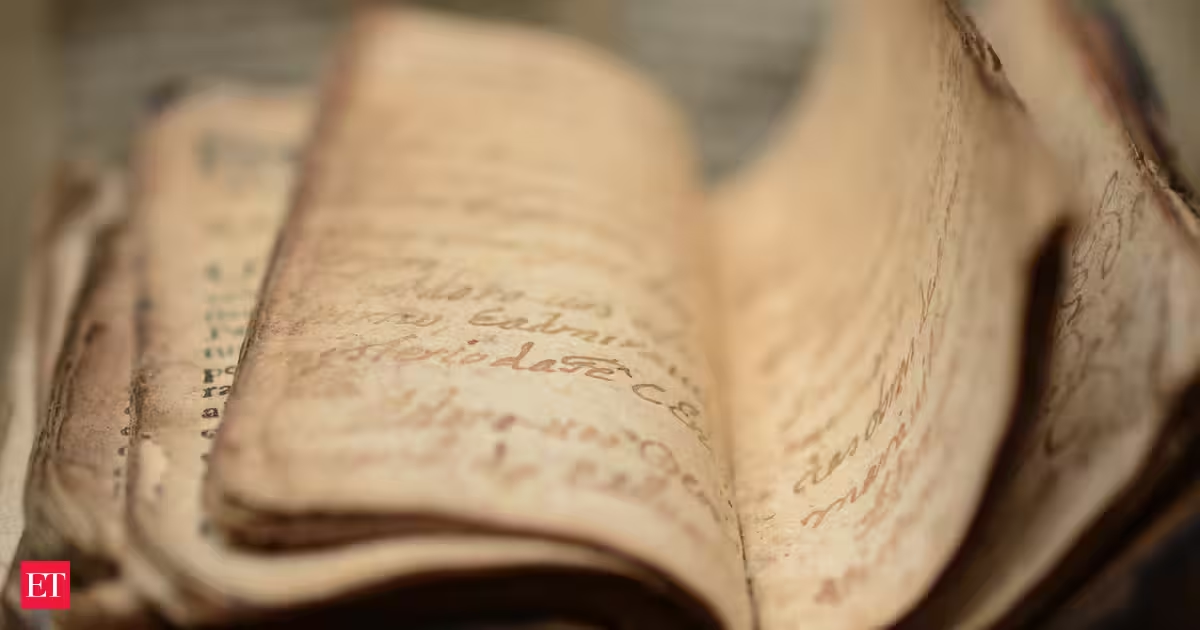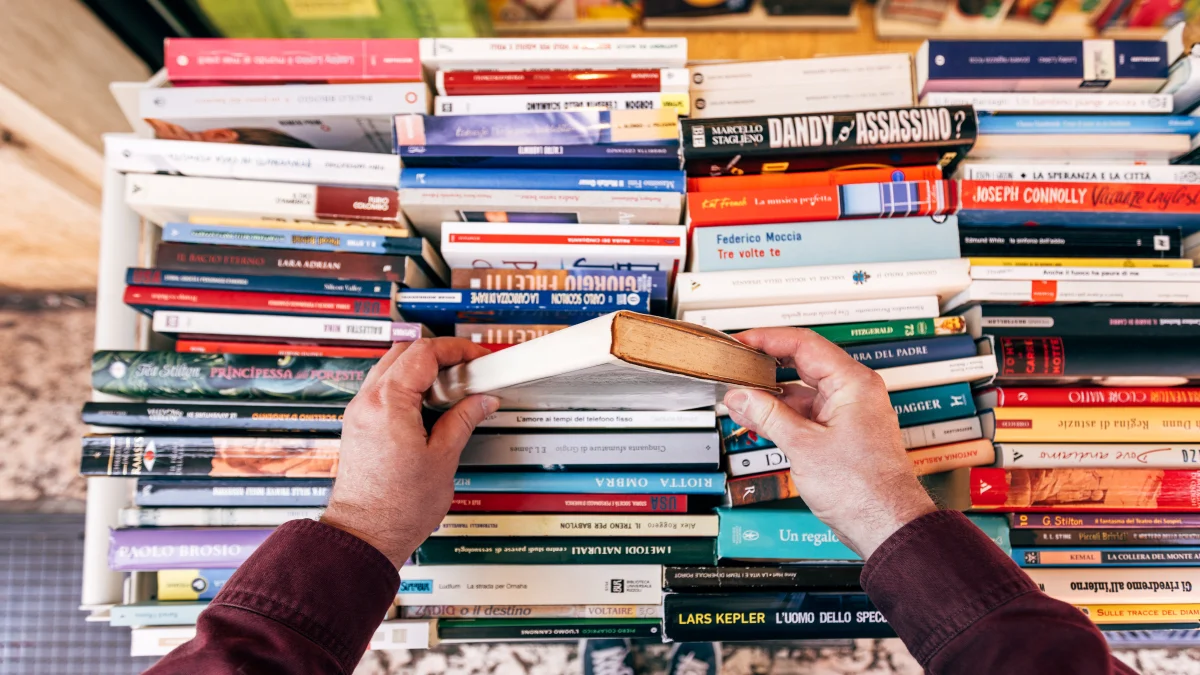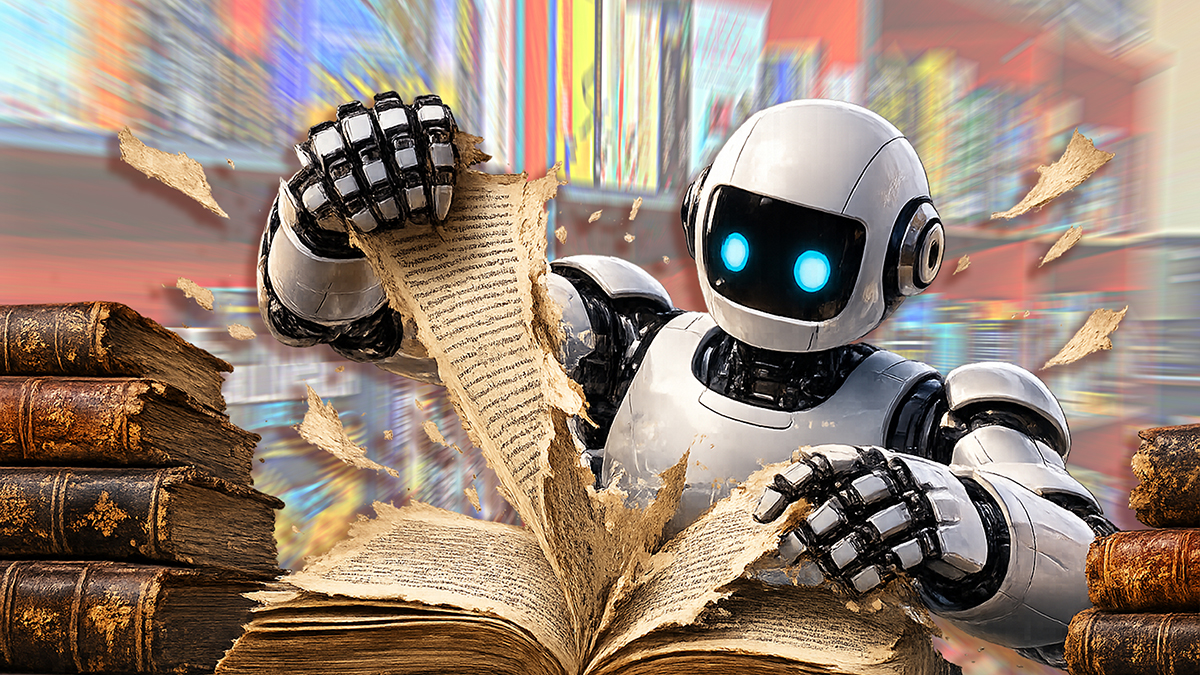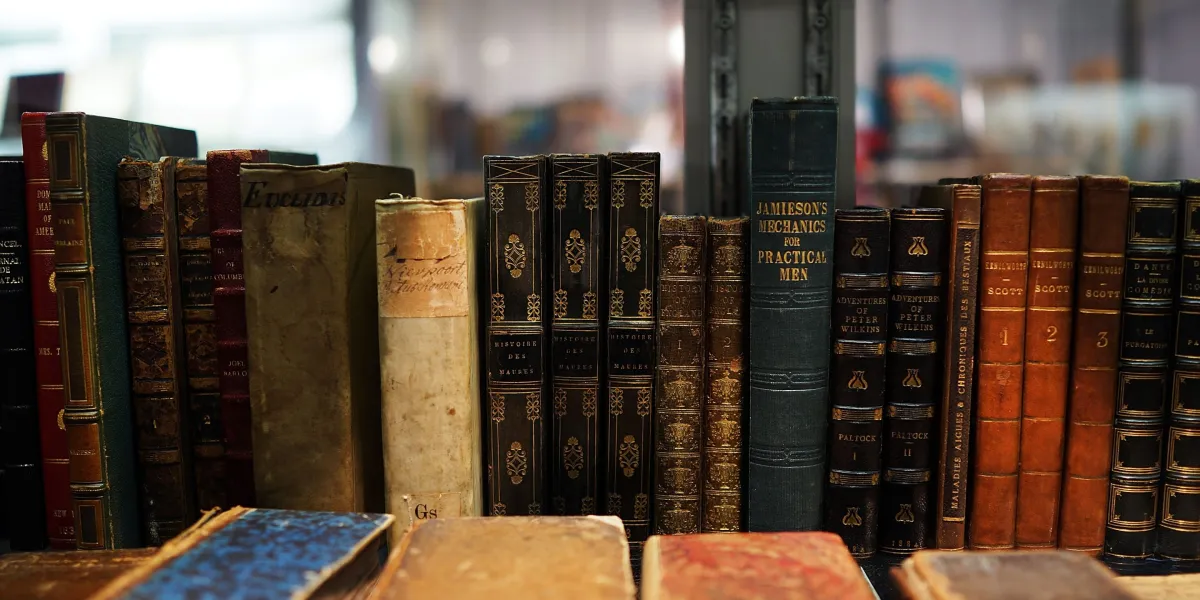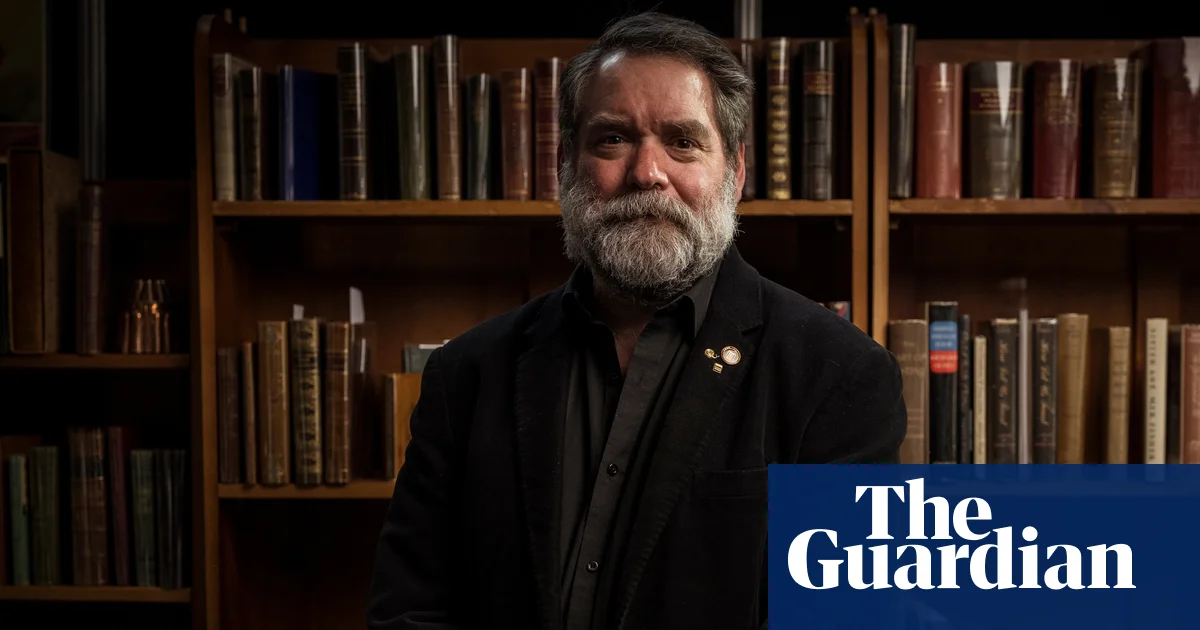
“Sometimes books tell you more than the content,” says Tim White, as he lines up carefully dust-jacketed books and pamphlets in plastic sleeves on temporary shelves in Melbourne University’s Wilson Hall.He’s preparing his stall for this weekend’s Melbourne Rare Book Fair. For people like White, who runs independent bookshop Books for Cooks, the book as a physical object is just as important as what’s inside it.“We’re interested in where food and society connect … So we just keep pushing the boundaries, looking for things that show unusual aspects of that, things that tell us a bit more about what it is to be human,” he says.“That’s what most of us [rare booksellers] do. We handle things that have a story.”Tim White of Books for Cooks says the issue raises ‘an interesting tension … If it’s a book that has that storytelling element to it, or it’s a one-off, it’s horrific.’ Photograph: Christopher Hopkins/The GuardianBut vendors and rare books experts are increasingly worried that these artefacts may be under threat of destruction by generative AI companies seeking to feed their ravenous technology with new texts.Fears stem from a copyright lawsuit brought against AI company Anthropic in the United States by book authors. Unsealed court files revealed earlier this year that the company was engaging in the practice of “destructive scanning” – buying physical books, slicing off the spines to more efficiently scan the pages, then pulping the remains – and had sought to keep it quiet. The judge ruled this was lawful under US copyright law, as it amounted to “transformative use”.The practice is now understood to be widespread among generative AI companies, and recent reports suggest intermediaries are stepping up to facilitate the process. Australian secondhand booksellers are wondering if they have been caught up in the AI supply chain after they recently experienced waves of orders that did not fit with usual customer patterns.
‘More than just objects’: Australian book sellers raise alarm over ‘horrific’ destruction of rare titles to feed AI
Secondhand booksellers believe they may have been caught up in the AI supply chain that sees old books scanned then destroyed
1,055 words~5 min read