(Image credit: Getty Images)
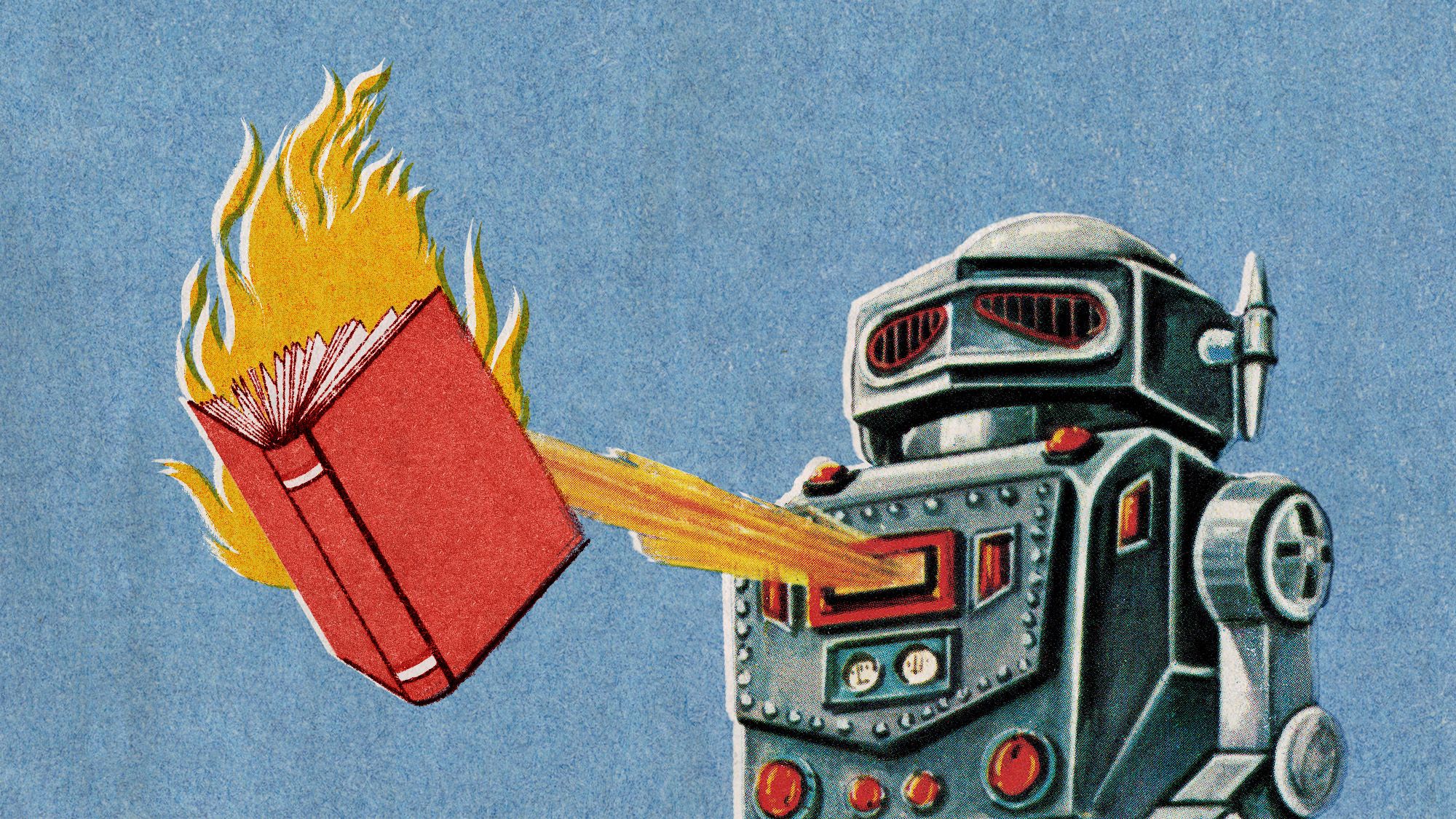
Today, the most popular AI models have become genuinely useful to many as a digital assistant. Yet, the companies behind them have drawn growing criticism. The rapid expansion of AI data centers has raised concerns about energy use, water consumption and the strain on local communities. At the same time, the huge demand for high-bandwidth memory (HBM) used to power advanced AI systems has contributed to supply shortages across the industry. Then there's the flood of "AI slop"—low-quality images, music, videos and text that increasingly fills social media feeds and search results.Most people also know that AI models are trained on enormous collections of data. That information comes from across the internet, including websites, books, academic papers, images, audio recordings and videos.Concerning books, recent reports from The Washington Post and 404 Media have exposed a disturbing trend — Anthropic (the company behind the Claude AI tool) has reportedly dismantled classic physical literature just so they could make the scanning process go faster in a bid to further train their AI models on their material. Here’s an explainer on why and how this trend has come to fruition.Why and how this trend is happening