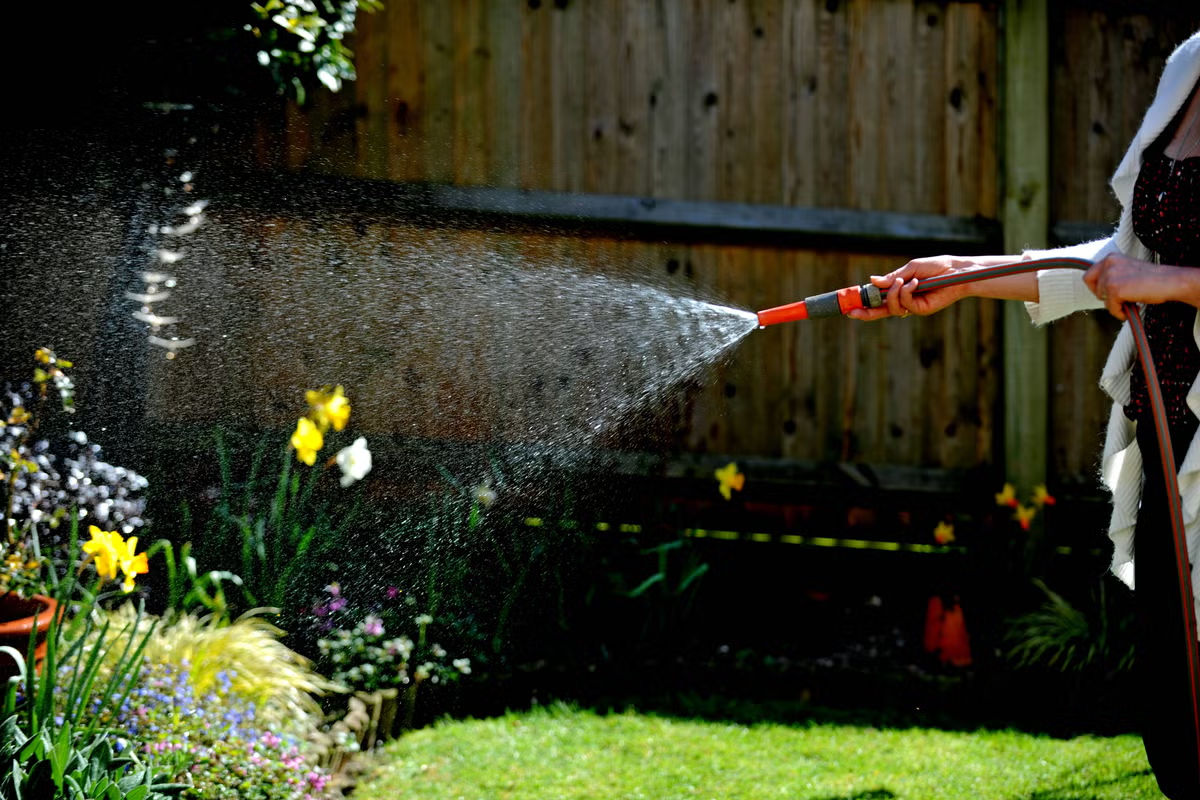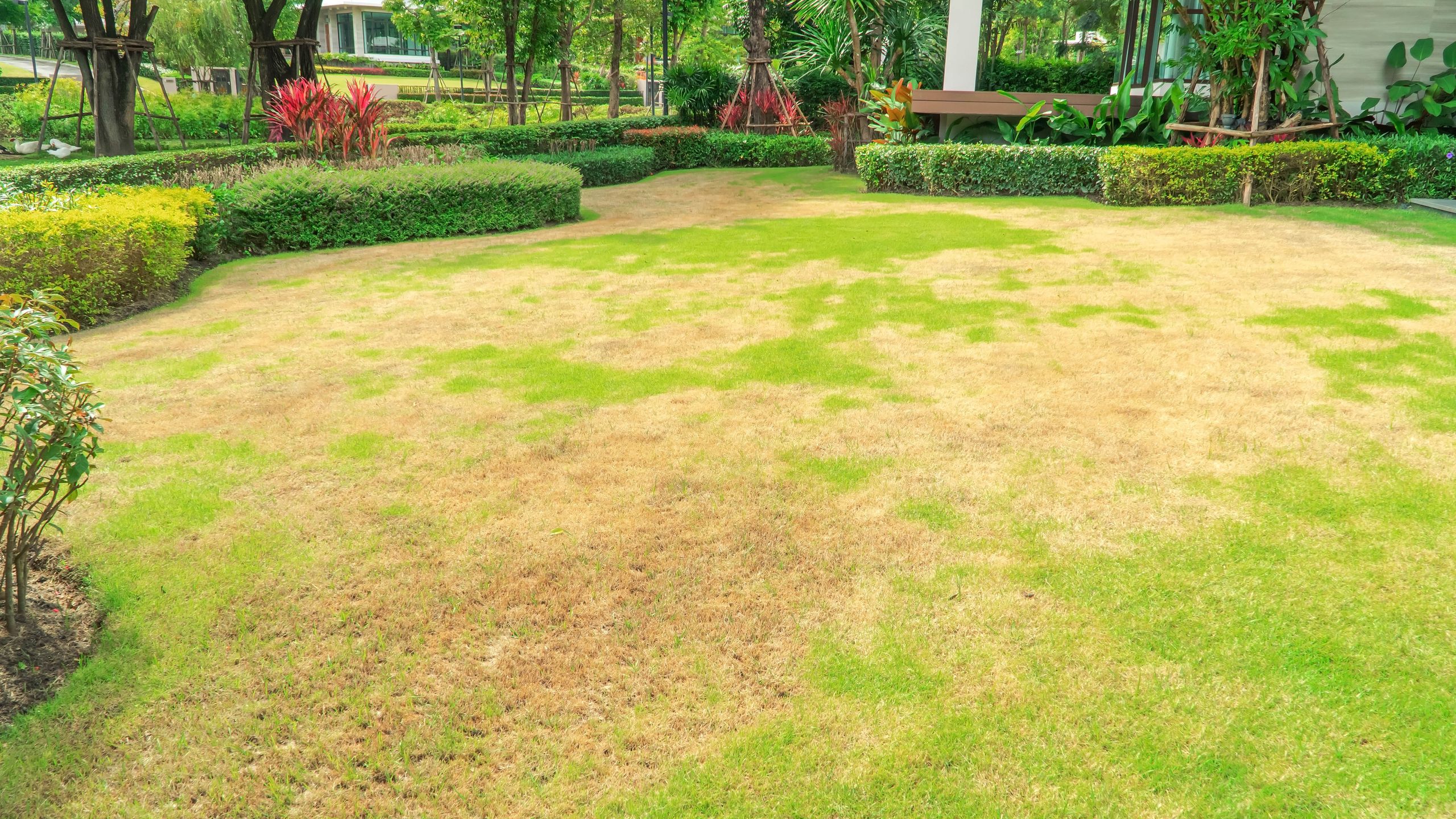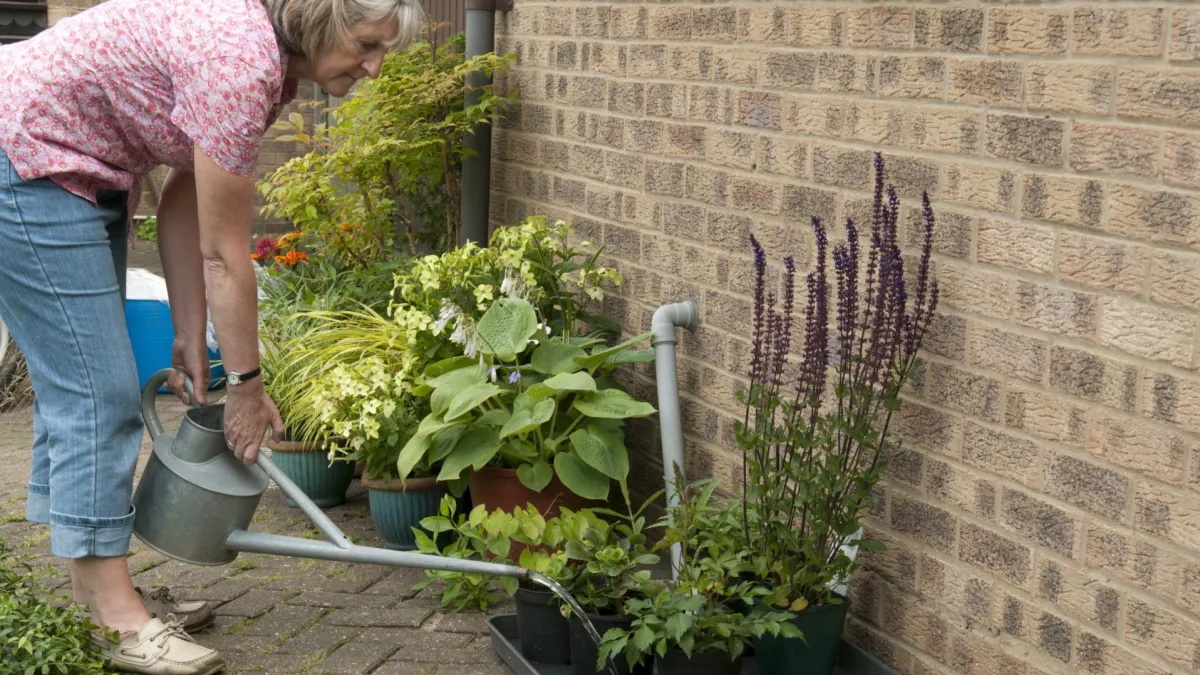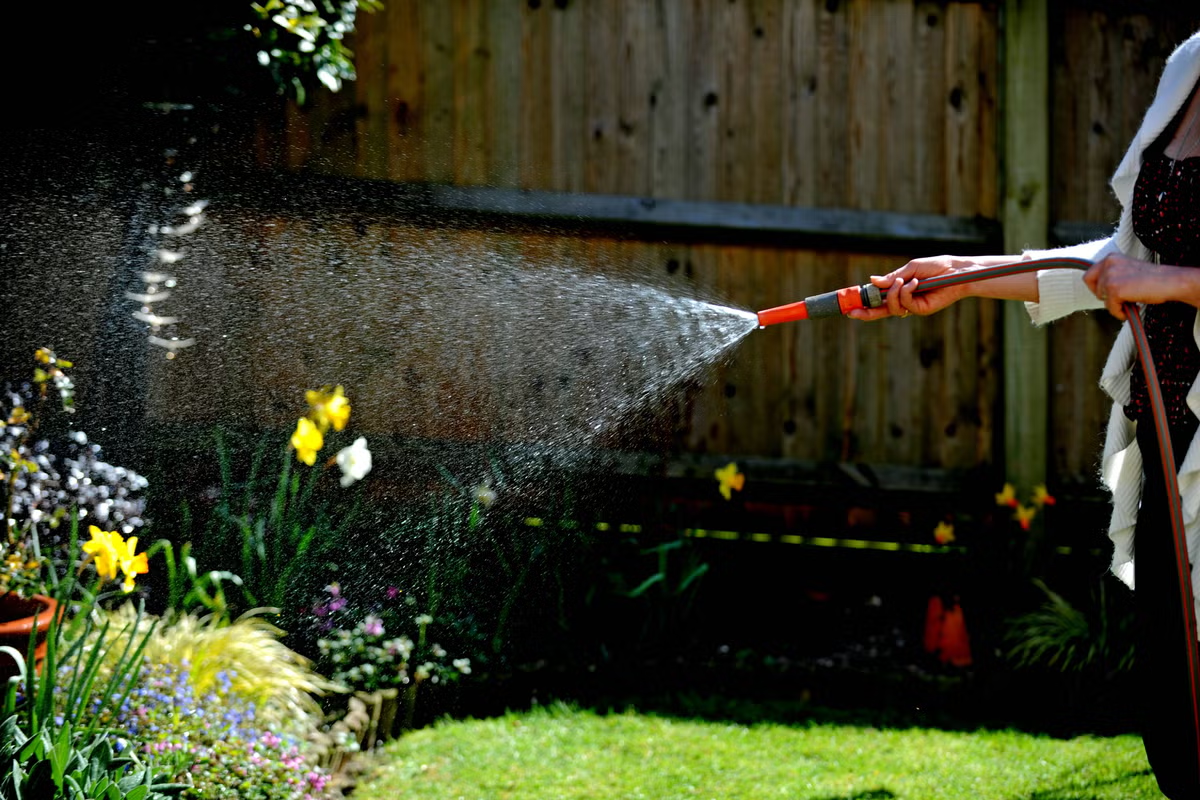
As the days get shorter and the sun lower in the sky, plants need less and less water. By mid-September, their water needs are very low. This will be a great relief to hard-pressed gardeners in drought-affected areas, who can eke out grey water from the kitchen and bathroom and any remaining stored rainwater to finish the main growing season, which ends in September.
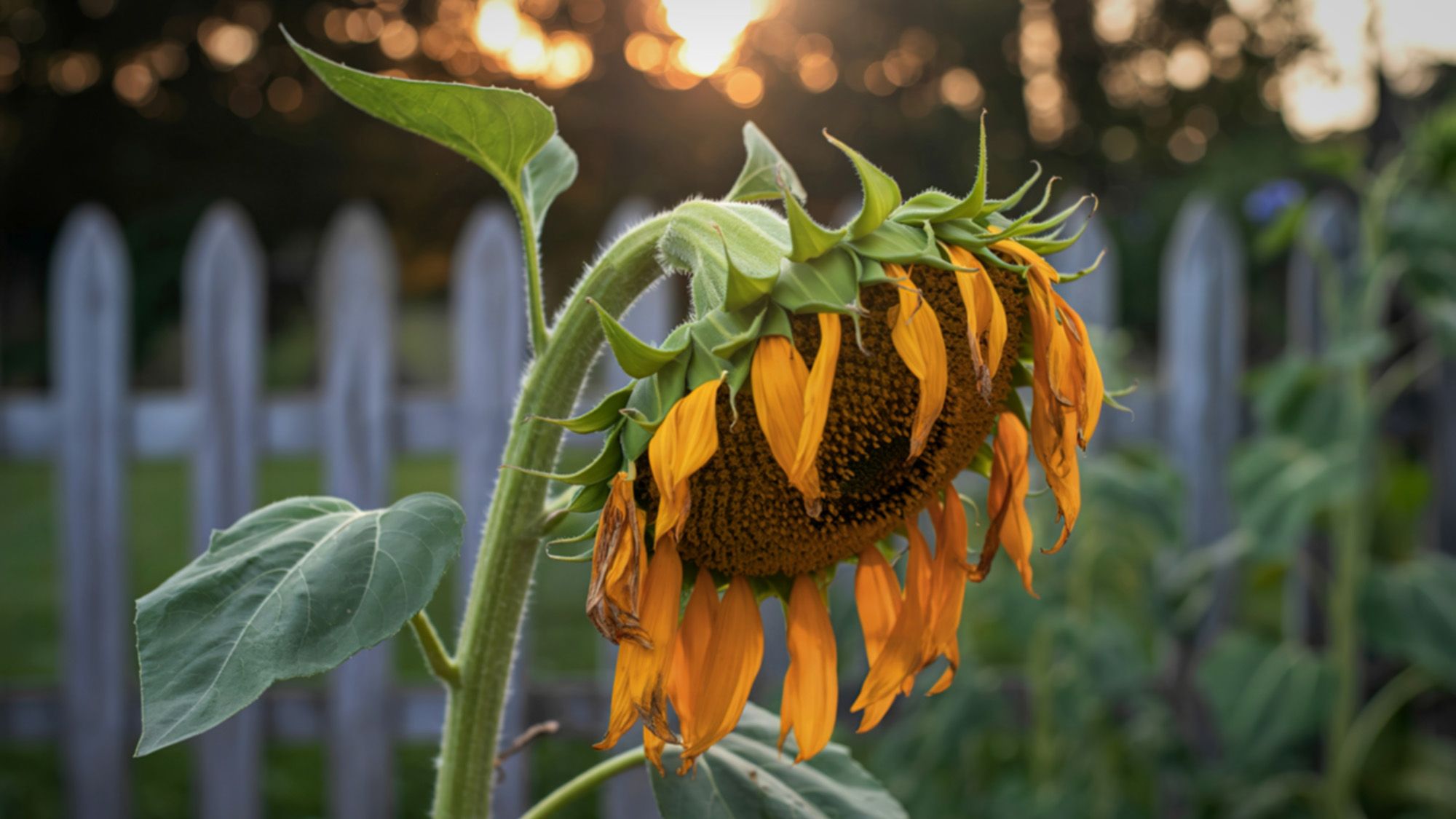
For plants that are not going to give a worthwhile crop – late-sown beans and squash, for example – this summer might as well be composted now to save work and water. These laggards will grow more and more slowly as summer progresses and realistically they will grow only a little in September.
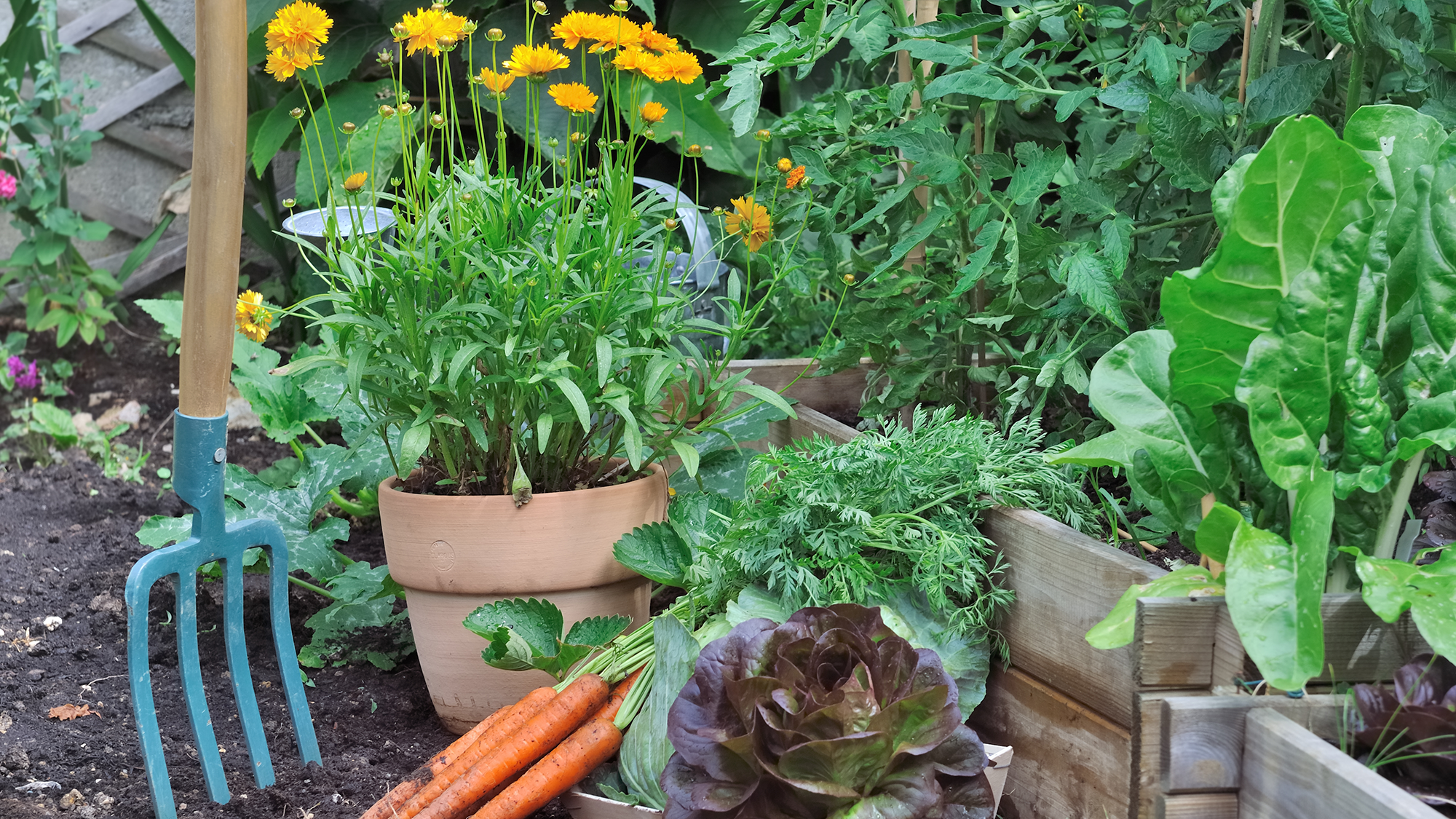
Other plants will have flowered and cropped themselves to a standstill now. The first beans, courgettes and cucumbers often cease to flower well now and might as well be composted so you can concentrate on the later crops and those for winter and next spring, such as leeks and purple sprouting broccoli.
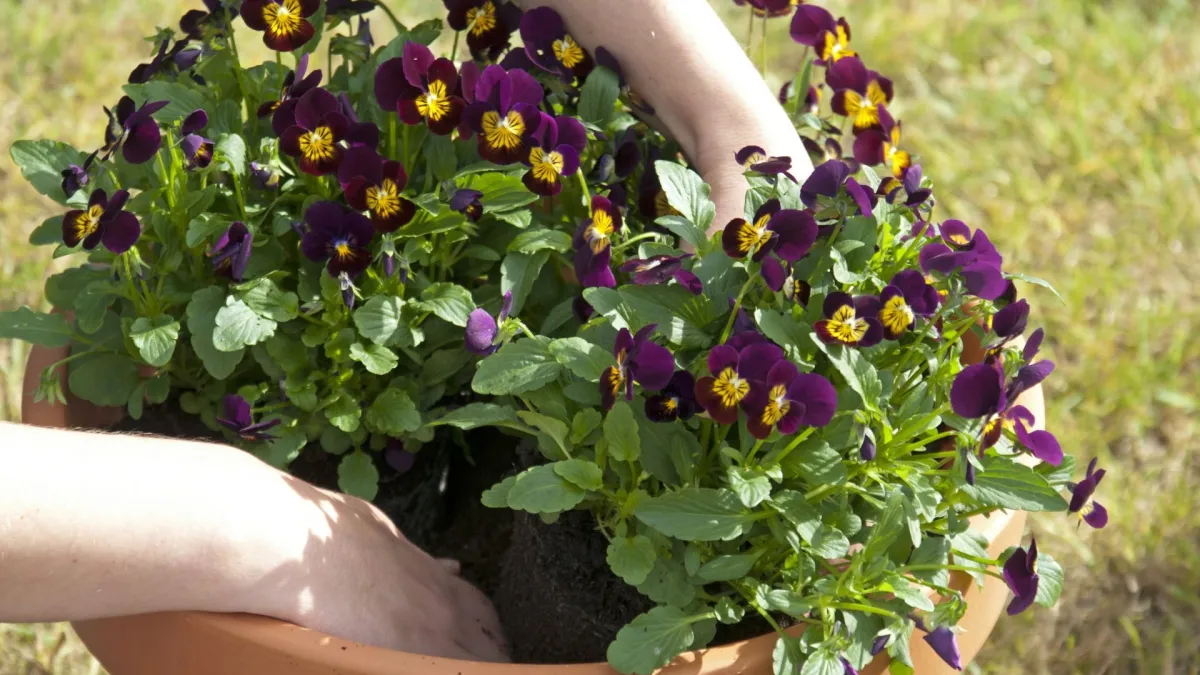
Antirrhinums and poppies are examples of flowers that tend to peter out by late summer and can be replaced, when the rains return, with wallflowers and pansies for 2027.
Oriental poppies peter out by the end of summer (Photo: TimSandall/RHS)