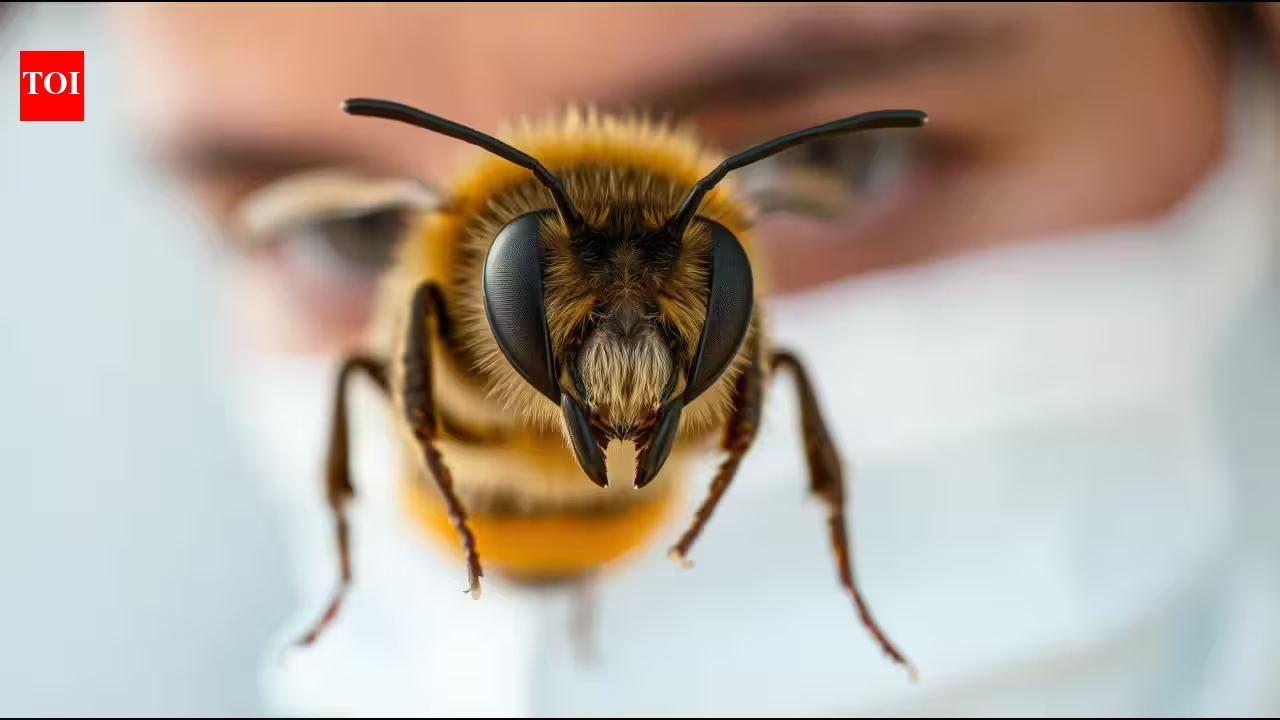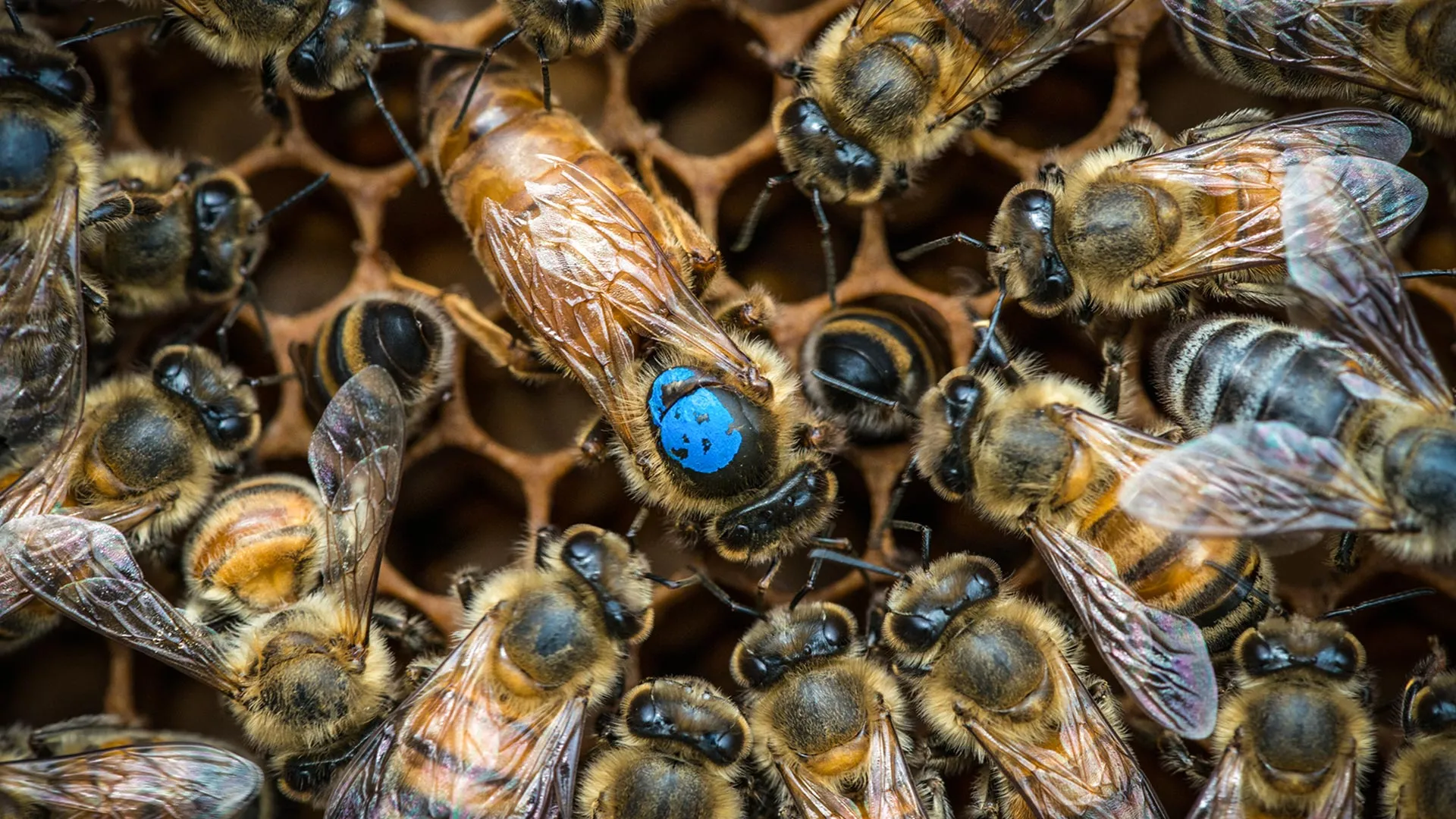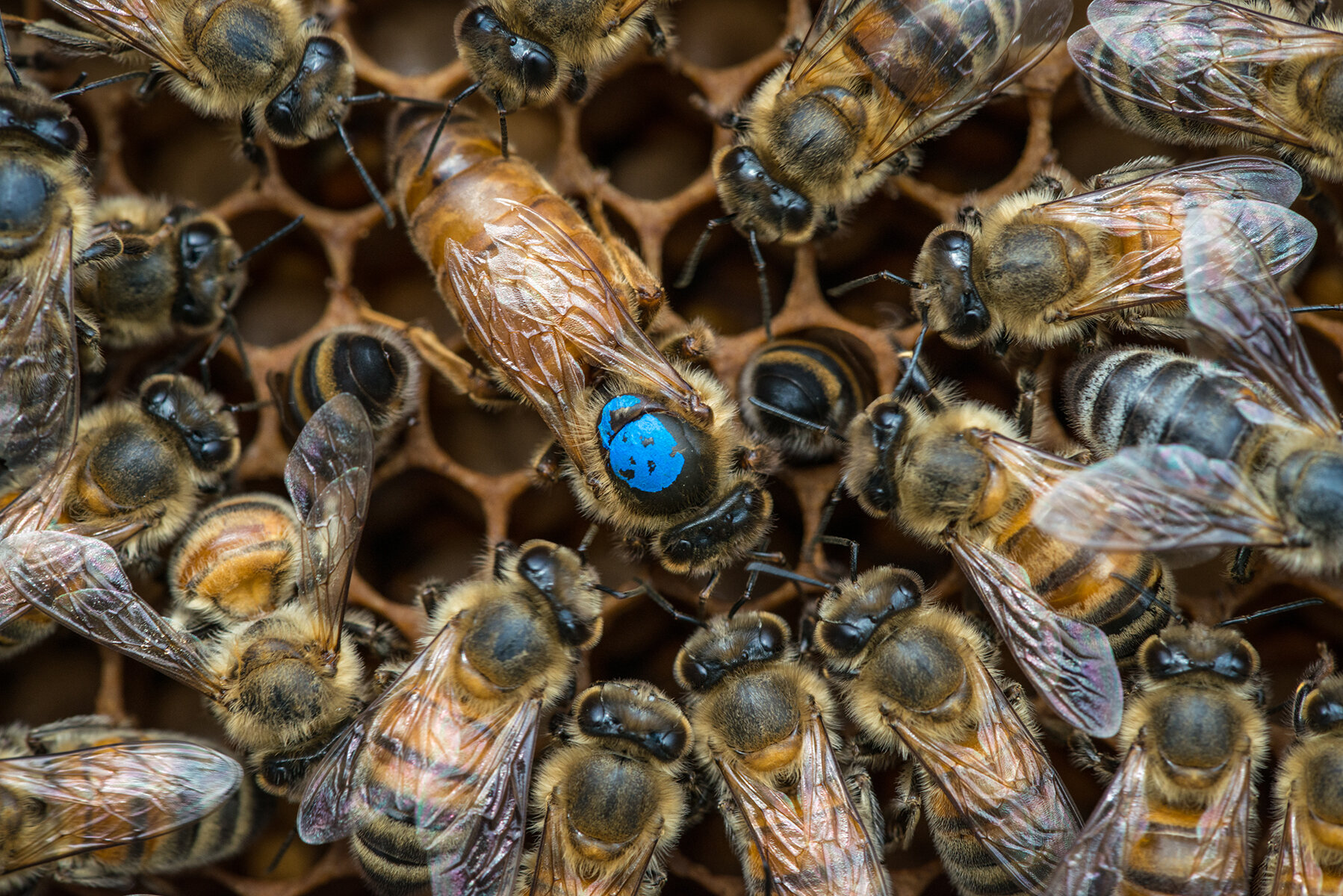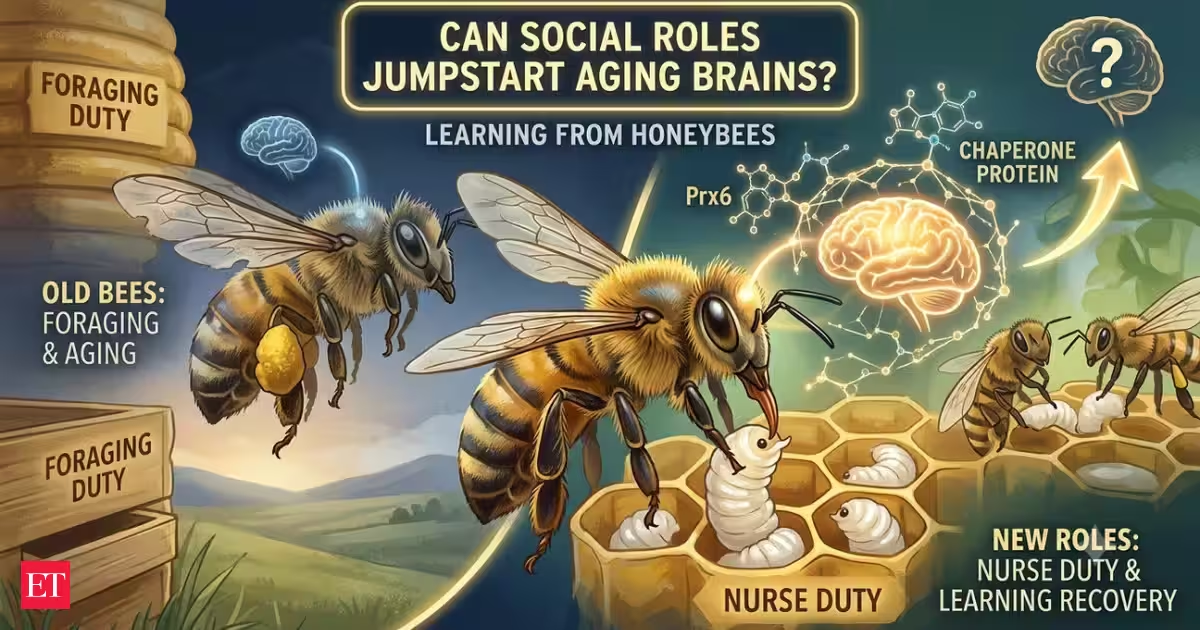
Brain aging research: What if an aging brain could respond to a change in its surroundings? In 2012, scientists from Arizona State University and the Norwegian University of Life Sciences found that older honeybees could regain some of their lost ability to learn after taking on social tasks normally performed by younger bees.The findings suggested that brain aging in honeybees may be more flexible than previously thought. They also raised questions about whether similar social influences could affect the molecular processes involved in age-related cognitive decline in humans.The study, led by Gro Amdam of Arizona State University's School of Life Sciences, was published in the journal Experimental Gerontology.Older bees showed signs of renewed learning abilityHoneybees take on different responsibilities as they age. Younger bees typically remain inside the nest and care for larvae, while older bees eventually leave the nest to forage for food.Amdam pointed out that previous research had shown that bees caring for larvae remained mentally competent for as long as researchers observed them, according to a Sciencedaily report. Once they became foragers, however, they began aging rapidly.You Might Also Like:After about two weeks of foraging, the bees showed physical signs of aging and had lost some of their ability to learn new things.The researchers wanted to know whether this decline was permanent or whether the bees could respond to a change in their social environment.Scientists gave older bees a different roleDuring the experiment, researchers removed the younger nurse bees from a nest, leaving the queen and larvae behind.When the older foraging bees returned, activity in the nest declined for several days. The older bees then divided into different roles. Some returned to foraging, while others began caring for the larvae.You Might Also Like:After 10 days, about half of the older bees that had returned to caring for the nest and larvae showed a significant improvement in their ability to learn new things.The result suggested that the decline in learning ability seen in older foraging bees was not necessarily permanent.Changes were also found inside the bees' brainsThe researchers also looked at the molecular changes taking place in the bees' brains.When they compared older bees that improved their learning ability with those that did not, they found noticeable changes in two proteins.You Might Also Like:One was Prx6, a protein also found in humans that can help protect against dementia, including diseases such as Alzheimer's. The researchers also identified a chaperone protein that helps protect other proteins from damage when cells or tissues experience stress.These molecular changes provided another indication that the bees' social environment was connected to changes in their brains.The findings raised questions about human cognitive declineThe research was conducted in honeybees, not humans, and did not show that changing a person's social environment can reverse brain aging or treat dementia.However, Amdam suggested that social interventions could eventually be worth exploring alongside efforts to develop drug treatments for age-related cognitive decline, as per the Sciencedaily report.Amdam said, "Maybe social interventions -- changing how you deal with your surroundings -- is something we can do today to help our brains stay younger," as quoted in the report.The researchers noted that the proteins involved in the study are also found in humans. That raised the possibility that they could respond to specific social experiences in people, although this remained unproven.Researchers called for studies in mammalsThe findings offered an early indication that age-related changes in the brain may be more flexible than previously assumed, at least in honeybees.Amdam said further studies involving mammals such as rats would be needed to determine whether the molecular changes observed in bees could also be triggered by social experiences in people.The research therefore pointed to another question in the study of age-related cognitive decline: whether the environment and social experiences surrounding an aging individual could influence some of the biological processes associated with brain aging.
In 2012, scientists from Arizona and Norway revealed that honeybees can rejuvenate aging brains. Years later, it advanced efforts to slow age-related cognitive decline in humans
Brain aging research: Discover how honeybees can rejuvenate aging brains, raising possibilities for human cognitive health and new approaches to combat age-related decline.
640 words~3 min read