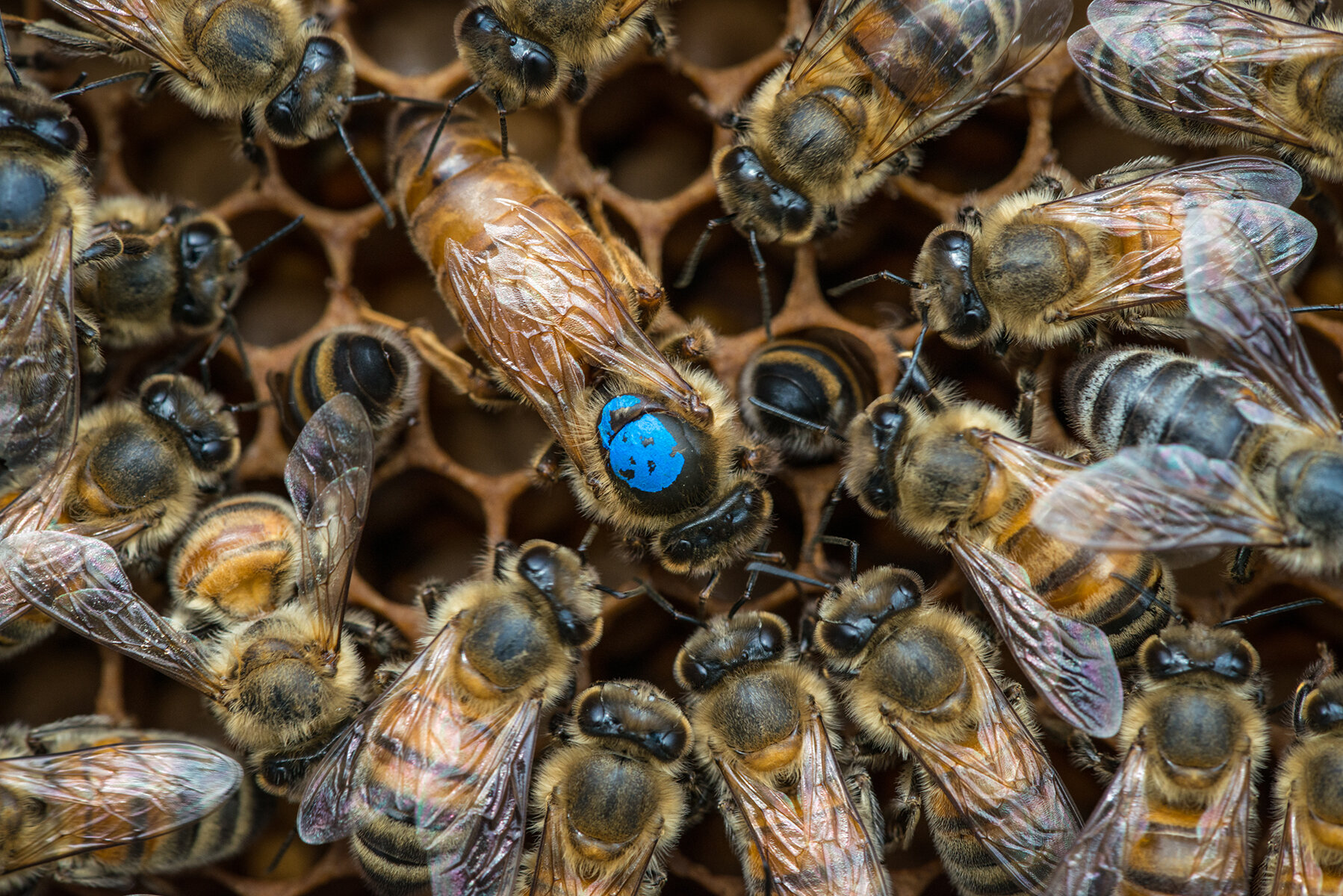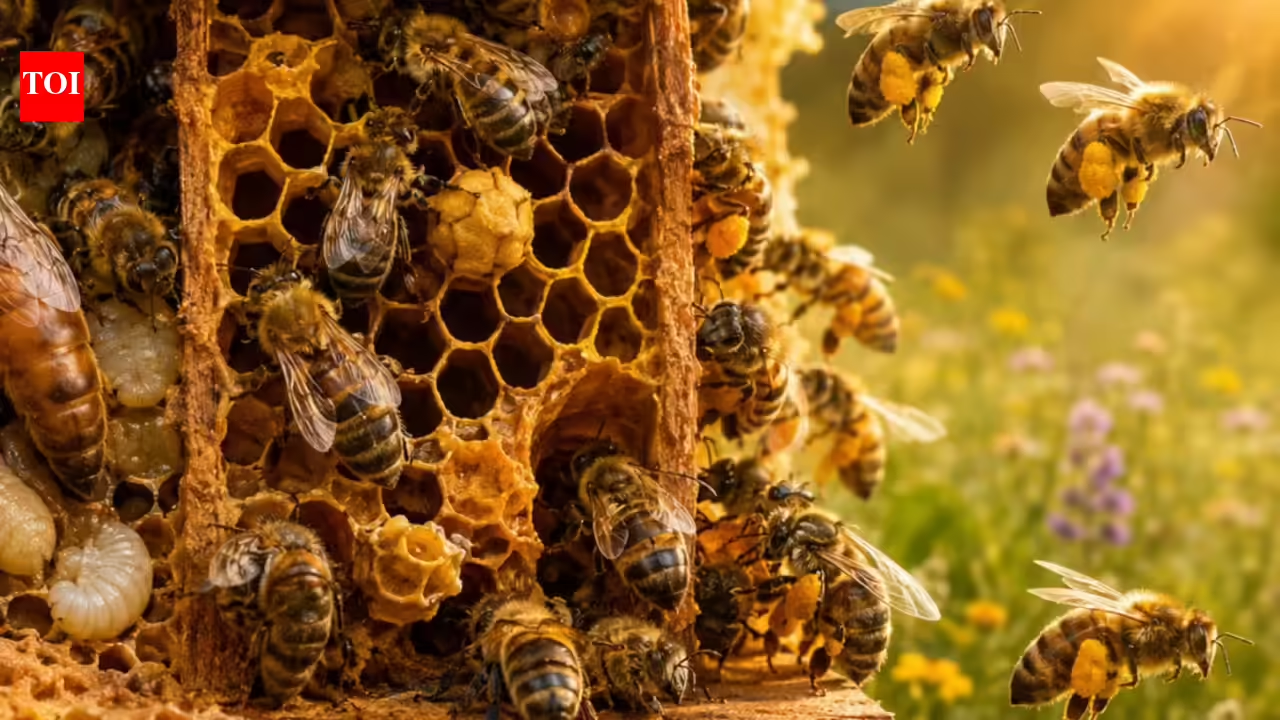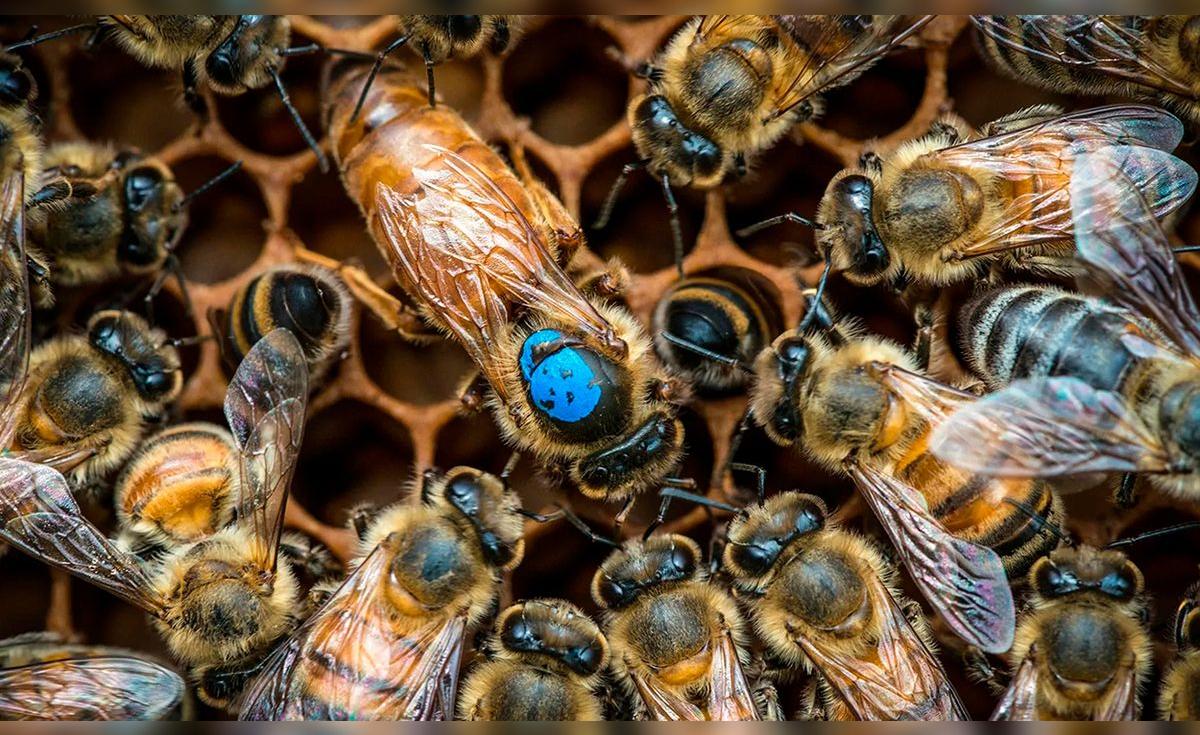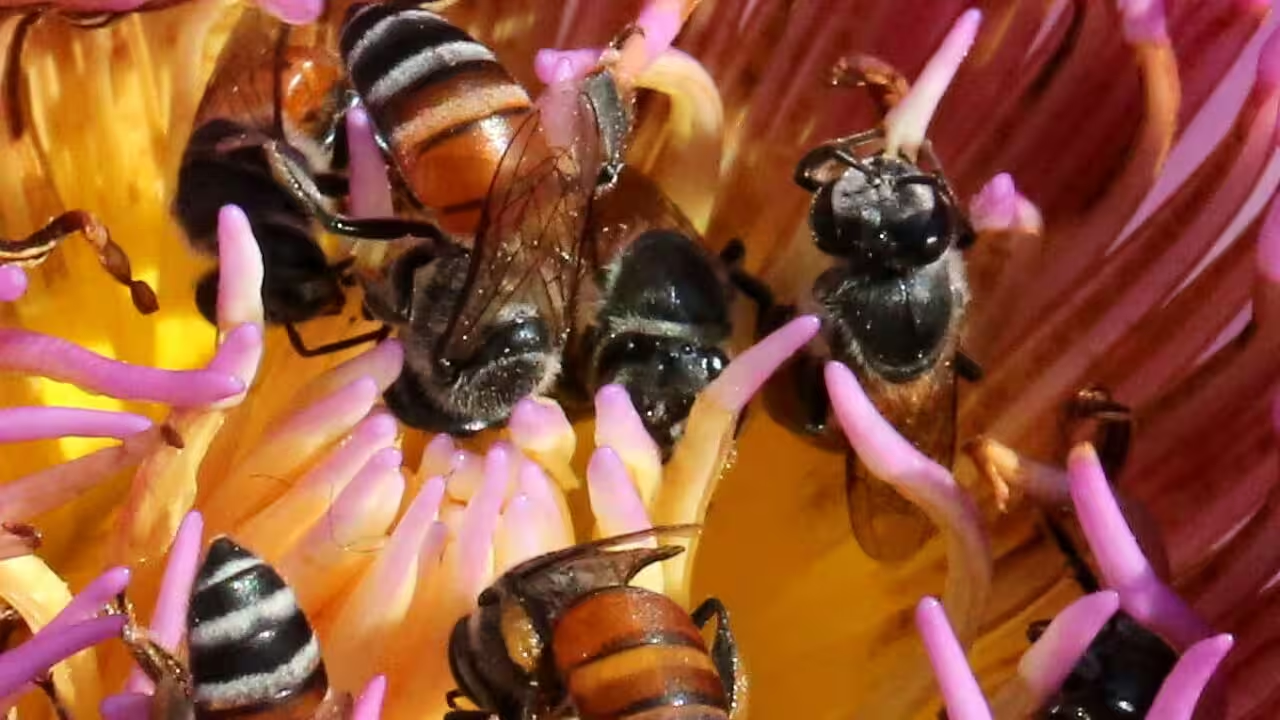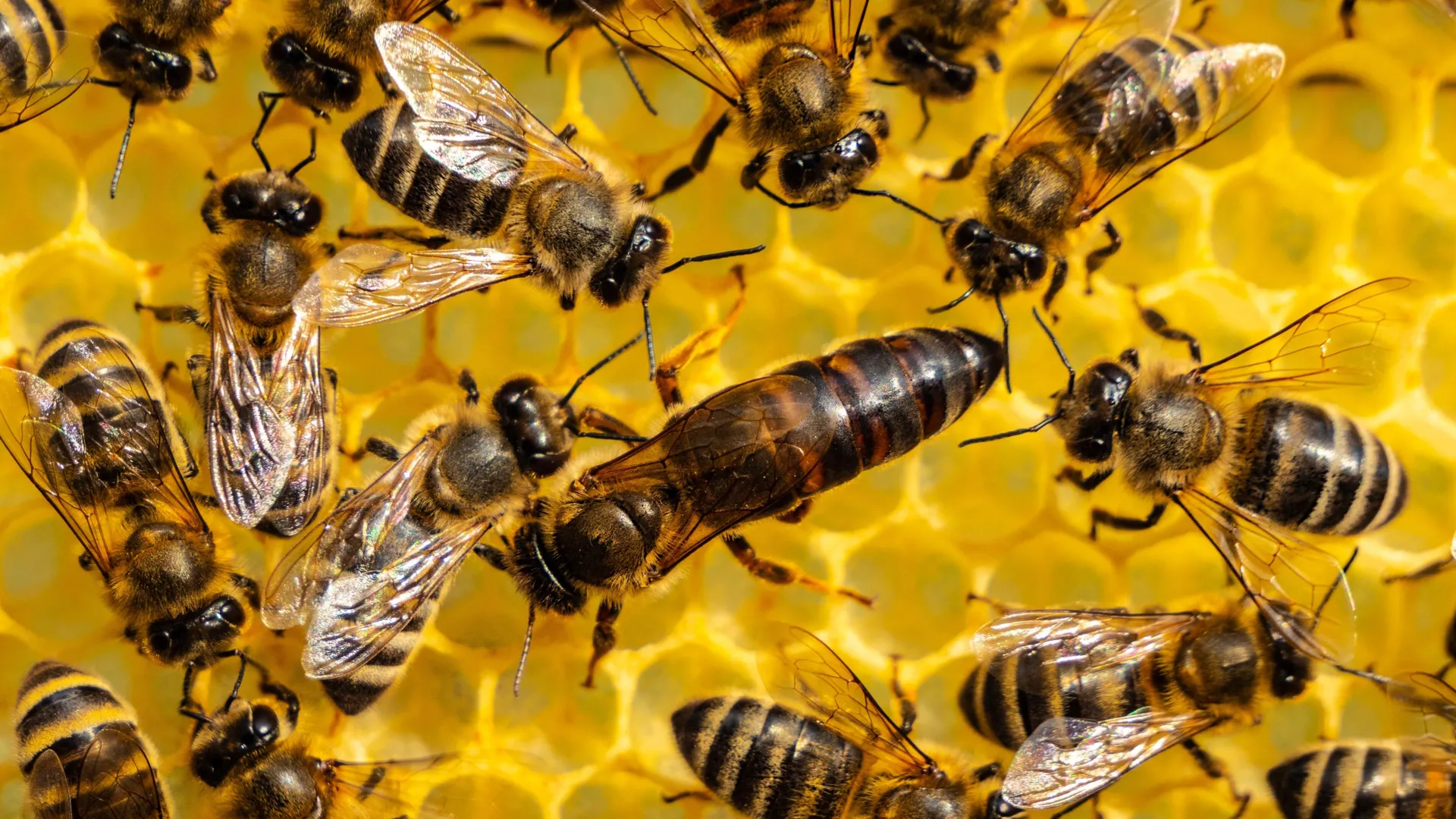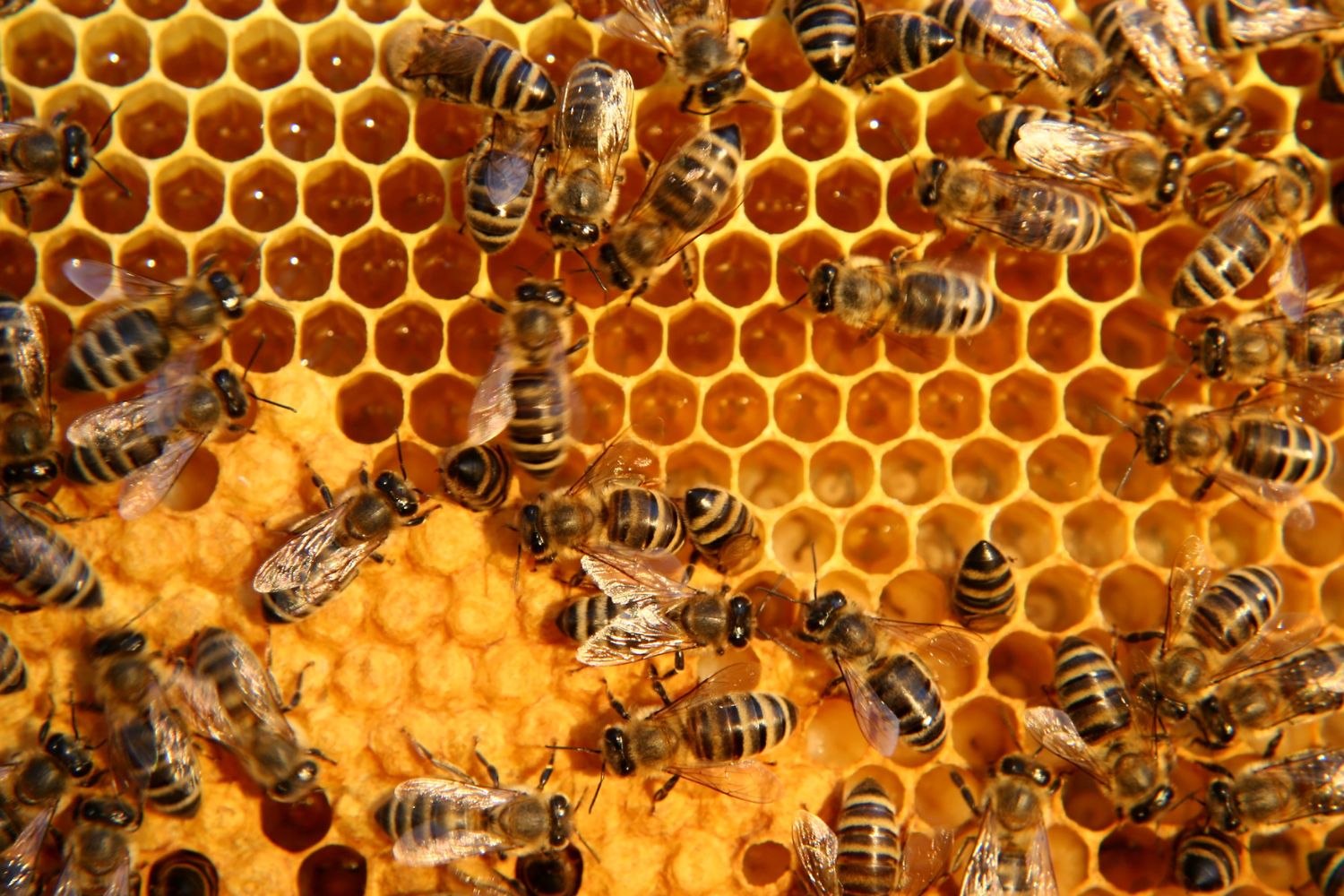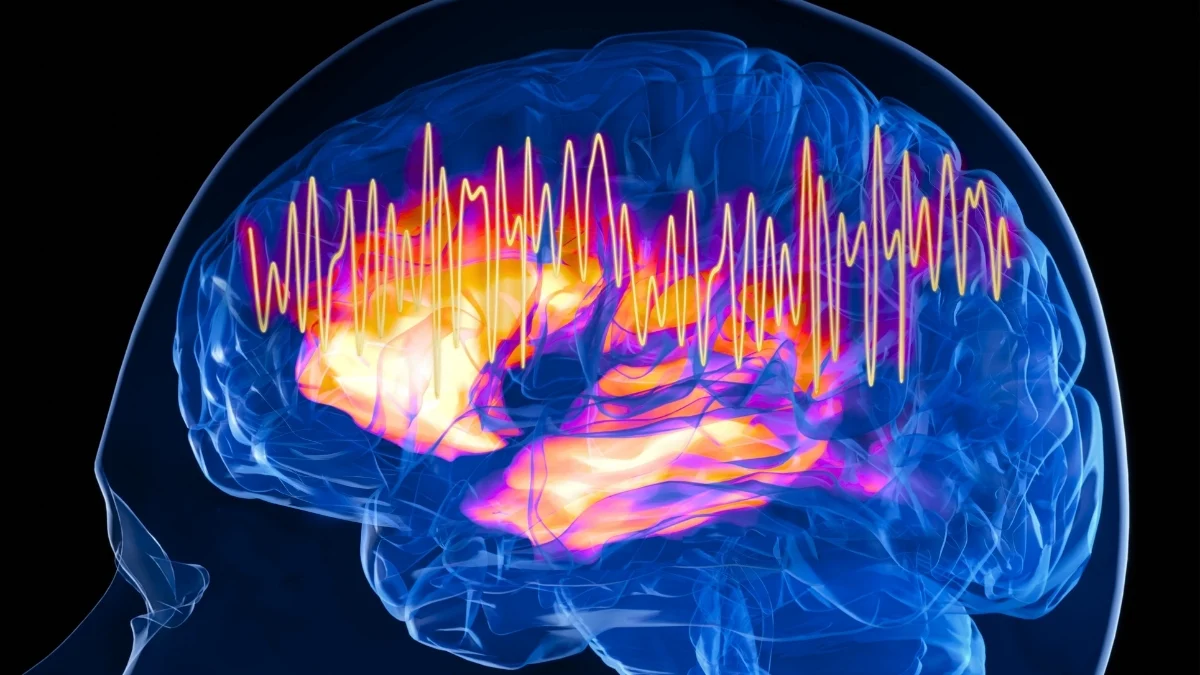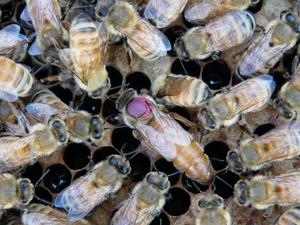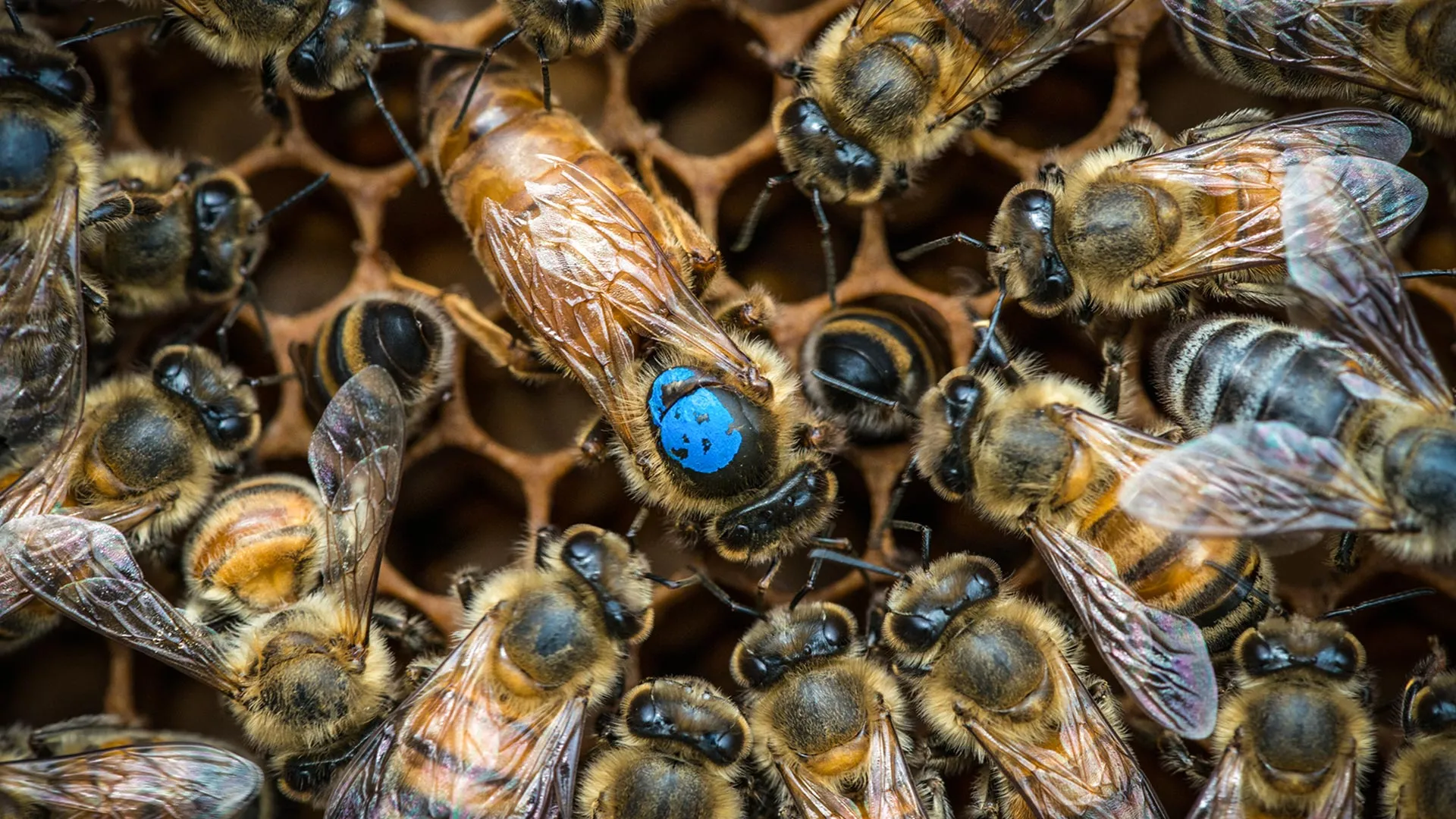
Scientists have identified brain circuits that help determine which jobs worker bees perform inside a colony. Biologists from Heinrich Heine University Düsseldorf (HHU) and the universities in Cologne and Frankfurt/Main found that they could change bee behavior by manipulating a particular gene and selectively reducing activity in certain neural circuits.
The findings, published in the scientific journal Proceedings of the National Academy of Sciences (PNAS), offer new insight into how a colony organizes its workforce without a leader assigning tasks.
How Bees Divide Work Without a Leader
Any successful community depends on its members completing the right jobs at the right time. Humans can discuss responsibilities and deliberately assign them, but a bee colony has no central planner. Even so, bees (Apis mellifera) divide their work with remarkable efficiency.
A worker bee's responsibilities typically change as it grows older. Young workers care for the queen and developing larvae. Later, they help build and maintain the hive and defend it against threats. Only during the final stage of their lives do they leave the colony to search for food.