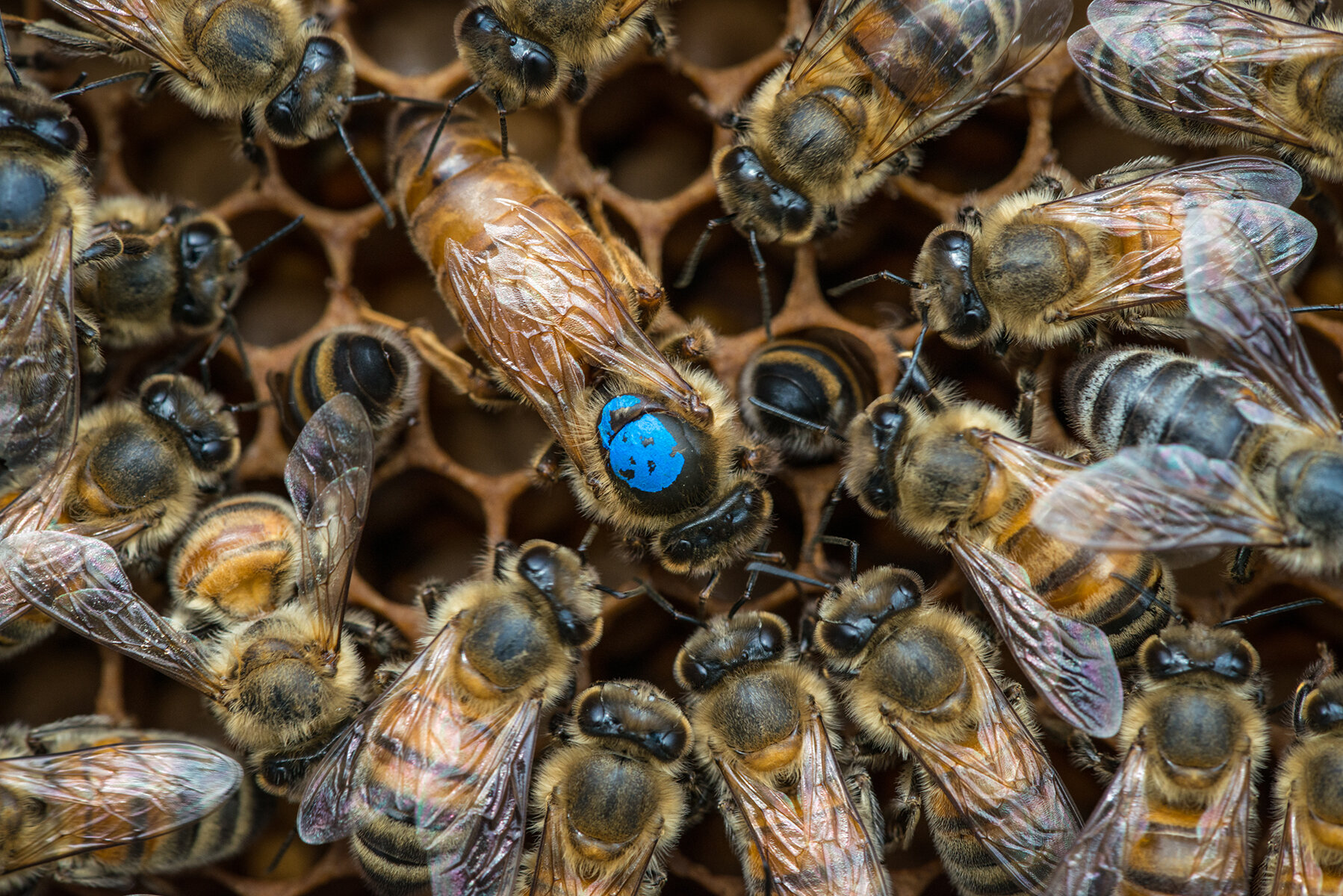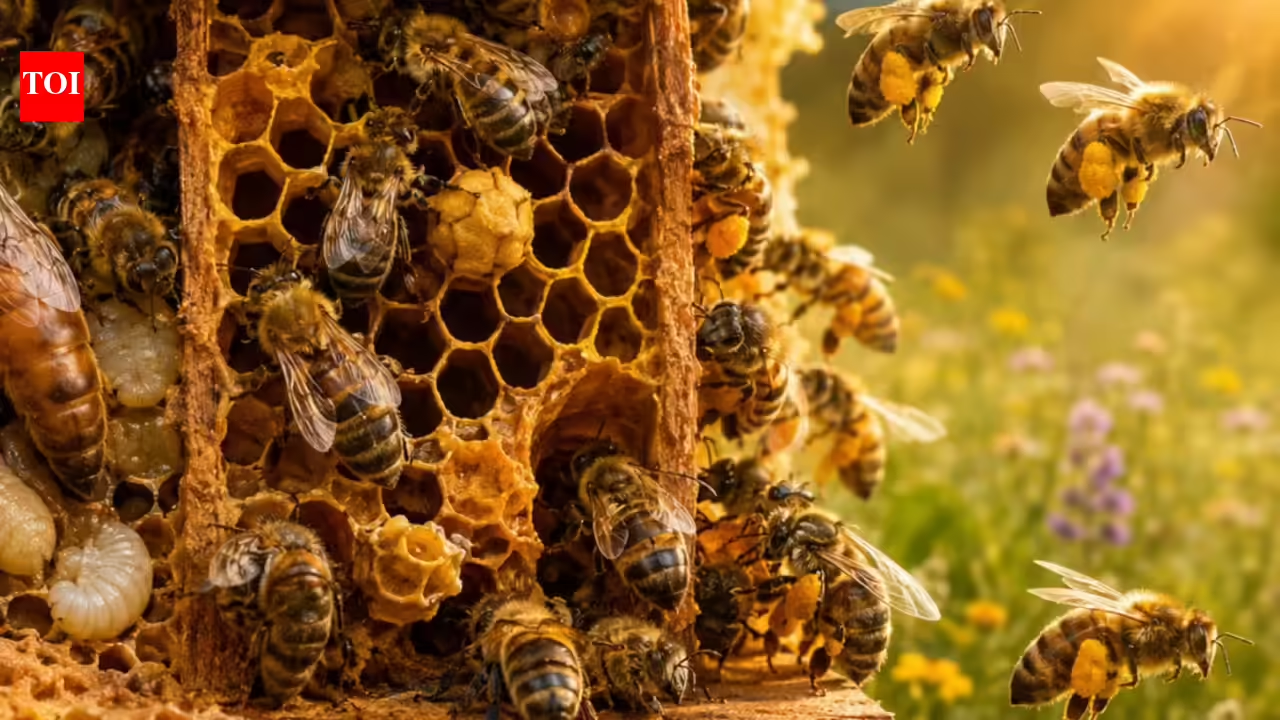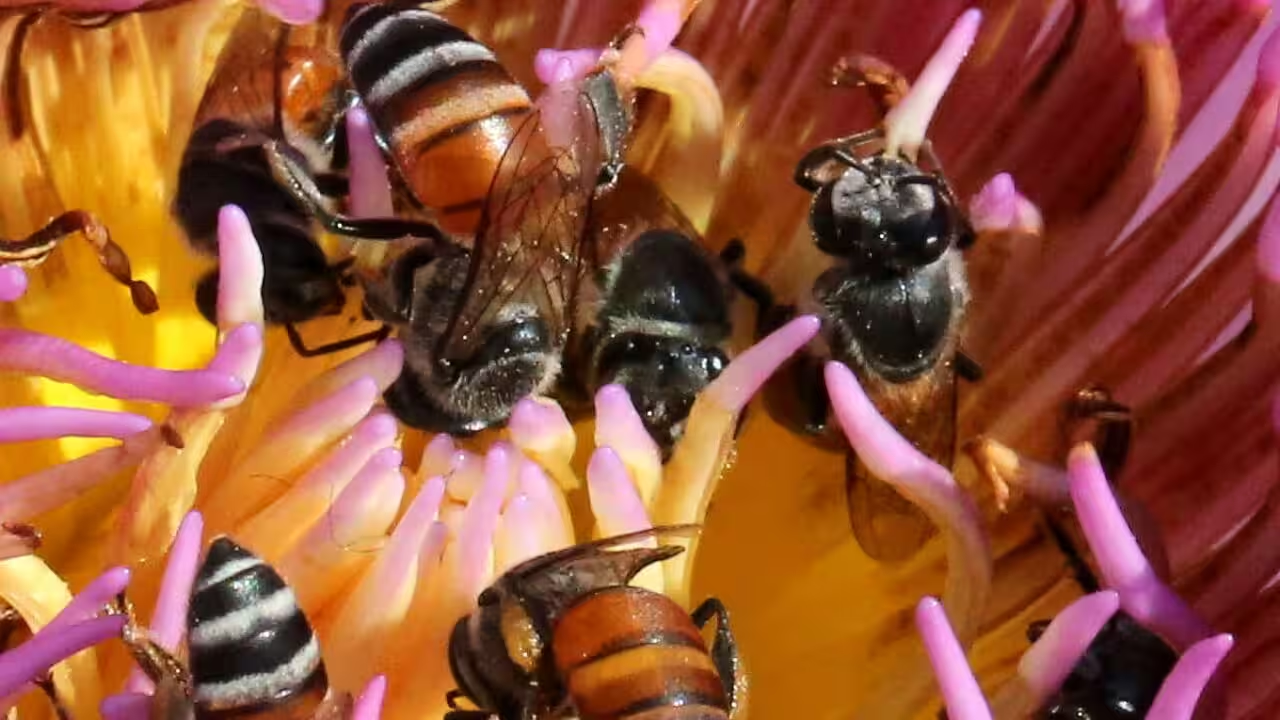
Honey bee roles are not fixed by age, as previously believed. Shared food access and social interactions significantly influence bee labor division. Younger bees can forage if needed, and older bees can nurse. Image Credits: Wikimedia CommonsHave you ever taken the time to observe a busy cluster of lavender on a hot summer’s day? You may have seen honey bees in action, one of the busiest species in the animal kingdom. Honey bees work efficiently, moving quickly from one petal to another. Scientists and nature lovers have long been fascinated by the bees’ strict age-based division of labour. The science used to seem straightforward. Younger bees stayed inside to nurse the brood, while older bees went out to collect pollen and nectar.However, nature is rarely so black and white. A research paper published in the journal Communications Biology, titled Access to shared food resources is key to the division of labour in honey bees, has turned this classic story on its head. The study suggests that age, chemical signalling and food sharing influence which bees take on different jobs. The colony does not run on fixed timers. The findings suggest that shared food access and social interactions may help influence labour division within the hive, alongside factors such as age.Indeed, it has been shown that there is no definite set career path for any one bee. If the number of foragers drops sharply, younger bees can mature faster and begin foraging. Similarly, if the nursery needs more workers, older foragers can reverse course and resume nursing duties. The reason lies in how resources are managed and distributed.The hive’s food-sharing networkTrophallaxis is the term used to describe the mouth-to-mouth exchange of liquid food, one of the most important collective behaviours performed by bees. However, this behaviour is far more than simply exchanging the food in order to share. This liquid exchange acts as a communication network in the hive. Bees not only exchange food, but also exchange hormones, proteins and genetic information.The researchers behind the study explored how these nutritional changes and social dominance interactions shape the division of labour within the colony, proving that access to shared food resources directly influences a bee's nursing aptitude. They found that access to the communal pantry helps shape how a bee behaves. When food is abundant and constantly passed around, it alters the bees' motivation levels. If a bee has easy access to shared food, her development slows, keeping her in the nursery to care for the young.By contrast, if a bee does not have access to shared food or if food becomes hard to find, she is compelled to look for alternatives. That lack of food triggers an endocrine change that prepares the bee to leave the hive and forage. Rather than relying on a leader, bees appear to use food sharing to regulate labour. This adaptability allows colonies to respond effectively to changing needs. Food sharing acts as a vital communication and regulation network within the hive. Image Credits: Wikimedia CommonsAge means nothing in bee politicsIn order to understand how adaptable these insects really are, the scientific team examined the responses of bees across different ages to varying levels of hunger and stress. They compared young nurse bees with older summer foragers and winter bees, which help warm the hive.Foragers, who have limited access to food reserves inside the hive, are highly motivated by sugary rewards. They learn quickly, have strong memories, and are more likely to take risks when searching for pollen. Their brain chemistry and sensory systems are tuned to seek out sweet resources because their survival and the colony’s survival depend on it.By contrast, younger nurse bees, which spend their days inside the hive, are more selective. Because they are well fed by shared food, they are less motivated by a sugary treat. They do not need to take risks because their nutritional needs are fully met by the sharing network.The finding is especially interesting because these preferences are flexible. If a forager bee returns to the hive and gains access to shared food, her body chemistry begins to resemble that of a nurse bee. The study indicates that when a nurse bee is restricted from accessing prime communal food resources, her internal motivation changes, influencing her transition into a foraging role. The study suggests that environment and food sharing may be more important than genetic programming in some cases. The next time you see a honey bee in your garden, remember that its role can change with the colony’s needs and food access.
Honey bees often split jobs by age, but shared food and social cues may help decide who nurses, who forages, and how the colony stays organised
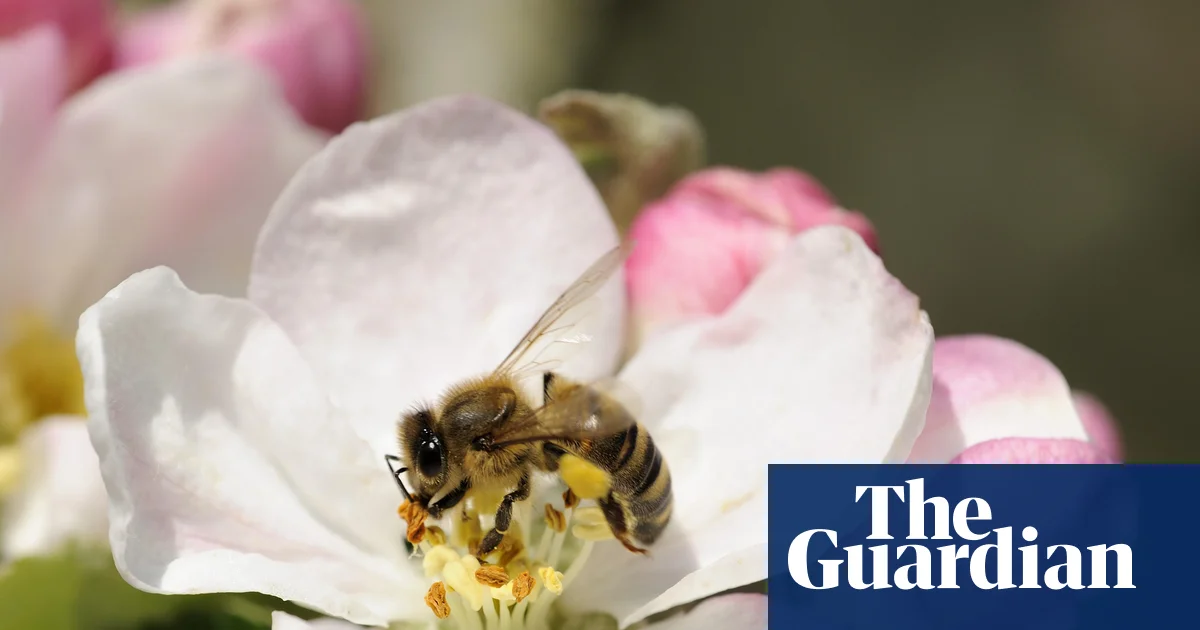
Have you ever taken the time to observe a busy cluster of lavender on a hot summer’s day? You may have seen honey bees in action, one of the busiest species in the animal kingdom.
756 words~3 min read