view more
Researchers from three institutions, including UC Santa Barbara, have demonstrated that artificial intelligence has the potential to make future visual prostheses, like a bionic eye, more precise, predictable and responsive to an individual user.
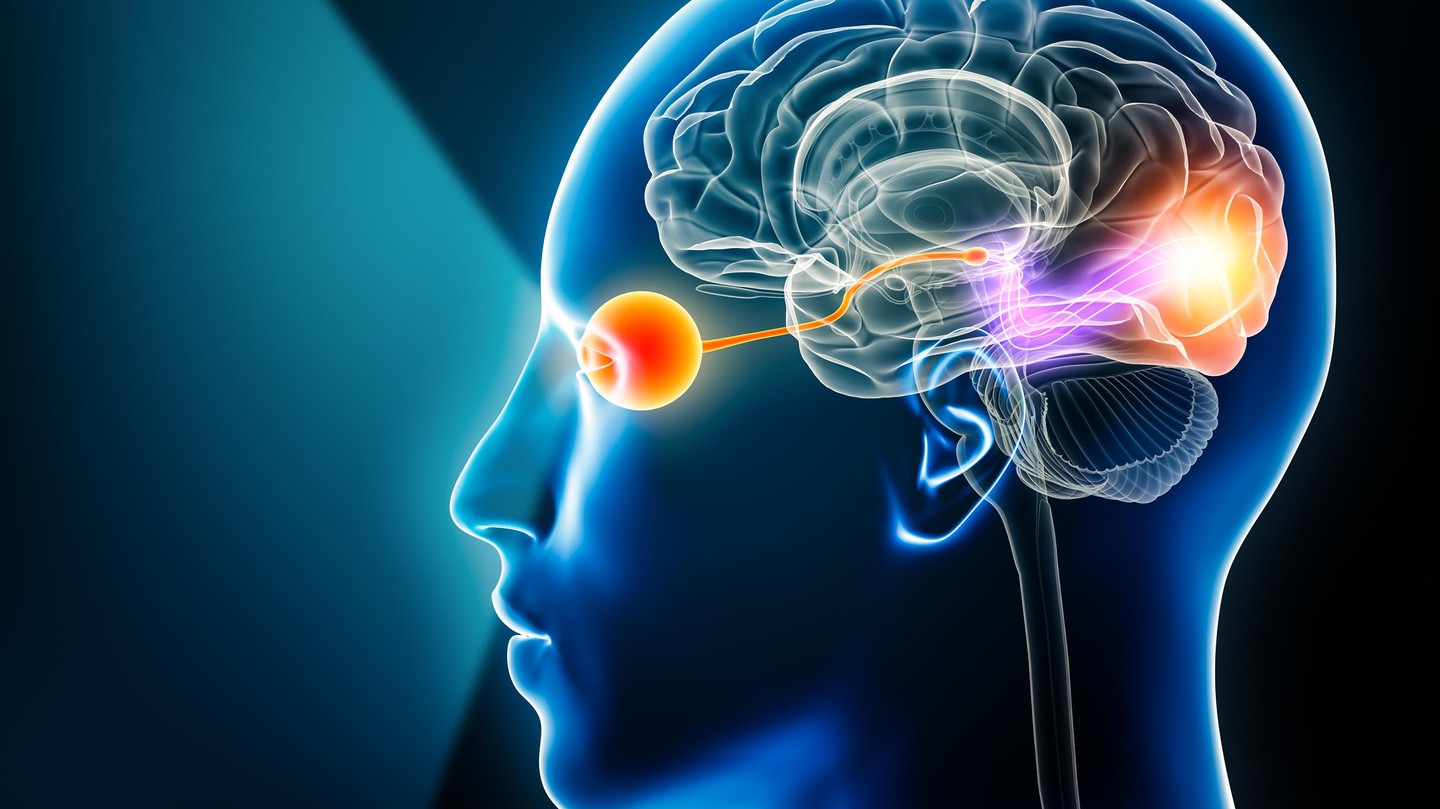
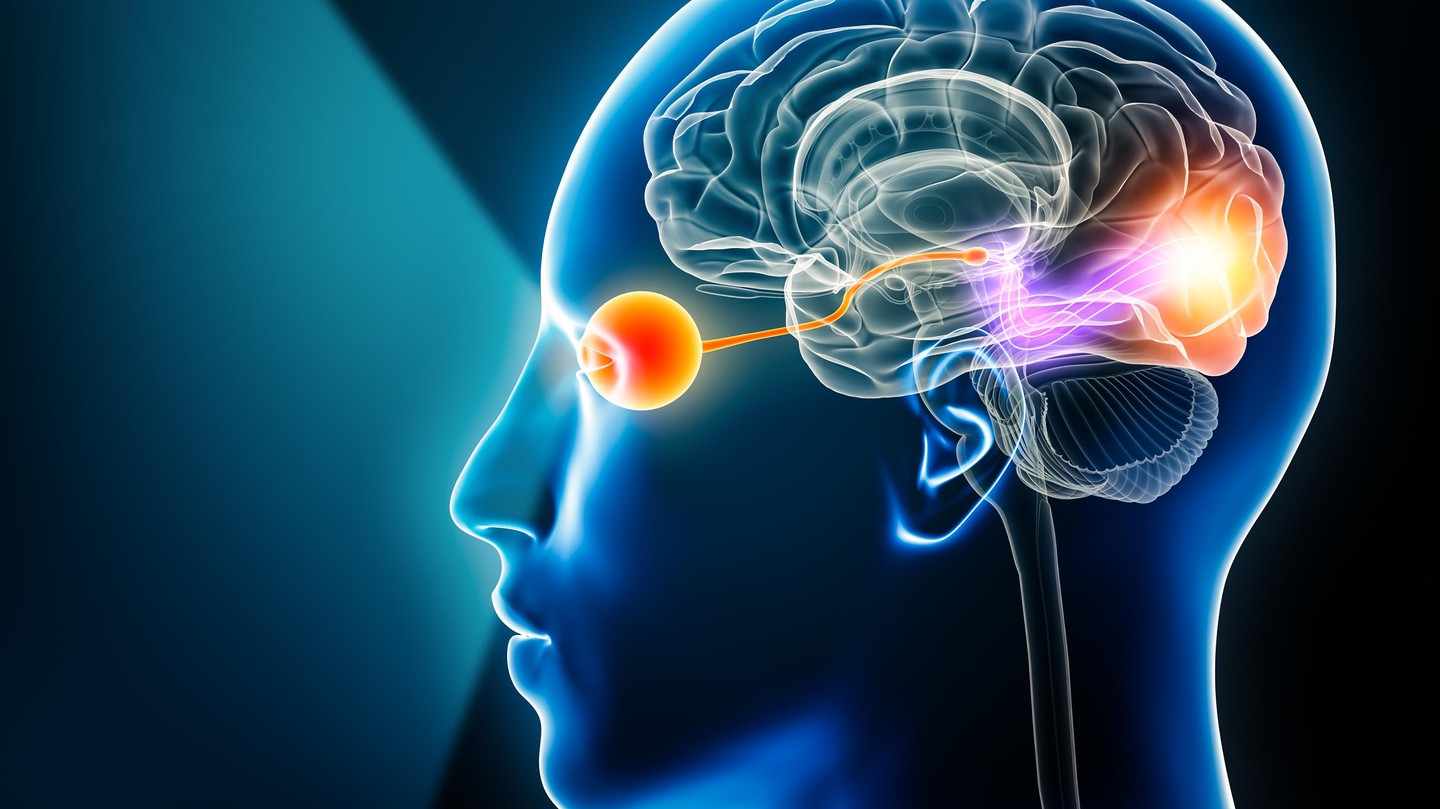
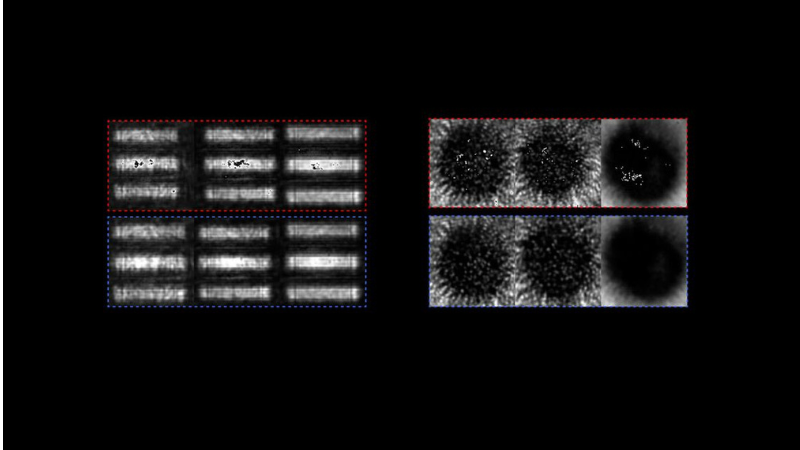
UCSB associate professor of computer science Michael Beyeler and his colleagues used a deep-learning model to design patterns of electrical stimulation for electrodes temporarily implanted in the visual cortex — the region at the back of the brain that processes visual information — of a blind participant. The model improved researchers’ control over how neurons responded to the stimuli and helped to predict what the participant perceived.
The proof-of-concept study, published online this week in the journal Neuron, represents a step toward developing visual cortical prostheses — devices implanted in the visual cortex — that can better communicate with the brain.
“Building a model in the abstract is one thing,” said Beyeler, who is also an associate professor of psychological and brain sciences. “Seeing it shape an experiment with a person is something else entirely. That ability to go from theory to something that may one day help people is what drives much of the work in our lab.”