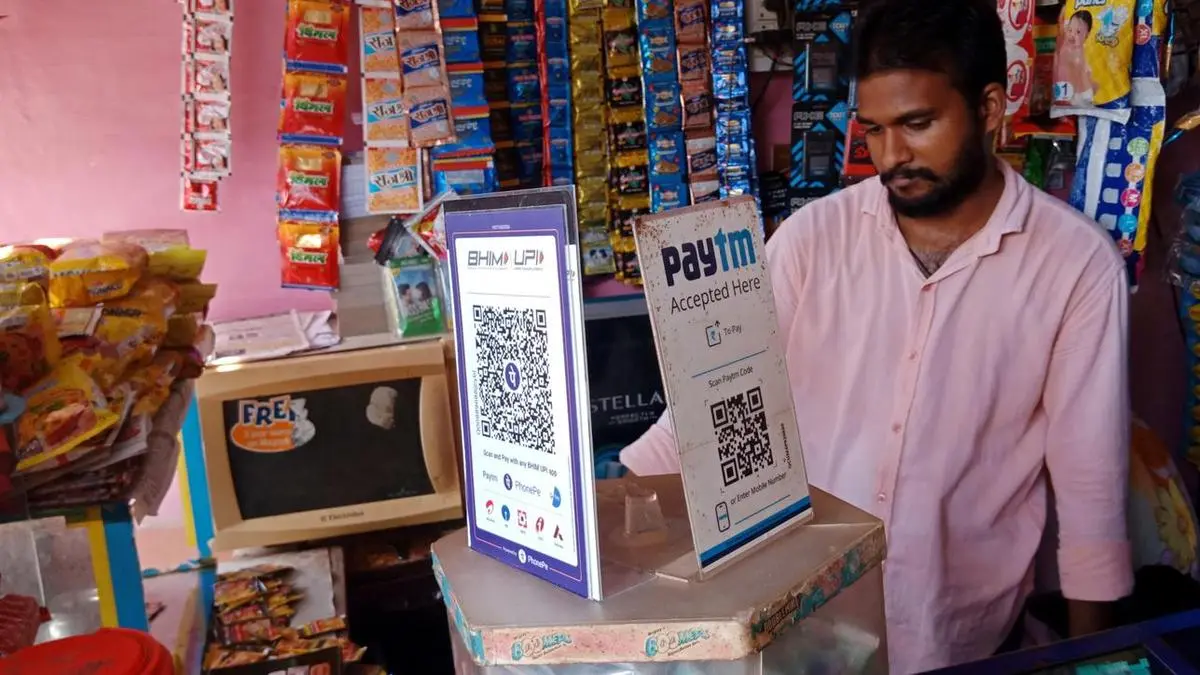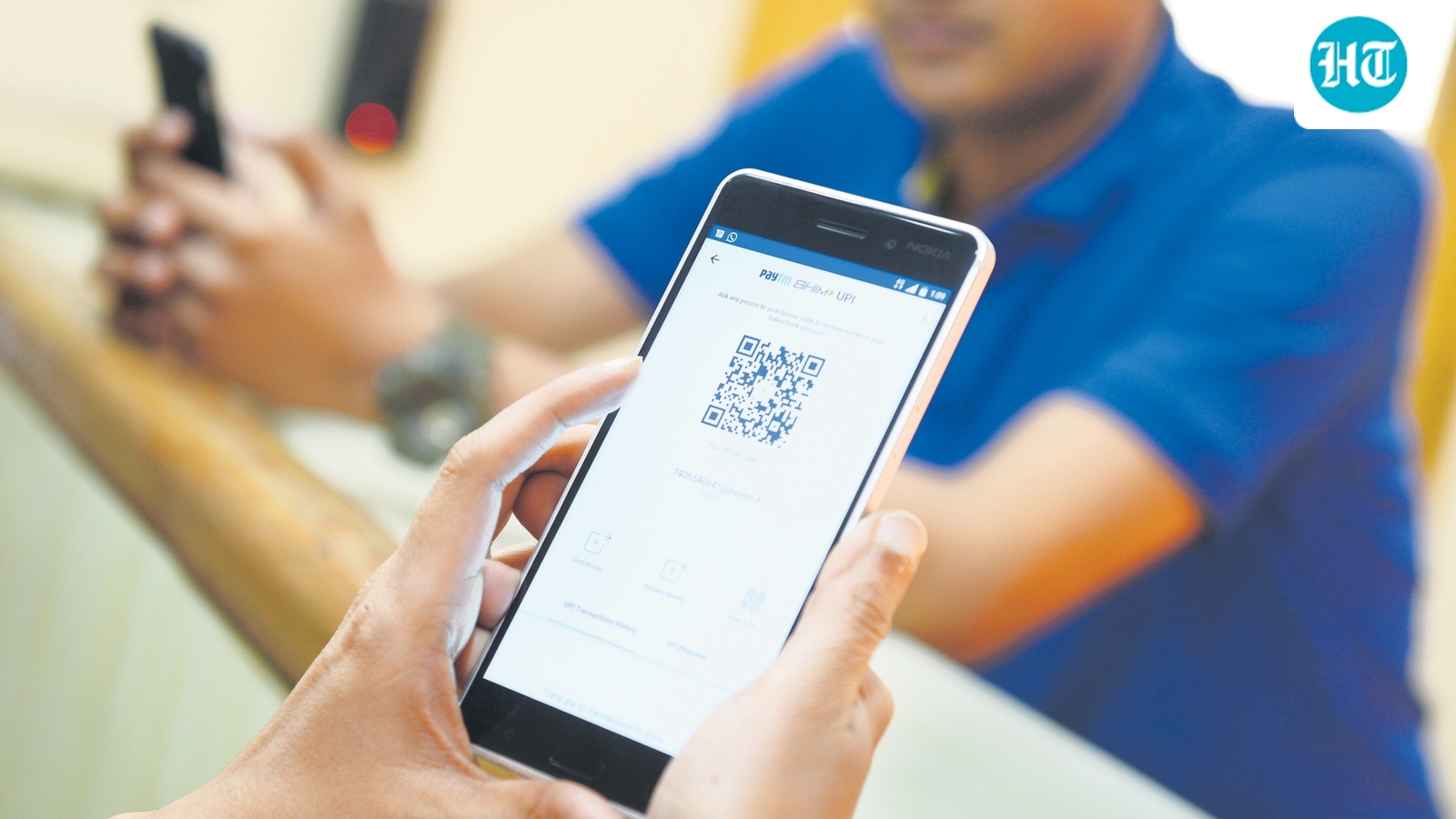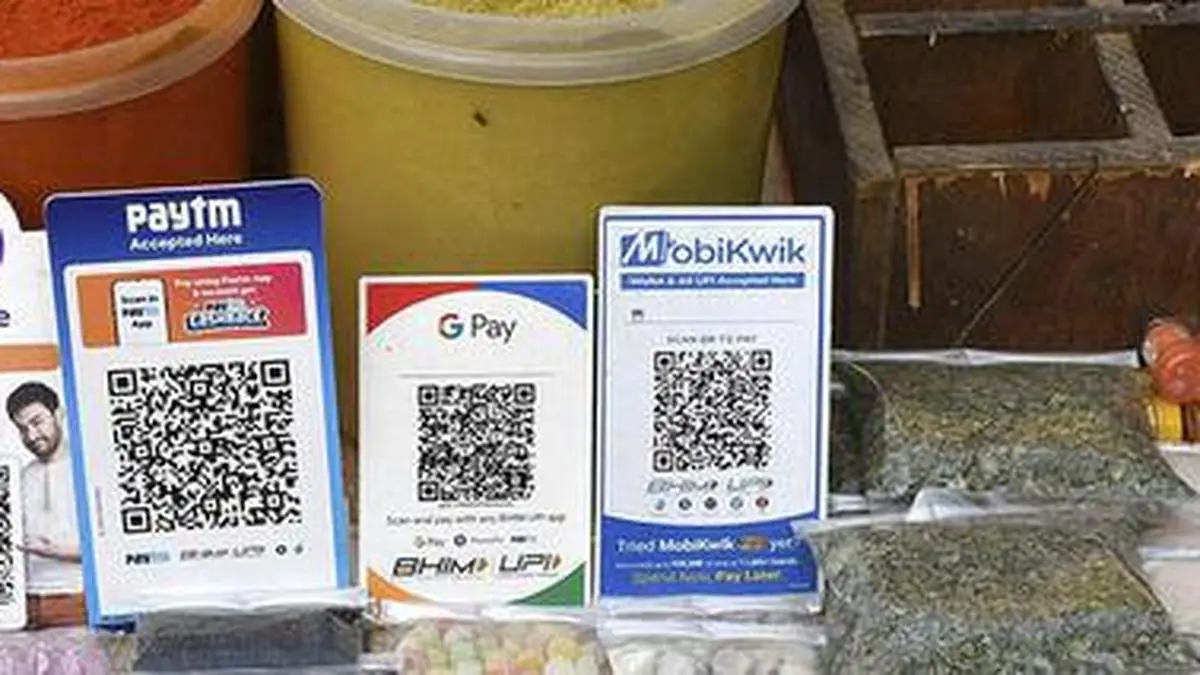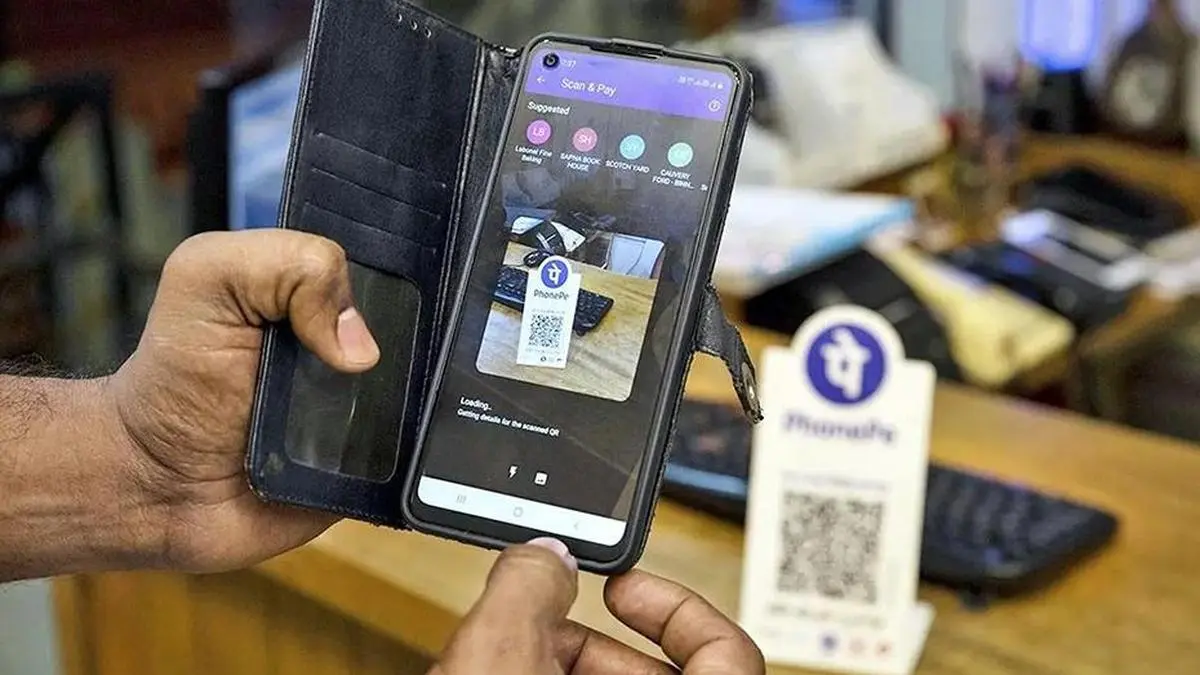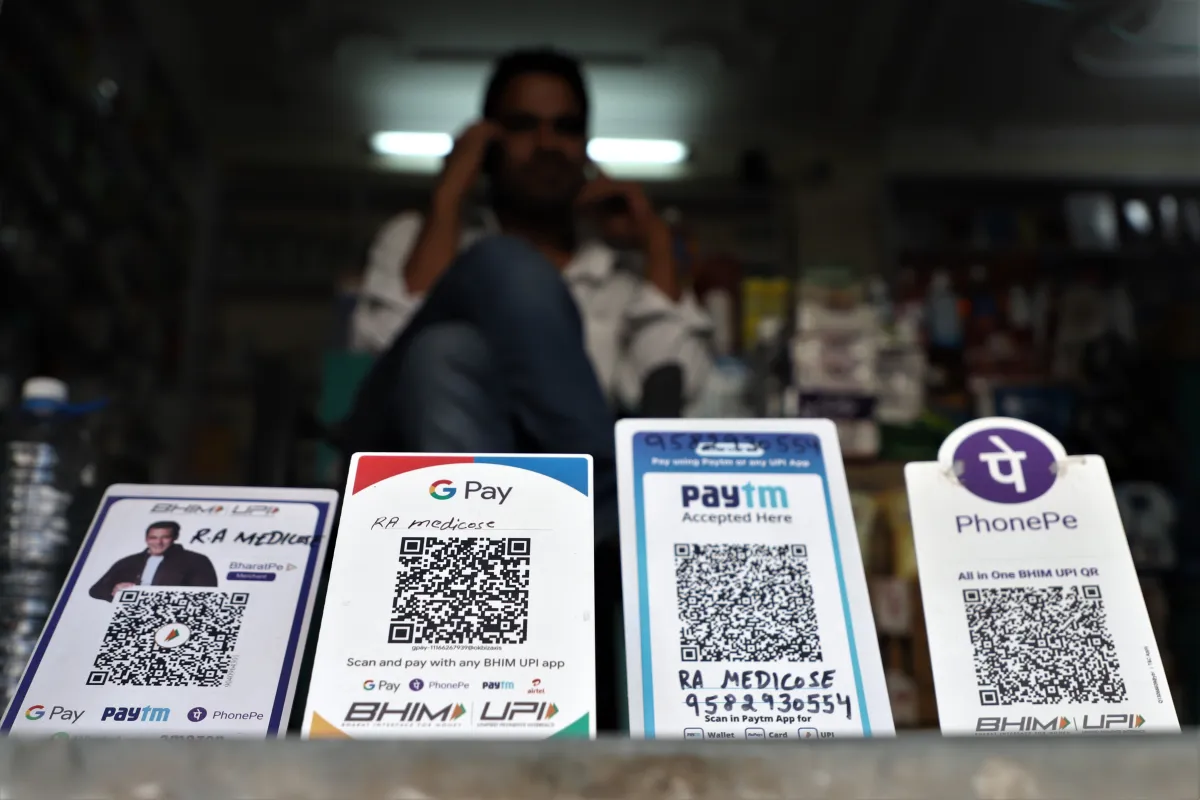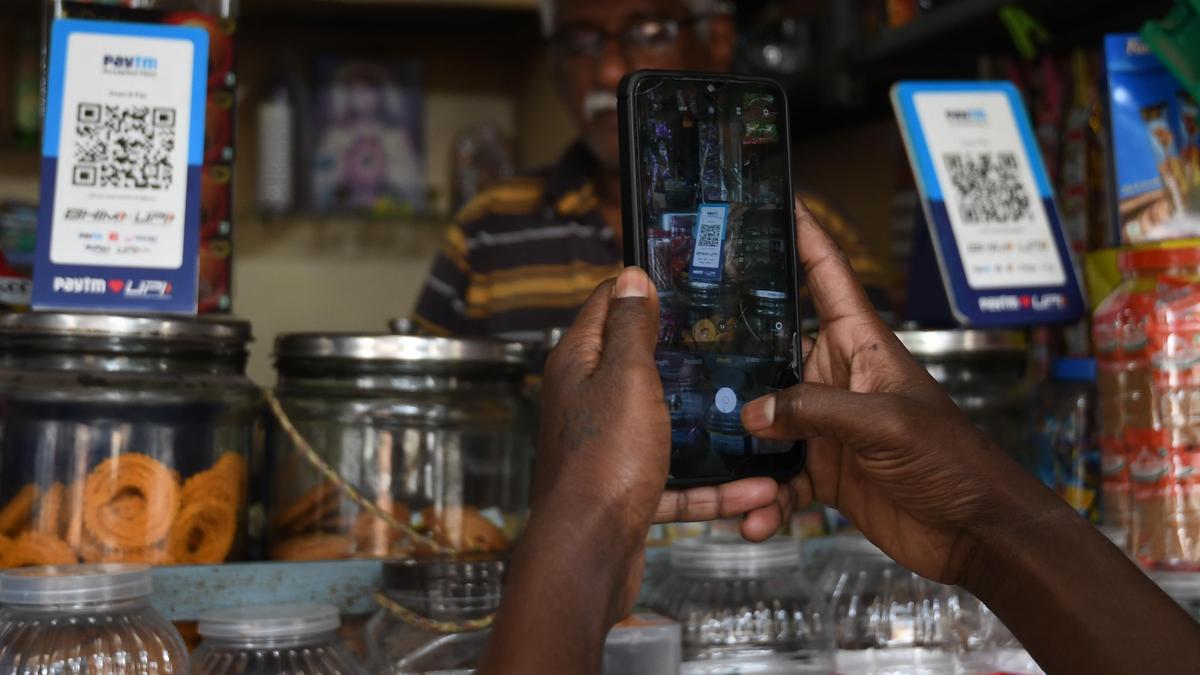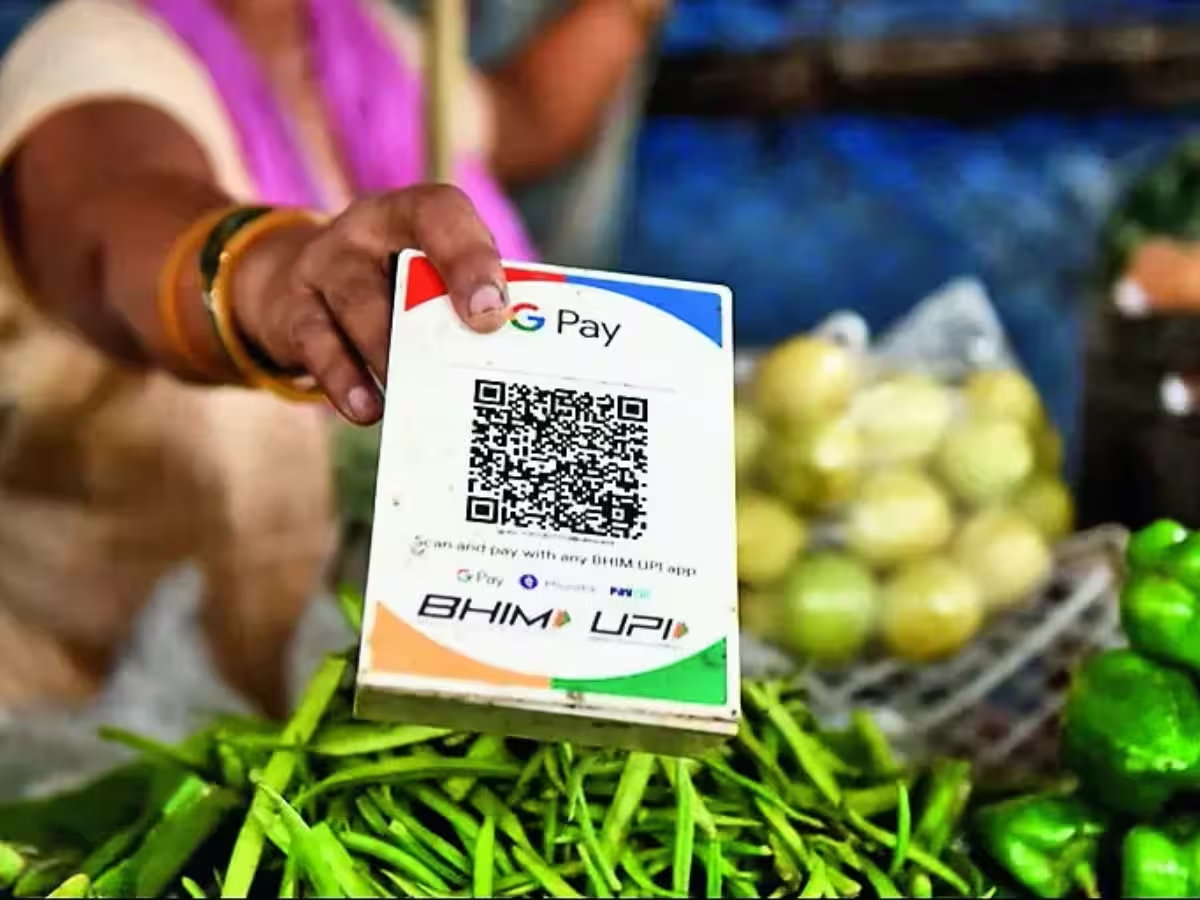
Lok Sabha's passage of the Payment and Settlement Systems (Amendment) Bill on Thursday marks an important step towards updating India's payments architecture for the next phase of digital growth. The legislation seeks to modernise the country's payments regulatory framework and prepare it for the next phase of innovation and growth. But it has also revived a broader policy debate over the future economics of digital payments, including whether the withdrawal of zero merchant discount rate (MDR) regime that underpinned UPI will now adversely affect one of India's biggest fintech success stories.The new law now empowers GoI to notify an MDR on UPI and select digital payment modes. Designed to build a sustainable monetisation framework for banks and fintech operators, this legislative update has brought the debate over the future of zero-MDR policies back to the centre of financial policy discussions.That debate deserves scrutiny because the success of India's digital payments revolution was never driven by technology alone. It was powered by an equally transformative policy decision: elimination of MDR on UPI transactions. By making digital payment acceptance free for merchants, GoI removed the single-biggest barrier to adoption, allowing millions of small businesses to join the formal digital economy.During FY26, UPI processed over 24,162 cr transactions worth more than ₹314 lakh cr, with monthly transaction volumes crossing 23 bn. More than 55 cr Indians now use UPI, making it the world's largest real-time retail payment system.Yet, these impressive statistics tell only half the story. Of the 58.77 cr Jan Dhan accounts, around 15 cr are inactive. To advance financial inclusion, these accounts must first be reactivated and then onboarded digitally. UPI works because of:Widespread popularity Real achievement lies in the millions of small merchants who embraced digital payments because they could do so without paying transaction charges. Before zero MDR, many micro-enterprises viewed digital payments as an additional operational expense. From kiranas and pharmacies to tea stalls, auto drivers and neighbourhood retailers, UPI succeeded because accepting digital payments became virtually cost-free.Before zero MDR, many small merchants viewed digital payments as an additional business expense. Operating on thin margins of 3-5%, they could ill afford transaction charges on every sale. QR codes replaced expensive card terminals, making digital payments accessible to even the smallest vendors.Financial inclusion & credit trails Every UPI transaction created a digital trail. Businesses that had operated almost entirely in cash acquired verifiable financial histories. This enabled banks, NBFCs and fintech companies to assess creditworthiness based on actual cash flows rather than physical collateral. For millions of micro-enterprises, UPI became an entry point into the formal financial system. Reintroducing MDR now could jeopardise those gains.Affordability & trust The next chapter of India's digital payments journey won't be written in Delhi, Mumbai or Bengaluru. It will unfold across tier-3 and -4 cities, and rural India, where digital adoption relies on affordability and trust. These are precisely the price-sensitive markets where even a modest transaction fee can alter merchant behaviour.Most merchant UPI payments remain small-value purchases - groceries, medicines, transport, food and neighbourhood retail. For businesses operating on razor-thin margins, MDR is not merely a service charge but it's also an added cost that could incentivise a return to cash, or discourage digital acceptance altogether.Supporters of MDR argue that banks and payment service providers require sustainable revenue streams to maintain infrastructure, bolster cybersecurity and invest in innovation. While that argument has merit, the solution cannot be to pass those operational costs onto the country's smallest merchants.UPI should be viewed as public digital infrastructure, much like Aadhaar or DigiLocker, with its benefits extending far beyond payment service providers. Governments gain greater fiscal transparency, lenders receive richer transaction data, consumers enjoy unparalleled convenience, and small businesses gain access to formal credit. Because economic returns are distributed across the entire ecosystem, the funding model should reflect that broader public value.Zero MDR has encouraged merchants to adopt digital bookkeeping, inventory management tools, online storefronts and embedded financial services. Reintroducing transaction fees risks stalling innovation at the exact moment India aims to digitise millions more small businesses.GoI and policymakers must ensure that the regulatory framework continues to preserve the core principles that made UPI a global success: affordability, universality and financial inclusion. India did not become the global leader in digital payments by asking small merchants to pay more. It achieved leadership by making digital participation simple, affordable and accessible to all. Parliament should ensure those core principles remain intact.This debate is not merely about MDR. It's also about whether India wants its next phase of digital growth to be driven by inclusion or constrained by cost. Arguing for the return of zero MDR is not simply about protecting merchants, but about safeguarding one of independent India's most successful public policy innovations, and ensuring that the nation's digital growth story continues uninterrupted.The writer is former banker and senior adviser, Indian Banks' Association(Disclaimer: The opinions expressed in this column are that of the writer. The facts and opinions expressed here do not reflect the views of www.economictimes.com.)
Withdrawal of zero MDR may jeopardise one of India’s most successful public policy innovations - The Economic Times
The Payment and Settlement Systems Amendment Bill has revived debate over MDR on UPI. While charges could support banks and fintech firms, the article argues they may burden small merchants, weaken financial inclusion and undermine the affordability behind UPI’s growth.
830 words~4 min read