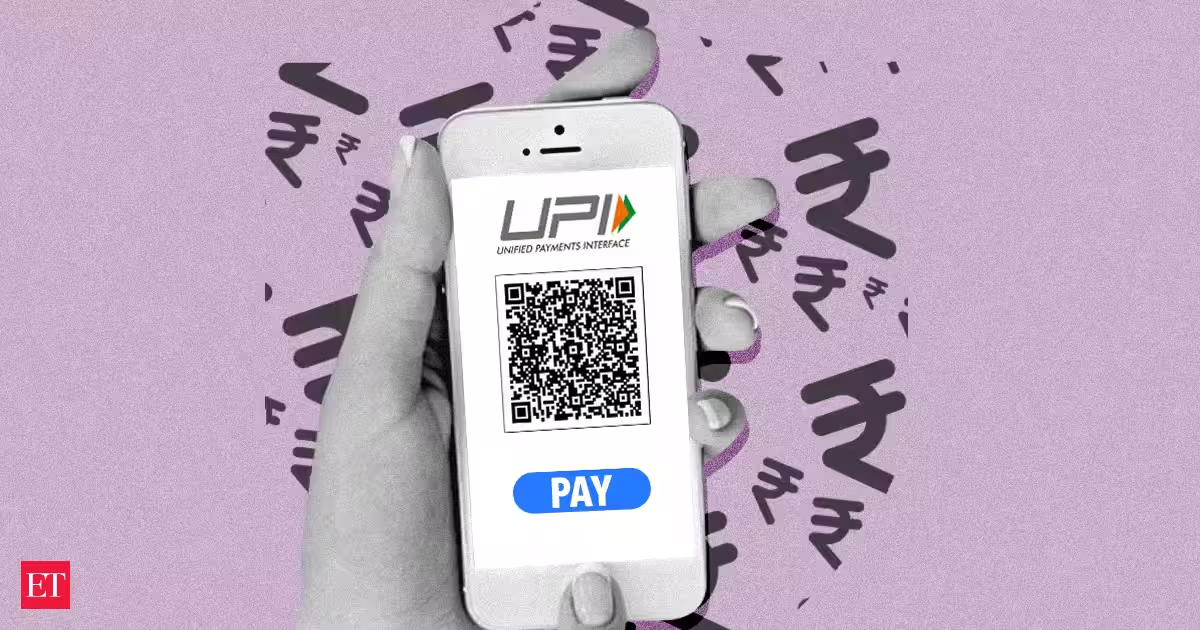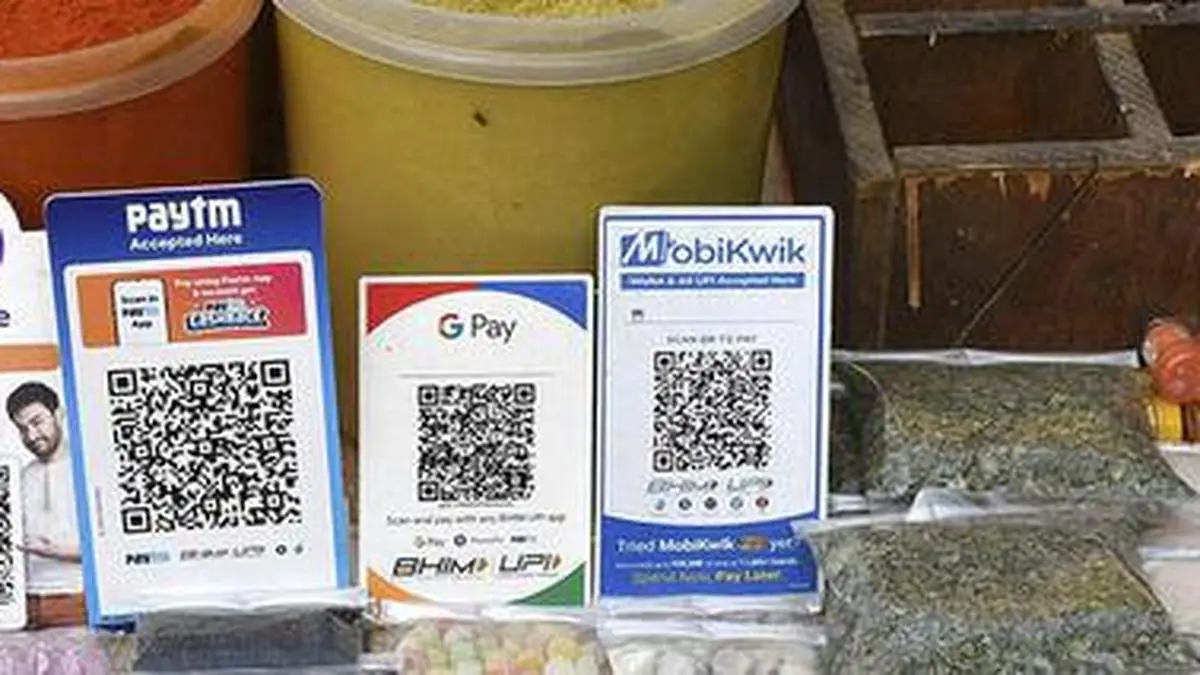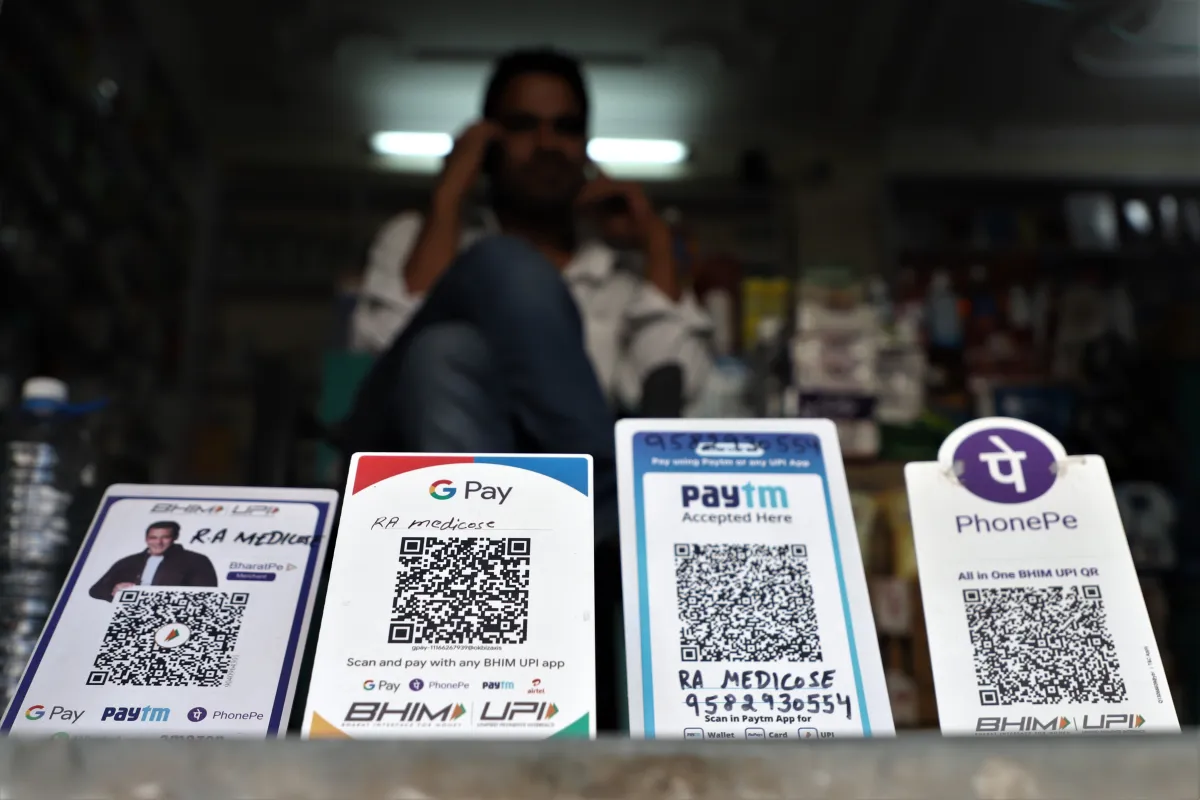
India is taking steps to reshape the business model behind its Unified Payments Interface (UPI), a widely used payments network built by the government, via new legislation that could pave the way for merchants to pay charges on some UPI transactions.
The legislation (PDF) lays the legal groundwork for a potential overhaul of India’s zero-merchant-discount-rate (MDR) regime, under which businesses have not paid fees to accept UPI payments since 2020.
The policy shift comes as UPI has become ubiquitous in India, processing a record 23.66 billion transactions worth ₹29.88 trillion (around $313.4 billion) in July alone, per the National Payments Corporation of India, the operator of UPI.
India scrapped merchant discount rates on UPI transactions in January 2020 to accelerate adoption of the payments network, which instead relied on state incentives to support its operation and development.
The proposal comes after years of argument between the finance ministry, India’s central bank, and payment companies over how to fund the fast-growing network. Banks and fintech firms have argued that the policy of keeping merchant payments free has become harder to sustain as transaction volumes and infrastructure costs climbed.