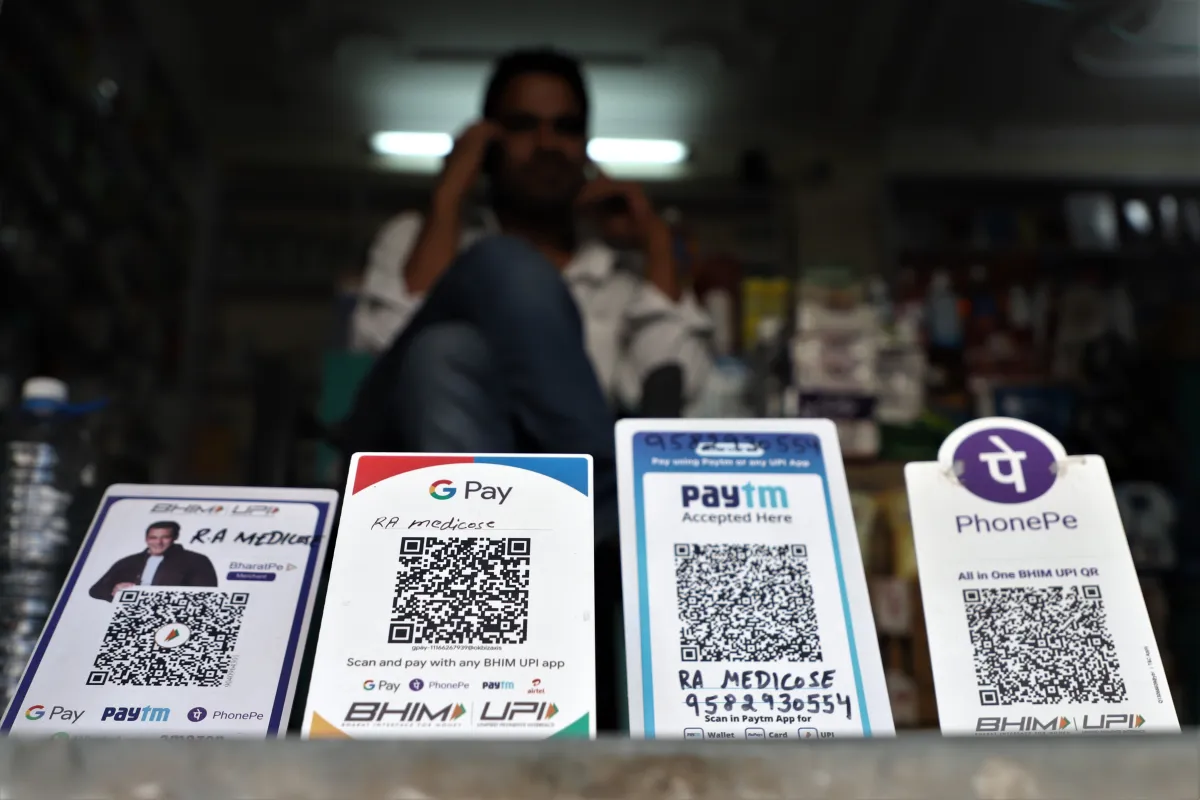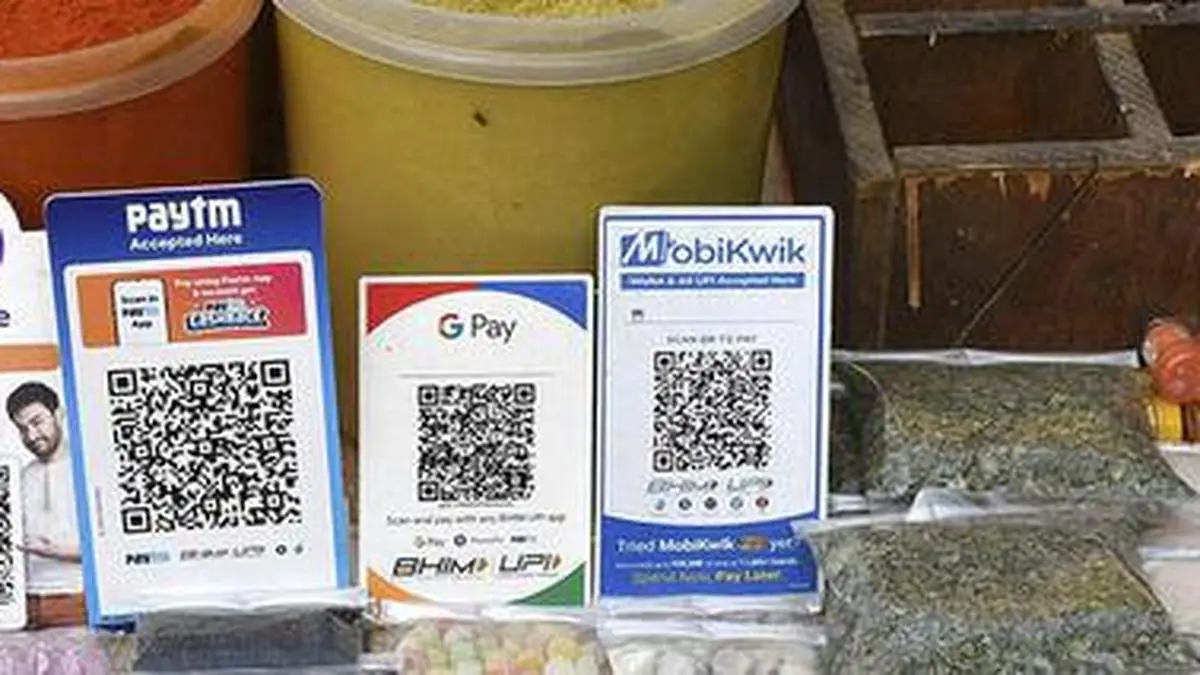
India has taken a step towards allowing merchant charges on Unified Payments Interface (UPI) transactions after proposed amendments to the country's payments law were introduced in Parliament on Tuesday.UPI, among the world's largest real-time payment systems, handled 23.6 billion transactions worth Rs 29.9 trillion ($313.5 billion) in July, according to official figures.
The platform is dominated by Walmart-owned PhonePe and Alphabet's Google Pay.What is MDR and why may it be introduced for UPI?Merchant Discount Rate (MDR) is the fee merchants pay to banks and payment service providers for processing digital transactions.
In India, credit card payments generally attract an MDR of around 1.5%, while debit card transactions can carry charges of up to 0.9%.
At present, merchants are not charged any MDR on UPI payments.Payment industry executives have consistently maintained that the rapid expansion of digital payments has become increasingly difficult to sustain because service providers do not earn any revenue from UPI transactions, limiting their ability to invest in the payments ecosystem.The proposed amendment to the Payment and Settlement Systems Act, introduced in Parliament by Finance Minister Nirmala Sitharaman, would provide the legal framework for imposing a merchant discount rate (MDR) on digital payments, industry and regulatory sources said.What does it mean?Sources told Reuters that the amendment only establishes the legal authority to levy an MDR.