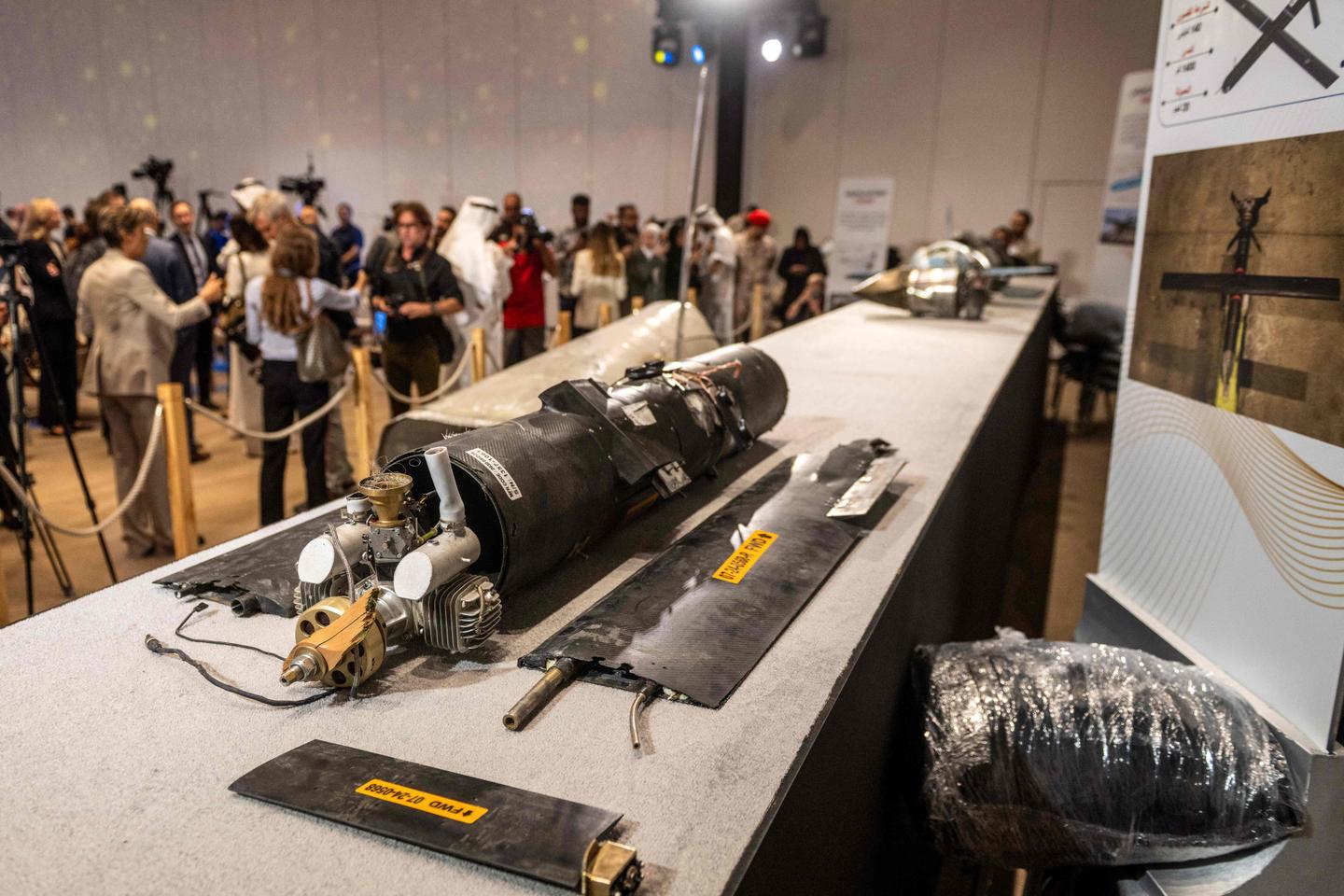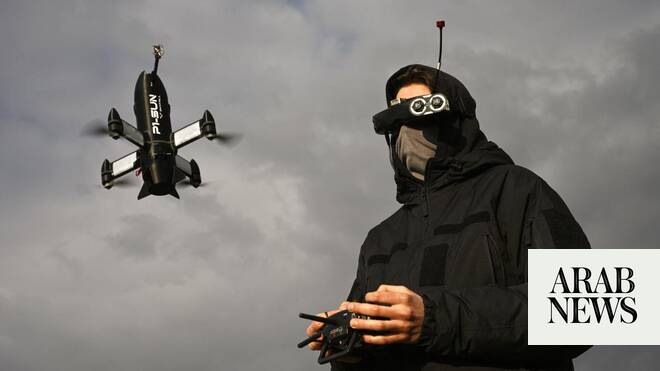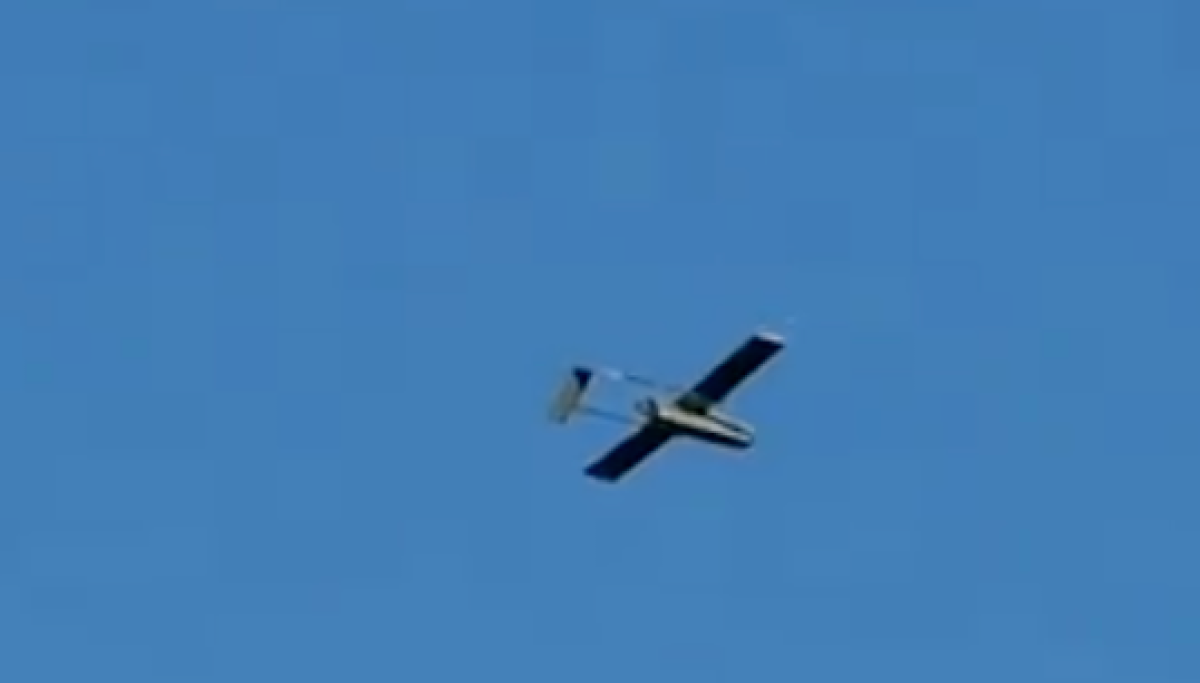
America’s Middle Eastern allies are contending with a new reality. One in which Iran, whatever ceasefire or arrangement is reached to end the current war, will pose a growing and persistent threat. Iran has learned that its drones and missiles afford it massive leverage to blackmail or otherwise attack regional targets. Nations like Saudi Arabia, Bahrain, the UAE, and Kuwait are most concerned with future Iranian attacks on their ports and energy plants.Conventional interceptors can’t fill this gap. They are too few in supply, with supply bottlenecks restricting future resupply. They are also very expensive. In contrast, the Iranian-designed Shahed-style loitering drone costs roughly $20,000 and arrives in swarms. To address this mismatch, the United States and the Sunni monarchies should look at the example of Ukraine. At the start of the war in Feb. 2022, the Ukrainians realized expensive radars and missiles should be saved for ballistic threats, and built a cheap, layered web for everything else.
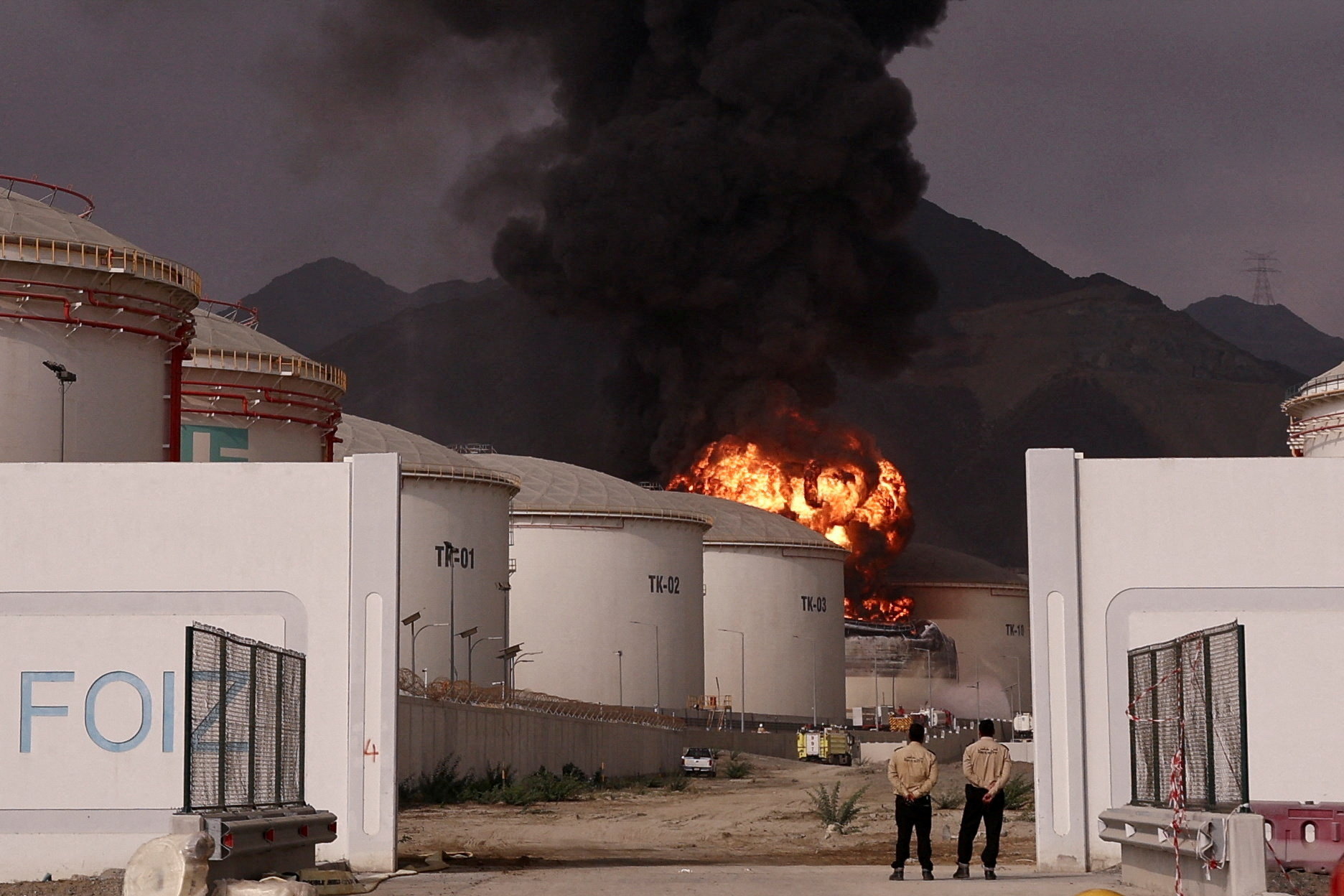
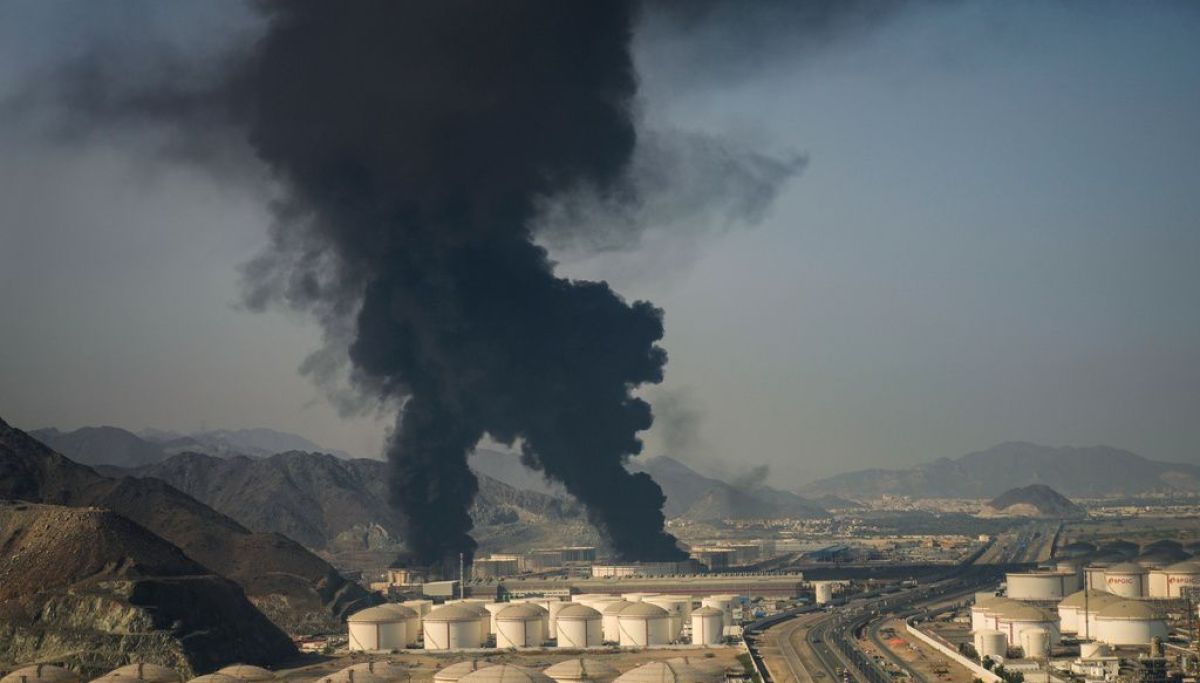
The challenge facing America’s Middle Eastern allies is significant. The monarchies have geographically localized knots of infrastructure: desalination plants that supply the overwhelming share of drinking water, giant power stations, oil stabilization complexes such as Saudi Aramco’s Abqaiq, LNG trains, container terminals, and air bases. Drones could threaten the water supply of millions in a desert region, causing humanitarian catastrophe. By the end of the active hostilities in early April, Iran had launched an estimated 6,400 missiles and drones at Gulf states and Jordan, battering energy, transport, and military infrastructure.