WASHINGTON—After absorbing a forty-day intensive bombing campaign by the United States and Israel from the end of February through April, Iran responded the only way it could have responded to ensure the survival of its regime: by avoiding a direct confrontation and adopting an asymmetric approach.
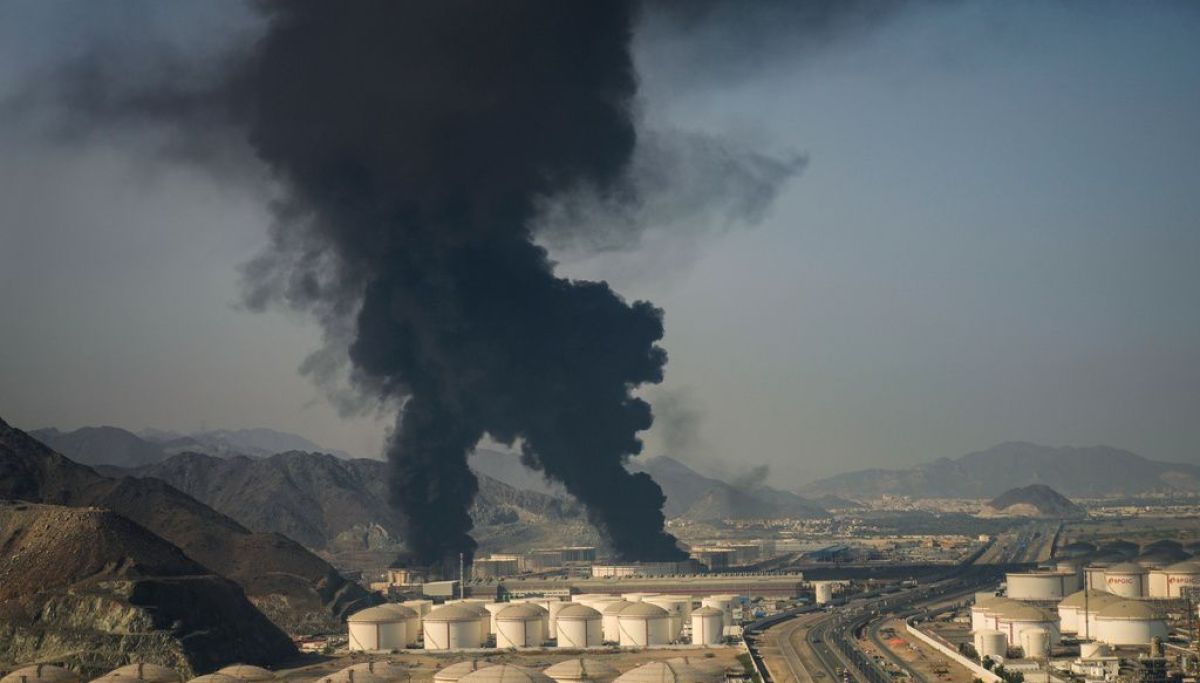
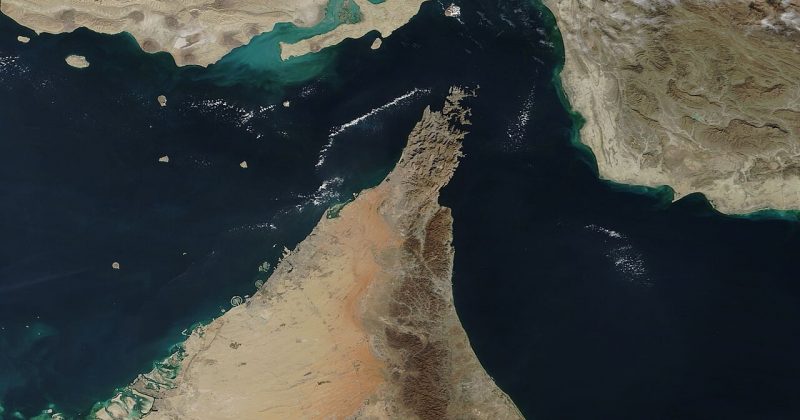
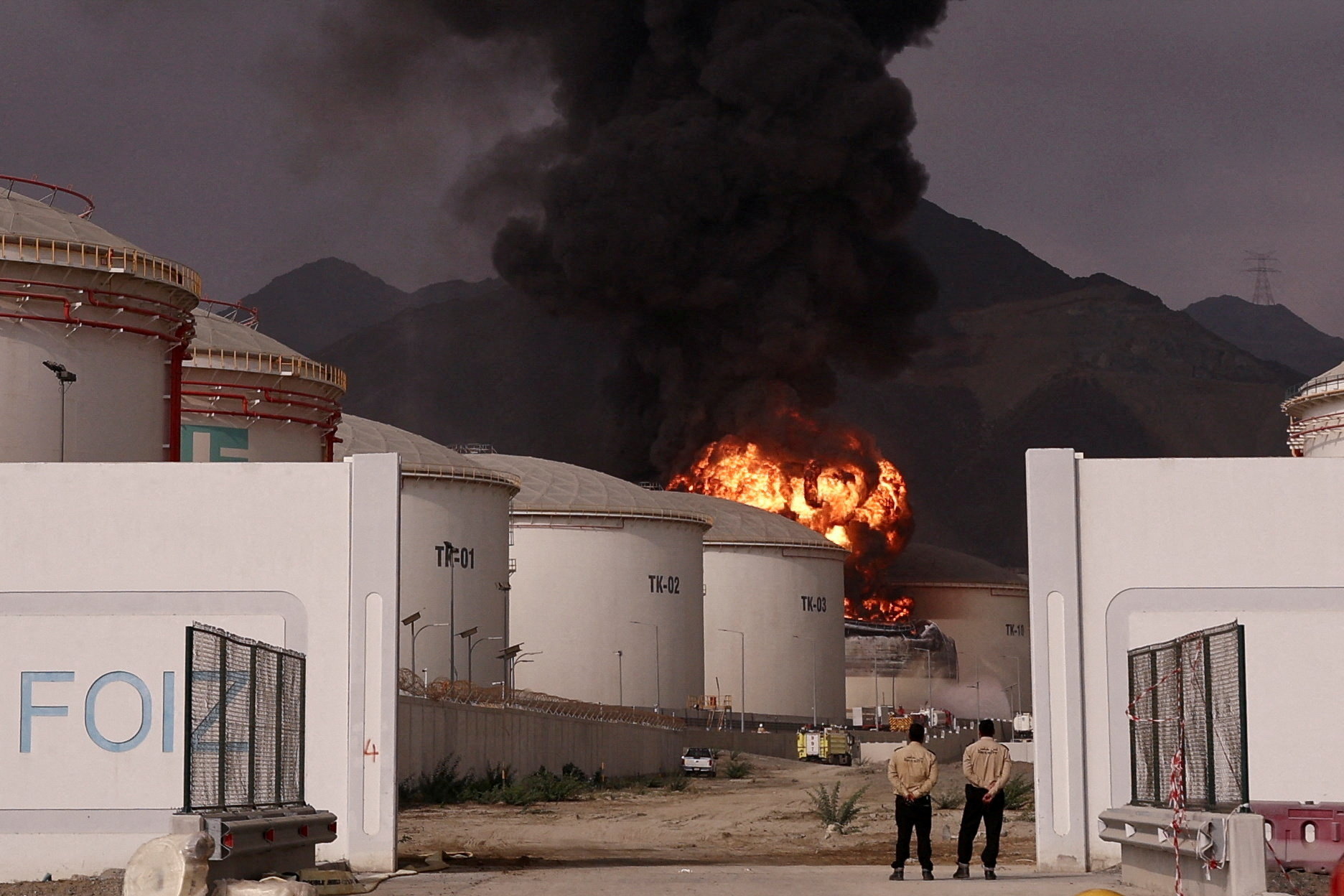
Iran expanded and extended the conflict by attacking energy facilities in the Gulf and blocking the Strait of Hormuz. It did this in an attempt to impose political and economic costs on the US and Israel to force them to stop fighting and lower their demands. Tehran appears to believe that in this prolonged conflict, its ability to tolerate economic pain is greater than that of its adversaries.
Only time will tell whether Iran is overestimating its resistance capacity and underestimating its opponents’ resolve. Yet, what is clear today is that Tehran is executing its strategy to the teeth.
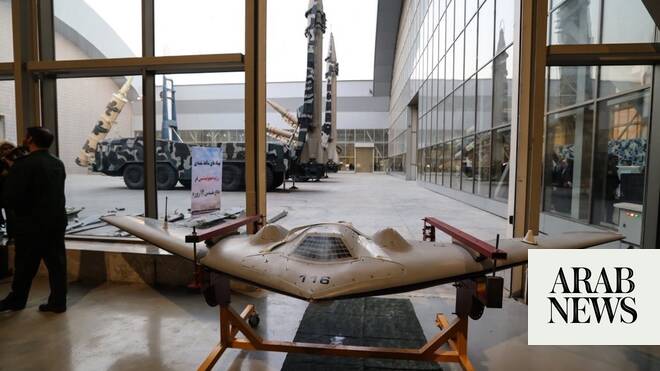
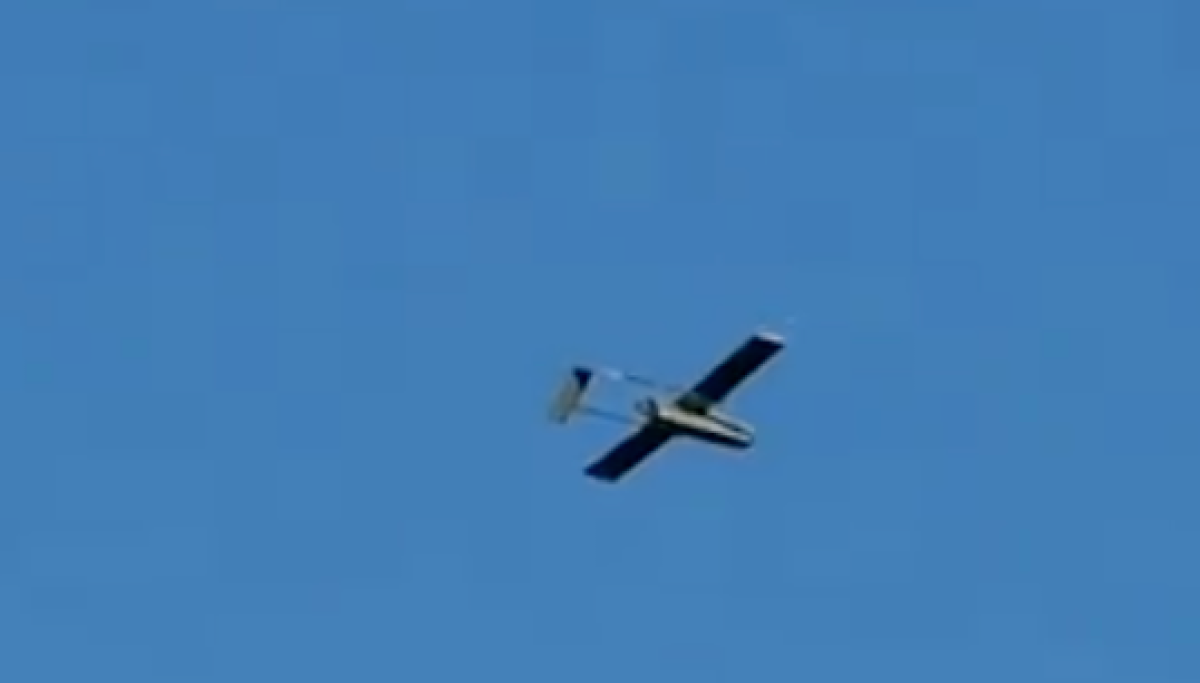
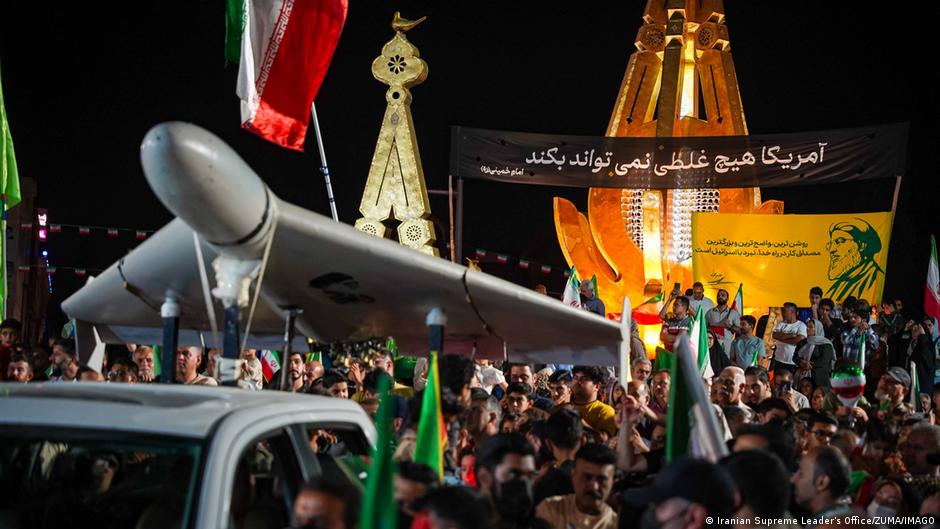
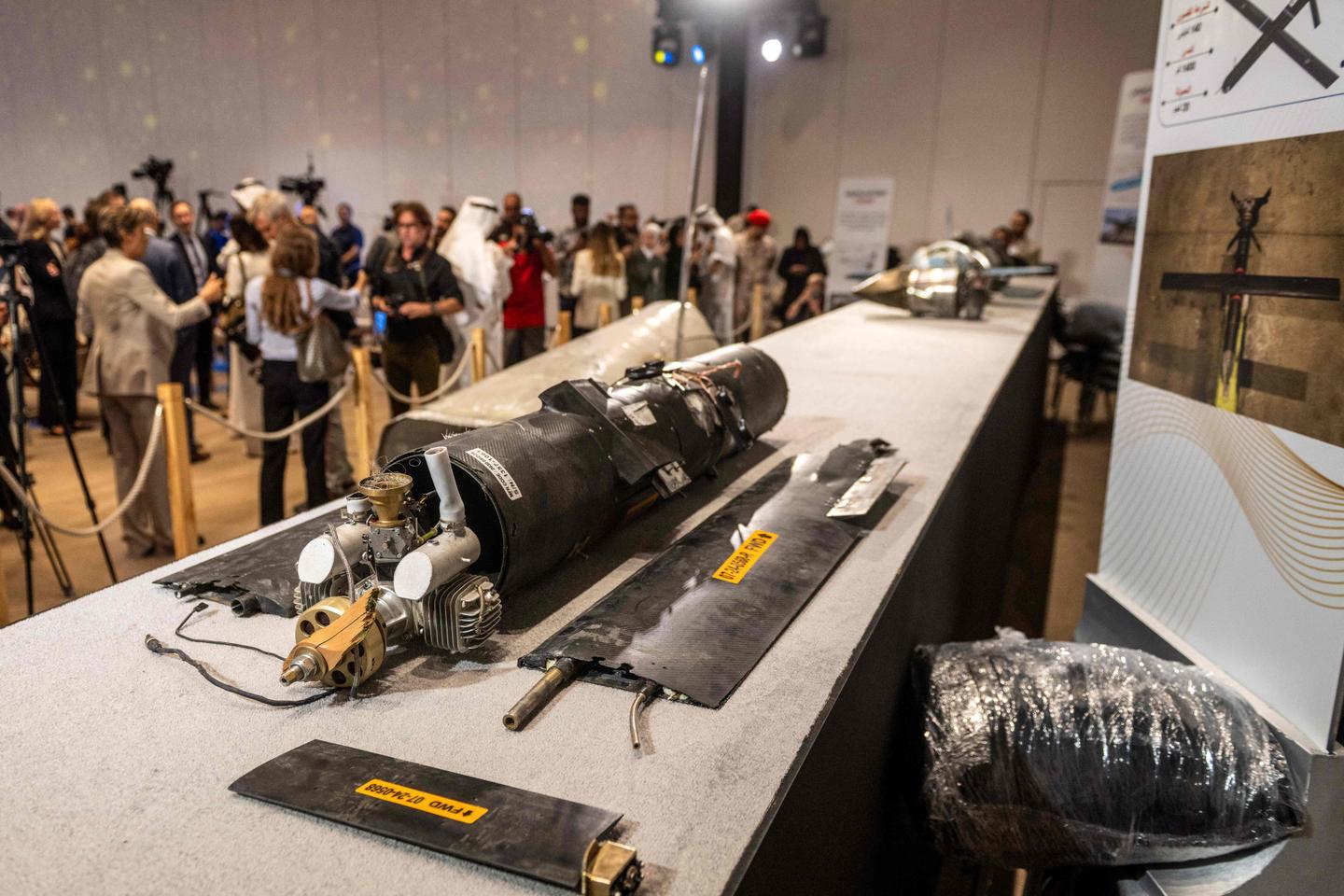
Core to Iran’s attrition strategy is its deep missile and drone arsenal. So long as cheap Iranian drones are getting shot down by very expensive US, Israeli, and Gulf interceptors, and so long as these drones occasionally evade those defenses and hit high-value targets, Iran will remain unwilling to make serious concessions at the negotiating table.