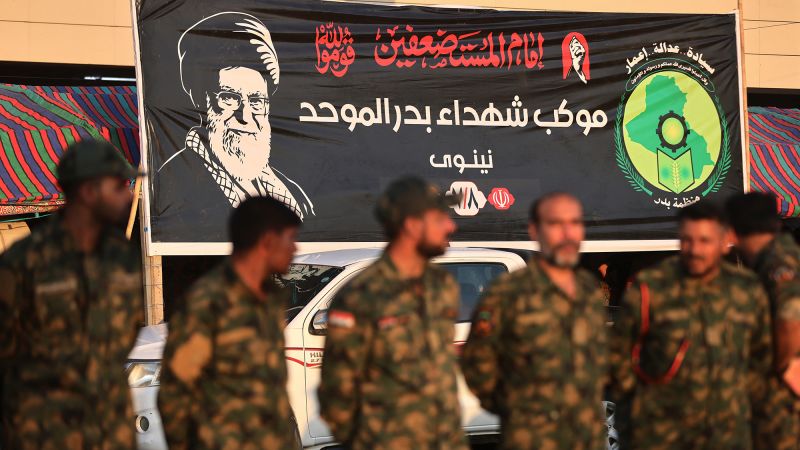
When the United States and Israel launched the war on Iran in late February, they hoped to cripple both the Islamic Republic and its so-called "Axis of Resistance" in the Middle East. This comprises Iran's paramilitary proxy groups, including Hamas in Gaza, Hezbollah in Lebanon, the Houthis in Yemen and militias in Iraq, all of whom are opposed to the US and Israel.
The assumption was that "by hitting the right leaders, weapons facilities and supply lines, an outside actor could induce catastrophic failure across the Iranian regime and its web of Middle Eastern allies," said Peter Salisbury, a fellow at US think tank Century International and lead author of the think tank's recently published report"Beyond the Axis."
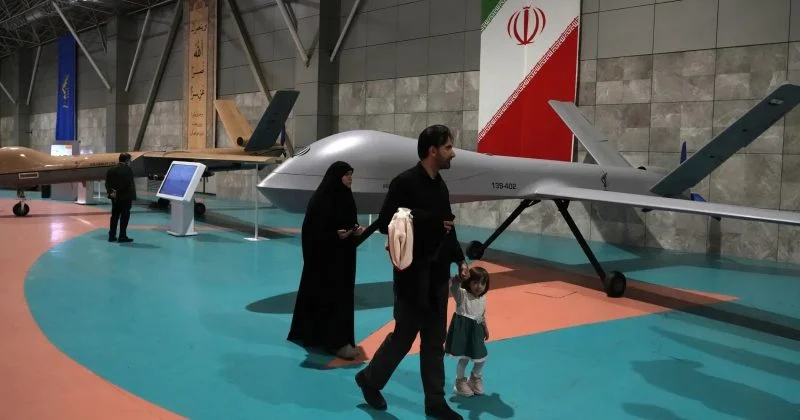
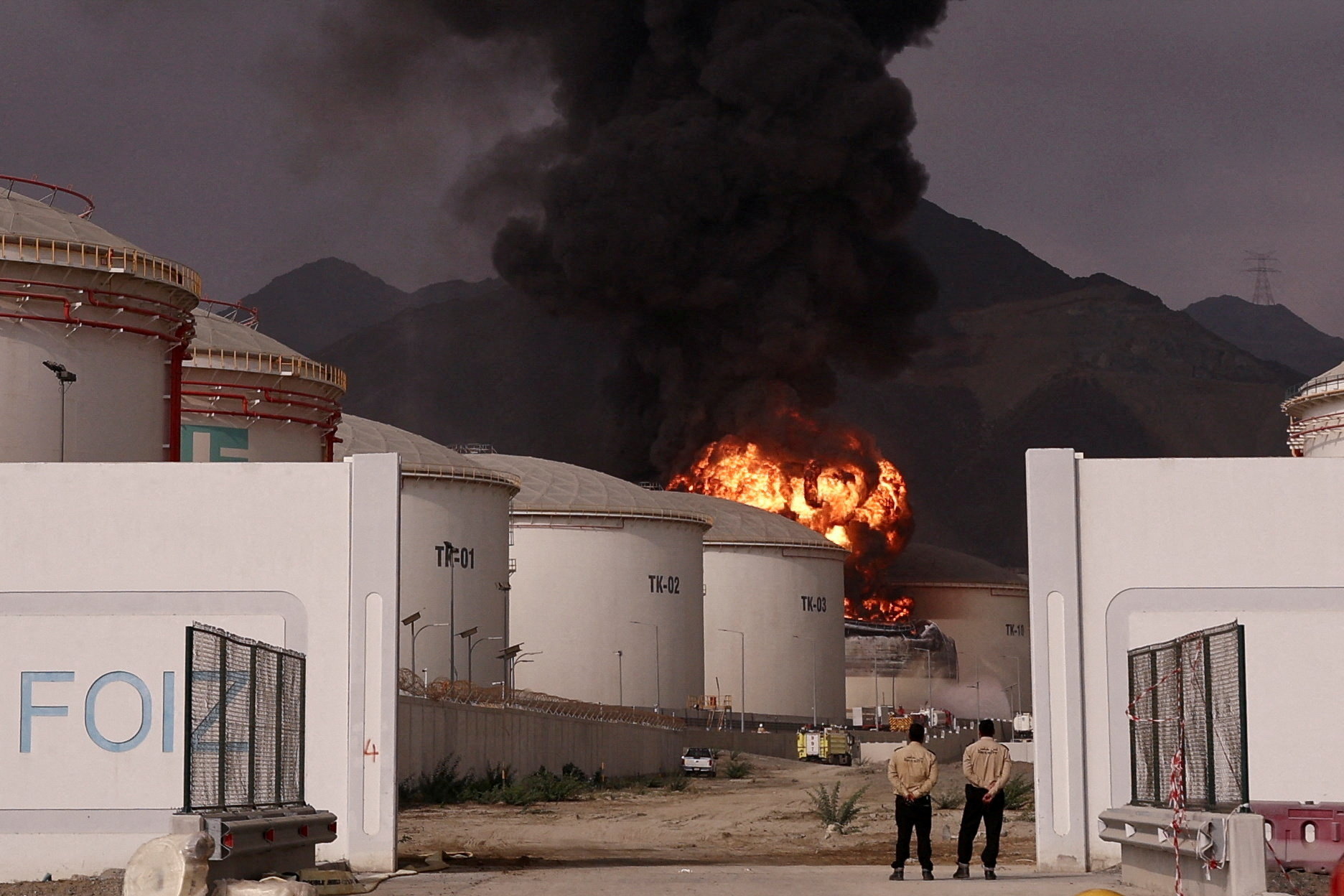
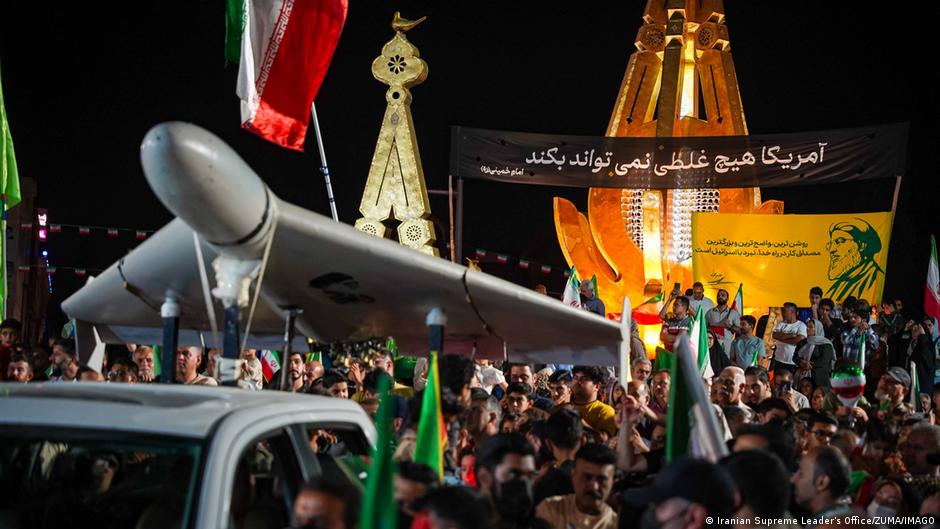
Despite the US and Israel achieving many of those military objectives, Iranian forces were able to continue launching drone attacks on neighboring Gulf states and shipping in the Strait of Hormuz, while their allies in Lebanon and Yemen intensified attacks against Israel and commercial shipping in the Red Sea.Drones are very cheap to build in comparison to the costly Patriot missile systemsImage: Sebastian Apel/U.S. Department of Defense/AP Photo/picture alliance
Operational autonomy