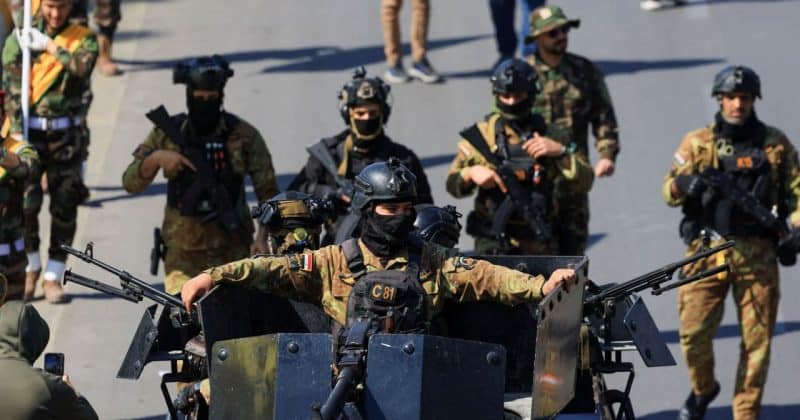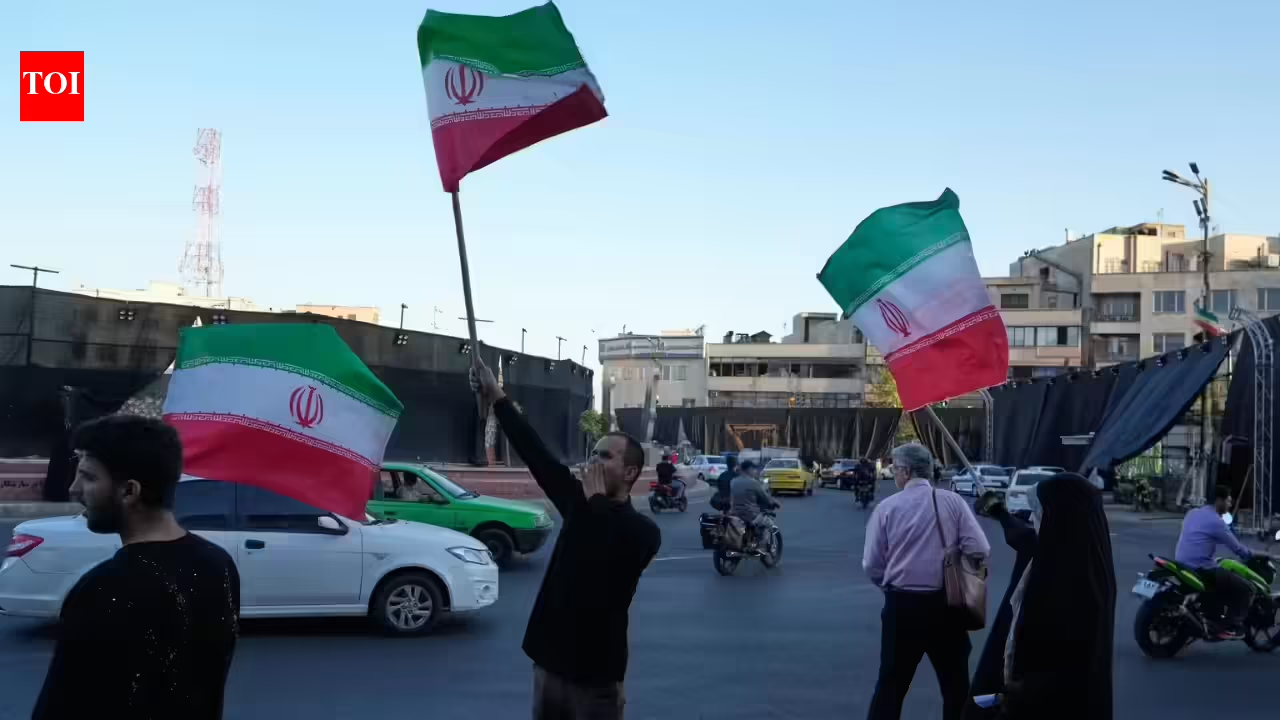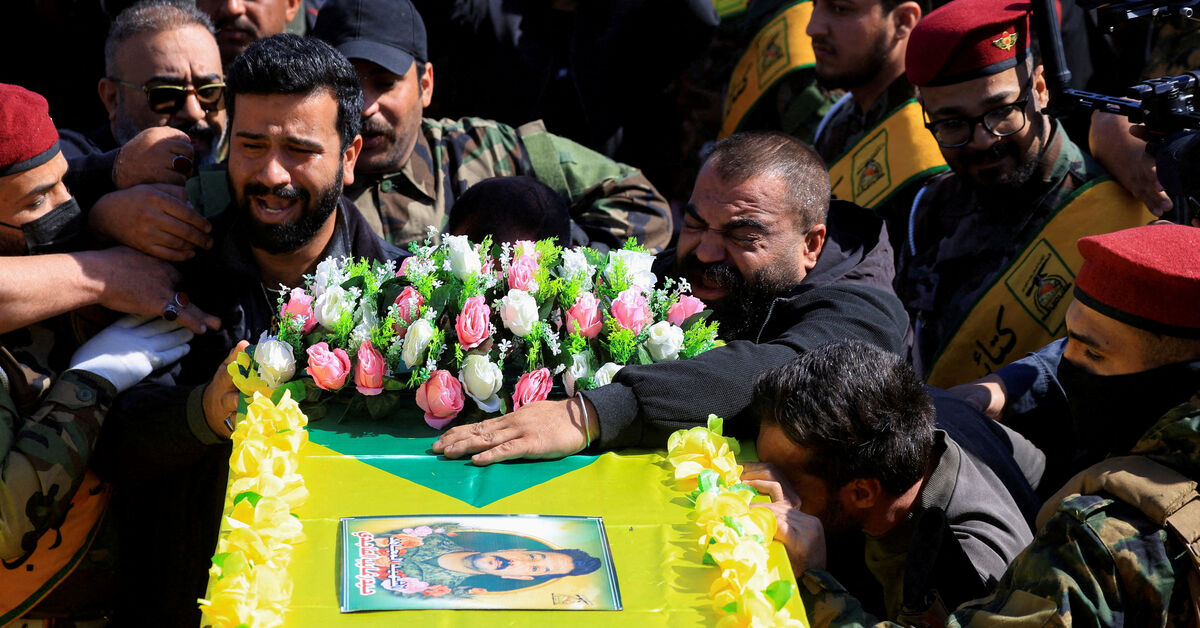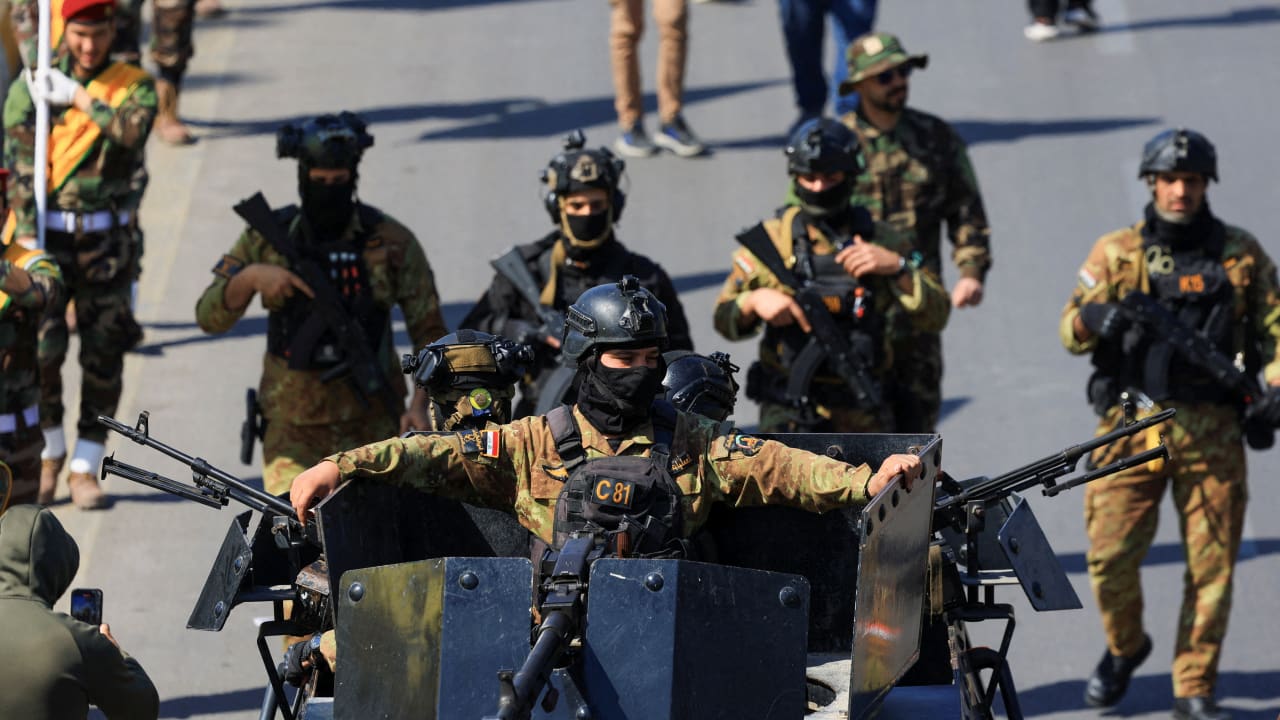
A Reuters investigation has renewed attention on the regional activities of the Islamic Revolutionary Guard Corps, reporting that covert Iraqi-based cells allegedly carried out drone operations against Gulf targets while operating outside traditional militia structures. According to the report, the network was designed to provide deniability and avoid scrutiny from Iraqi authorities and rival armed groups. The revelations have intensified debate over the future of Iran’s regional influence and proxy networks as Washington and Tehran pursue a broader diplomatic framework. Analysts note that support for allied groups across the Middle East remains one of the most contentious issues in any future negotiations.
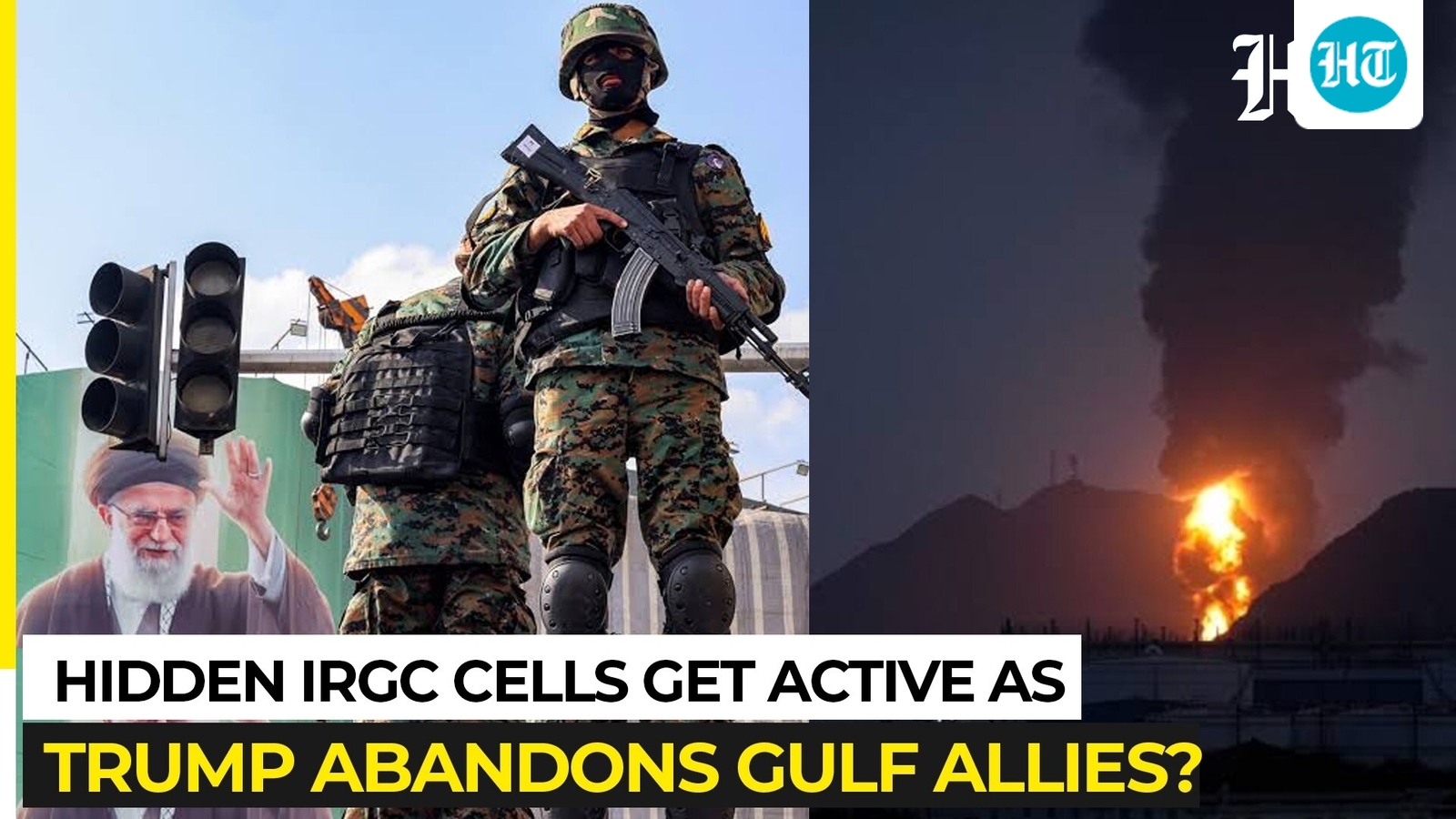
Trump dumps Gulf allies: Secret IRGC network rains drones on Saudi, UAE, Kuwait as US prepares exit?
A Reuters investigation has renewed attention on the regional activities of the Islamic Revolutionary Guard Corps, reporting that covert Iraqi-based cells allegedly carried out drone operations against Gulf targets while operating outside traditional militia structures. According to the report, the network was designed to provide deniability and avoid scrutiny from Iraqi authorities and rival armed groups. The revelations have intensified debate over the future of Iran’s regional influence and proxy networks as Washington and Tehran pursue a broader diplomatic framework. Analysts note that support for allied groups across the Middle East remains one of the most contentious issues in any future negotiations.
TL;DRAI
Reuters investigation exposed covert IRGC cells in Iraq executing drone strikes on Saudi Arabia, UAE, and Kuwait through deniable proxy networks. Iran's regional proxies remain contested in US-Iran diplomacy, signaling ongoing instability for tech companies operating across Gulf economies.
102 words~1 min read