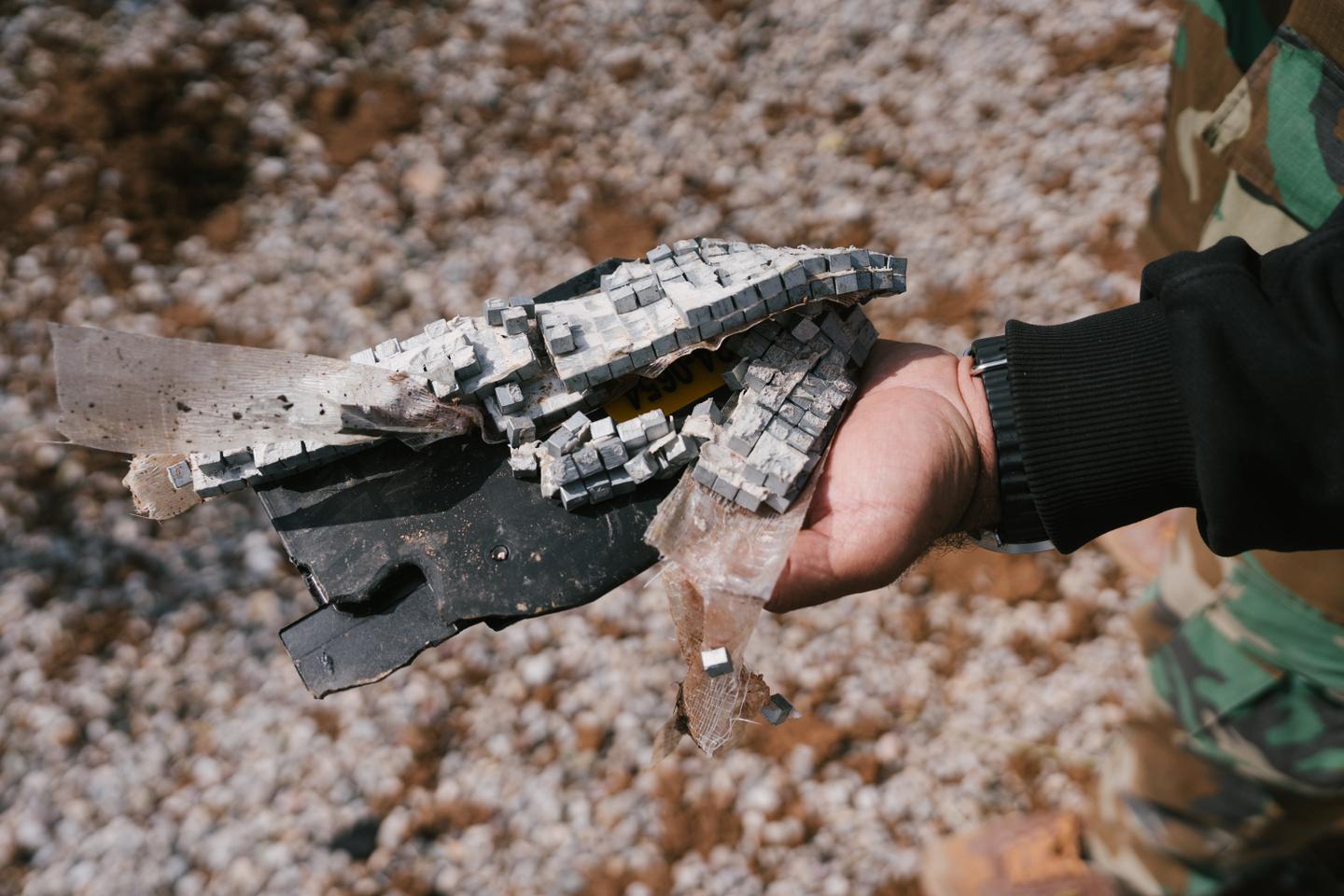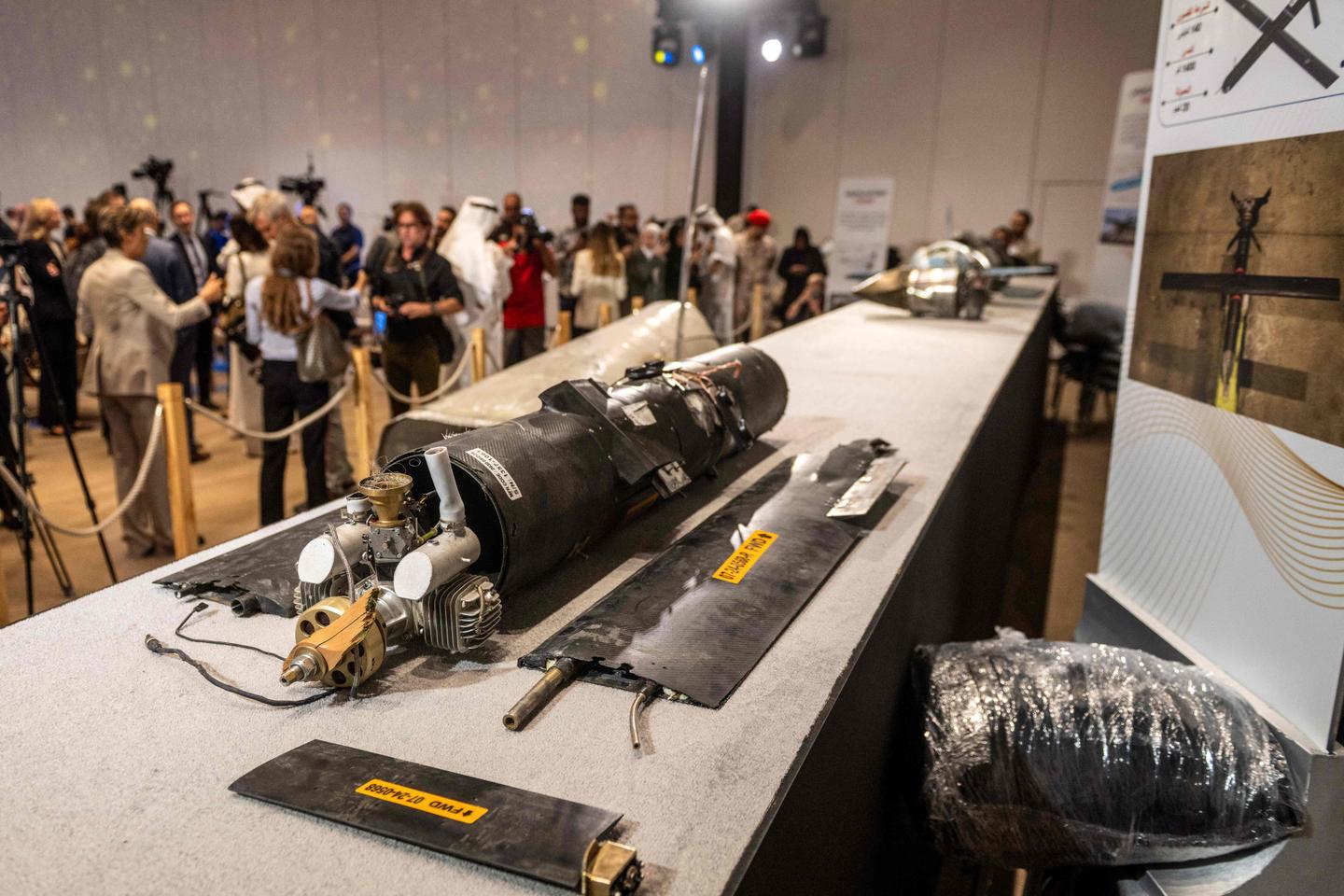
Debris from Iranian drones and missiles, presented in Abu Dhabi, United Arab Emirates, on March 3, 2026. RYAN LIM/AFP
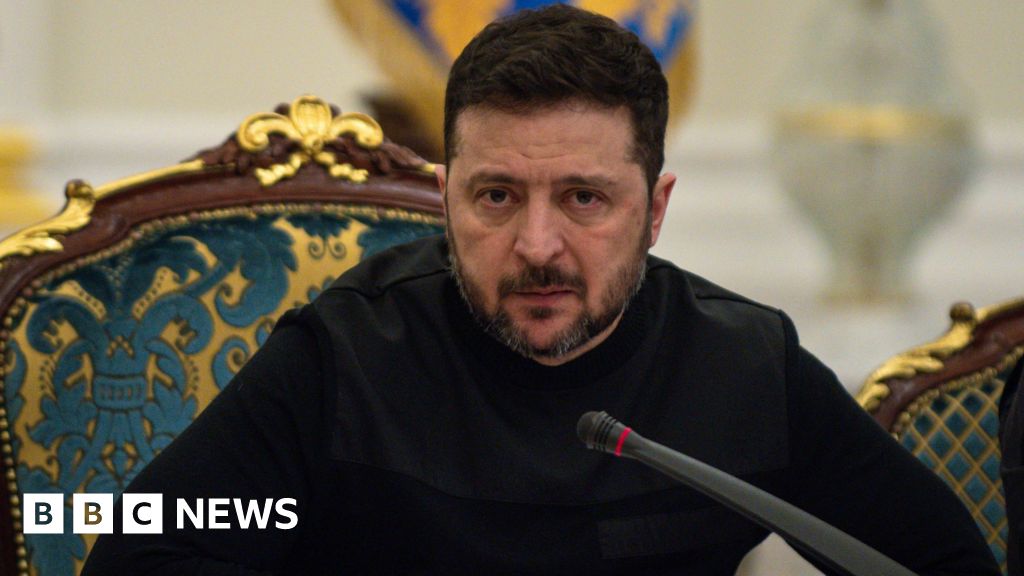
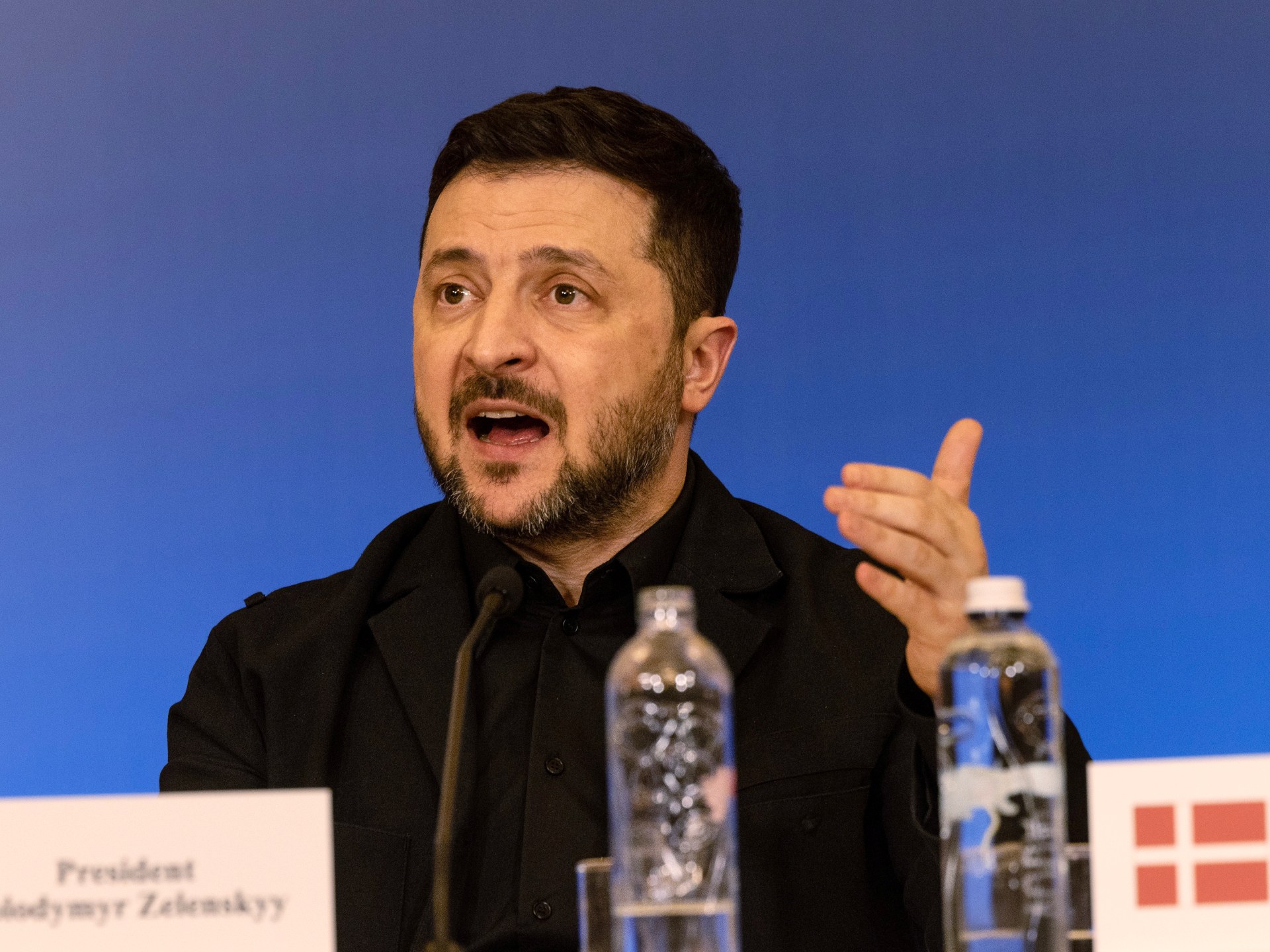
Ukrainian President Volodymyr Zelensky displayed empathy on Tuesday, March 3, saying he was ready to send his best drone interception specialists to the Middle East – on the condition that the Gulf countries convince Vladimir Putin to agree to a ceasefire in Ukraine. "I would suggest the following: leaders of the Middle East have great relations with Russians. They can ask Russians to implement a month-long ceasefire," he told the US news agency Bloomberg.
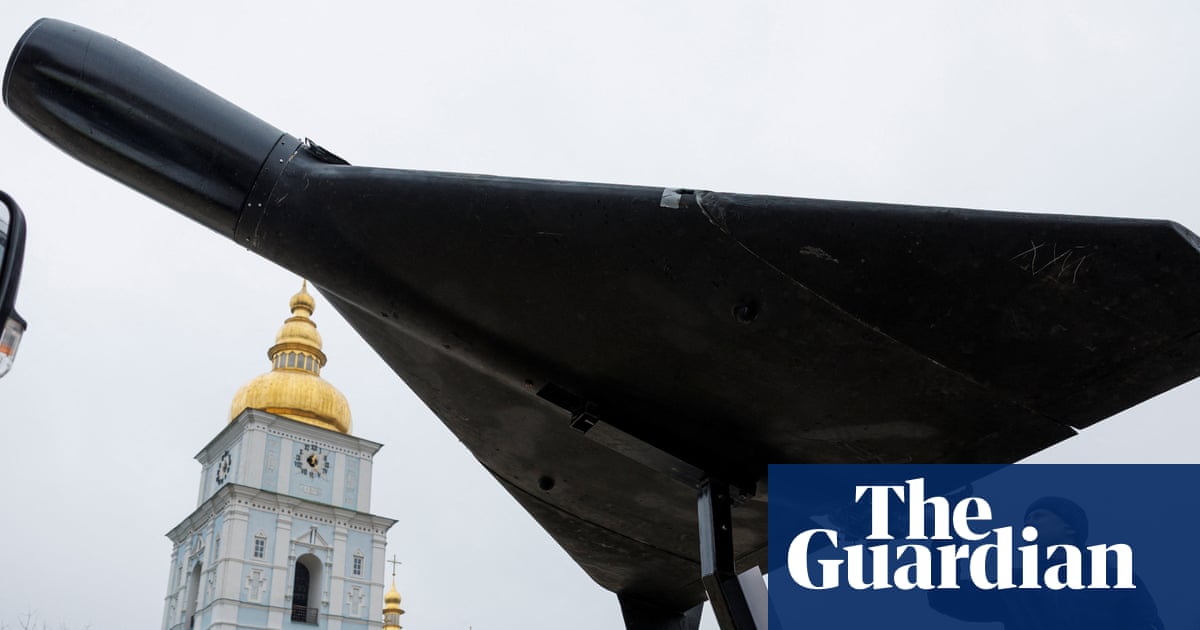
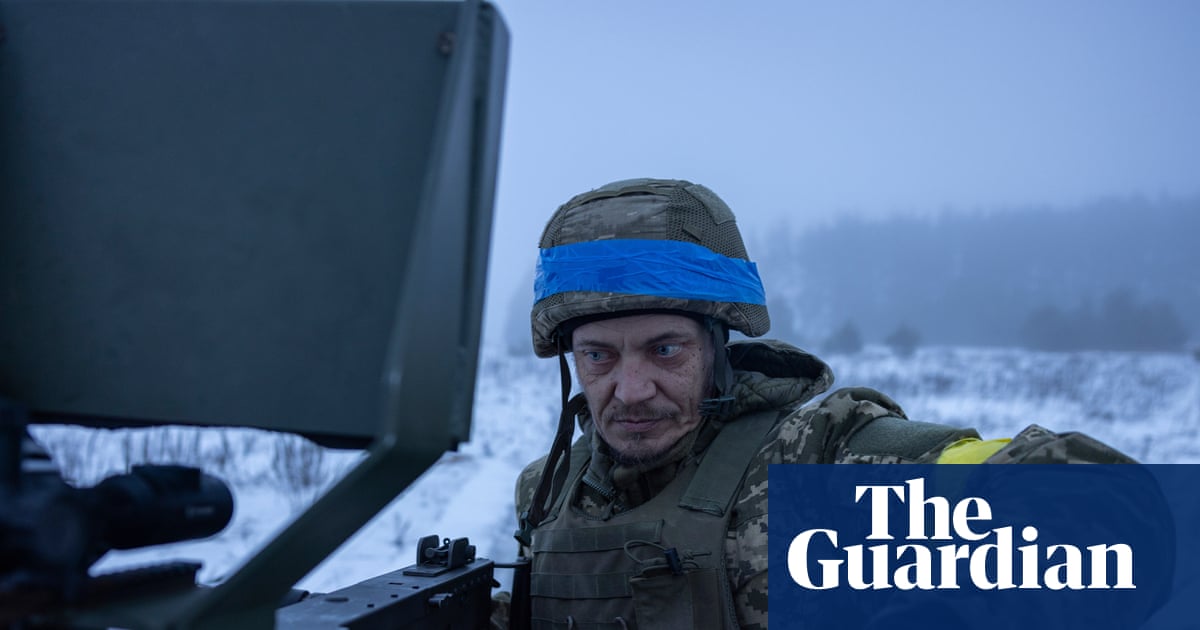
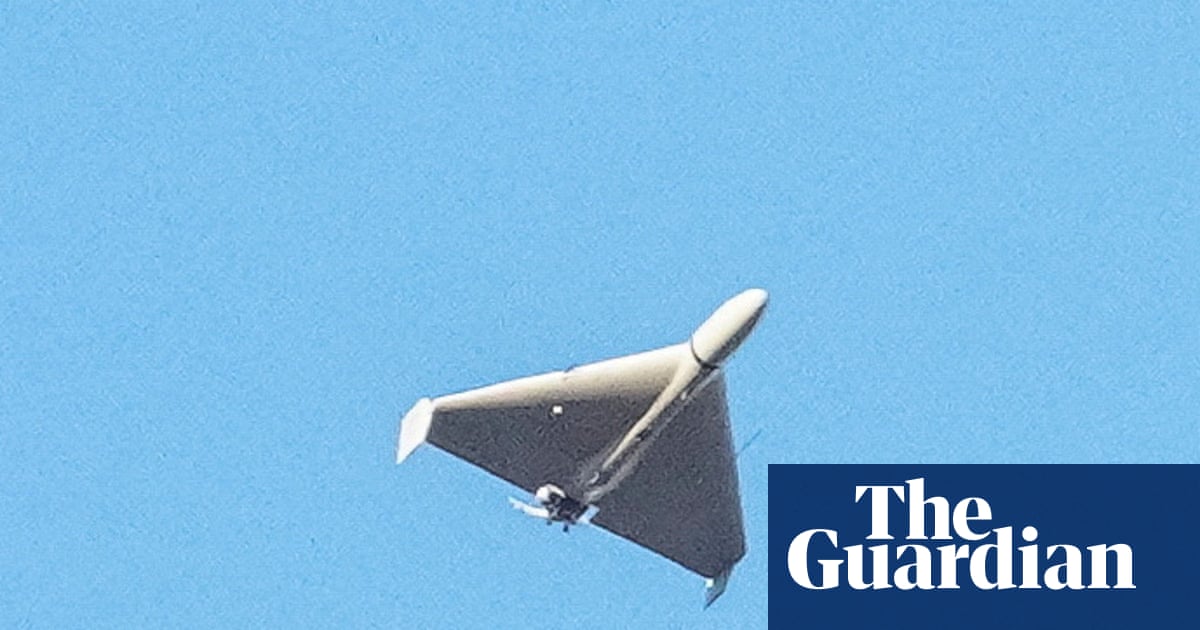
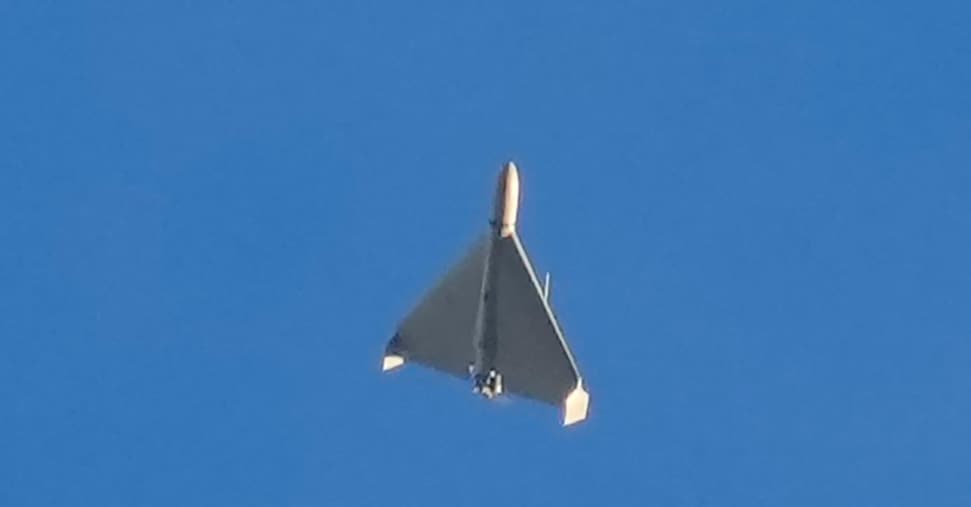
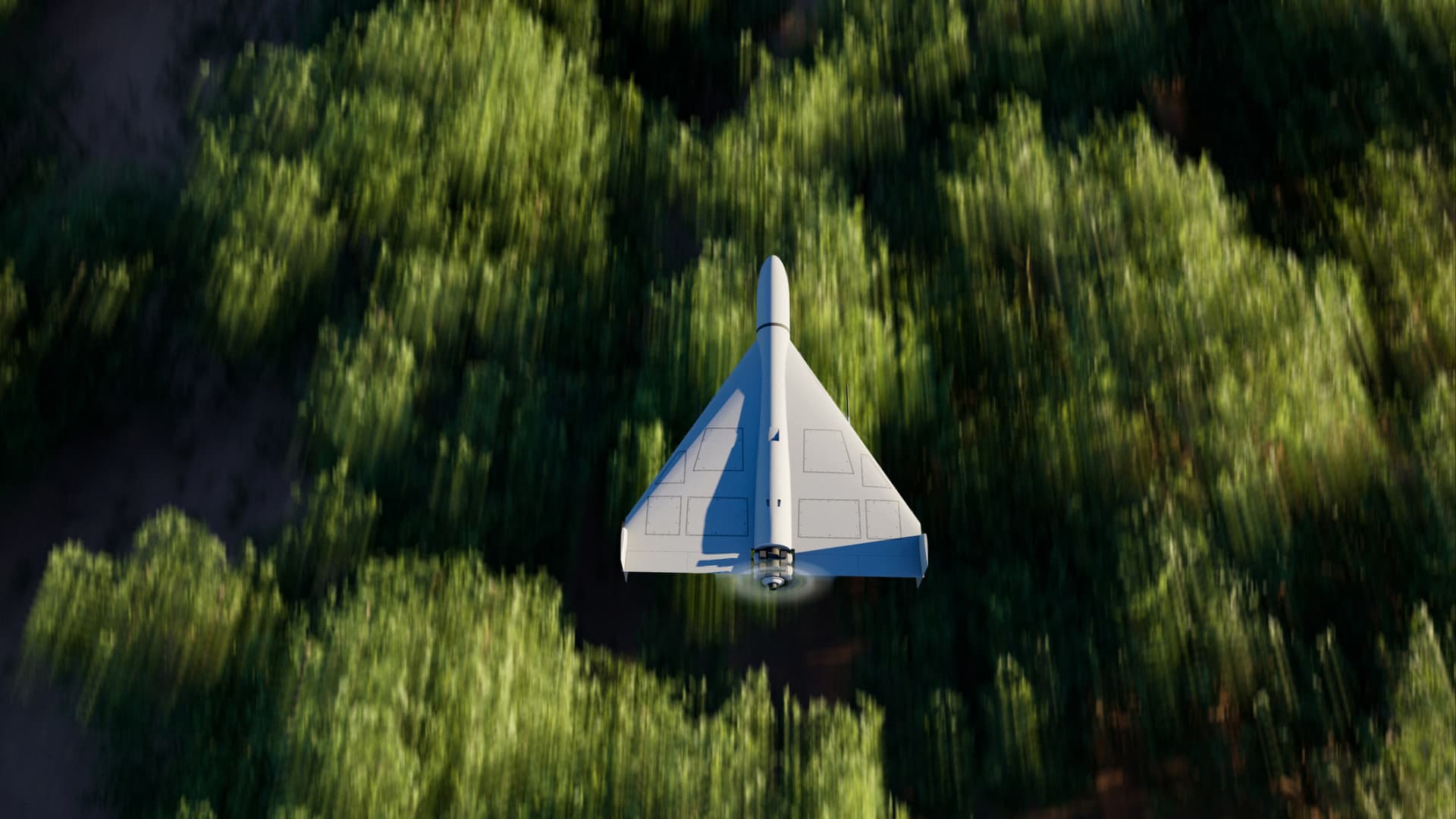
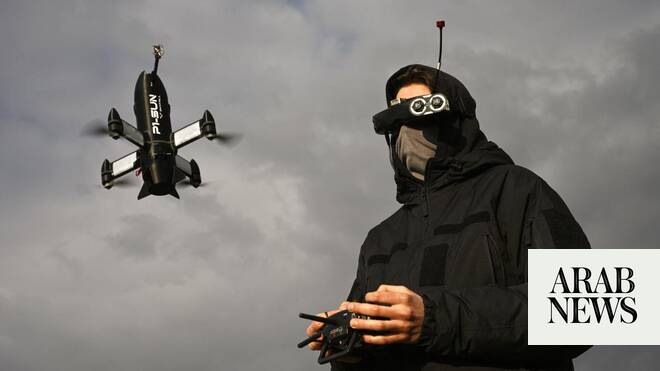
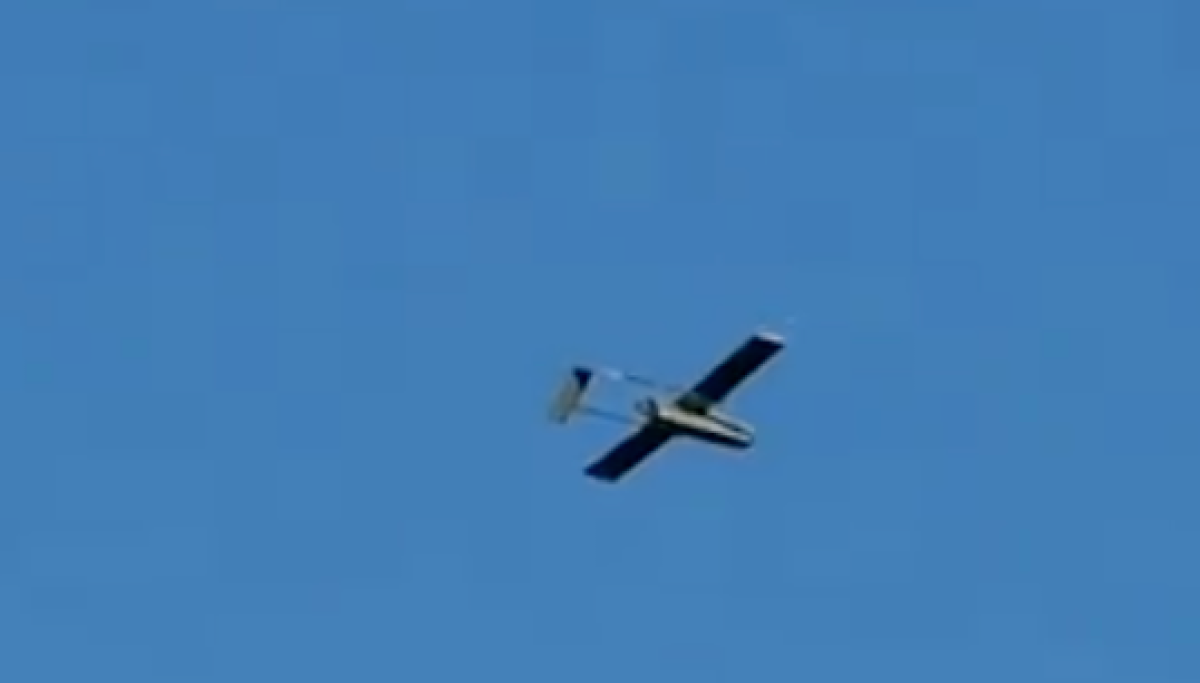
The Ukrainian military has undoubtedly become the world's most battle-hardened force when it comes to fighting Iranian Shahed drones, a weapon system Russia has used to bomb Ukraine every day for almost four years. President Zelensky's statement both highlighted this reality and also called out a newly apparent structural weakness in the Gulf countries' air defense systems. These countries, which have been subjected to drone attacks since the joint United States-Israeli campaign of strikes on Iran started, have seemed ill-prepared for the pitfalls inherent to a war of attrition, such as the one Russia launched in Ukraine. While their air defenses have proven effective against missiles, drones have managed to slip through the cracks.