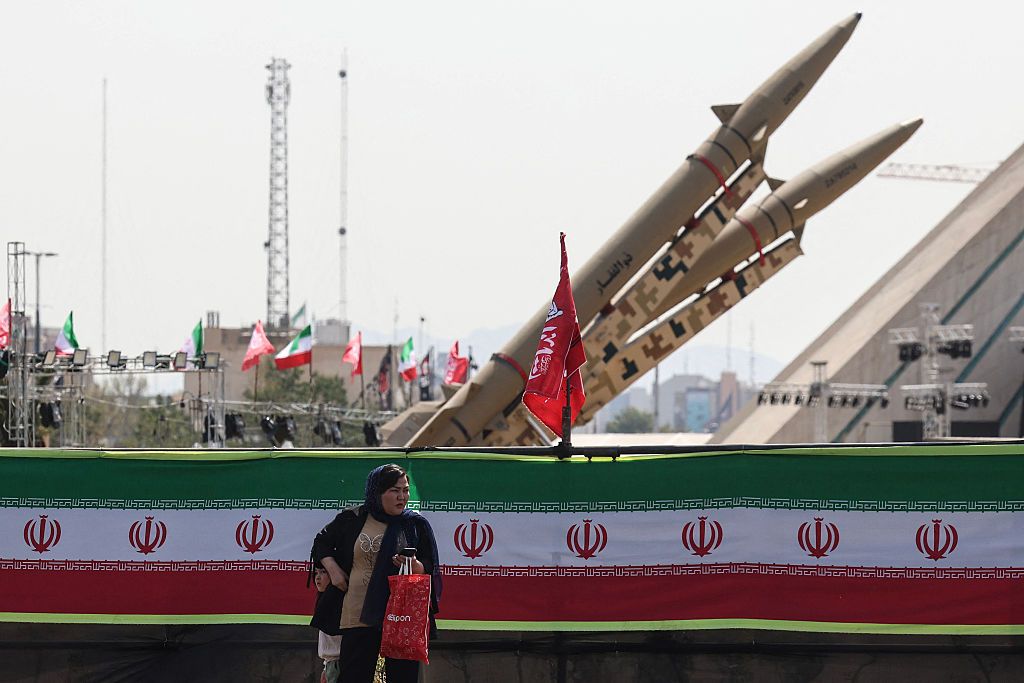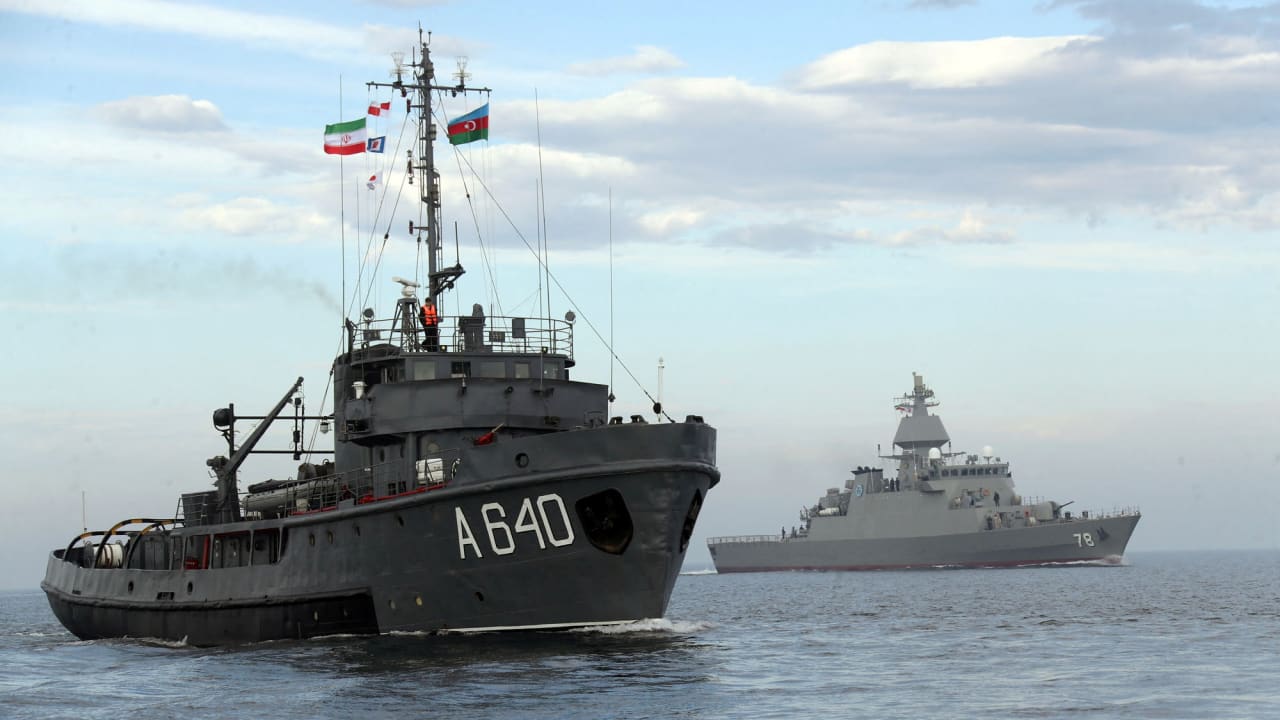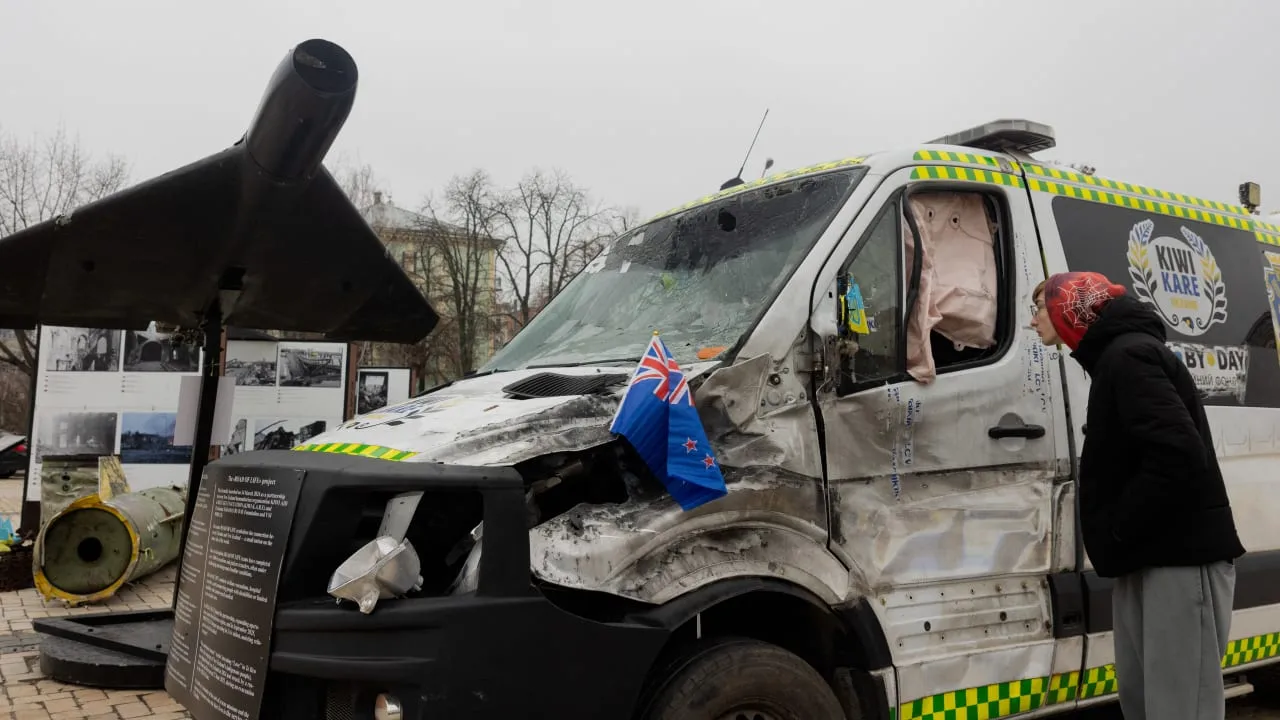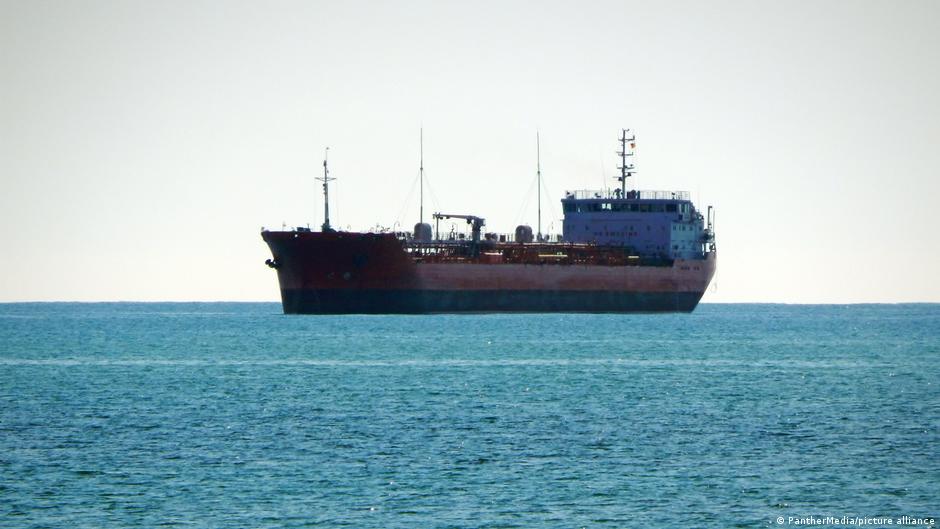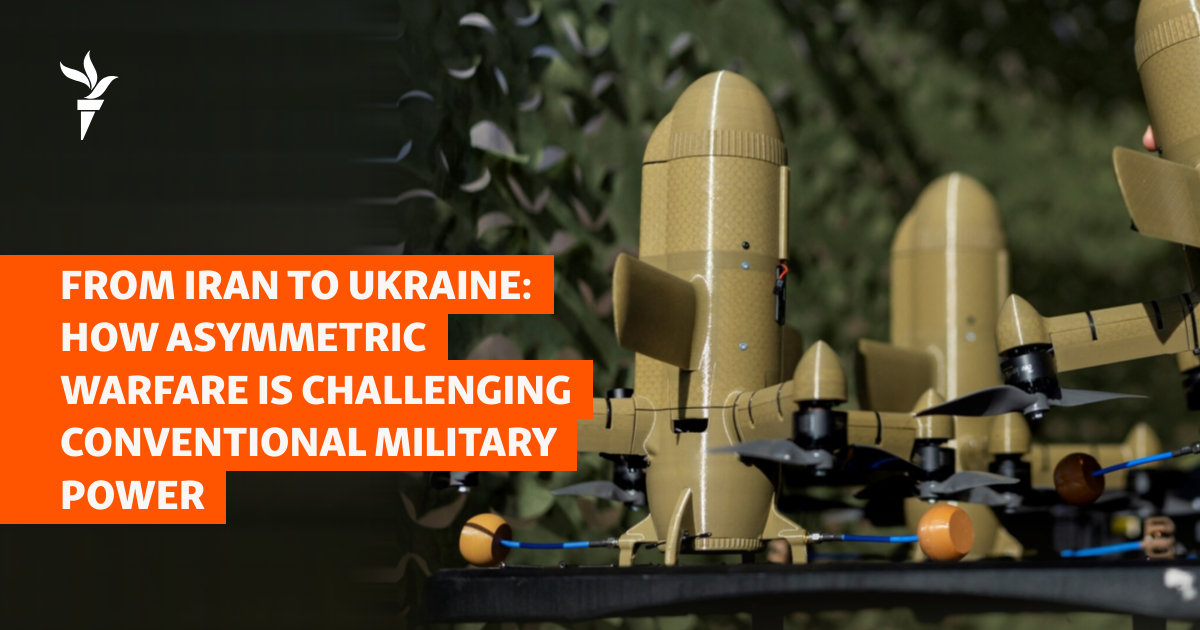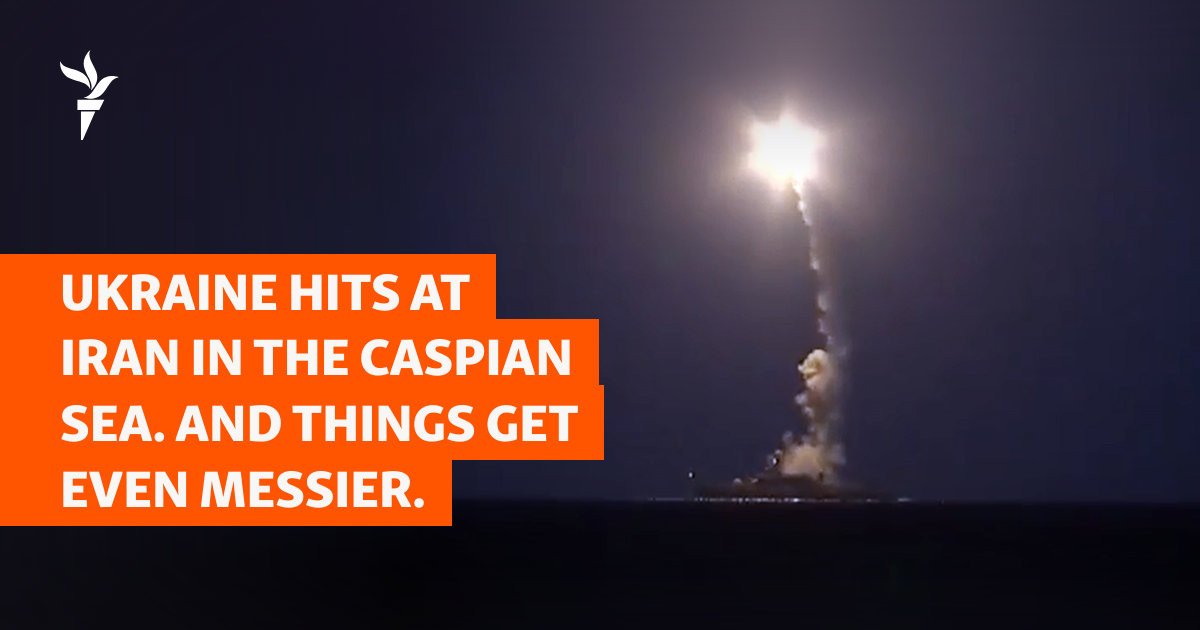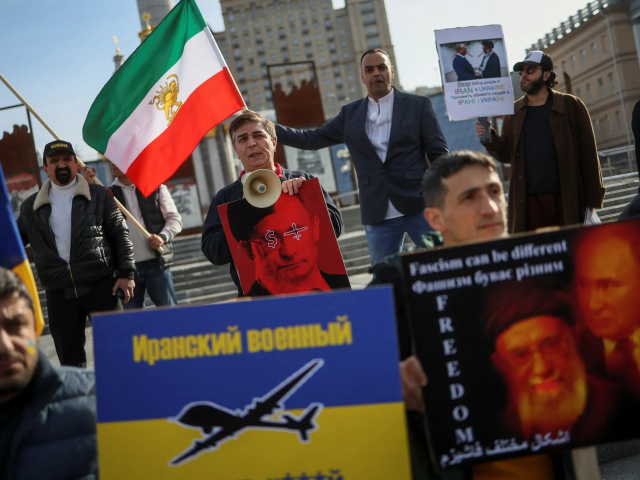
For four years, Ukraine and Iran have been enemies at one remove. Tehran armed Russia with Shahed drones from 2022 onward and later licensed their production to Moscow, and those drones have killed hundreds of Ukrainians. Kyiv, in turn, has quietly backed the U.S.-Israeli war against Iran, sending military experts to Gulf states to help them defend against Iranian drones. What changed on July 25 is that the proxy became direct. A Ukrainian drone struck a vessel in the Caspian Sea, and for a few days the question was whether two wars that had merely overlapped were about to fuse into one.
The strike itself was a small operation with outsized implications, and it landed against a specific backdrop. The U.S.-Israeli war on Iran, which began with strikes on February 28, 2026, has technically been paused since June 17, when Trump and Iranian President Masoud Pezeshkian remotely signed the 14-point Islamabad Memorandum, a framework that reopened the Strait of Hormuz, lifted the U.S. naval blockade and set a 60-day window to negotiate a permanent peace. In practice that truce has frayed badly, with both sides continuing to trade attacks and Trump warning that failure to reach a final deal means "we go back to bombing." It was into this half-frozen, half-live conflict that Ukraine inserted itself.