The fact that the U.S. and Iran have suspended their mutual attacks may not mean the war is over. On the contrary, recent developments suggest the war is poised to enter a new phase. Ukraine may be the most notable player in this new phase. This is because a critical question arose following Ukraine’s targeting of an Iran-linked vessel in the Caspian Sea on July 25: Is Ukraine becoming the second front in the war against Iran?
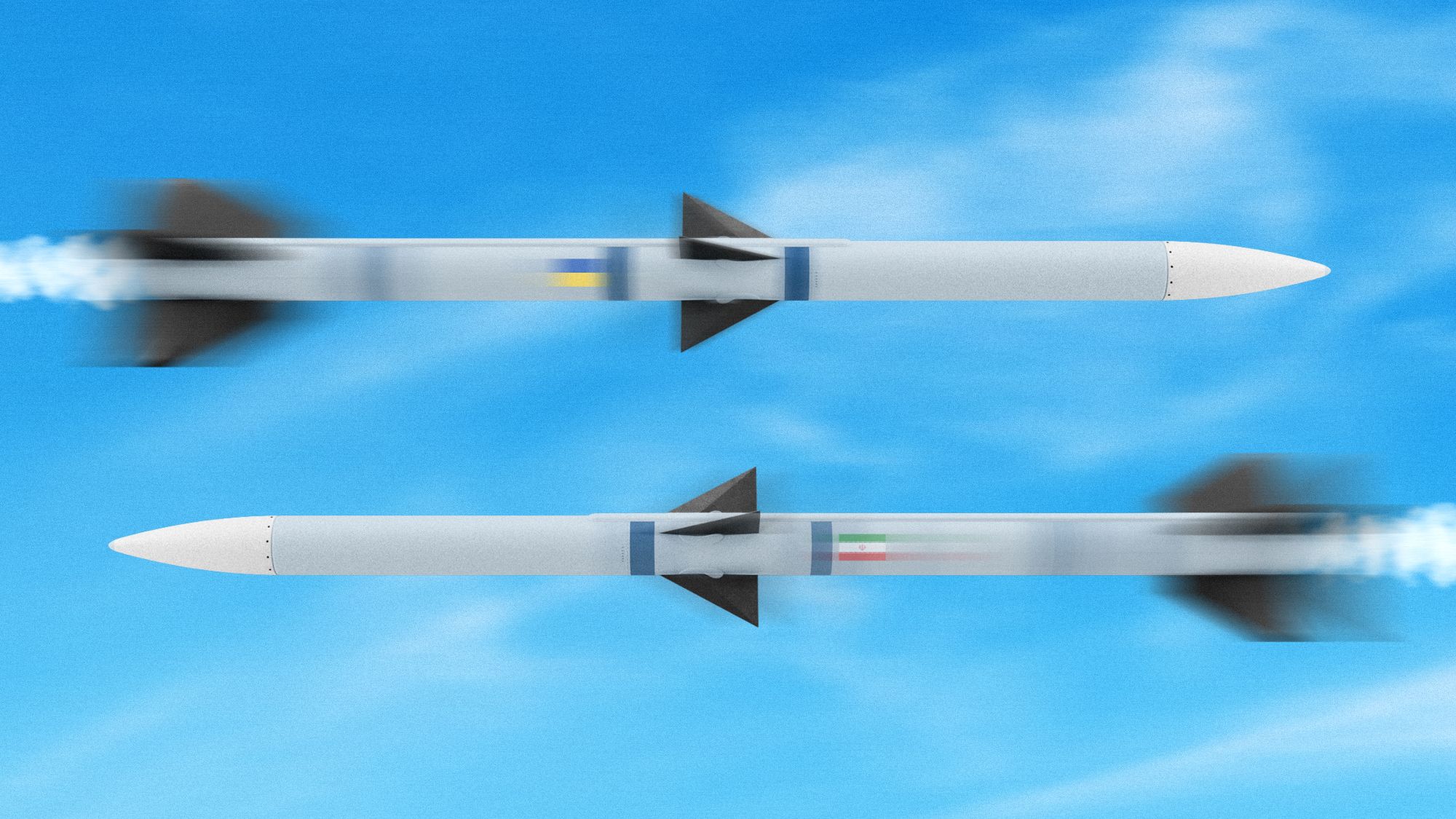
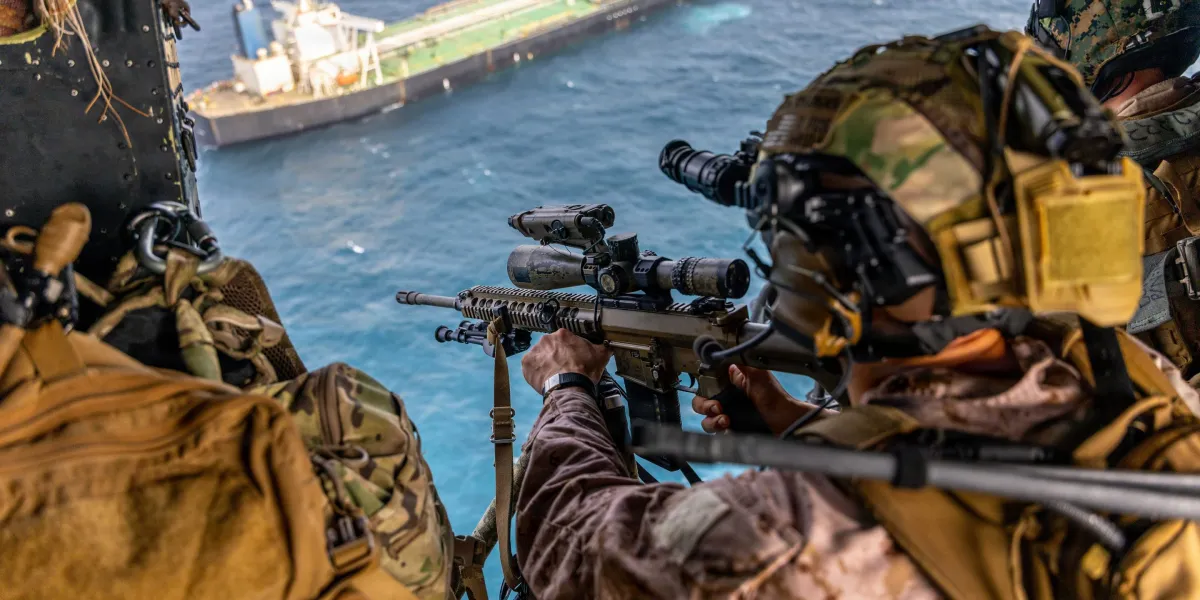
In the second phase that began after the 40-Day War, U.S. attacks against Iran continued in 13 waves. Iran responded with attacks on targets in the region. However, the sustainability of high-intensity conventional warfare is becoming increasingly difficult for the U.S. In particular, reports that strategic ammunition stocks are nearing critical levels are one of the key factors that could explain why Washington wanted to pause the conflict. But the real question is: Will the same war continue using the same methods? This is where Ukraine enters the equation.
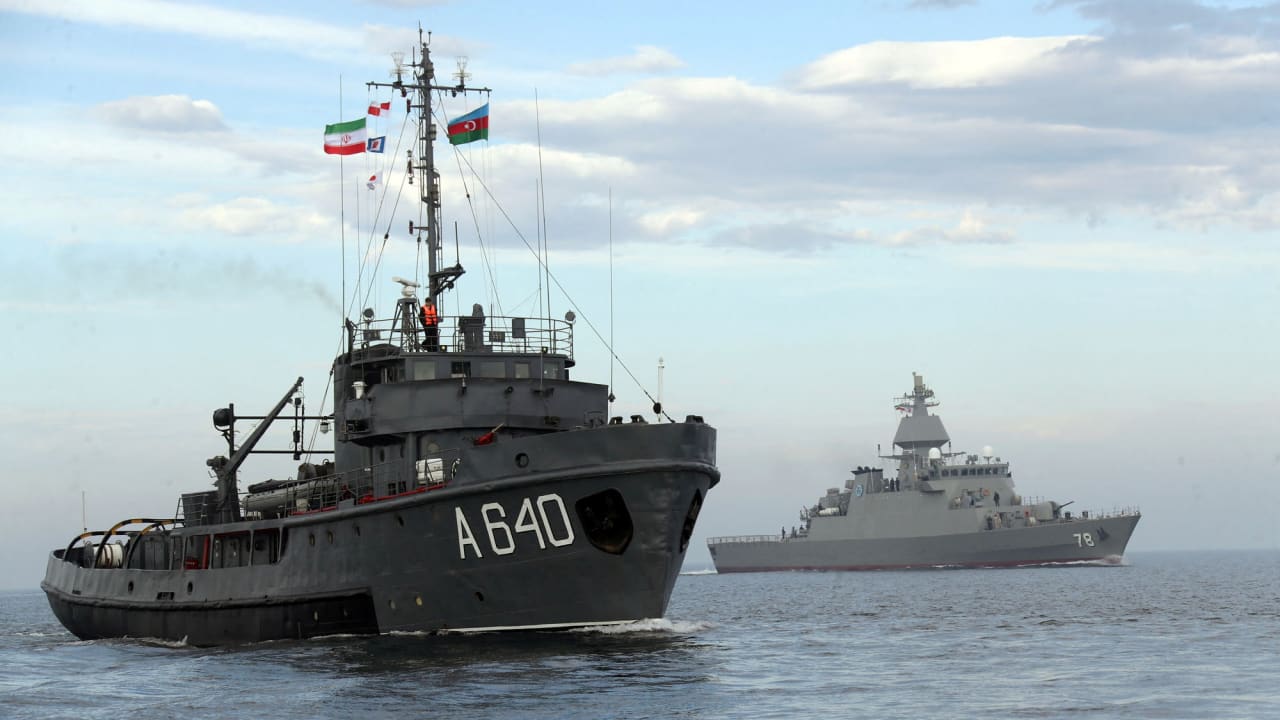
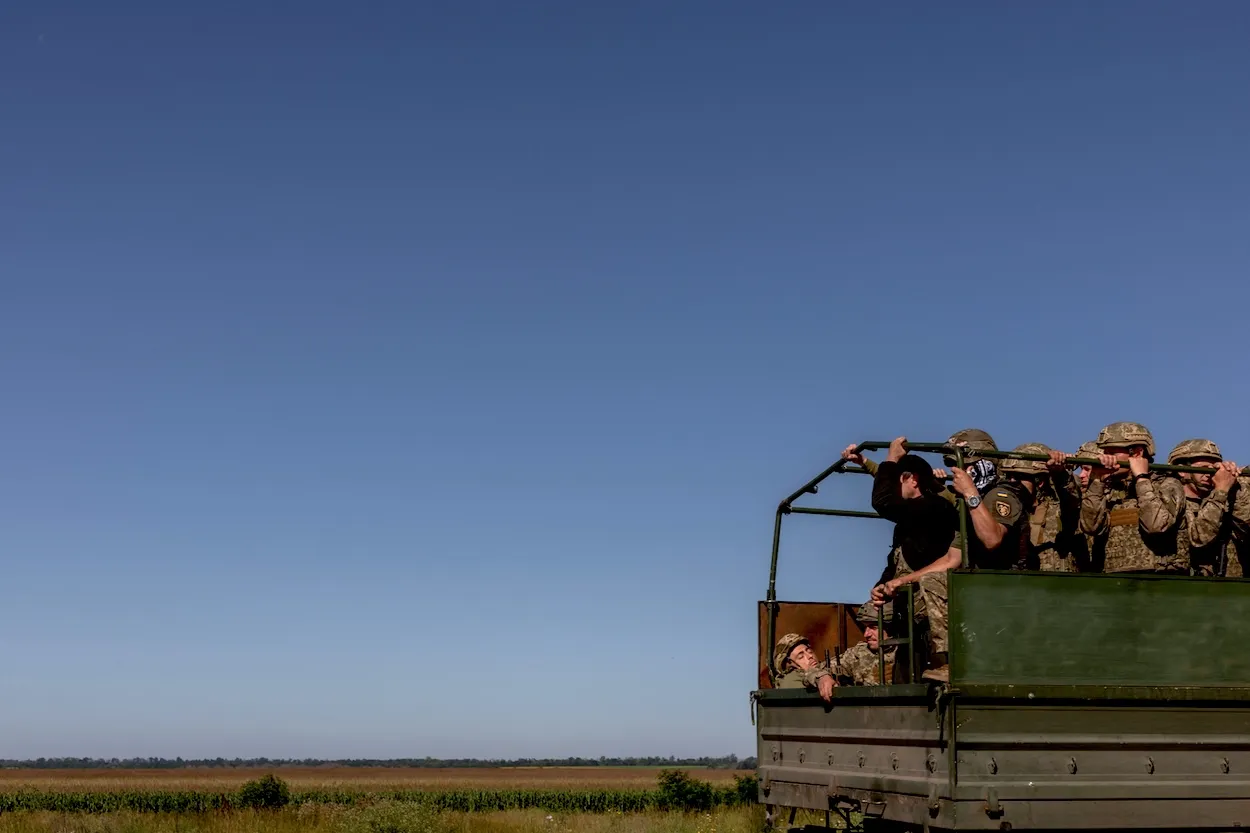

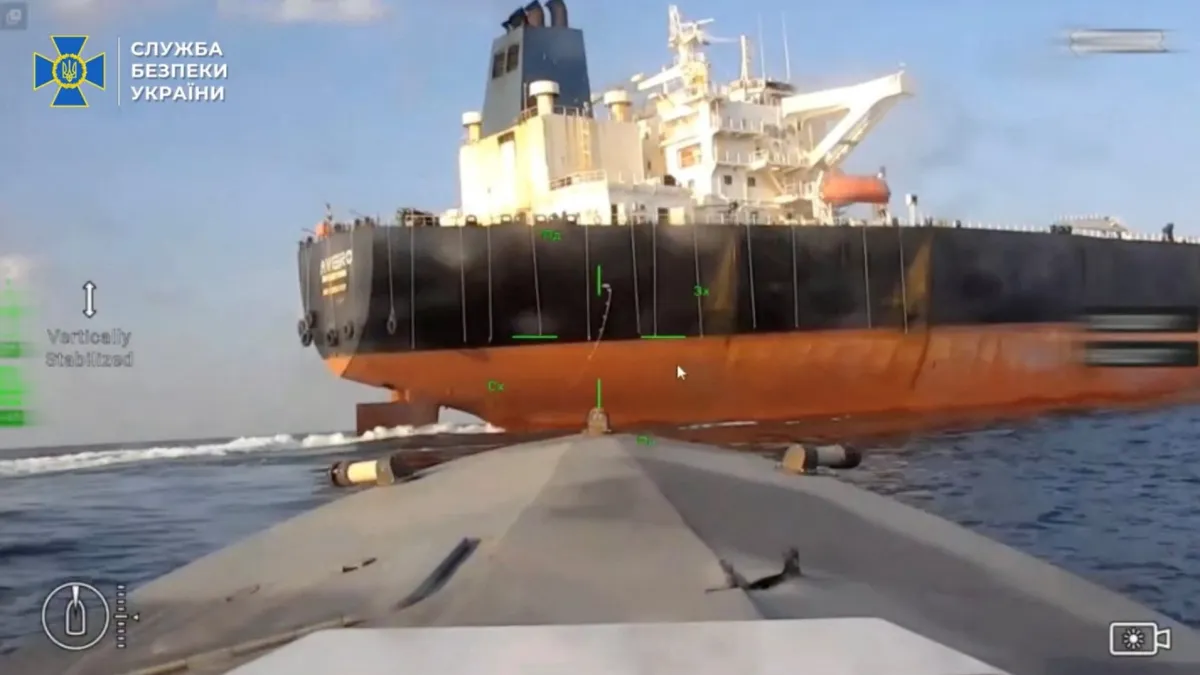
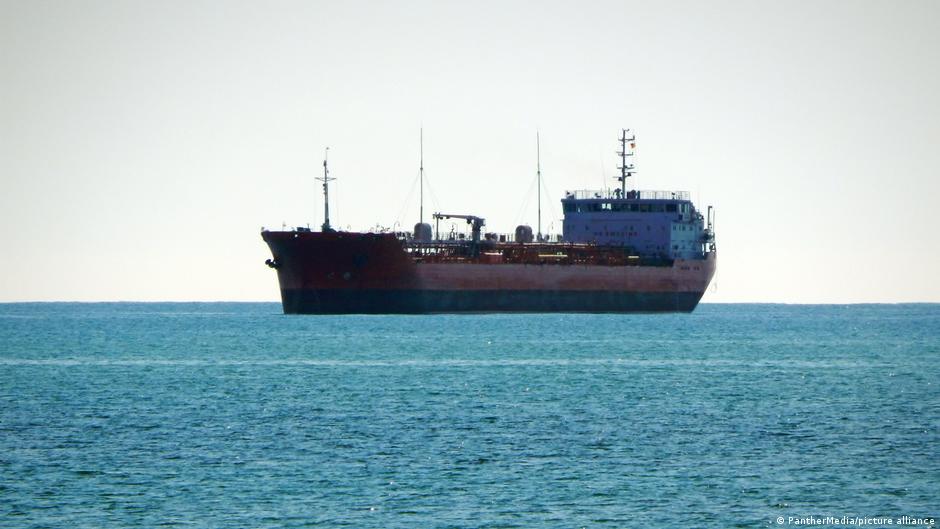
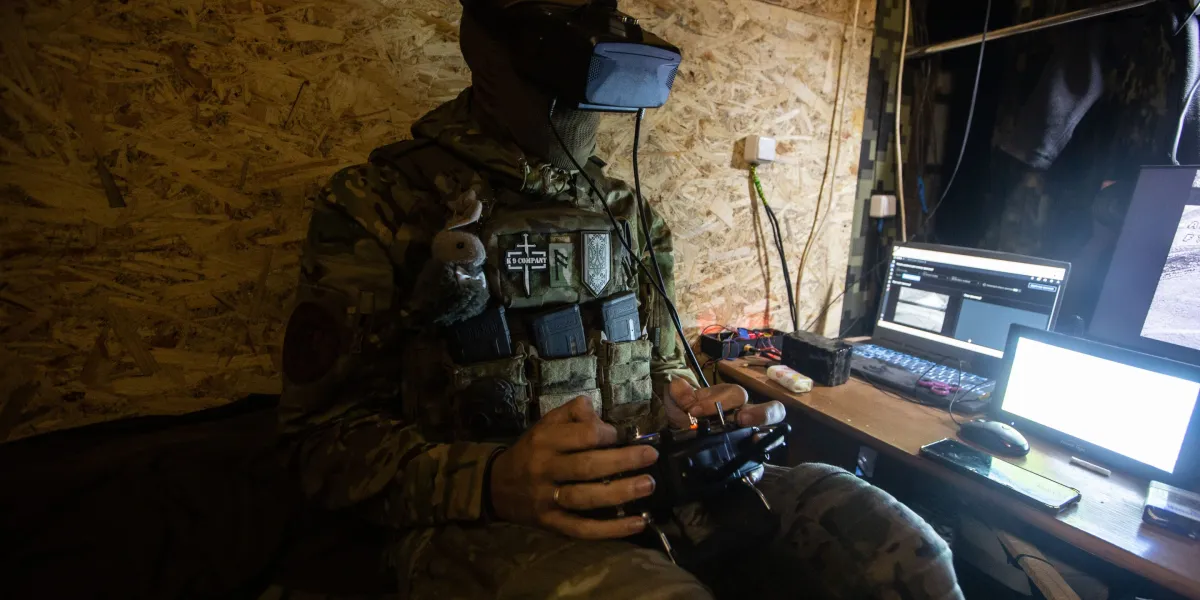
Ukraine’s targeting of an Iran-linked vessel in the Caspian Sea is no ordinary development. Ukraine and Iran do not share a common border. The two countries’ militaries are not facing off in the traditional sense. Nevertheless, Ukraine’s attack on an Iran-linked target in the Caspian Sea indicates that the gap between the Ukraine-Russia war and the Iran-centered conflict is gradually closing. Iran’s strong reaction to the attack and its message that it will retaliate against Ukraine make this possibility even more significant. Because if Iran truly begins to face attacks originating from Ukraine, a new military problem will arise for Tehran. Iran will be forced to divert forces to the north.