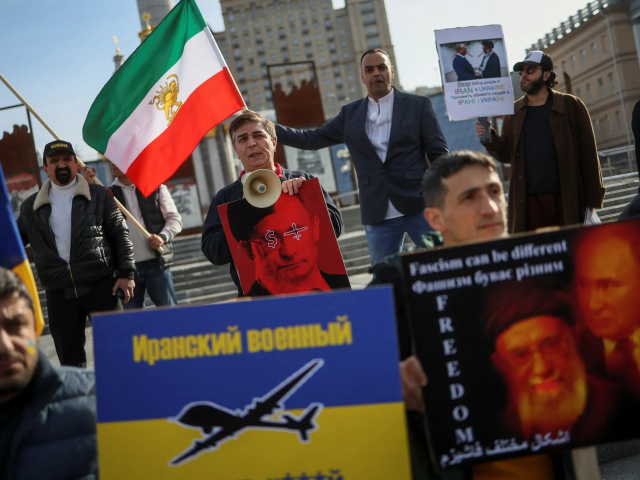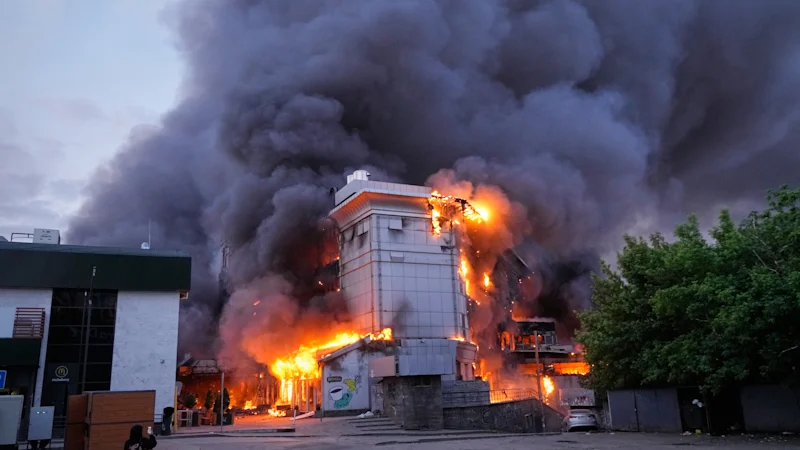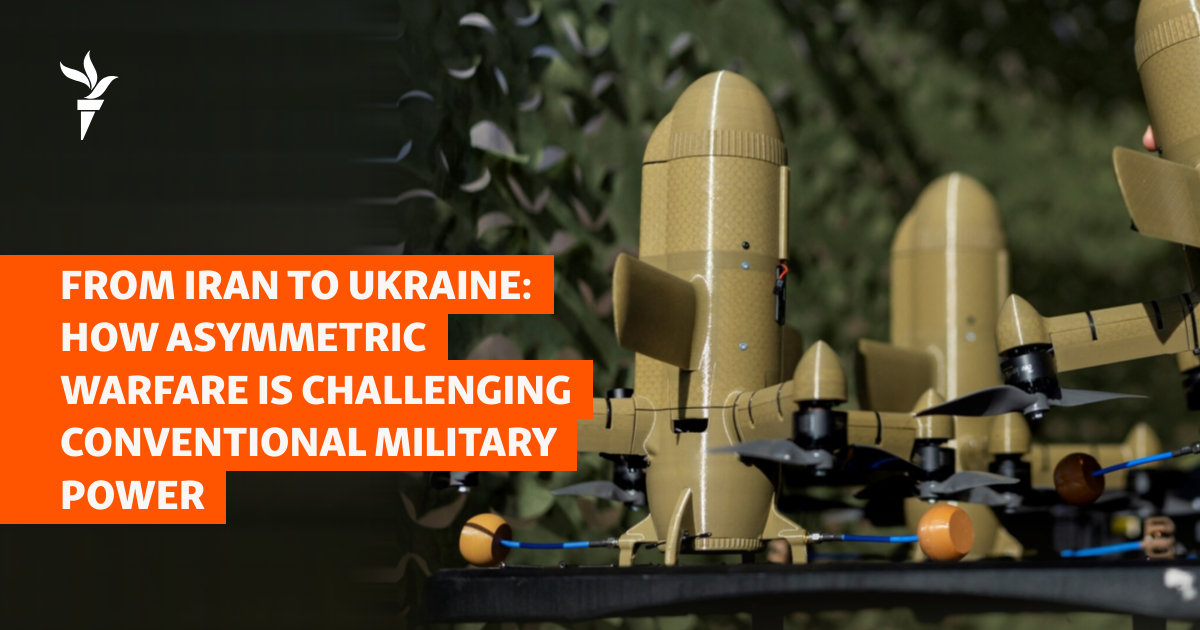
When it launched a full-scale invasion of Ukraine in 2022, Russia expected the fall of Kyiv within days.In waging a bombing campaign of Iran in late February, the United States and Israel anticipated the rapid collapse of the Islamic republic.But in both cases, overwhelming military power failed to defeat the smaller and weaker side in the conflict. Instead, Ukraine and Iran reshaped the battlefield with cheap, domestically produced drones.The conflicts in Ukraine and the Middle East have given rise to asymmetric drone warfare, experts say. Compensating for shortages of missiles and the lack of a modern air force, militarily weaker actors are increasingly using drones to even the playing field.
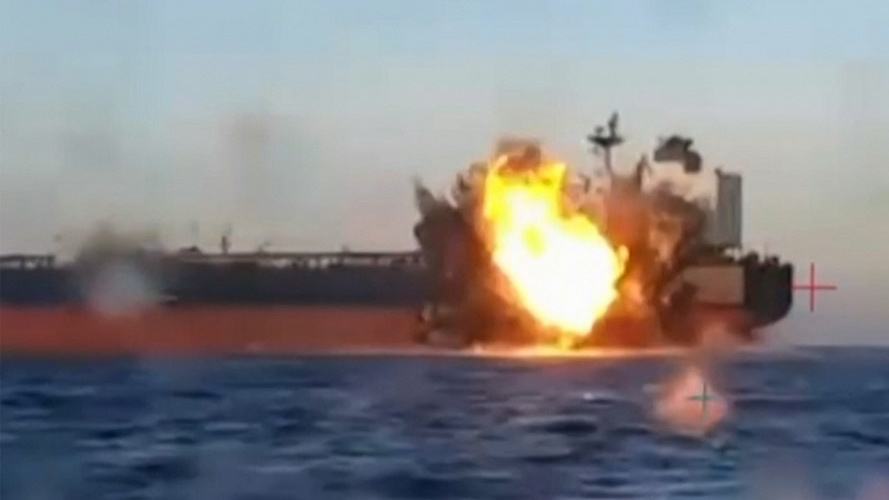
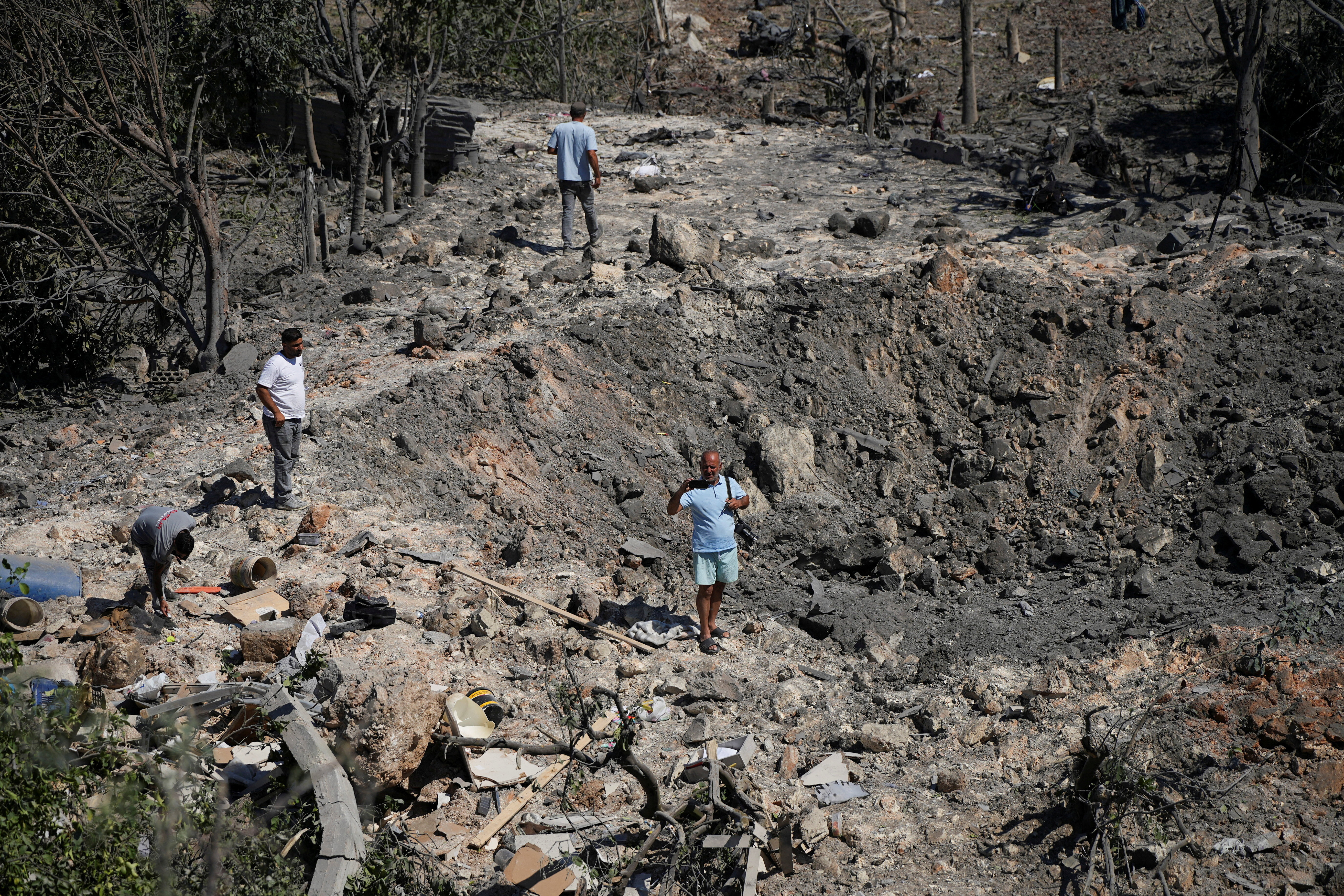
"Drone warfare is new in the sense that it doesn't truly replace conventional military means but rather modifies their uses," said Clement Molin, an analyst at the France-based think tank Atum Mundi."If drones are used so extensively by Ukraine and Russia, it is primarily due to a lack of air superiority capabilities or missiles. We see this in the Middle East, where states have been able to achieve almost total air superiority over Iran," he added.Molin said aircraft, tanks, logistics, and infantry are still crucial in modern warfare. But he said the role of drones in military strategy is "progressively strengthening.""Drones will conduct autonomous missions guided by AI. UGV [unmanned ground vehicle] drones will be able to replace logistics or conduct assaults. And naval drones will enable surface and underwater warfare, and even, as is already the case, serve as 'drone carriers.'"'Low-Cost Attrition'The United States and Israel launched a bombing campaign of Iran on February 28, striking military and nuclear sites, hitting the country's industrial base, and assassinating dozens of Iranian political and military officials.Lacking a modern air force and air defenses, Iran responded by firing thousands of ballistic missiles and kamikaze Shahed drones at Israel, US military and diplomatic facilities in Persian Gulf, and key energy infrastructure in Saudi Arabia, the United Arab Emirates (UAE), Qatar, Bahrain, and Kuwait -- key US allies.By threatening and attacking international shipping, Iran also brought maritime traffic to a virtual standstill in the Strait of Hormuz, a key artery for global oil and gas supplies, giving it significant leverage over its neighbors in the Persian Gulf and the global economy.